Greenhouse Environment Monitoring
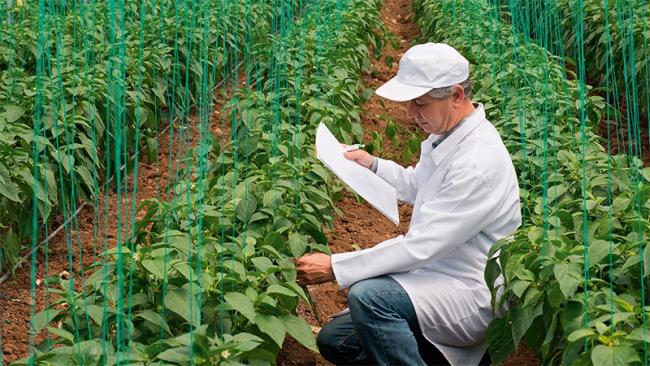
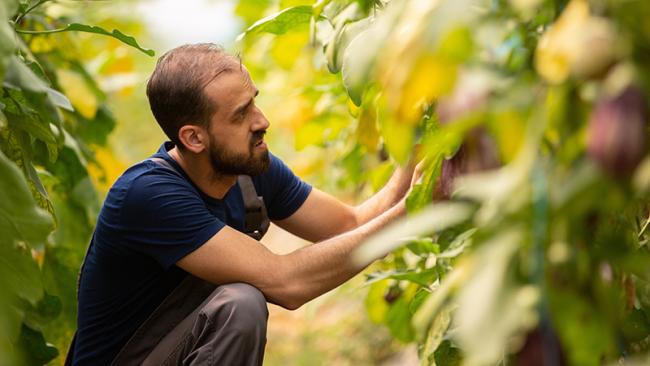
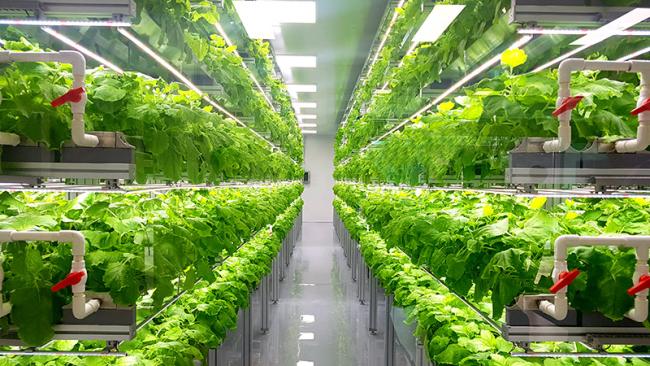
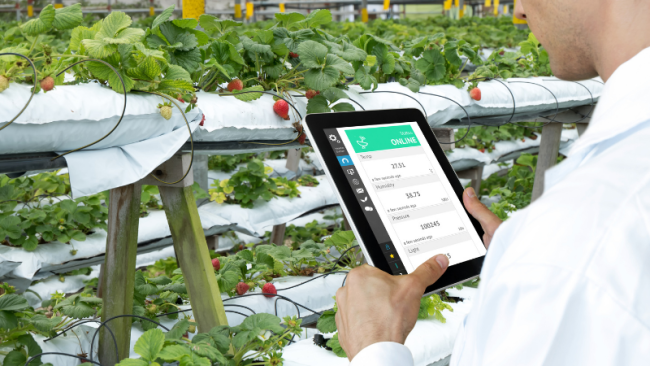
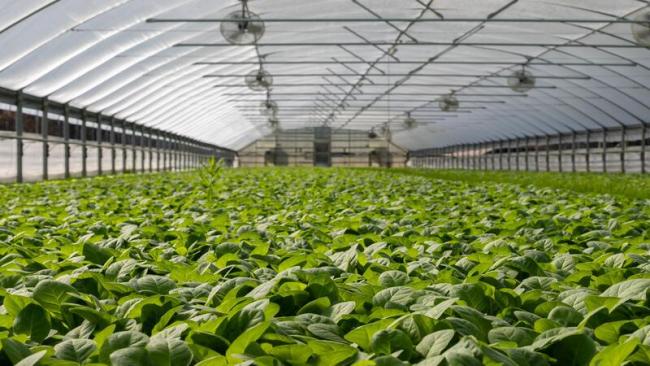
Greenhouses are closed environments where conditions are optimized for plant growth. Optimal controls require information from both the indoor and outdoor environments. Typically, carbon dioxide (CO2), relative humidity, and temperature are measured inside greenhouses; outside measurement parameters include wind speed and direction, rain, and solar radiation.
Plants need carbon dioxide in order to grow – carbohydrates are formed from CO2 and water. Plants use carbon dioxide in photosynthesis reactions. Productivity in greenhouses can be increased with proper CO2 fertilization, using bottled CO2 or CO2 produced with burners, during daylight hours or when there is artificial light available. The optimum CO2 conditions depend on the plant and the light conditions in the greenhouse. When the light intensity decreases in the greenhouse, photosynthesis slows down and CO2 consumption drops. Using too much CO2 increases costs unnecessarily and can be harmful for the crop.
Ventilation plays a key role in indoor agricultural applications, so demand-controlled ventilation (DCV) offers significant energy-efficiency benefits as it ensures the ventilation system is only run for a set period during the day. Using DCV not only saves energy but also prevents over-ventilation. Sufficient, optimal ventilation is obtained using as little energy as possible.

The same idea can be applied to greenhouses. During daylight hours when plants are exposed to more light and photosynthesis is active, CO2 levels can be optimized using DCV to maximize growth. At night plants hibernate and no photosynthesis occurs. If you know the best conditions for a specific plant, you can always optimize the ventilation and CO2 level accordingly. In comparison, a purely time-based control system without CO2 measurement simply feeds in the same amount of CO2 based on time of day regardless of whether or not the plants can make use of it.
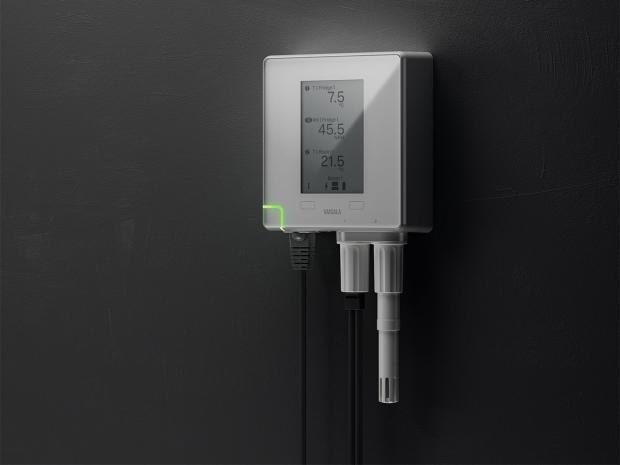
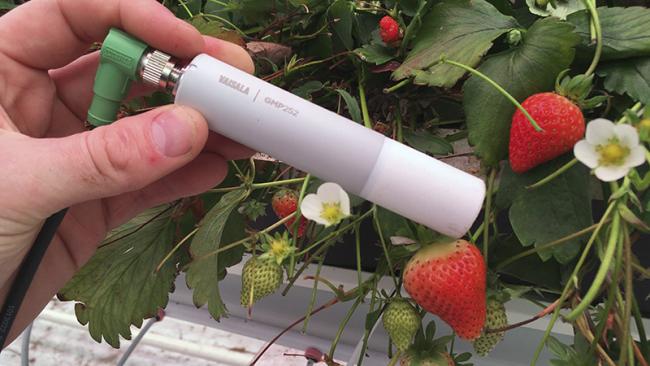
Vaisala offers instruments for measuring CO2, relative humidity, and temperature in greenhouses. Vaisala’s range of transmitters for outdoor use includes products for measuring wind, precipitation, various humidity parameters, and temperature. Outdoor transmitters come with wide operating temperature ranges suitable for most climates, flexible installation options, and solar and radiation shields for protection from the elements.
Greenhouse Environment Monitoring related products
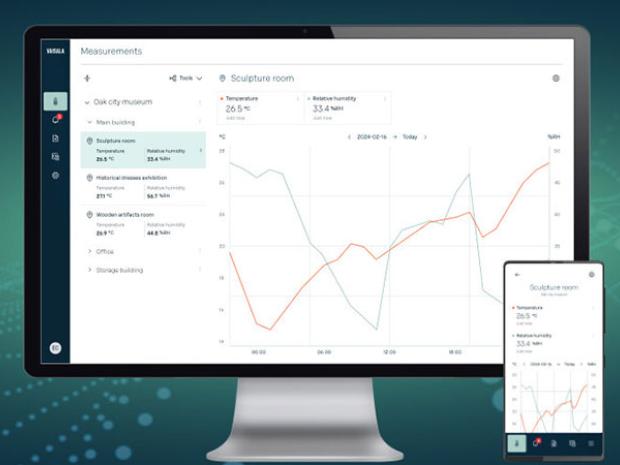
Jade Smart Cloud
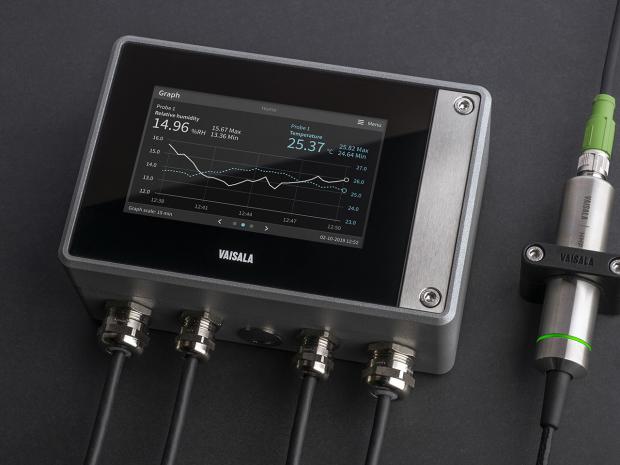
Indigo500 Series Transmitters
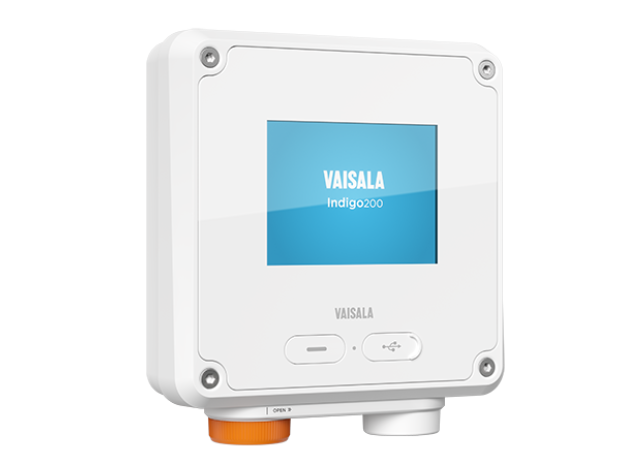
Indigo200 Series Transmitters for Vaisala smart probes
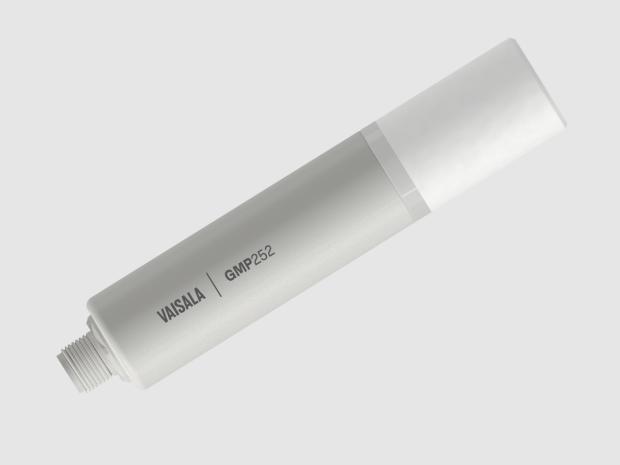
CO₂ Probe GMP252
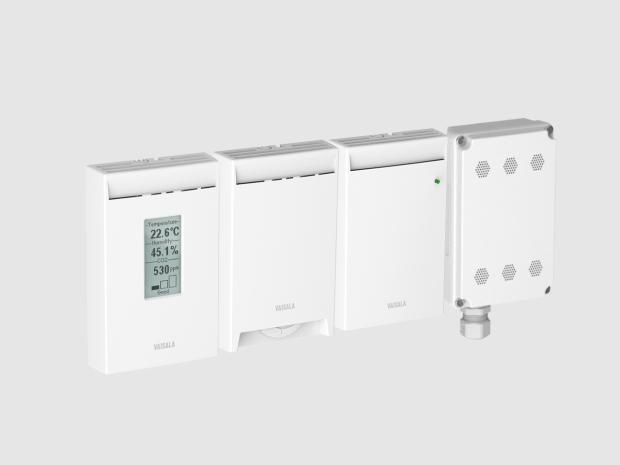
CO2, Humidity and Temperature Transmitter Series GMW80