
Demand Controlled Ventilation

How Does Demand-Controlled Ventilation Work?
In DCV the ventilation intensity is adjusted to correspond to the true need in order to save energy. It has clear advantages especially when occupancy varies widely, such as in offices, conference centers, auditoriums, and schools. The CO2 level in a space indicates human presence and can be used to control ventilation. The efficiency of DCV can only be optimized by accurate carbon dioxide sensing.

Upgrade your energy efficiency and productivity
Demand-controlled ventilation (DCV) is proven to have a huge impact on HVAC systems’ energy efficiency. The US Department of Energy conducted a research on energy savings and economics of advanced control strategies for HVAC in 2011. The research concluded that DCV contributes to the biggest energy savings in HVAC in small office buildings, strip malls, stand-alone retails and supermarkets compared to other advanced automated ventilation strategies.
Studies indicate that better indoor air and ventilation also has a positive impact on employee productivity. The Continental Automated Buildings Association (CABA) conducted a comparison between better buildings and other employee strategies, like workplace health programs and bonuses. With a meta-study of 500 different studies, they found that better buildings increase productivity by 2%–10%.

CO2 measurements make all the difference
CO2 sensors are central in reducing energy consumption using demand-controlled ventilation (DCV). As the measurement directly controls the amount of fresh air used, measurement accuracy requirements are tightening. Vaisala CARBOCAP® technology gives unique advantages for HVAC applications in terms of long-term stability.

Up to 40% savings with demand controlled ventilation
Average cost savings of using demand-controlled ventilation were calculated to be 38% for all commercial building types. The amount depends on the climate, of course; demand-controlled ventilation is most efficient in cold climates, and coupling it with multi-speed fan control will bring more benefits also in hot climates.
NuAire’s Smart Squrbo demand ventilation system incorporates Vaisala sensors to determine the level of ventilation necessary to keep the air fresh cost-effectively.

Download Vaisala eGuide for better demand-controlled ventilation
Demand-controlled ventilation offers advantages for energy savings as well as tenant's comfort.
Download our complimentary eGuide to gain the best practices on
- optimal levels of indoor air measurements
- selecting the most suitable sensors
- what to take into account when designing DCV system
Demand-controlled ventilation related products
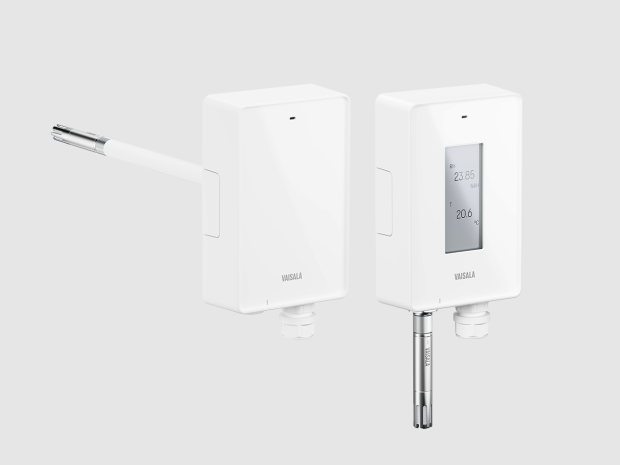
Origo10 Series Transmitters
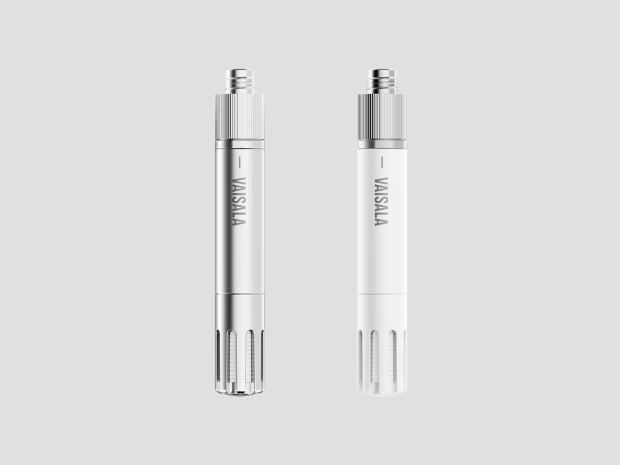
XMP10 Series Humidity and Temperature Probes
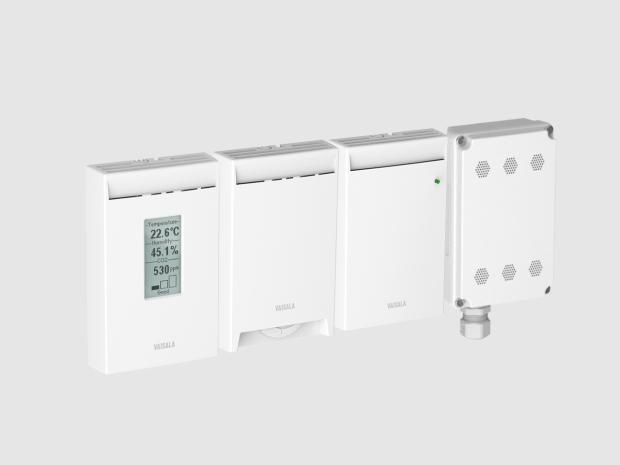
CO2, Humidity and Temperature Transmitter Series GMW80
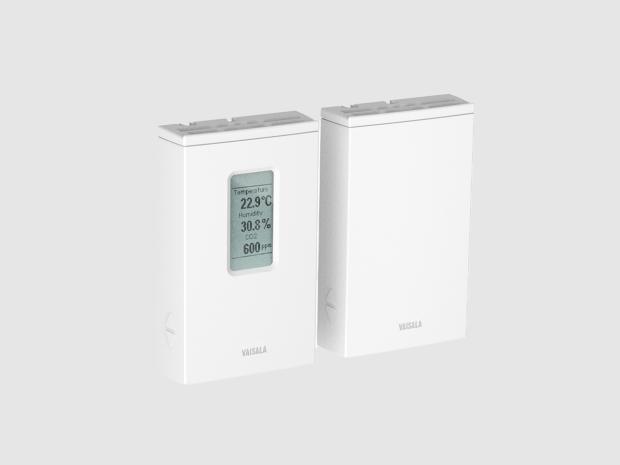
CO2, Temperature and Humidity Transmitter Series GMW90
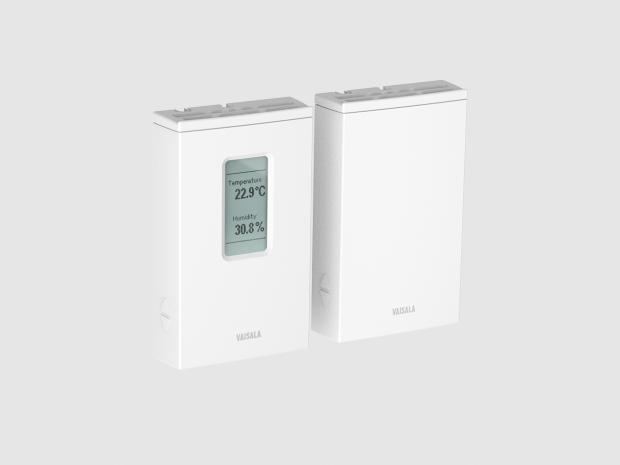
Humidity and Temperature Transmitter Series HMW90
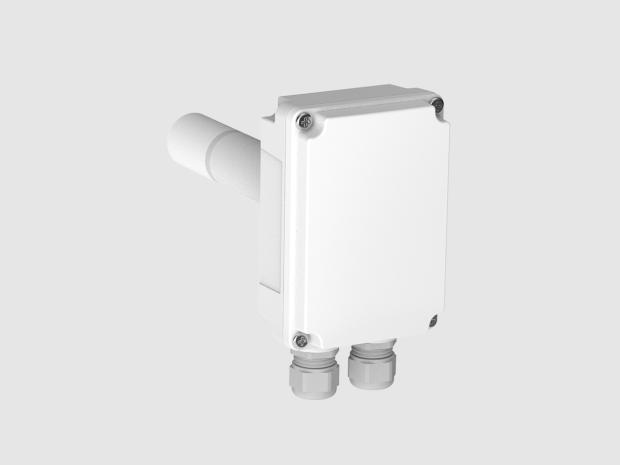
Duct CO2 Transmitter GMD110
Related articles








Contact us
Interested to receive more information on a specific application or product? Drop us a line, and we'll get back to you!


