Sounding systems & radiosondes

Sounding systems & radiosondes

Our systems deliver precise atmospheric data and reliably forecast high impact weather in the harshest conditions.
25
+

YEARS DELIVERING AUTOMATIC SOUNDING SYSTEMS

1200
+

UPPER AIR SOUNDINGS PERFORMED EACH DAY

1931

YEAR WHEN RADIOSONDES FIRST TESTED BY VAISALA

Weather observation station

High-quality weather observations under one roof

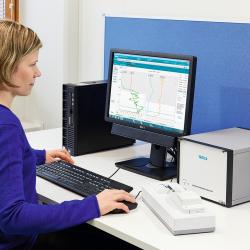
Vaisala’s sounding systems integrate sounding control, data processing, and output in customized formats. Vaisala’s combination of sounding devices and software are used to process, analyze, archive, and relay sounding data — resulting in optimal networking, detection, and monitoring. Other benefits include:

  • Flexibility and future upgradability of both hardware and software
  • Excellent telemetry link performance and bandwidth efficiency

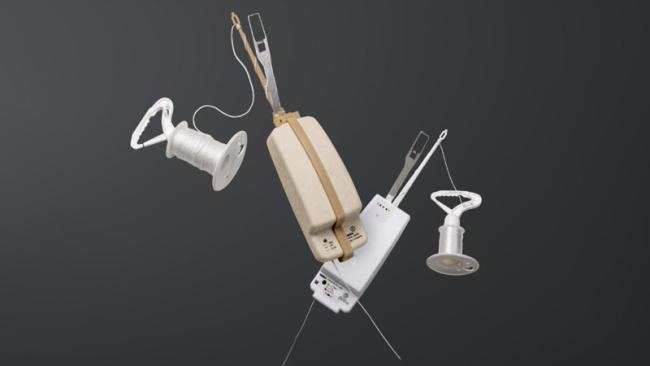
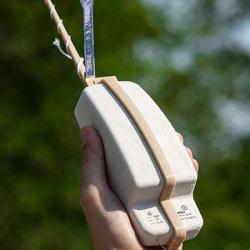
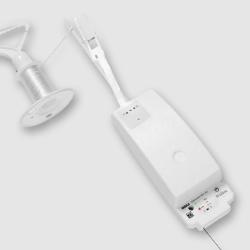
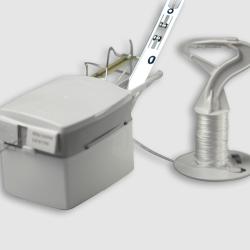
Our sounding systems are complemented by Vaisala’s radiosondes using sensors to cover all atmospheric and weather conditions in every climate zone including: pressure, temperature, and relative humidity measurement and wind finding. Vaisala Radiosonde RS41 E-models with BioCover and  BioTwine can replace standard RS41 radiosondes in operational use, with the same uncompromising performance and accuracy.

Products and services

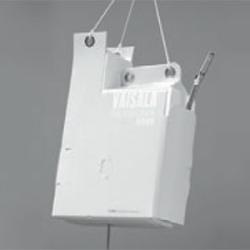
AS41

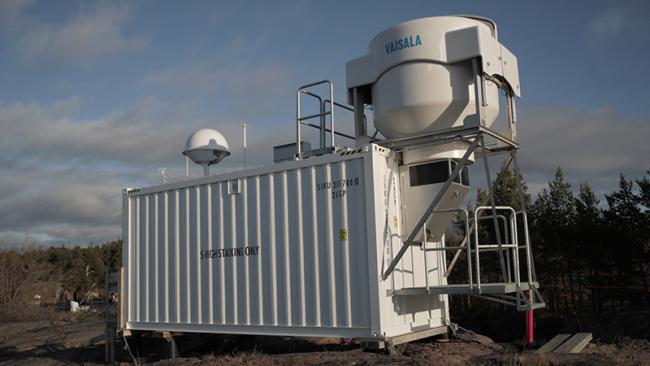
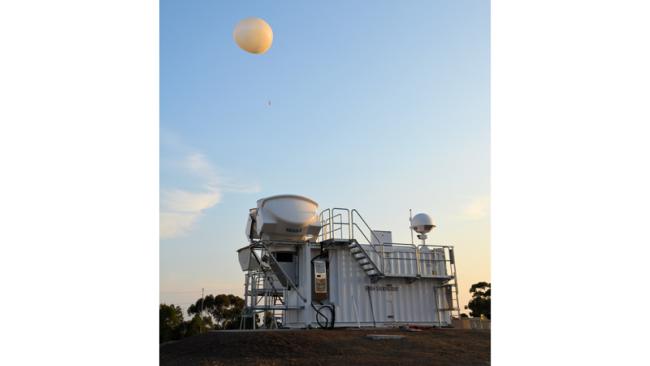
Autosonde AS41

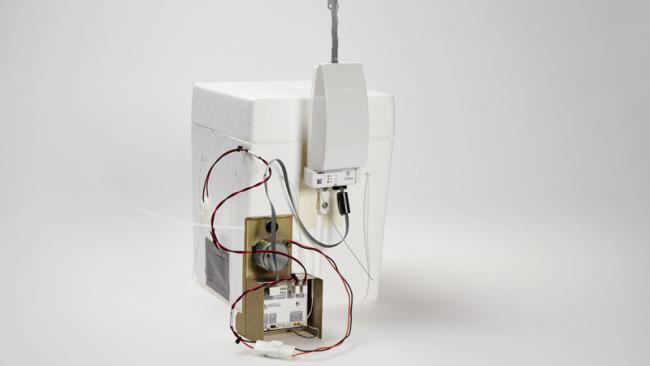
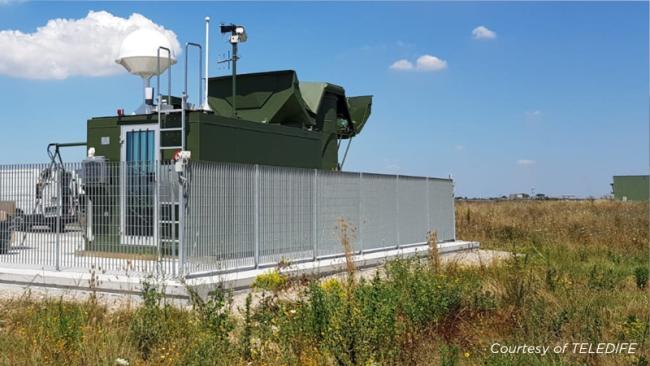
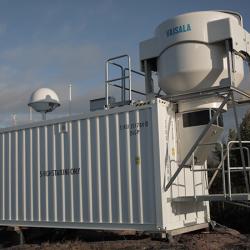
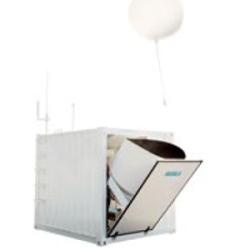
The Autosonde AS41 is designed to provide round-the-clock sounding data even in the harshest conditions and most remote locations. Fully automated sounding operations mean there is no need for in-person data collection.

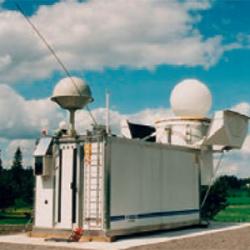
Vaisala Cirrus Sounding System MW51

Cirrus Sounding System MW51

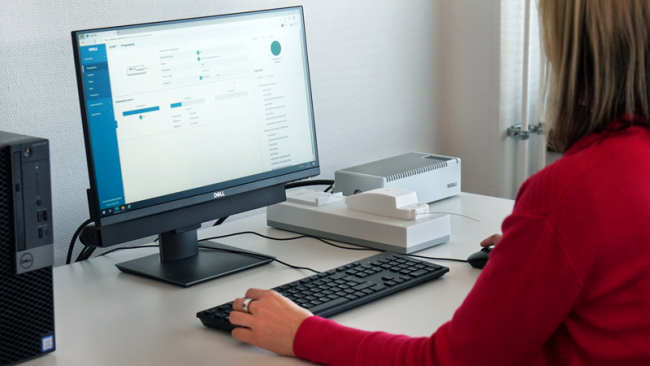
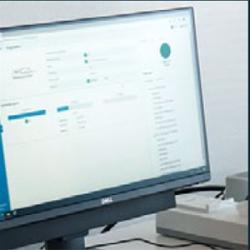
Vaisala Cirrus® Sounding System MW51 enables superior data processing and operational performance over a long lifecycle. Supporting the world-class performance of Vaisala RS41 radiosonde family, makes MW51 an excellent choice for both synoptical and research applications.

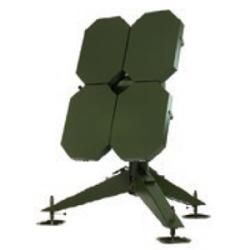
MARWIN Sounding System MW32

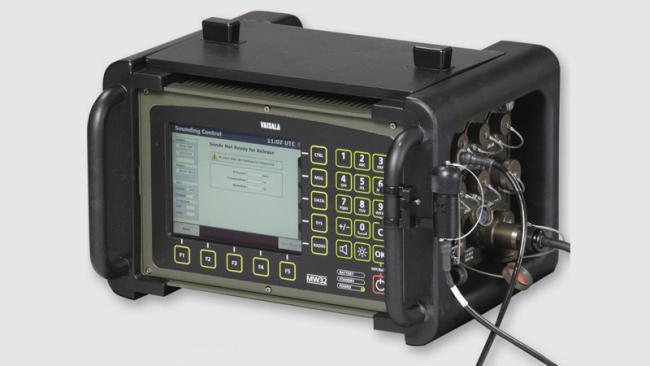
MARWIN Sounding System MW32

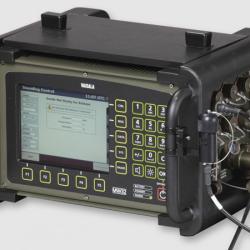
Vaisala MARWIN Sounding System MW32 provides an atmospheric profile of wind, pressure, temperature, and humidity from the surface up to the altitudes used in the ballistic weather computation. The atmospheric profile is useful in fire weather, aviation, CBRN, and naval applications.

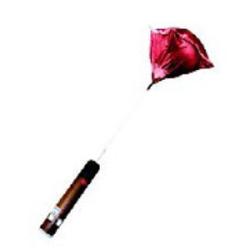
NCAR Dropsonde NRD41

NCAR Dropsonde NRD41

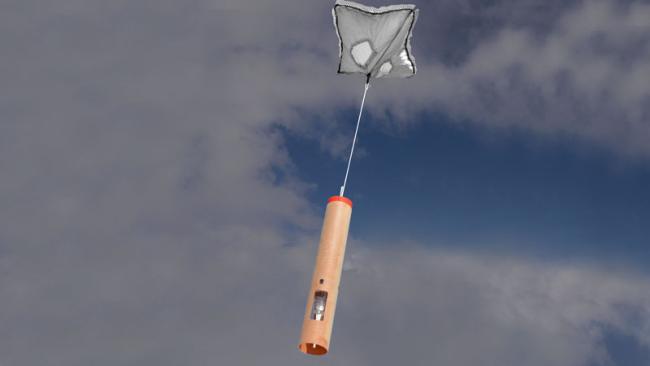
This proven weather reconnaissance device captures atmospheric profiles from aircraft flight level to surface, vastly improving weather observations.
RS41 product image

Ozone Sounding with Radiosonde RS41

A variety of set-up options make it possible to measure pressure, temperature, humidity, and geopotential height, as well as the vertical distribution of atmospheric ozone up to 3 hPa. Get the reliable and accurate ozone measurement you need for synoptic sounding and atmospheric research.

Resources

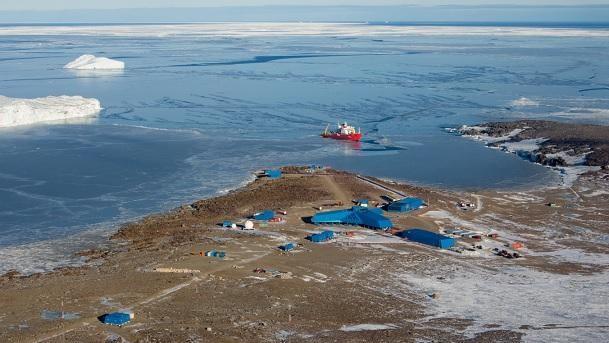
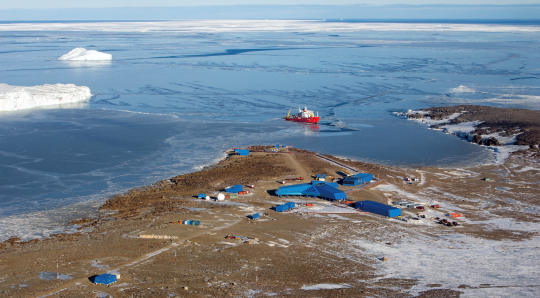
View from the coast of Antarctica.
Blog

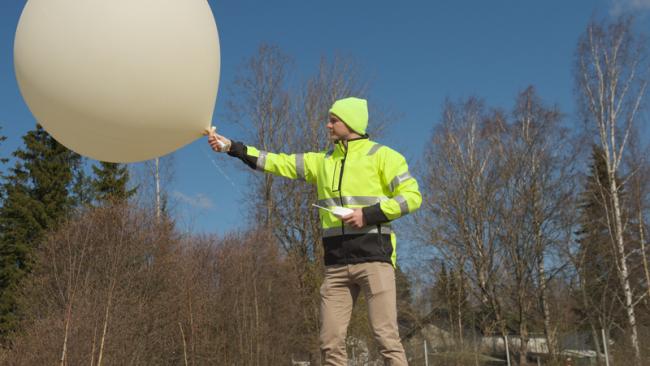
Autosonde installation in Antarctica

Discover how Korea Polar Research Institute, the operator of Jang Bogo station in Antarctica, uses Vaisala’s Autosonde to measure prevailing conditions in this remote and challenging environment.
Radiosonde ascent and descent profiles
Blog

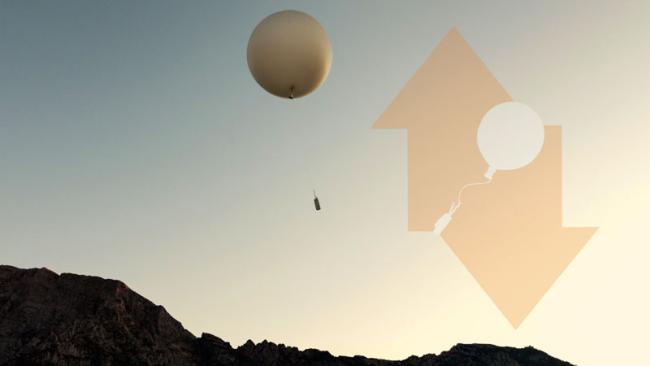
More meteorological data from descending radiosondes

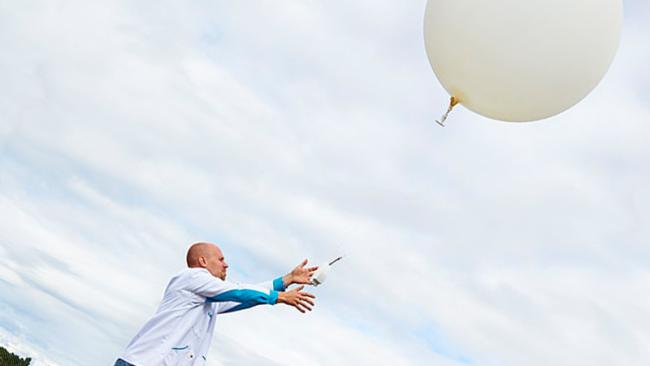
In recent years, national meteorological institutes have expressed more interest in using the descent phase of operational radiosonde soundings. Once a modern radiosonde starts its descent, it continues measurements and can provide another independent atmospheric profile without additional effort.

Success stories

Case Study: Australia Brush Fires
Case

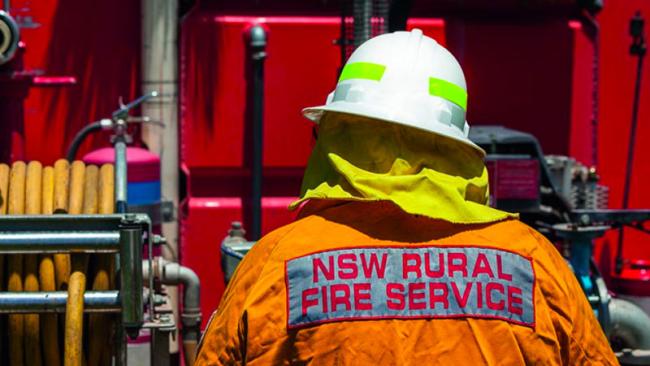
Soundings Data Helps Fight Bush Fires in Australia

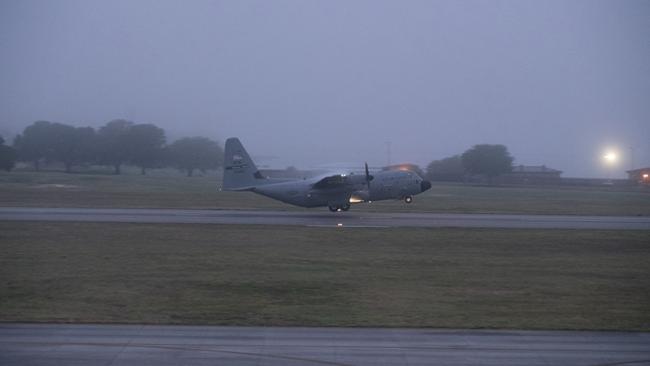
To help New South Wales Rural Fire Service know the hyperlocal weather conditions of a fire in order to provide firefighters with accurate forecasts of how the fire will behave and move, they procured a Vaisala sounding system that can be easily moved around the state, wherever a fire breaks out.

Weather Ready Nation Ambassador image of a tree
Case

Weather-Ready Nation Ambassador

Vaisala is selected as an ambassador to work with NOAA and the National Weather Service in building communities that are ready, responsive and resilient to severe weather events.

Case Study: Italian Air Force
Case

Automation of upper-air observations for modernization

Although their sounding stations were established and functional, the Meteorological Service was manually conducting soundings. The organization sought to modernize the weather network with an automated sounding solution that would optimize staff resources, freeing them to focus on other tasks. 

Teamworking

Distinguish the capabilities of our observation systems

Understand the important role Vaisala’s sounding systems and radiosondes play in climatology trends and how they work reliably in changing conditions. Whether the focus is convective weather, winter precipitation, or atmospheric pressure, inquire how the reliable accuracy of Vaisala technology can improve your specific forecasting needs.

The evolution of upper air measurement

Nearly 90 years ago, Professor Vilho Väisälä put the finishing touches on his first commercial radiosonde. Today, most atmospheric soundings around the world are performed with Vaisala sounding equipment. 

Here is how our first groundbreaking technology has led to the organization we are today.
Safe & sound weather data: Secure your soundings against hybrid threats

2024

Vaisala introduces new security features in Radiosonde RS41 models and Vaisala Cirrus® Sounding System MW51: multi-GNSS support and message authentication. These features help meteorological agencies defend against GPS interference and cyberattacks.
Biotwine

2023

Vaisala launches Radiosonde RS41 E-models with Vaisala BioCover™ and BioTwine™ that combine high-quality atmospheric sounding data with innovative, biodegradable materials to help reduce plastic waste originating from sounding operations. 

NCAR Dropsonde NRD41* debuts as a meteorological measurement device for use in atmospheric profiling from aircraft flight level to surface.

MW51

2022

Vaisala Cirrus® Sounding System MW51 provides a generational leap in upper-air observations. The MW51 is equipped with all new built-to-purpose Vaisala Cirrus Sounding Processing Subsystem SPS511, and DigiCORA® Software which offer never before seen features in sounding capability

AS41

2018

Vaisala raises the bar for automatic soundings with the release of the Vaisala AUTOSONDE® AS41, a completely new upper-air observation system for synoptic and adaptive use. 

Vaisala Dropsonde RD41* debuts as a meteorological measurement device that takes atmospheric profilings from aircraft flight level to surface.

RS41

2013

The Vaisala Radiosonde RS41 is released and combined with the Vaisala DigiCORA® Sounding System MW41. It introduces new standards in both technology and usability.

2012

Vaisala launches Vaisala DigiCORA® Sounding System MW41, the first part of the nextgeneration radiosonde system. MW41 takes the sounding operational experience to a new level.

MARWIN Sounding System MW32

2009

Vaisala introduces the second generation Vaisala MARWIN® Sounding System for demanding environmental conditions. It meets a number of focal MIL-STD and other applicable requirements including operating environment and electromagnetic compatibility.

2003

The Vaisala Radiosonde RS92 features new high-performing sensors designed for radiosonde use, featuring Vaisala’s method of applying GPS to wind measurement. The next sounding system version, Vaisala DigiCORA® Sounding System MW31, gives meteorologists comfortable control over the sounding process by integrating sounding controls, archiving the sounding data, and meteorological messaging.

Soundings timeline 1999

1999

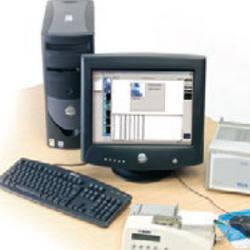
Vaisala DigiCORA® Sounding System MW21 is introduced. It features data and messages transmitted over the Internet, together with a userfriendly graphical interface. A BUFR message coding program is implemented in 2001.

Soundings timeline 1997

1997

Vaisala delivers the first dropsondes. The National Center for Atmospheric Research (NCAR) and Vaisala enter into a licensing agreement on dropsonde design. NCAR designs the “GPS Dropwindsonde” using Vaisala core technology for pressure, temperature, humidity and wind finding. This dropsonde is renamed the Vaisala Dropsonde RD93*. 

*The dropsonde, aircraft data system hardware and software are designed by the Earth Observing Laboratory of the National Center of Atmospheric Research in Boulder, Colorado, USA and built by Vaisala under license from UCAR.

Soundings timeline 1996

1996

Vaisala introduces GPS for upper-air wind measurements. GPS technology offers substantially more detailed profiling of upper-air wind patterns.

Soundings timeline 1994

1994

The first Vaisala Automatic Sounding Station AUTOSONDE® is delivered—a robot that prepares and releases a radiosonde without human intervention.

Soundings timeline 1987

1987

Vaisala introduces the first version of the 1680 MHz radiotheodolite for defense applications.

Soundings timeline 1986

1986

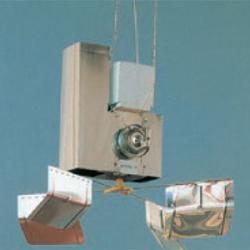
Vaisala introduces the compact ASAP Sounding Station, a semi-automatic upper-air observation station for use on board ships. ASAP receives the radiosonde signals and converts them into meteorological messages.

Soundings timeline 1985

1985

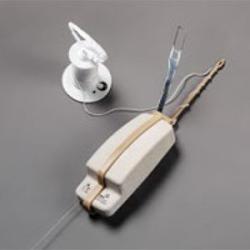
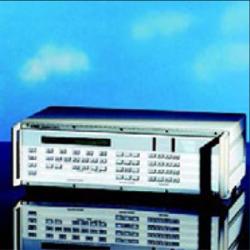
The Vaisala DigiCORA® Sounding System MW11 is introduced. It features a self-guiding menu for operation through front panel keys, comprehensive self-testing, and built-in battery backup. An automatic telemetry system control is introduced. The next version— DigiCORA® Sounding System MW15 (pictured) —is compact and portable.

Soundings timeline 1981

1981

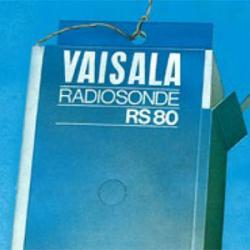
The Vaisala Radiosonde RS80 sets a new standard in synoptic upper-air observation. New methods for measuring small capacitances and an electronic switch are patented worldwide. It becomes the WMO’s “transfer standard” in radiosonde comparison tests.

Soundings timeline 1977

1977

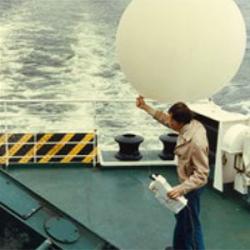
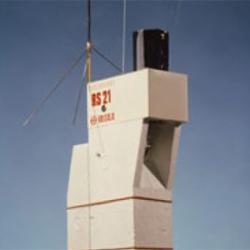
WMO chooses Vaisala Radiosonde RS21 as the radiosonde for the FGGE (First GARP Global Experiment). This was the beginning of the great success of Omega based wind finding. Picture shows RS21 launch on board of a research ship, late 1970s.

Soundings timeline 1975

1975

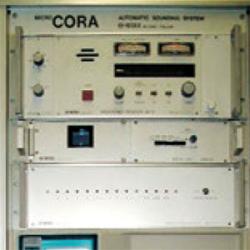
Vaisala introduces the CORA® Automatic Sounding System. It features wind measurement based on the Omega NAVAID network, and automatic coding of TEMP messages. The world-famous MicroCORA (pictured) enters the market in 1981. It is in use until the termination of the Omega network in 1997.

Soundings timeline 1973

1973

The Vaisala Radiosonde RS21 offers an improved temperature sensor and a thin film, the HUMICAP® humidity sensor. 400 MHz telemetry opens the door to mobile radiosonde systems.

Soundings timeline 1969

1969

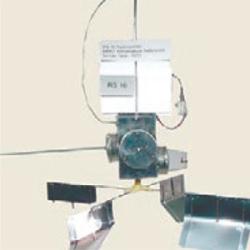
The Vaisala Radiosonde RS16 is equipped with a thin wire thermometer. The WMO grants it temperature reference radiosonde status.

Soundings timeline 1965

1965

The Vaisala Radiosonde RS13 is the world’s first fully transistorized radiosonde—much lighter than previous models, with better performance and new measuring elements.

Soundings timeline 1950

1950

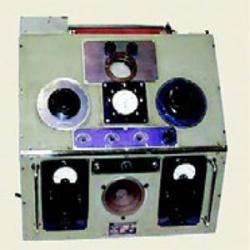
Väisälä Radiotheodolite for upper-air wind measurement is introduced in the early 1950s. It works in the 25 MHz frequency band.

Soundings timeline 1936

1936

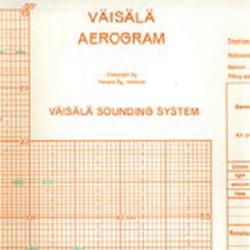
Prof Väisälä develops the Väisälä Aerogram, in use for 50 years. The Aerogram is a graphical aid to determine hydrostatic altitude for pressure levels.

Soundings timeline 1936

1936

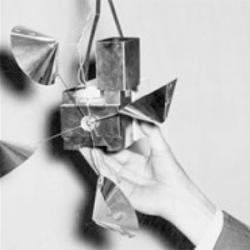
The Vaisala Radiosonde RS11 wins Gold Medal at the 1937 World Fair in Paris. This was Professor Vilho Väisälä’s first commercial radiosonde, delivered to MIT, USA on July 30th, 1936.

Vilho Väisälä

Through innovation, industry commitment, and an innate curiosity, Vaisala strives to produce high-quality and dependable instruments and intelligence for taking every measure for the planet.

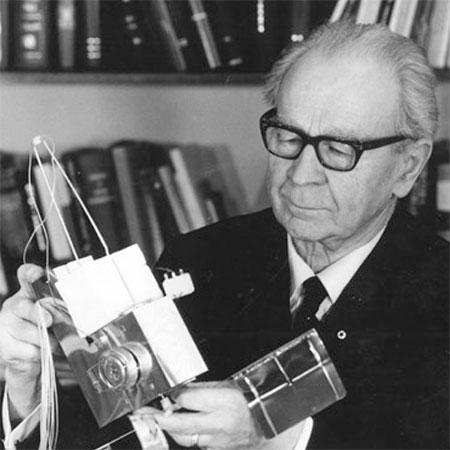
Professor Väisälä, Ph.D. Mathematics, Prof. Meteorology, was a member of the WMO’s Commissions for Aerology (CAe) and for Instruments and Methods of Observation (CIMO). He was founder and longtime Managing Director of Vaisala.

E-mail Facebook Twitter LinkedIn