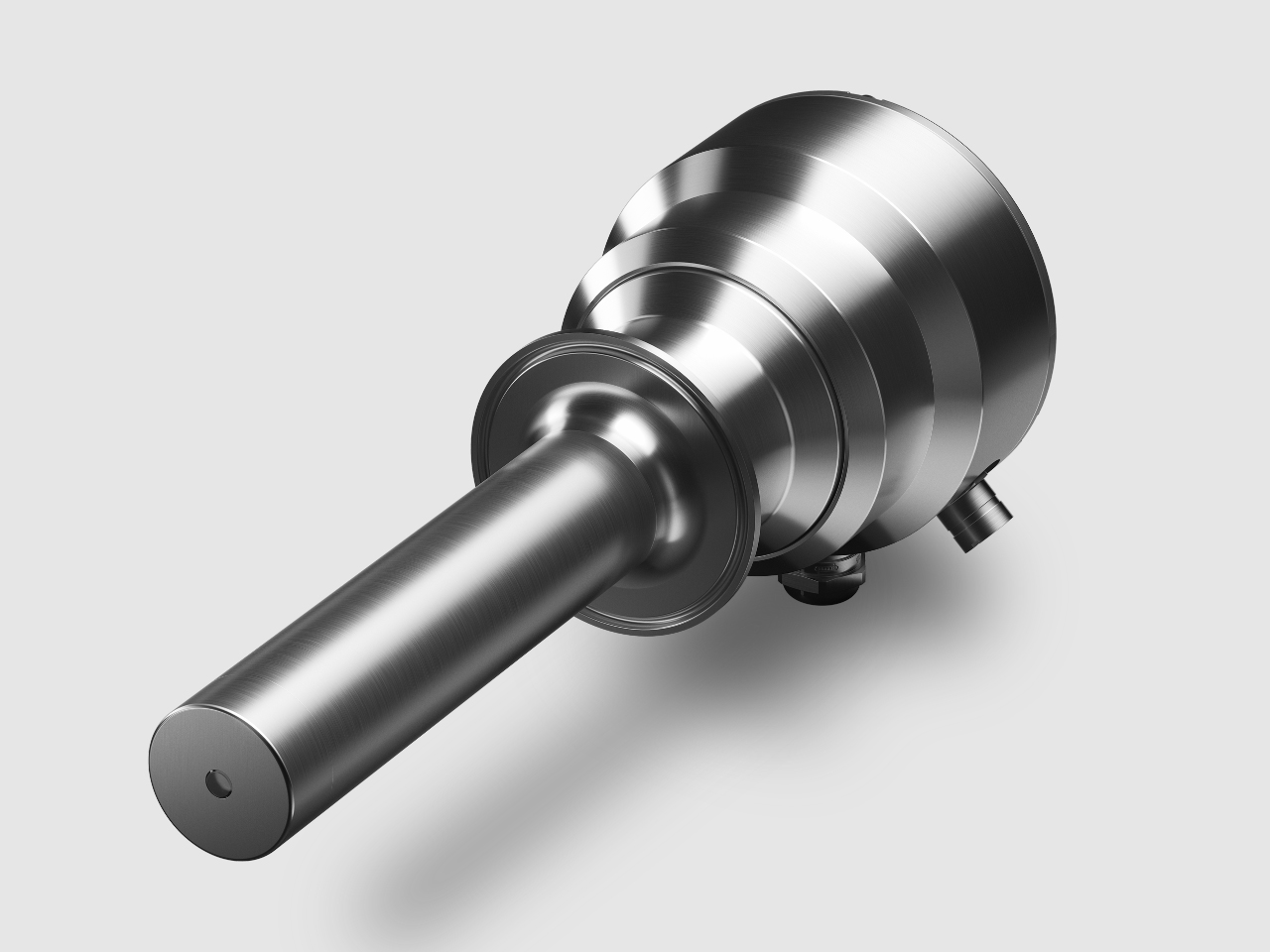
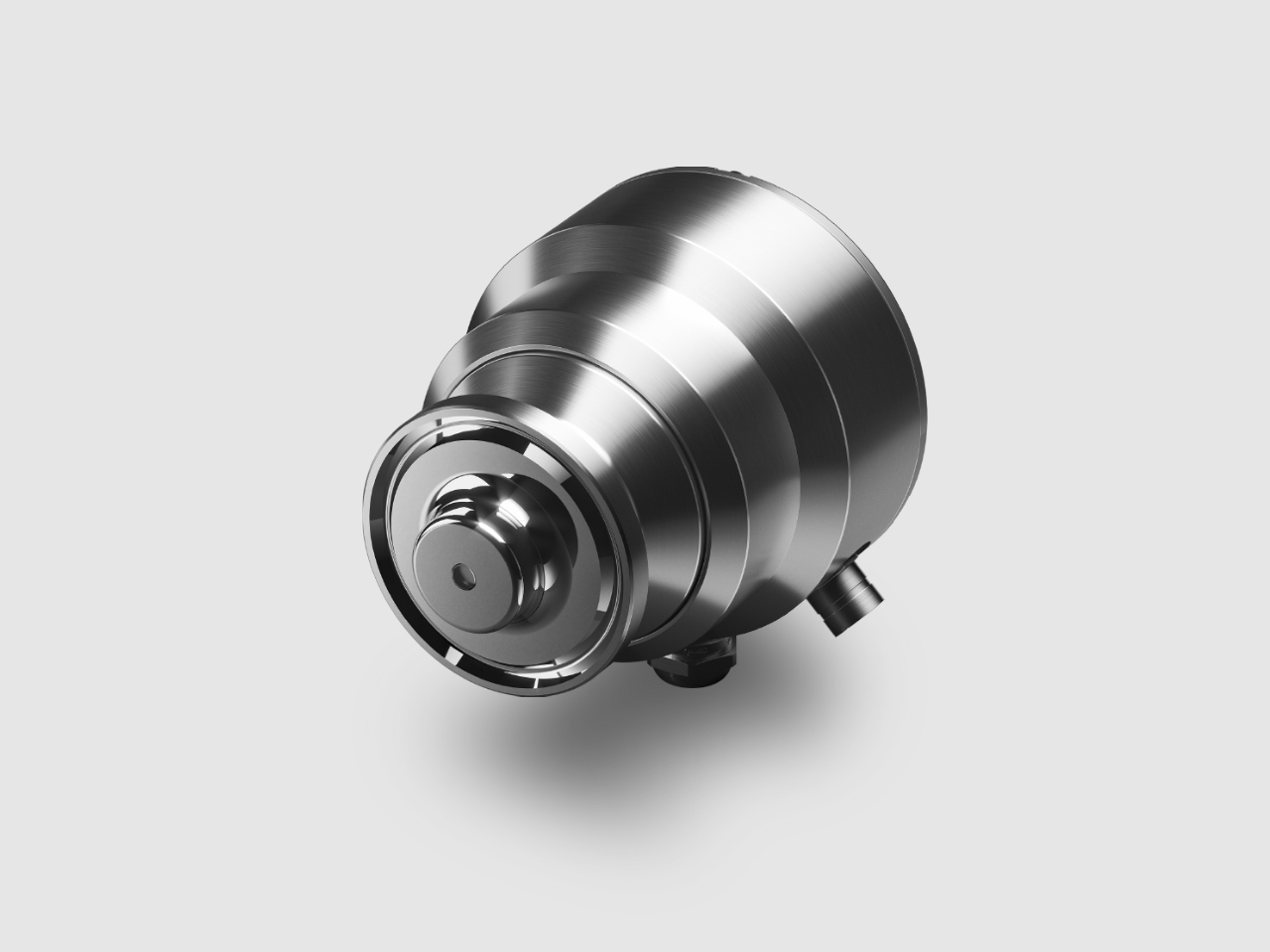
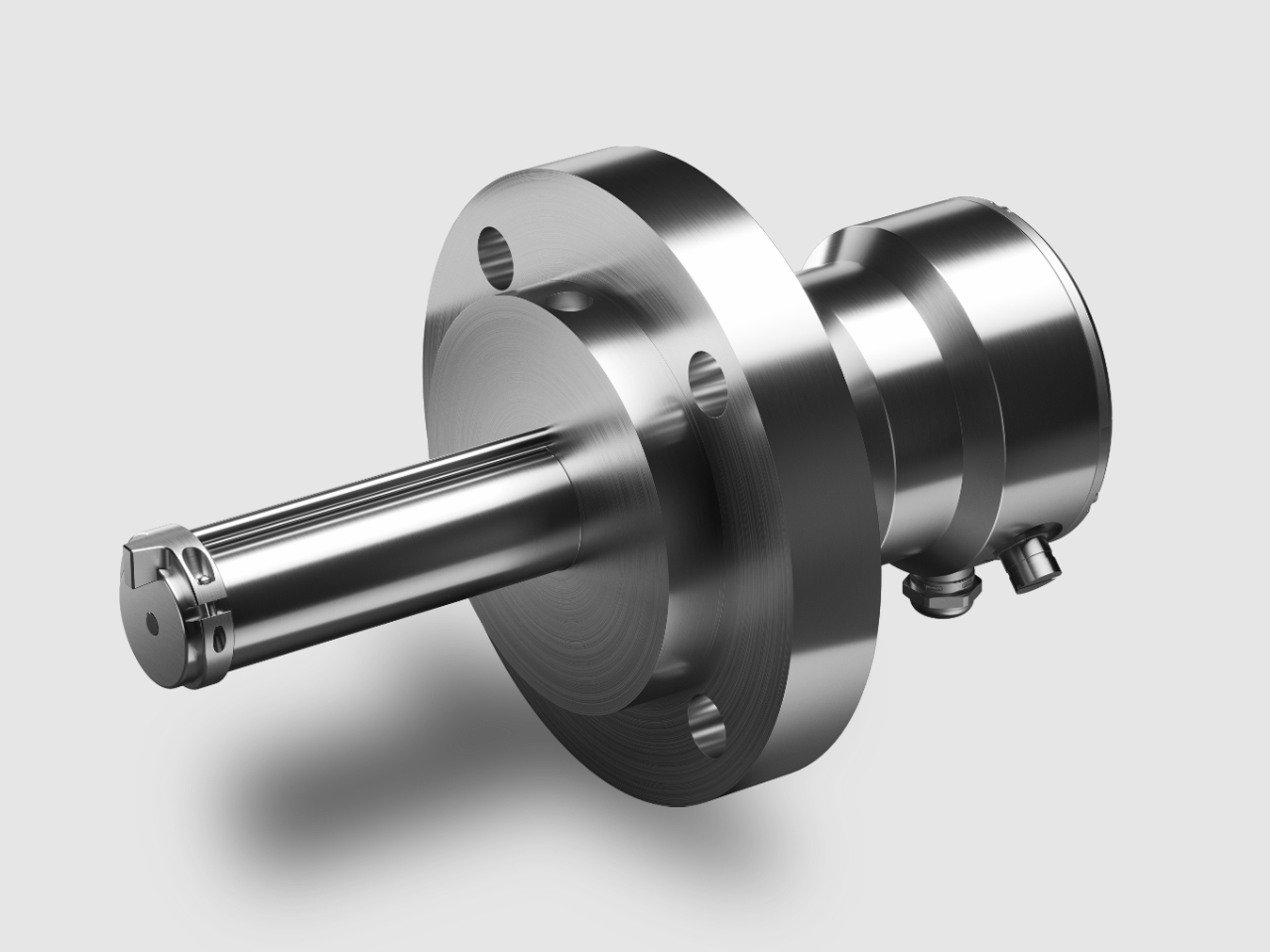
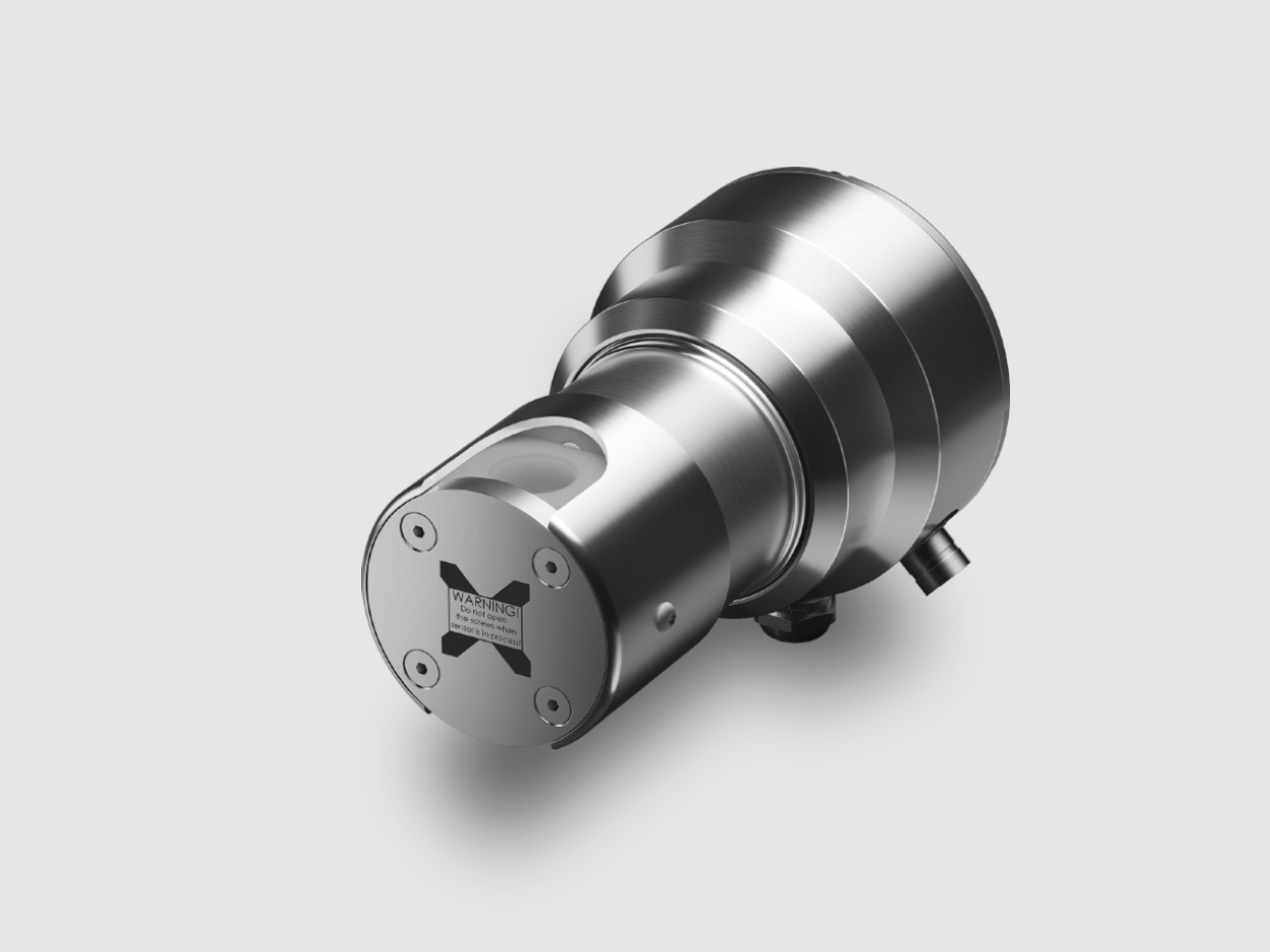
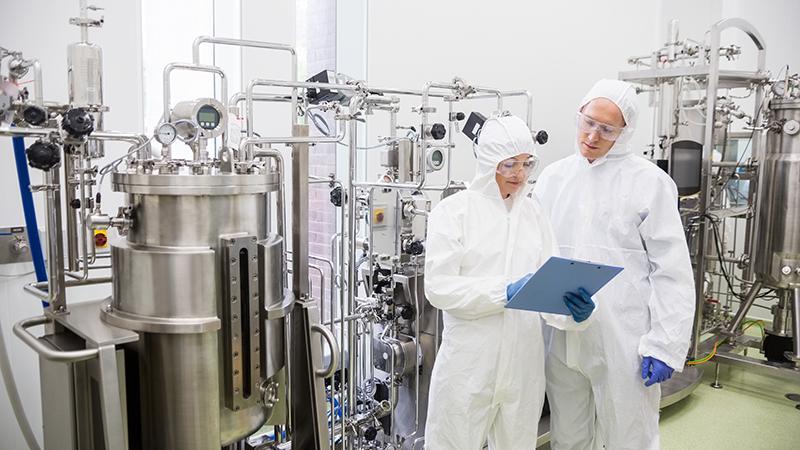
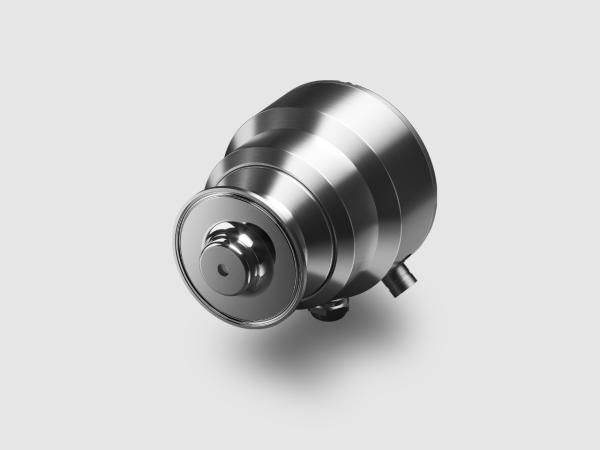
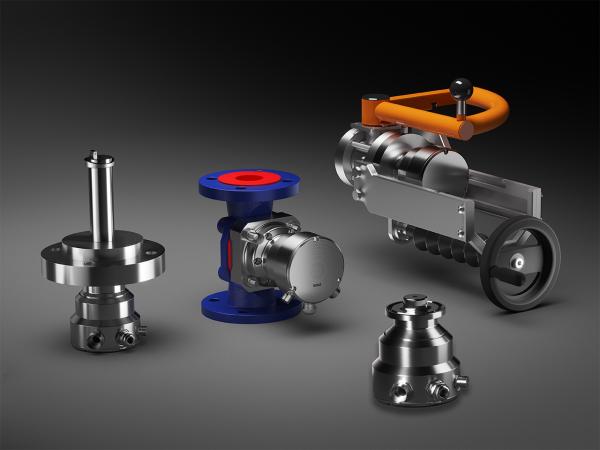
Ignite the full potential of your process control and enhance product quality with the pioneering optical inline process refractometer product family Vaisala Polaris™

Submitted by mona.kokkonen@… on
Process Engineer in a control room
Industrial Measurements
Innovations and Inspirations
Liquid Measurements
Sustainability

Harsh chemicals, sticky sugars and syrups, extreme temperatures, and corrosive acids. Industrial processes involving liquids are no place for fragile, unreliable, hard-to-maintain measurement equipment. And when you throw tight tolerances and high hygiene requirements into the mix, it’s easy to see why picking the right measurement technology is a must. In this blog we take a look at Vaisala’s latest-generation process refractometer platform, designed to optimize your processes, save resources, energy, and time, and enhance productivity and product quality. 

Whether you’re manufacturing food and drinks, sugar, pharmaceuticals, chemicals or wood pulp, reliable and stable inline measurement of liquid concentrations is a must to ensure quality, safety, and compliance. To do this, many process industry operators rely on refractometer technology – an accurate, reliable and repeatable method that uses refractive index (RI), a property of light, to measure liquid concentrations directly from process lines.

And now a new era is beginning with the launch of the Vaisala Polaris modular process refractometer platform. Let’s take a closer look at this next-generation technology and what it has to offer in a variety of industrial measurement applications. 

Building on four decades of continuous refinement

Part of the Vaisala family since 2019, K-PATENTS has over 40 years’ experience of developing industrial process refractometers for a huge variety of applications. The 5th generation, modern Vaisala Polaris products builds on this with Vaisala’s vast application knowledge and world-leading measurement instrument solutions. 

The Vaisala Polaris product family products are designed to work seamlessly out of the box with Vaisala’s Indigo520 transmitters for process refractometers and are available with just three days lead time for products with standard specifications. The instruments’ measurements are based on Vaisala’s library of over 500 concentration models for accurate measurements of different dissolved solids. You can learn more about the technology and the measurement principle here

Digital measurement’s advantage over competing analog solutions is that it is not based on aggregate readings, which can miss irregularities, but on continuous, uninterrupted readings. Furthermore, they can be installed inline in virtually any industrial process to enable real-time measurement of process conditions, eliminating the need for time-consuming lab-based measurement.    

Satisfying the appetite for safe, high-quality food and drinks

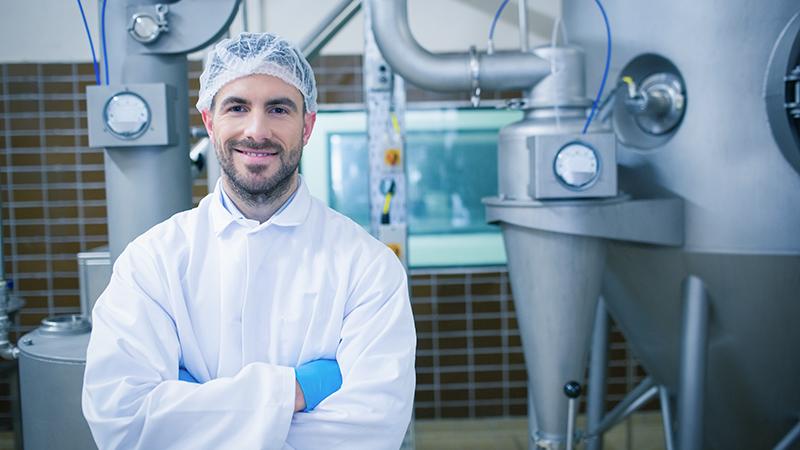
Measurement equipment used in food and beverage production has to comply with a long list of tough requirements designed to protect the safety and hygiene of the manufacturing process and end product. At the same time, the process environments can be tough on equipment, with high temperatures, viscous and sticky substances, and rapidly changing conditions being common. 

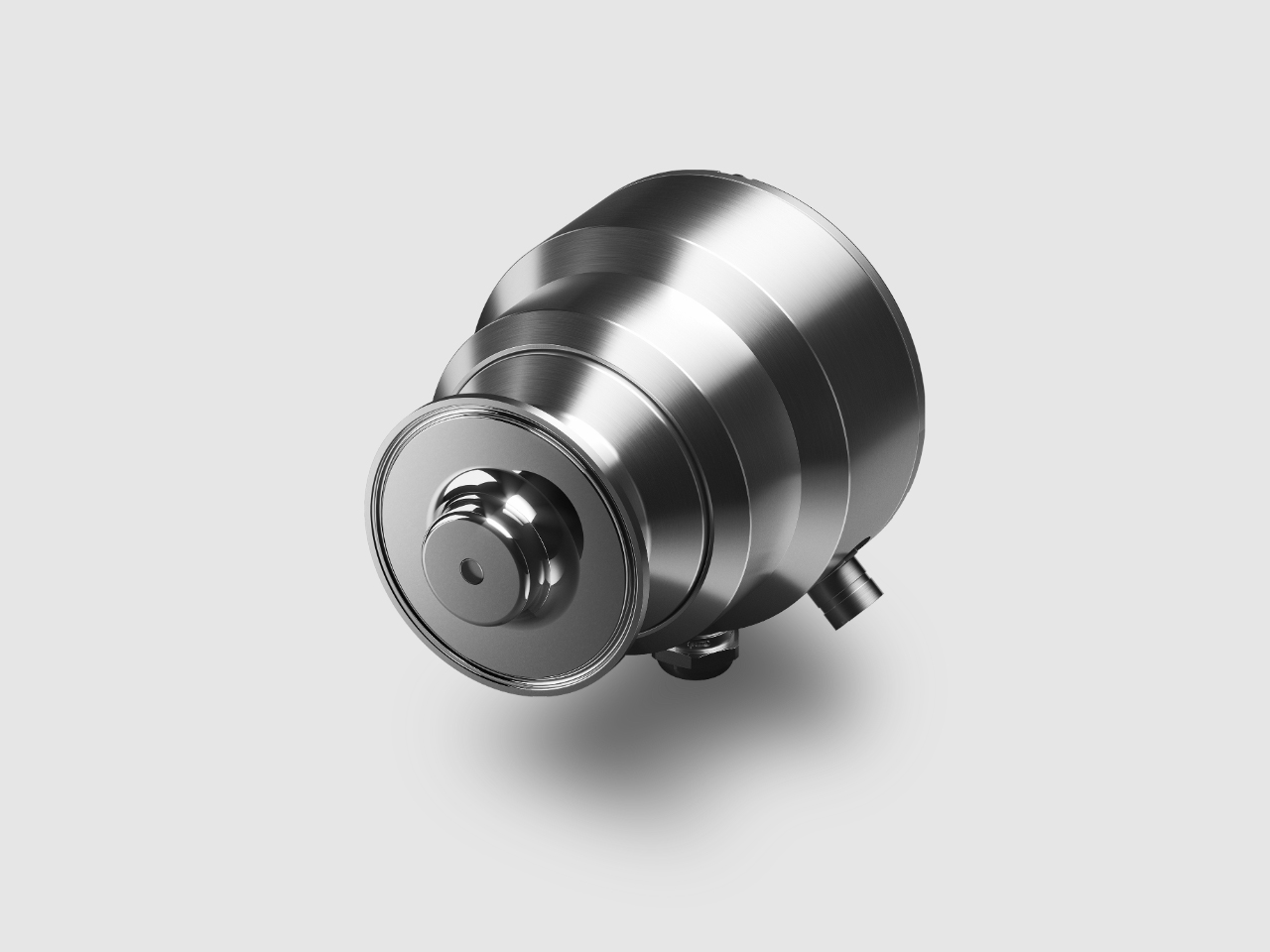
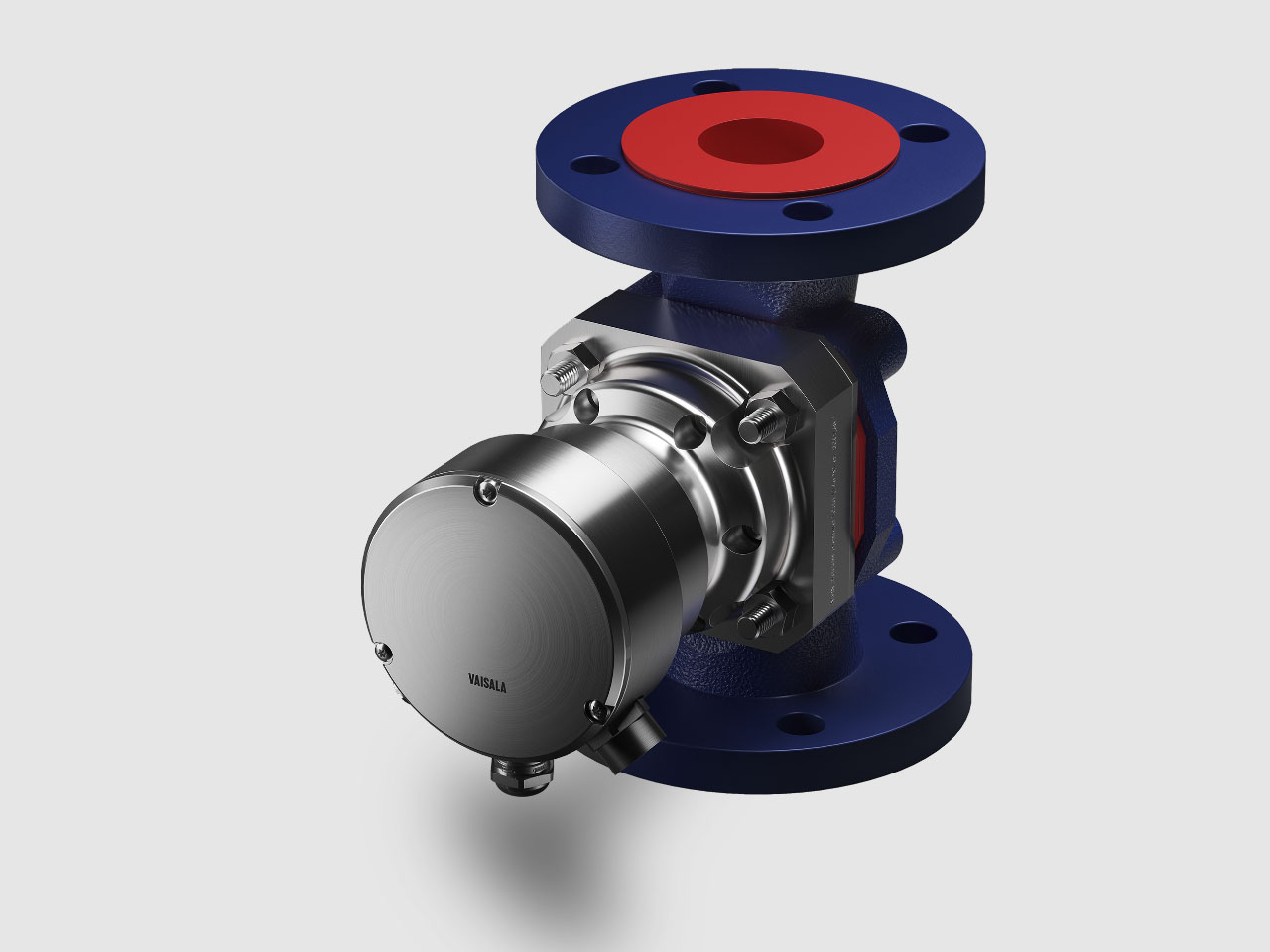
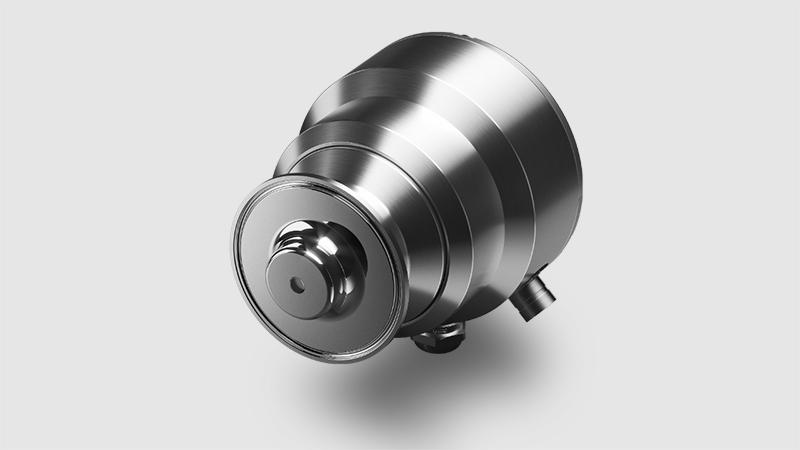
The ability to continuously monitor liquid concentrations reliably and in real time has benefits along the entire production chain, from raw-material intake to final product processing and waste-stream control. The Vaisala Polaris family includes two sanitary models specifically designed for food and beverage applications: the compact Vaisala Polaris™ PR53AC process refractometer and the long-probe Vaisala Polaris™ PR53AP process refractometer.

The PR53AC is designed for food, beverage, dairy, and brewery industry customers to measure liquid concentrations such as Brix, sucrose, gelatin and hydrogen peroxide in pipelines. It comes with 3-A and EHEDG certifications, guaranteeing that all hygiene demands are met and the product is safe to use in food and beverage processing. 
 

The right chemical formula for fast, accurate, safe measurement  

Any industrial application where chemicals are involved demands a great deal from measurement equipment. Aggressive, toxic, and corrosive chemicals often combined with high temperatures make for a highly challenging environment, while carefully balanced processes cannot tolerate contamination caused by measurement equipment materials. 

The ability to measure concentrations of acids, alkalis, alcohols, hydrocarbons, solvents, and other solutions directly in pipelines and tanks during production and transport improves safety and means valuable process data can be gathered instantly instead of waiting on the results of laboratory samples.

For chemical manufacturing, petrochemical processing, and other industries where toxic and corrosive solutions are commonplace, the Vaisala Polaris family includes the Vaisala Polaris™ PR53GC, Vaisala Polaris™ PR53GP and Vaisala Polaris ™PR53M process refractometer models.

Improving safety, efficiency, and quality in wood pulp manufacturing

Just like chemical manufacturing plants, pulp mills are home to processes that use highly toxic chemicals and high temperatures and process pressures. Maintaining process efficiency and uptime are critical to profitability because shutdowns to maintain, replace, or remove measurement equipment mean lost revenue. 

Furthermore, pulp manufacturing involves liquids that vary greatly in terms of both consistency and composition. Process liquids like pulp slurry and filtrates are a mixture of inorganic cooking chemicals and dissolved organic material, which can make accurate measurement challenging.

In the brown stock washing phase, wash water and weak black liquor are separated from the pulp fibers. Washing contributes to both the overall efficiency of the mill and product quality so accurate measurement of pulp cleanliness is critical. It can help avoid excessive water and energy consumption and expense, and lead to better chemical recovery, lower bleaching costs, and improved pulp consistency.  

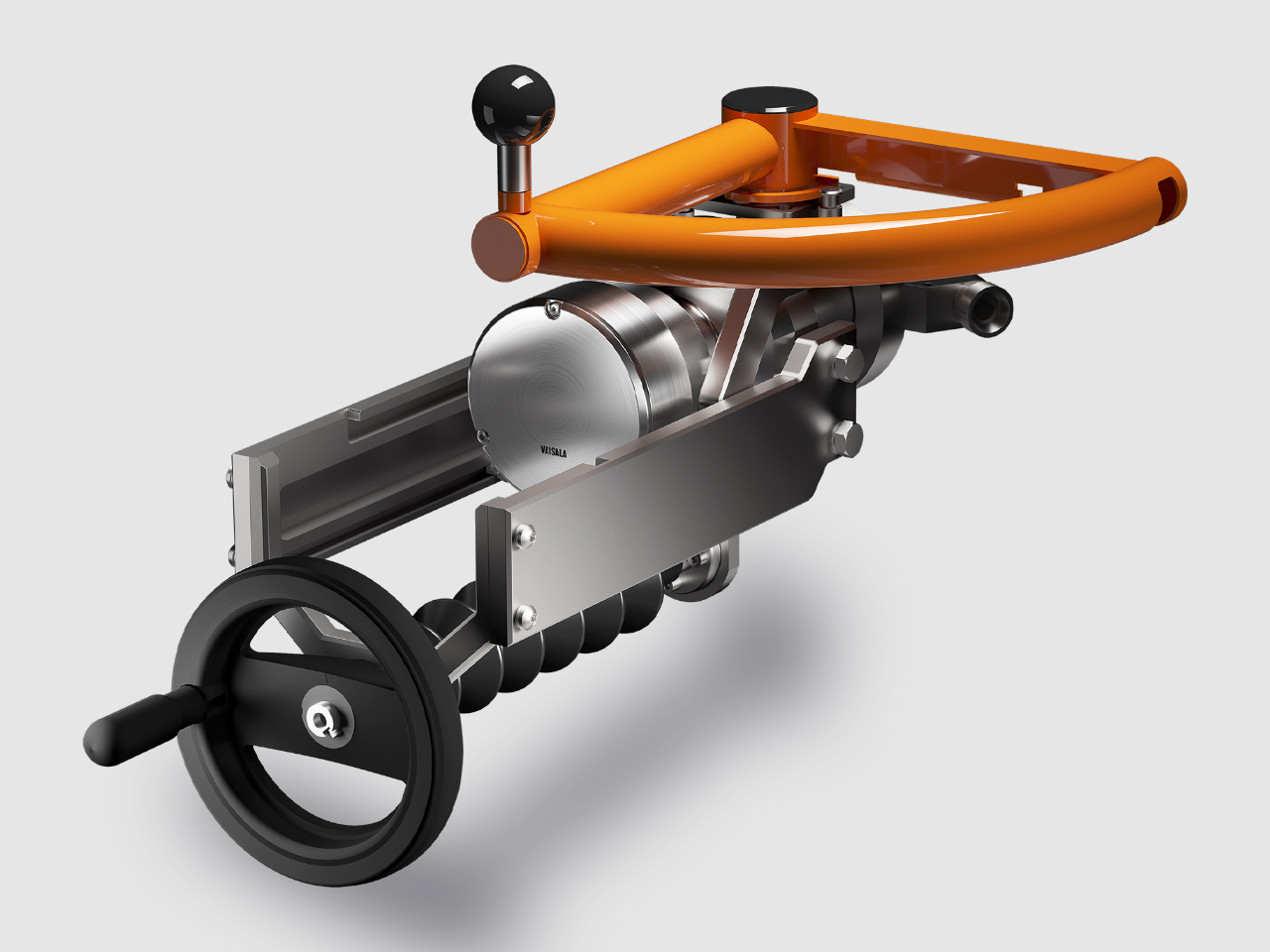
Vaisala’s answer to these challenges is the Vaisala Polaris™ PR53SD process refractometer, which is designed for measuring total dissolved solids and other concentrations in pulp mill fiber and chemical recovery lines. The SAFE-DRIVE retractor system allows the refractometer to be inserted and removed while the process is running, eliminating the need to disturb the process to take measurements.

The SAFE-DRIVE system has been developed to increase safety for operators and to withstand the extreme process conditions of pulp production, with a simple operating principle preventing inadvertent errors in use. The retractable refractometer, designed especially for green liquor applications, and the retractable wash nozzle are both unique in the market.

The refractive index measurement is sensitive to both organic and inorganic fractions in process liquids and reacts to process variations immediately, and the data gathered can be used for real-time process optimization. In black liquor applications, where liquor is concentrated for energy recovery in a boiler, total dissolved solids up to 85% can be measured directly inline regardless of liquor consistency, rapidly changing process conditions, or the presence of particles or fibers. 

The Vaisala Polaris PR53SD is available with a choice of field-proven wash systems to enable reliable measurement in fiber line, brown stock washing, evaporation, black liquor firing, slaker, and lime operations. 

A sweeter deal for sugar and sweetener manufacturing

In sugar and sweetener manufacturing accurate liquid concentration measurement has a critical role to play in enhancing the energy efficiency of the manufacturing process and the quality of the final product. High ambient and process temperatures are common in these processes, meaning measurement equipment needs to be robust enough to withstand the conditions.

The Vaisala Polaris PR53GP and Vaisala Polaris PR53AP process refractometers are an ideal choice for these applications. They include a special vertical detection algorithm for sugar crystallization to enable accurate mother liquor concentration measurements during crystallization strikes, especially when crystals are forming, and offer the full measurement range from 0–100 Brix. 

The Vaisala Polaris PR53GP and Vaisala Polaris PR53AP enable reliable concentration control via accurate Brix, total concentration, and supersaturation measurement in starch sweetener and sugar substitute manufacturing, including glucose (dextrose), fructose glucose syrup, corn syrup, and sorbitol.  

Explore all Vaisala Polaris process refractometers
Related products
Book a demo - learn more of process refractometers

Book a Polaris demo

Interested to lean what Vaisala Polaris process refractometers are capable of?


Comment

David DiCorpo

Mar 15, 2023
Great to see the evolution of the safe-drive system. This new version enhances the safety factor for operators.

Add new comment

Robust measurement technology for improved production and storage of powdered and liquid chemicals

Biologist Works with Samples in Isolation Glove Box
Industrial Measurements

Accurate relative humidity and temperature measurement plays a critical role in the production and storage of chemicals in liquid and powdered form. The measurement instruments used in these processes must be able to cope with harsh conditions including high temperatures. When selecting your measurement technology, as well as reliability and accuracy it is also important to consider the lifetime cost and available installation options. 

Improve the efficiency of chemical drying

Drying processes like vacuum drying, commonly used in chemical processing industries, require accurate relative humidity and temperature measurement to operate energy efficiently. These kinds of processes are challenging because of the high temperatures and harsh chemicals involved, so the measurement technologies used must be robust enough to operate reliably in these conditions. 

Vaisala’s offering includes pressure-tight humidity and dew point instruments that are built to withstand high temperatures, providing stable, drift-free measurement. Instruments with Vaisala HUMICAP® and DRYCAP® technologies also include a chemical purge feature. This feature is useful when the sensor is exposed to solvents and vapors that may enter the polymer and change the sensor’s electrical properties. This manifests itself to the user as sensor drift. Chemical purge restores proper sensor performance by rapidly heating the humidity sensor, driving off any gas molecules that occupy the sensor’s polymer. Chemical purge can be initiated manually, or it can be set to run automatically at user defined intervals. For more information on the chemical purge feature, read this scientific paper.
 

Secure end-product quality through optimal storage conditions

The longer a chemical product is stored, the more important it is to ensure the storage conditions are optimal. Accurate and reliable humidity and temperature monitoring in chemical storage facilities is vital for safety reasons and to secure end-product quality. Many chemicals are sensitive to humidity – for example, some chemicals may react with water, causing the release of toxic vapor or even an explosive chemical reaction. 

Non-optimal humidity can also cause some powdered chemicals to form lumps, a phenomenon known as caking, which can cause problems with transportation and usage.
To make chemical storage monitoring as easy as possible, Vaisala offers a wide range of temperature and humidity probes that can be wall mounted and include an exchangeable probe to make maintenance quick and easy. 
 

Ensure safe use of glove boxes, reaction chambers, and vacuum chambers 

Humidity and temperature monitoring also help to increase safety when handling chemicals that are moisture or temperature reactive, either in glove boxes or when processing them in reaction chambers or vacuum chambers. For example, instruments with Vaisala DRYCAP® technology can be used in glove boxes to monitor and control the conditions inside the box. These instruments offer long-term stability, fast response times, and include a chemical purge feature to ensure they maintain high accuracy.

Easy data storage and access with cloud-based technology


Easy data storage and access with cloud-based technology

Humidity and temperature measurements performed with Vaisala probes can be conveniently stored and accessed using the Vaisala Jade Smart Cloud system. The system allows you to log data, store it real-time, and access it from any location using a mobile device.

The key benefits of the system include:

  • Scalability: As a modular system, Jade Smart Cloud can be scaled easily for a variety of purposes. Users can simply set up as many loggers and access points as they need and add more as their needs change. 
  • Cloud storage: All data collected is stored in the cloud, meaning there’s no need to worry about IT infrastructure, security, system maintenance, or setting aside server space for data storage.
  • Extremely good radio connectivity: Jade Smart Cloud’s wireless connectivity is based on LoRa radio technology, which is already widely respected. Vaisala has pushed it even further with modified features to ensure that it meets our customers’ most demanding requirements.
  • Regular firmware updates: Jade Smart Cloud’s software updates automatically, with no action needed from the end user as the new firmware version is installed directly onto the local system from the cloud.
  • Vaisala HUMICAP® sensors: Because the system uses proven HUMICAP sensors, it provides extremely stable and high-quality measurements.

Learn more about the Jade Smart Cloud system.

Contact us


Save costs and energy, and improve process control with accurate measurement of liquid chemical concentration

The concentration of liquid chemicals may change several times during processing. Typical processes include the following:

  • Mixing/blending/reaction: The objective of the reaction process, where ingredients are continuously mixed in a series of static mixers, is to achieve the final required value of a product. An example application is detergent blending.
  • Filtration/separation: Filtration is used to separate undissolved particles from a liquid, beginning with coarse filtration using separators, decanters, or settling tanks and ending with final polishing. The efficiency of the filtration process impacts the overall productivity. An example application is pure water treatment with chemical precipitation.
  • Verification/quality control: Controlling a product’s composition helps to ensure high-performance materials with exactly the right properties. Maintaining consistent quality can lead to substantial savings. Precise product concentrations also minimize the need for further treatment. An example application is product quality control in the polymerization process.
  • Distillation/dilution: Distillation is used to separate alcohol from a fermented product and to separate different alcohols – such as methanol, ethanol, and propanol – from each other. Many concentrated chemicals also need to be diluted before use. The dilution process can be monitored in the tank or in a circulation line. Concentration measurement is a vital tool when performing dilution. An example application is the autoxidation process in hydrogen peroxide production.
  • Product identification: For safety reasons and to avoid cross-contamination, it is critical to ensure that the right chemical is fed to the right tank during loading, unloading, or custody transfer. In-line Vaisala process refractometer differentiates chemicals in liquid form based on their distinctive refractive index. An example application is the chemical interface identification in loading/ unloading operation. 
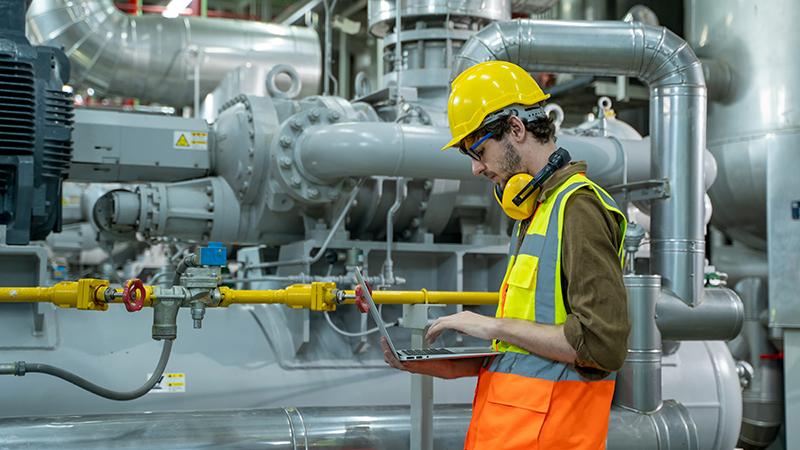
Engineer using laptop computer working in thermal power plant


The in-line process refractometer can be used to provide real-time measurements of liquid concentration in all these processes. The technology eliminates the need for time-consuming manual sampling and the risk of measurement drift due to, for example, turbulence. The technology is low maintenance, with no moving parts that require regular replacement, meaning it has a low cost of ownership compared to density meters.
Learn more by watching our webinar: All you need to know about in-line liquid concentration and density measurement.

Furthermore, the in-line process refractometers can withstand corrosive chemicals and high temperatures thanks to their digital measurement principle, and measurements are not affected by air bubbles or the color of the liquid being measured. If needed, a wash system can also be included to keep the prism clean, thereby ensuring accurate measurement.

Discover the technology behind the Vaisala HUMICAP® and DRYCAP® technologies used in Vaisala’s humidity probes, and learn more about Vaisala in-line process refractometers.

Density measuring process

All you need to know about in-line liquid concentration and density measurement

In this webinar, we discuss the benefits and limitations of density and liquid concentration measurement using the in-line Vaisala process refractometer. Application examples presented in the webinar include examples from chemical industry, sugar refining, pulp and food industry.
 

Bubbles in Chemical

Measure moisture and liquid concentration

Learn more about the robust technology for ensuring safety and quality of powdered and liquid chemicals during production and storage:

  • relative humidity and temperature and dew point sensors and transmitters
  • in-line digital process refractometers 

Add new comment

Perfecting solvent swap processes with refractive index trend data

Profile picture for user janice.bennett
Submitted by janice.bennett on
Inline process refractometer installation
Industrial Manufacturing and Processes
Life Science
Liquid Measurements

This blog is first in a three-part series on how in-line process refractometers can optimize API processes.

The creation of Active Pharmaceutical Ingredients (APIs) is a critical part of pharmaceutical production. API formulation typically begins with loading chemicals into a reactor where chemical bonds are broken, and new bonds formed. After reaction, the active ingredient is separated through downstream purification steps, such as centrifugation and filtration. Typically, the API is recovered as a solid from the liquid phase and the solvent used is recovered in dedicated solvent recovery units.  Solvent recovery is important in the pharmaceutical industry because it helps to reduce costs and environmental impact. The final API solid is then dried before it can be used as an intermediate or to formulate the final drug product.

Developing and optimizing pharmaceutical manufacturing processes can be a complex and lengthy process, taking several years to complete. In order to streamline these processes and bring drugs to market faster, it is important for pharmaceutical companies to focus on creating efficient processes that are scalable and reproducible at a commercial scale. The implementation of the FDA’s Process Analytical Technology (PAT) framework, including the use of in-line measurement instrumentation, offers a valuable opportunity for pharmaceutical process development and scale-up through the collection and analysis of data for process understanding, design and optimization. PAT tools help to ensure quality is integrated into the design and that processes produce products of consistent quality that meet the required specifications. 

Using refractive index as part of PAT

Refractive index (RI) has proven to be a useful Process Analytical Technology (PAT) tool for the development, design, and continuous optimization of API manufacturing processes. Continuous, in-line measurement of RI provides data and process insight that aids in understanding and designing different manufacturing steps. The data allows for the creation of process profiles that can be used for detecting deviations and ensuring process equivalence. The Vaisala refractometer provides trend data with the high reliability and reproducibility required in pharma manufacturing. Refractive index measurements are not affected by the presence of gas bubbles, solid particles, or color of the liquid. These features of refractive index make it ideal for many applications in the API manufacturing process.  

Refractive index is a fundamental physical property of liquids and is generally not dependent on the quantity of the sample measured. This simplifies scaling up processes from lab to pilot, and then to full scale production.  

Trend data is obtained in real time and can be compared to the design process profile obtained by RI, which determines process equivalence and aids in evaluating and determining other critical process parameters, tolerances, and optimal operating conditions. Furthermore, process profiles from RI data have aid in identifying problems during scale-up and for continuous optimization of existing processes. 

Optimizing solvent swap

Solvent swap, a common step in API production, aims to replace the original solvent from reaction, with a solvent more suitable for the next processing step. Solvent swap is typically done by distillation. During distillation, RI measurements are used to monitor top (post-condenser) and bottom product liquid concentrations, e.g., to ensure the correct concentration of API or solvent is obtained, to identify the right point for more solvent addition, and to reduce overall solvent consumption. During process development, RI can also be used to obtain important data for design such as vapor–liquid equilibrium (VLE) data. 

In-line measurements are also useful to identify problems in the process. For example, in one customer case, trend data from the Vaisala refractometer was used during process scale-up to establish process equivalence from two facilities (one in US and one in Europe) and the lab process profile. Thanks to the in-line data from the refractometer, this customer discovered that the US plant was not behaving as designed and required an additional swap step to achieve the same purity achieved in the design in the lab and the EU pilot facility. In this case, the RI trend data was an invaluable troubleshooting tool that helped ensure they could achieve optimal operating conditions in all facilities. 

By using refractive index measurements, our customer identified deviations from lab to pilot. They were then able to take immediate corrective actions, which led to savings in solvent consumption and increased product yield. The customer had used refractive index measurements from early stage in the laboratory in order to study the mixture, obtain VLE data and a process profile, and to design the swap process. Scaling up from lab to pilot was simplified by in-line refractive index measurements.

Refractive index measurements are a powerful PAT tool for the design, monitoring, and optimization of solvent swap processes, as well as a valuable trending tool for process insight and troubleshooting.  
 

Vaisala Polaris PR53AC

BLOG: A deep-dive into the technology of liquid concentration measurements with refractive index

Vaisala Polaris family

Polaris inline process refractometers

Learn more about refractive index in solvent swap processes

Download our application note on how to use refractive index measurements to optimize and troubleshoot solvent swap processes. The note gives an overview of refractive index technology and includes recommended installation points for best performance.
Get PDF

Add new comment

How to measure crucial process parameters for efficient spray drying

Submitted by Anonymous (not verified) on
Woman pouring protein powder into a cup
Industrial Measurements
Liquid Measurements

Spray drying is a common sight in the manufacture of dairy products like whey protein concentrate (WPC) and lactose as well as in pharmaceutical manufacturing. The process creates dry powder from a liquid or slurry in a single step by quickly drying it using hot gas. Stable and accurate measurements of humidity, total solids (TS), and temperature, can help you make big savings in energy consumption and costs without compromising end-product quality.

Monitoring the right parameters is critical 

Spray drying is used in a variety of different industrial production processes to:
•    increase product shelf life
•    make products easier to handle during packaging, transportation, and storage
•    prevent microbial growth 
•    ensure product quality
•    save energy
•    increase yields

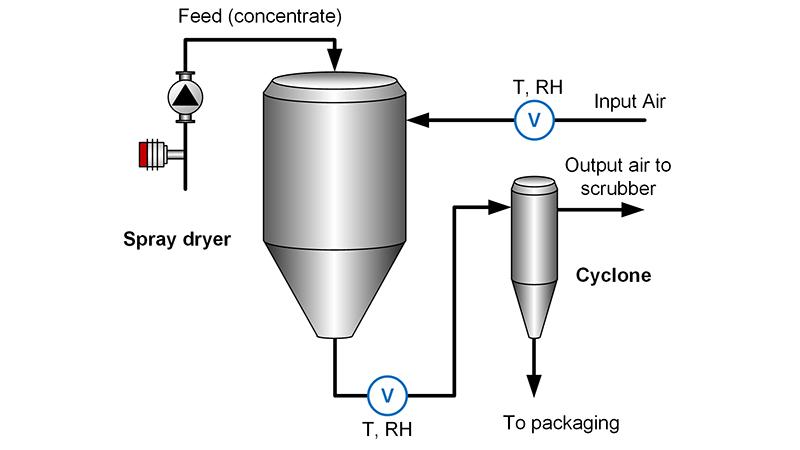
To optimize your spray drying process there are a few key process-critical parameters to keep an eye on: the soluble solid content of the feed to the dryer (typically measured in Brix or total solids (TS) and the inlet and outlet air humidity and temperature. 

Spray dryer process

Image: Accurate Relative humidity (RH), temperature (T) and the feed line Total solids (TS) measurements are critical for ensuring efficient spray drying

Spray drying monitoring using stable, reliable, and accurate measurement instruments will ensure that your product is dried sufficiently to avoid microbial growth – which is particularly important with food products – but not overdried, which can negatively impact product quality and result in excessive energy consumption and costs. With energy costs currently skyrocketing, ensuring efficiency is at the top of everyone’s agenda.

Optimizing processes with accurate Brix and TS measurements

Manufacturers can improve productivity by automating and optimizing their processes using in-line Brix and total solids (TS) measurement provided by the Vaisala K-PATENTS Sanitary Refractometer PR-43-AC

For example, in whey protein and lactose production – important food supplements that are commonly concentrated and preserved as powder – reliable, accurate in-line concentration measurement helps to control and adjust concentration levels after ultrafiltration and at
the evaporator inlet. Precise concentration measurement from the evaporator outlet helps to optimize energy consumption and ensures the correct feed product concentration to the spray dryer or crystallizer. 

In yeast production, where spray drying is used to dry the yeast extract to a fine powder or granulated particles, in-line concentration measurement can be used to control dilution of molasses at the initial stage, control fermentation progress, and measure the concentration of yeast extract to ensure the target dry solids level is achieved. 

Technician at a food processing plant


Save energy and costs with accurate humidity and temperature measurement

As well as spray drying, humidity measurements are a key factor in optimizing a variety of other high temperature drying processes, including fluid bed drying and baking. When spray drying whey Vaisala’s humidity and temperature probes can be used to measure humidity and temperature in the dryer’s inlet and outlet air.

The inlet air humidity data is used to control the process, while the outlet air humidity data correlates with the moisture content of the powder. This means it can be used as an indicator of the final product quality. Finding the perfect balance saves time and energy by avoiding overdrying.

If you want to see for yourself how accurate humidity measurements can help you increase energy efficiency and improve quality and yields in your process, try our interactive drying simulator.
 

Protein shake powders

Optimizing drying operations

Manufacture of cereals, drying of masses and bakery – humidity is a decisive factor in these and in many other food applications.
Best practices for food ingredients processing

Best practices for food ingredients processing

Processing of functional and nutritional food ingredients plays a decisive role in the final product's safety, quality, and shelf-life. In this eBook, we have compiled the best practices for efficient, sustainable, and safe processing of food ingredients.
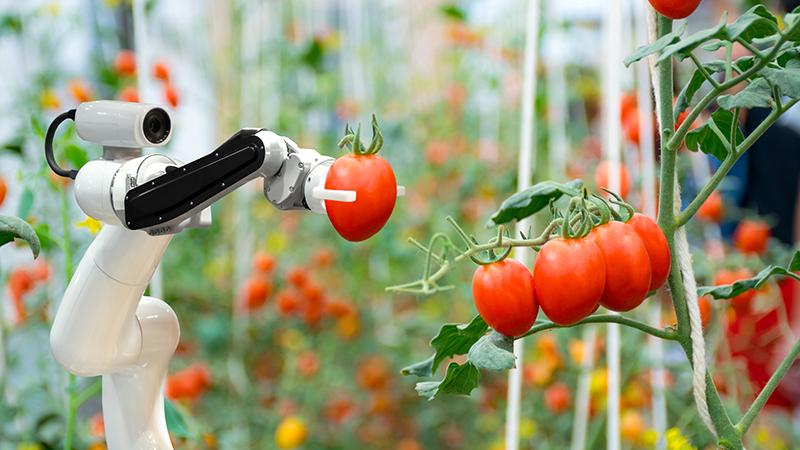
Robot in a tomato greenhouse

The Food Science eBook

Interested to learn how technology benefits each stage of food production, logistics, and storage? Download Vaisala's Food Science eBook and learn how food chain efficiency and sustainability can be substantially improved with the help of measurement technology.

A man in a greenhouse

Food, beverage and agriculture

A healthy helping of science in every bite. The food and beverage industry is in the transformation towards a more sustainable future. For better-informed decisions, reliable measurement data is needed.

Add new comment

The future of food and the role of measurement technology in it

Submitted by Anonymous (not verified) on
Mango farmer

Improving the future of food with a bite of science

What’s for dinner tonight? We all spend time each day thinking about food even when we’re not eating – food is something that gives pleasure as much as it’s a necessity that we cannot live without. Food impacts our health, wellbeing, finances, and environment, so it’s essential that the methods we use to grow, manufacture, transport, and store it are as efficient, sustainable, and safe as possible. How can we do this? With a dash of science and a whole lot of measurement technology.

Woman choosing a mango at supermarket


Turning measurements into cake

Even when we’re baking at home, we can see the importance of measurement – if we want a cake with a light, fluffy texture and the perfect taste we need the correct ratio of sugar, flour, butter, and eggs. Then we need to know that our oven is baking at the temperature we set it to and that our ingredients have been stored in the right conditions. Without this, the cake will not taste like we hope or expect. The same is true of industrial kitchens, just on a much bigger scale – manufacturers need their products to be consistent, high quality, tasty, and safe, and they need to optimize their costs so we can afford the food they’re making. This is something that can only be done with accurate and reliable measurement data. 

Family baking in the kitchen


Measurement technology for a healthy harvest

This need for measurement technology extends to how our food is grown and how products are processed, transported, and stored before they reach the shops. Without accurate and reliable sensor technology, monitoring parameters such as temperature, humidity, and carbon dioxide concentrations, yields will be small and products will spoil. In modern greenhouses and vertical farms the environment is strictly controlled to achieve the perfect growth conditions, meaning more crops can be grown with fewer resources. The more you measure, the more you can control – and the more efficiently you can use the resources you have to grow more and better food. Once ready, the perfect storage and transportation conditions keep food fresh for longer, reducing waste and maximizing taste and nutritional value. It has been said that “you get what you measure” – this is certainly true in the food and beverage industry!

Increasing the sustainability of our food

In order to reduce the carbon footprint of our food it’s essential that food and beverage manufacturers develop their processes to increase energy efficiency and to optimize the use of other resources such as key ingredients and water. Waste can be turned into value by converting it into biogas or biomethane that can be used to generate heat and electricity – a fantastic example of the circular economy. This is only possible with reliable measurement data to help manufacturers make the right process decisions while monitoring consistency, quality, and safety. 

In the future we need to go even further to make our food more sustainable – and the technology is already there to help us do this. Most agricultural food currently produced is grown to feed animals, making the environmental footprint of meat substantial. Plant-based burgers, for example, are far more sustainable, healthier, and ethical than animal-based alternatives and their development is the result of a lot of research. 

For even more sustainability gains we need more data, more measurements, and more science. For example, agricultural soil stores a lot of carbon dioxide and farming releases that carbon into the atmosphere. Previously it has been difficult to detect, but now we have measurement technology that can track and measure which farming practices allow us to retain the most carbon in the soil – and perhaps sequester even more. Finding these methods demands data, and this data comes from, you guessed it, measurement. 

A man checking the conditions in a greenhouse


The beginning of the microbe megatrend

Another rising trend will be the use of microbes in food production  We will be able to take agricultural waste and make food out of it, or even capture carbon dioxide from the air and make food out of that, using microbes in fermentation tanks. This will be a whole new industry that will need even more measurement technology – but in reality, it’s simply another application of the same technology we’re using in the brewing industry today. Looking even further into the future we may be able to make eggs without chickens, dairy proteins without cows, and new fats which make plant-based food even more juicy and delicious. 

Increasing the resilience of food production

Innovation will also be needed to make food production more resilient to severe weather phenomena and other issues that are a direct result of climate change. New measurement technologies will also be needed, and they may come from an unexpected source – space research. Scientists are looking at measurement data from the moon and Mars to figure out how to produce food for astronauts if a research station is established in space. If we can solve the puzzle of how to produce food in harsh environments like this we can use that information to help us produce food in a more resilient and sustainable way on Earth, in our changing climatic conditions. 

Mango dessert


We are what we eat – but what should that be?

In the future, the focus of measurement technology may expand to helping us eat the right foods at the right time. Measurement data could reveal our personal nutritional needs and help identify the right foods to eat to meet them, so we can make better decisions about what we put in our mouths. This kind of personalized nutrition may be the next big trend in future food. 

Measurement technology is key to the health of people and the planet, as well as to improving yields and increasing production and resource efficiency, all of which decrease the carbon footprint of our food. In the future we can use measurement technology to produce food in a smarter, more precise, and more efficient way – and in many ways, the future is already here.

How to make a juicy hamburger

The future of food webcast

To find out more about how we’re improving the future of food with measurement technology, watch our Future of Food webcast with Jutta Hakkarainen, Director, Liquid Measurements, Vaisala; Maria Uusimaa, Director, Industrial Instruments, Vaisala and Lauri Reuter, PhD. in Biotechnology.

Robot in a tomato greenhouse

The Food Science eBook

Interested to learn how technology benefits each stage of food production, logistics, and storage? Download Vaisala's Food Science eBook and learn how food chain efficiency and sustainability can be substantially improved with the help of measurement technology.

Add new comment