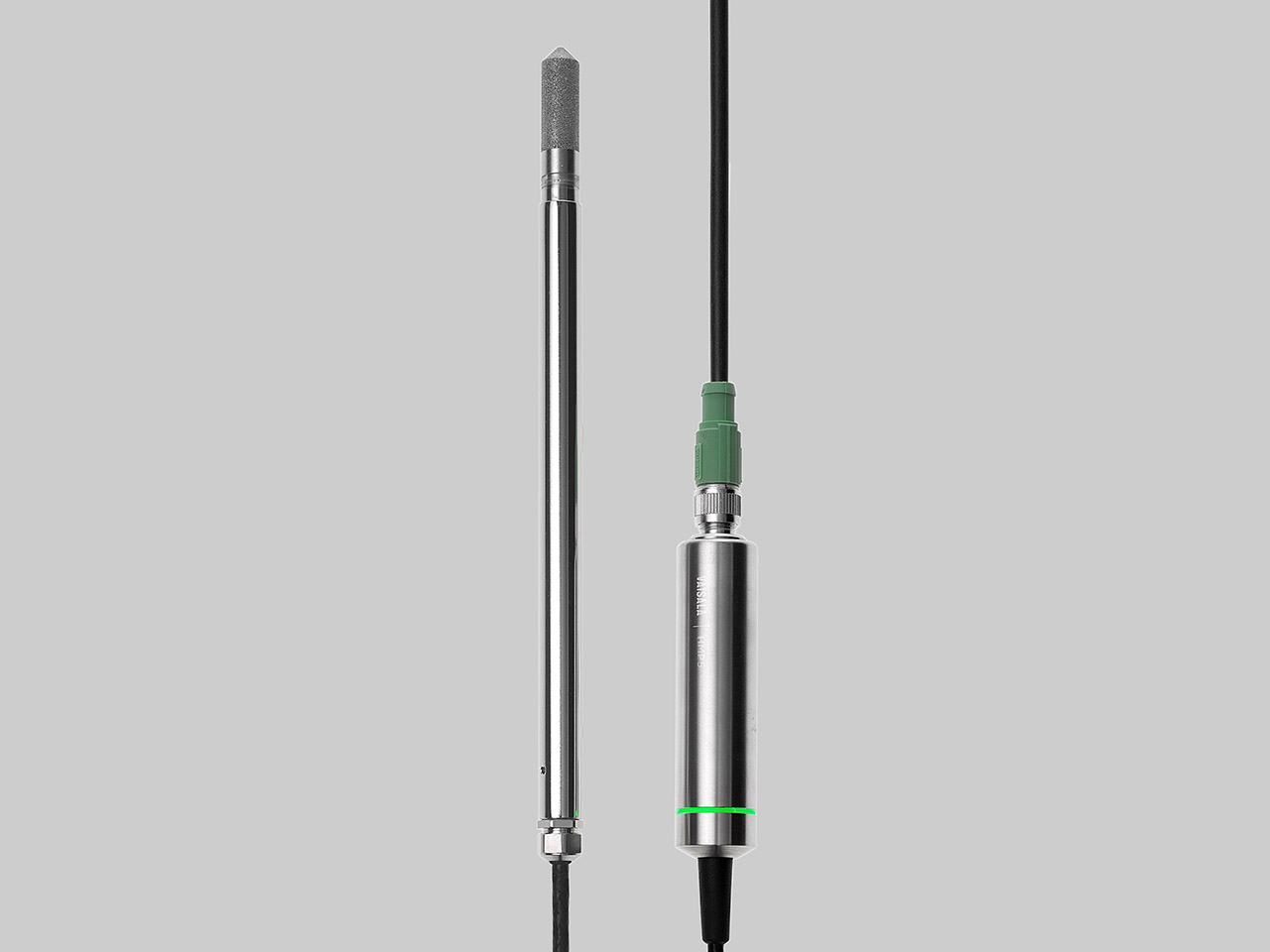
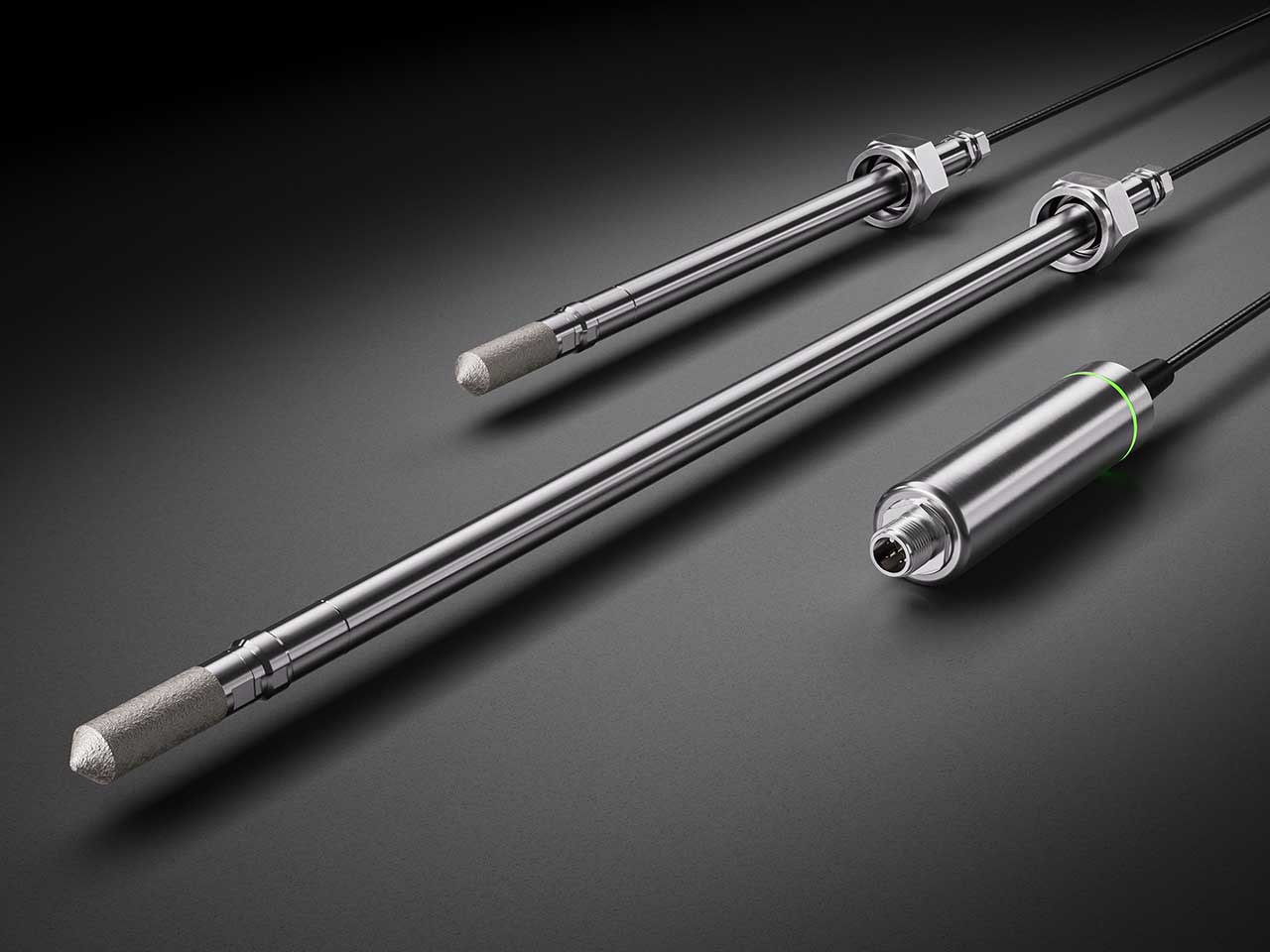
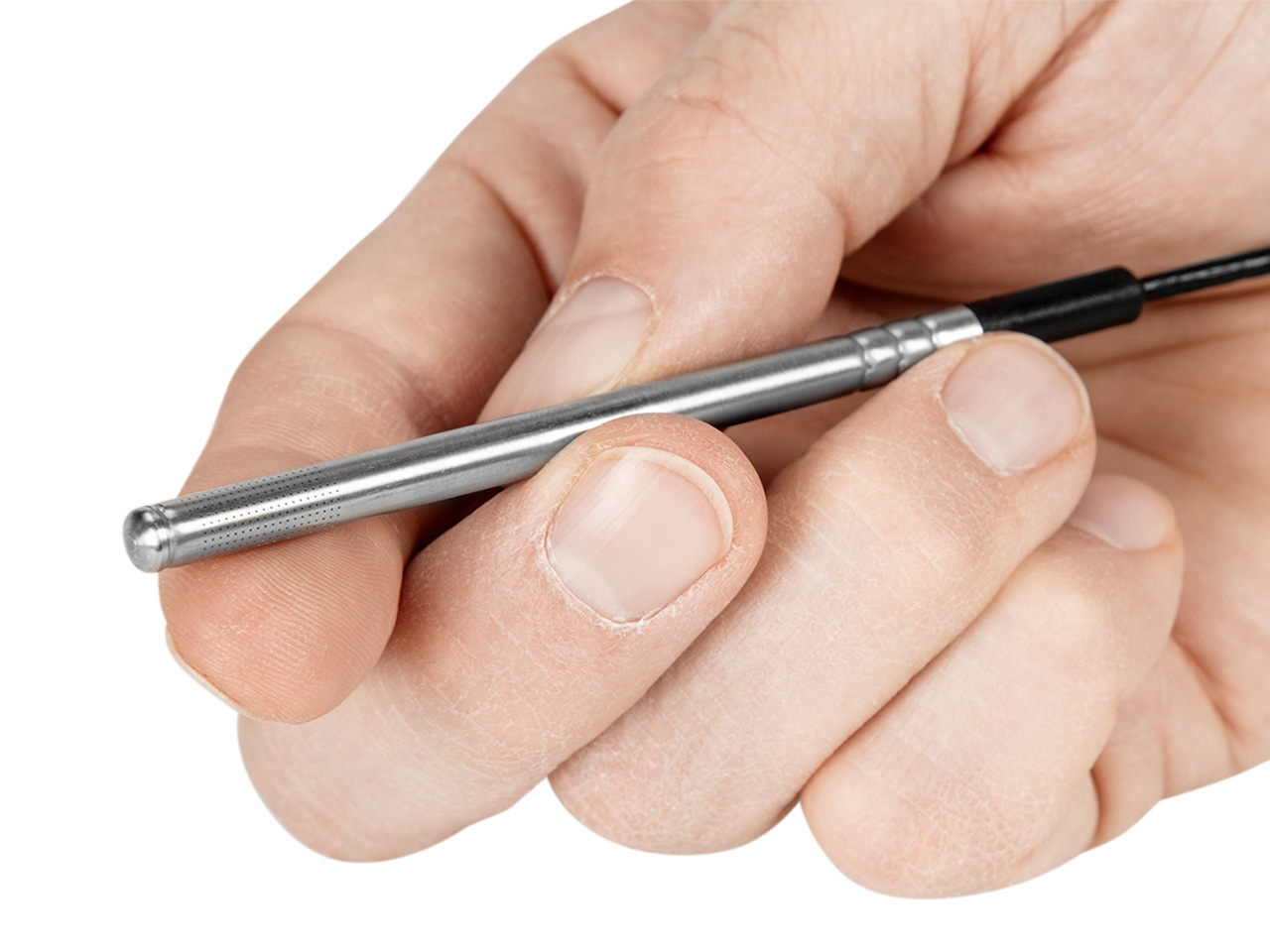
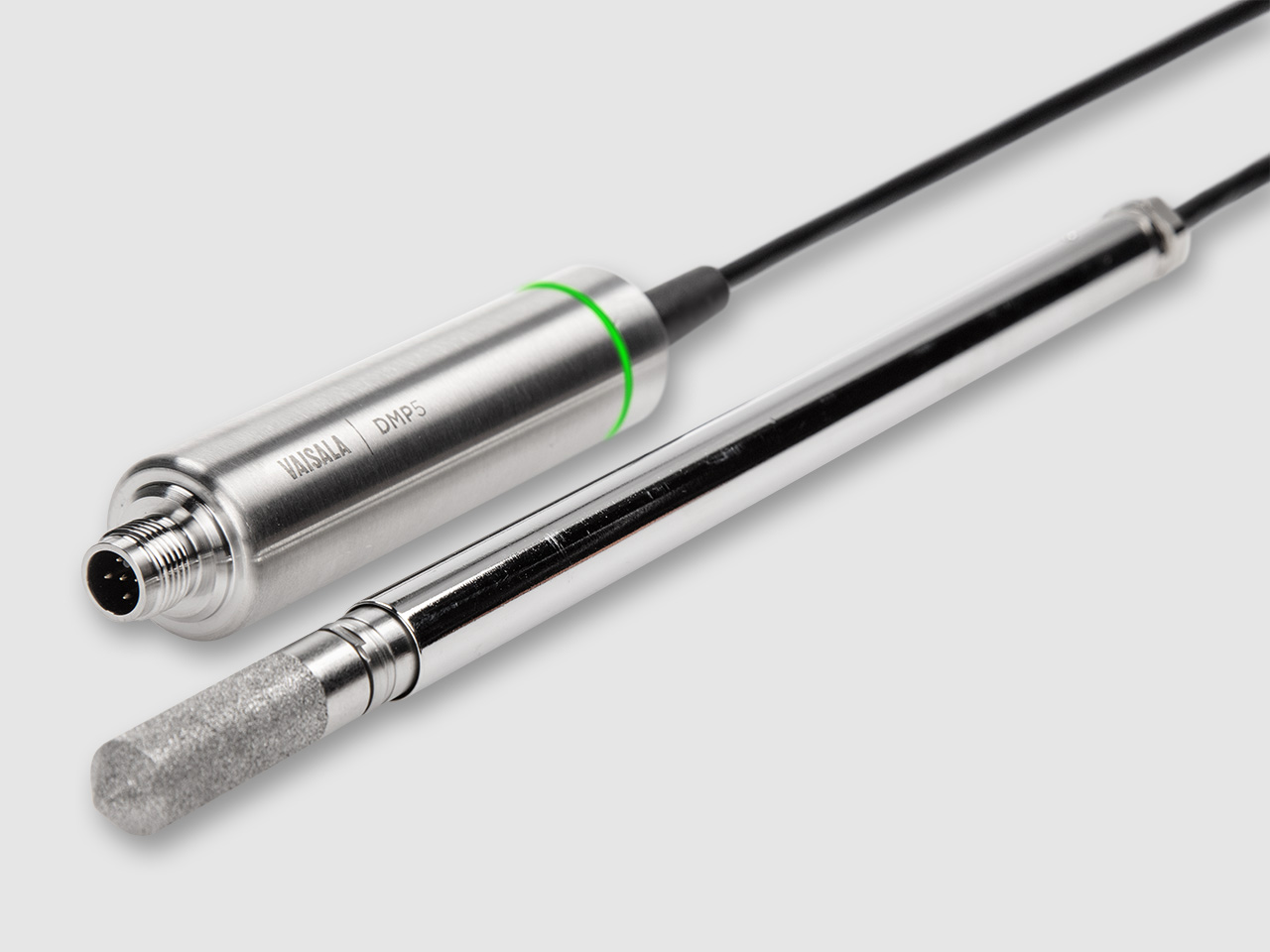


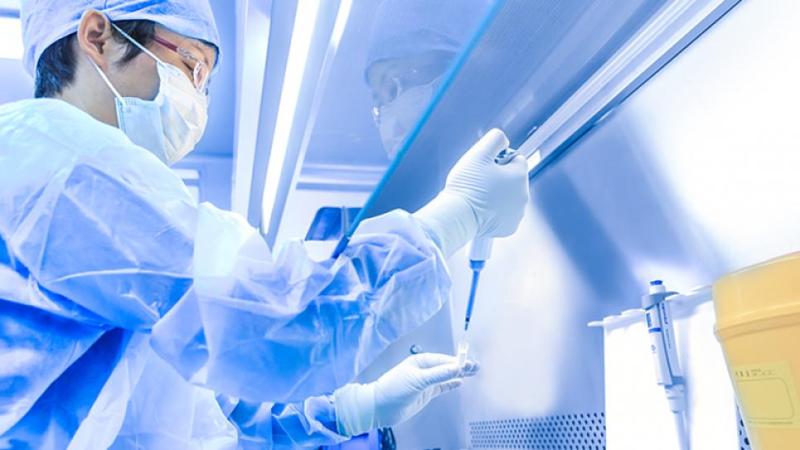
Built to survive, even outside: the Vaisala Indigo500 Series

Submitted by niina.reponen on
Outdoor applications
Industrial Manufacturing and Processes
Industrial Measurements

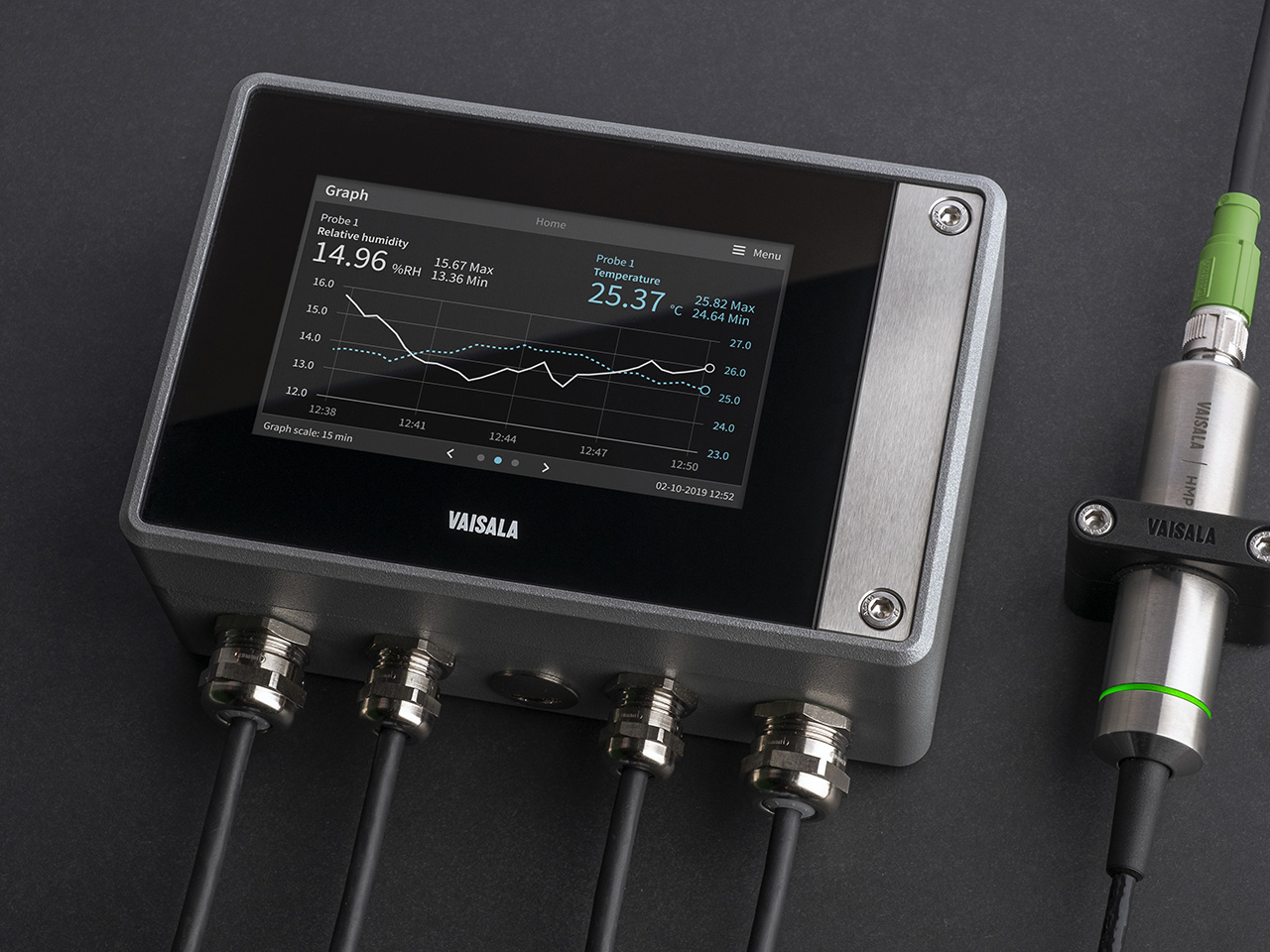
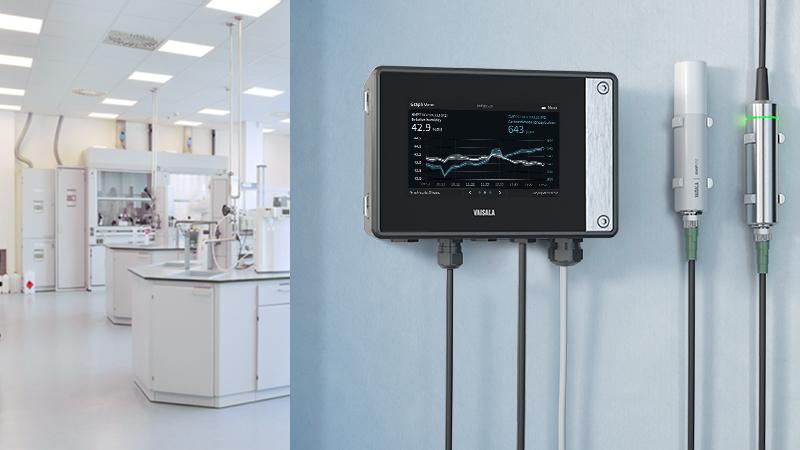
Some of our customers have applications that require measurement transmitters to be installed outside, so the Vaisala Indigo500 and its family of smart probes have been designed to be durable enough for these kinds of rough, tough conditions. For example, when measuring humidity in gas turbine intake air or in combustion air for diesel generator stations you need the measurement devices to be outdoors. There are also applications where it’s not desired, but outdoor measurement will be dictated by practical considerations.

In the majority of outdoor applications, the most important parameters to measure are usually humidity and temperature, but moisture-in-oil measurement for transformer applications is also necessarily an outdoor application. Another common outdoor application is CO2 measurement for demand control ventilation in buildings – this sort of application really benefits from the Indigo500’s ability to support multiparameter configurations as you can keep the instrument on the roof of your building and use another probe to measure relative humidity, for example.

The three major challenges of outdoor use

Instruments for outdoor use need to be robust enough to stand up to three main challenges: a wide temperature range, the weather, and solar radiation or UV. Temperature is one of the easiest parameters to validate, and the Indigo500 has been tested and validated in a climate chamber to ensure that the device can not only withstand the extremes of outdoor temperatures, they can also endure the rapid changes of dynamic, cycling temperatures.

The main challenge of weather is water ingress into the device, so we validated the Indigo500 using Ingress Protection (IP) testing, which involves exposing the unit to water sprays, ensuring the robustness of the overall mechanical construction. Another way in which water can enter the housing is as a vapor, and this has also been taken into account in the design. A breathing element on the reverse allows water vapor to stabilize between the inside and outside of the transmitter housing, preventing condensation and pressure changes inside the housing arising from the changing temperature. The latter may cause under pressure in the housing when the warm enclosure is exposed to cool water showers, which in turn increases the possibility of water ingress into the housing – a test called “tropical rain” by test engineers.

To protect against solar radiation, we chose aluminum alloy as a construction material because it withstands UV and won’t degrade. A special surface treatment provides protection from oxidation and rust build up. All these factors have been designed into the Indigo500 and validated in environmental tests throughout the R&D process to make sure it can stand up to the demands of all kinds of outdoor applications. Finally, we’ve been testing the Indigo500 outside in the field for the last two winters in southern Finland, with no problems to report despite constant damp and rainy weather.

Accurate measurements inside or out

Connecting the Indigo500 to your current systems and operations is the same process whether your application is indoors or out. Accurate measurement data can be transferred using the same system interfaces and connectivity, including analog outputs, binary contact relays, Ethernet, and local interfaces such as the touch panel display.

Although outdoor applications are not the primary use for the Indigo500, we followed strict design requirements to ensure it meets the same standards as outdoor devices. And of course, if it is tough enough for outdoor applications, it means it is also robust and dependable for indoor applications too. Wherever you use it, the Indigo500 is designed to be relied upon for dependable and accurate measurement data for many years.

Learn more about Indigo500 Series Transmitters >

Or get in touch to find out more >

Related products
Indigo520 with probe

Indigo500 Series Transmitters

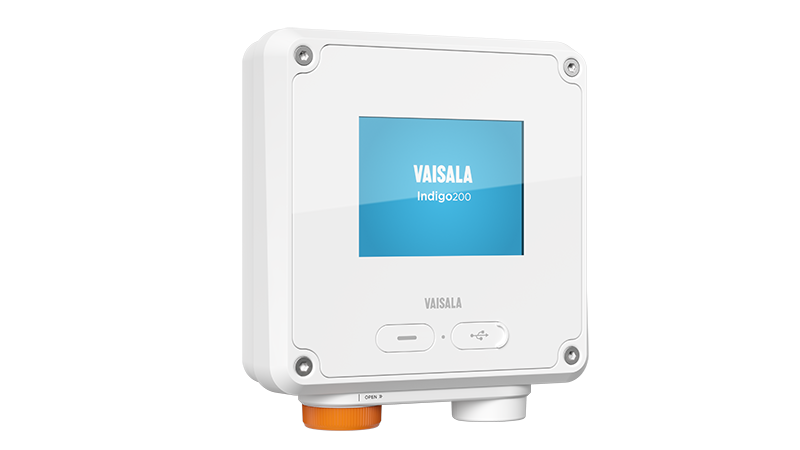
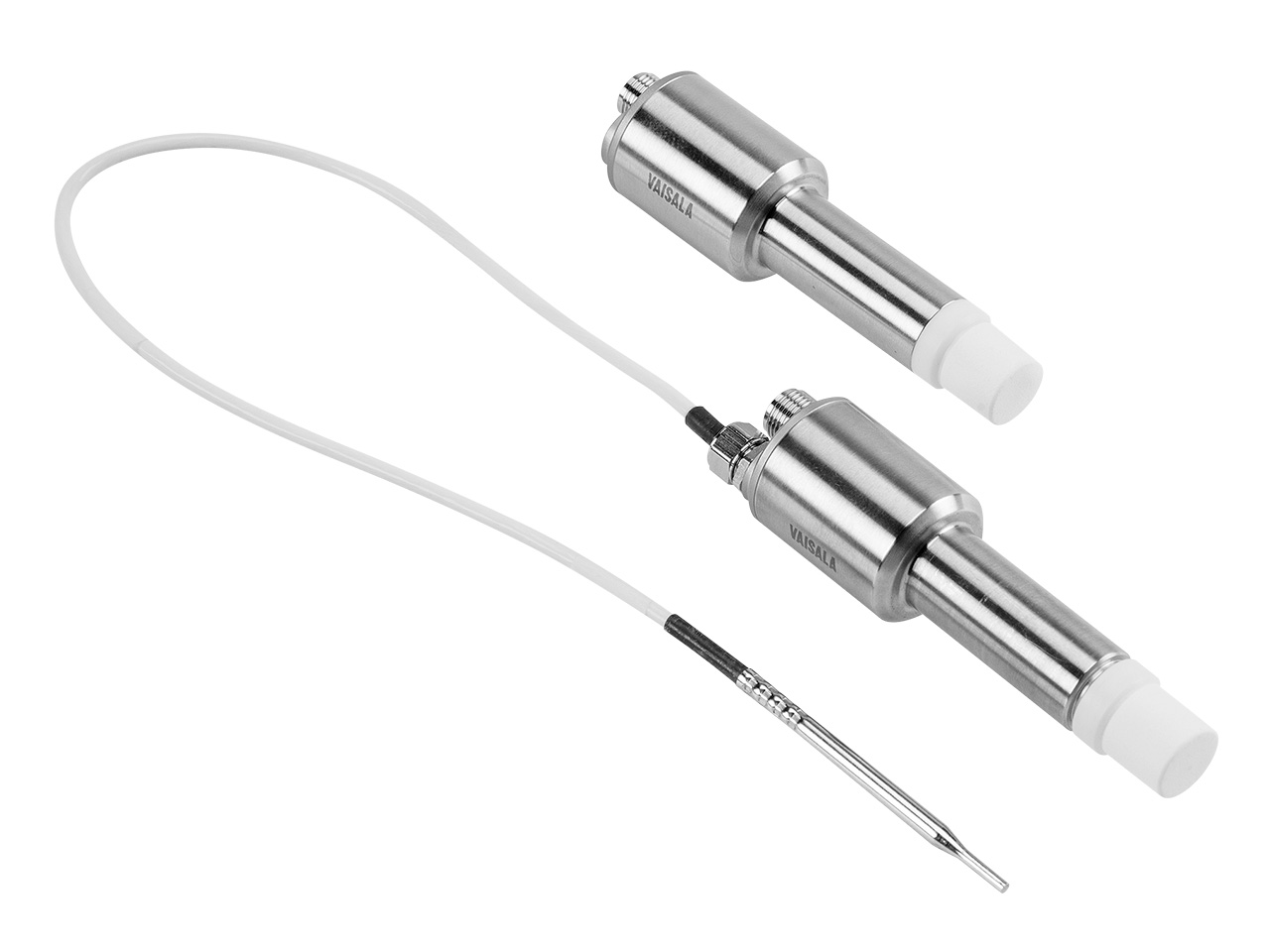
The Vaisala Indigo500 series transmitters are host devices for Vaisala Indigo-compatible, stand-alone smart probes. The Indigo500 series include multi-functional Indigo520 transmitter and Indigo510 transmitter with basic features.

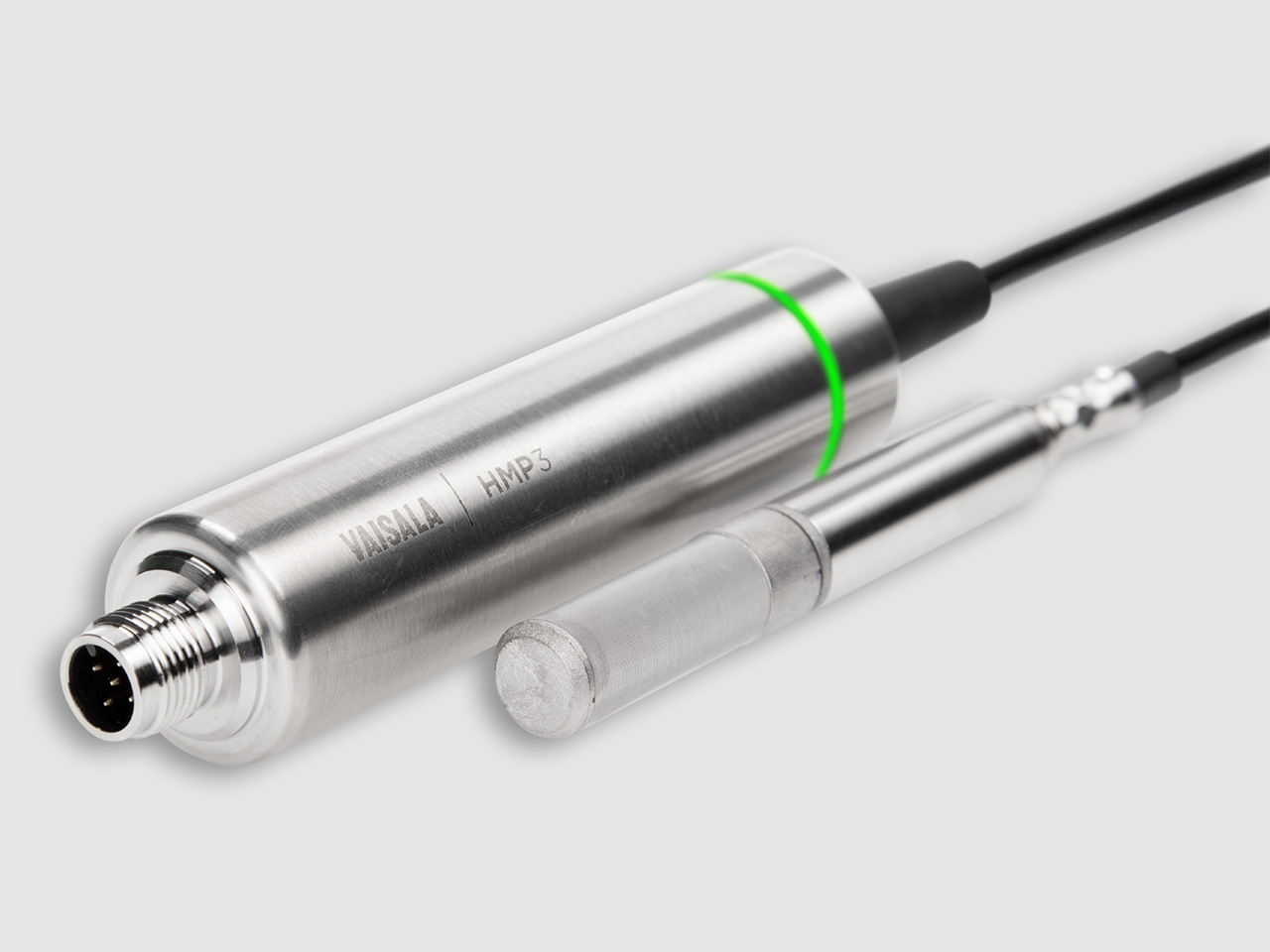
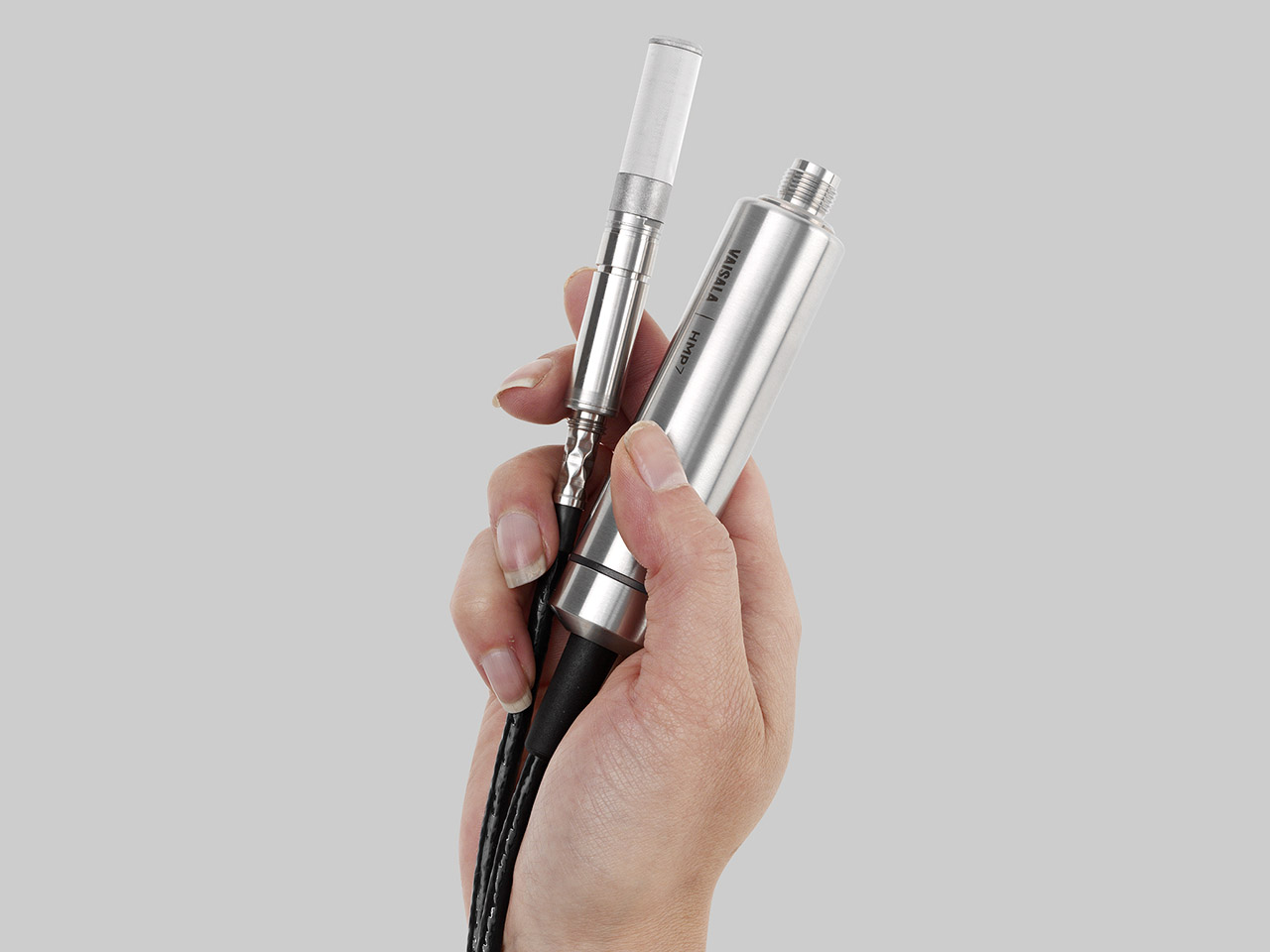
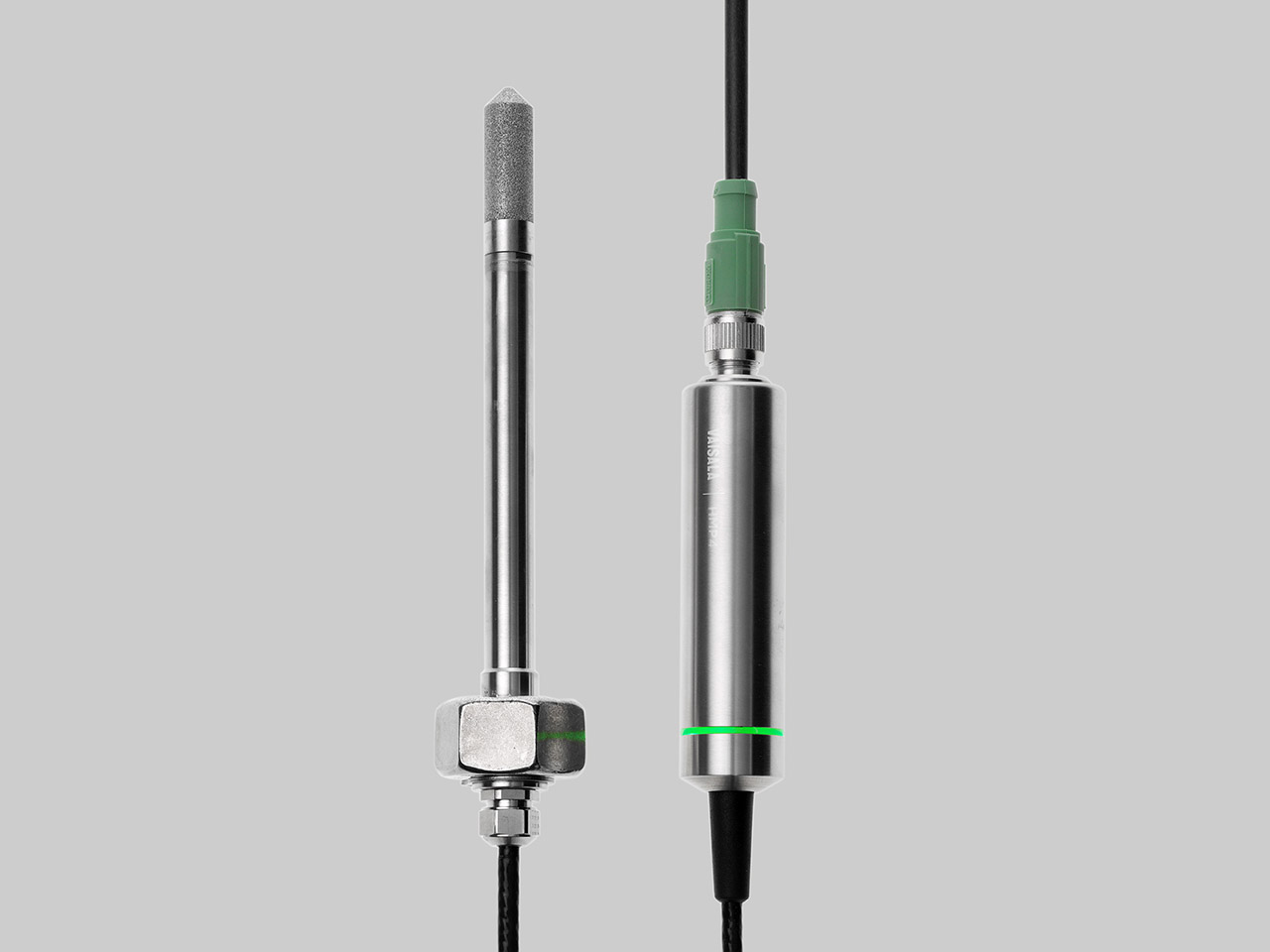
Vaisala HUMICAP® Humidity and Temperature Probe HMP3 is a general-purpose probe designed for processes with moderate humidity and temperature levels.

Humidity and Temperature Probe HMP3

Vaisala HUMICAP® Humidity and Temperature Probe HMP3 is a general-purpose probe designed for processes with moderate humidity and temperature levels.

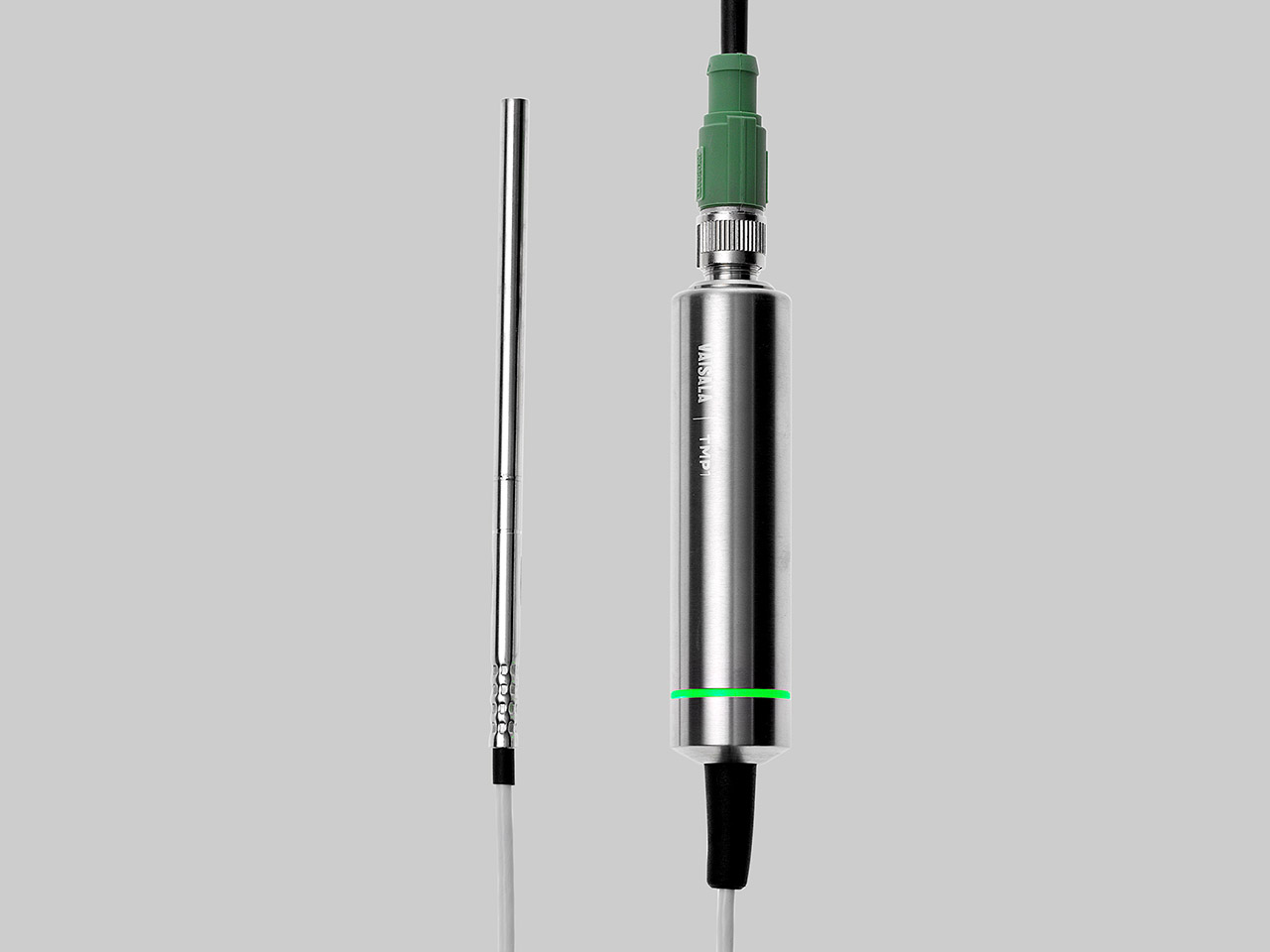
Vaisala Temperature Probe TMP1 is designed for demanding temperature measurements in industrial applications.

Temperature Probe TMP1

Vaisala Temperature Probe TMP1 is designed for demanding temperature measurements in industrial applications such as pharmaceutical industry and calibration laboratories, where accuracy and robustness are essential.

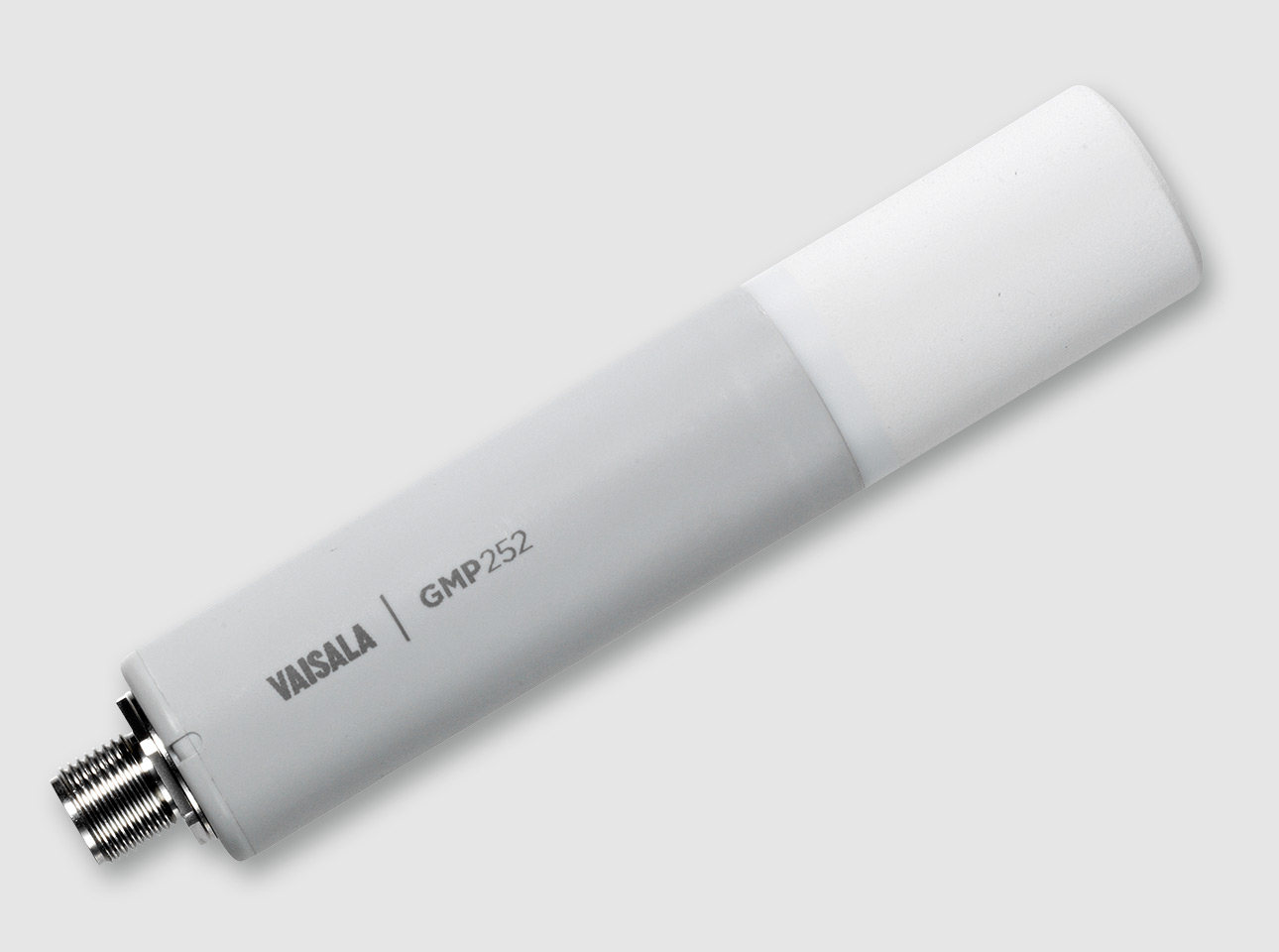
The Vaisala CARBOCAP® Carbon Dioxide Probe GMP252 is an intelligent, stand-alone, ppm-level probe for stable and accurate CO2 measurements.

CO₂ Probe GMP252

The Vaisala CARBOCAP® Carbon Dioxide Probe GMP252 is an intelligent, stand-alone, ppm-level probe. It's intended for measuring CO2 in agriculture, refrigeration, greenhouses, demanding HVAC applications, and for plant growth chamber manufacturers.

Add new comment

Indigo500 series dual-probe support

Profile picture for user tiina.vainio
Submitted by tiina.vainio on
Indigo for laboratory
Buildings and Indoor Air Quality
Greenhouses and Indoor Farming
Industrial Manufacturing and Processes
Industrial Measurements
Innovations and Inspirations
Life Science

Dual-probe support refers to the ability of a single transmitter or monitoring device to interface with two independent measurement devices, and then display, record, and transmit their data. It allows multiple parameters, or redundant parameters to be more easily monitored in the same space, or in different locations.

What are the benefits of using two probes measuring two different parameters?

Often an environment or process requires monitoring in multiple locations, and for a number of different parameters. It is common to be monitoring both the inlet and exhaust conditions of a single process to ensure product quality and energy efficiency. When the mounting space is limited, one transmitter with two probes is a useful and practical choice, for example, oil processing facilities with multiple oil dehydrators, or bread-proofing (multiple ovens) where one transmitter could monitor two separate ovens.

The life science industry often monitors multiple parameters in a single space, requiring multiple sensors. Certain applications, such as hydrogen peroxide bio-decontamination, may also require multiple measurement locations in larger spaces, should there be variances of temperature and air flow.

In each of these cases, a single transmitter could be used to simplify communications and provide a cleaner installation. This will reduce installation cost and effort in some cases, and lead to a lower cost of ownership.
 
Overall, the benefit of using two probes to measure two different parameters is to expand your awareness of the conditions in a space or process. If multiple variables affect the product quality or the energy efficiency of the operation, not being limited by one measurement device can offer better insight and information to make control decisions. 

What combinations could I use?

The probe combinations are many, as Vaisala offers smart probes for a variety of measurement parameters: humidity, temperature, dew point, carbon dioxide, moisture-in-oil, and vaporized hydrogen peroxide. There are no probe combination limitations for any of the available smart probes.

Measurement in life science incubators is continuous with many calibration checks. Therefore, an incubator might use a combination of the GMP251 CO2 probe alongside the HMP9 humidity and temperature probe to ensure the correct Ph and humidity level.

Fluidized bed driers, plastics drying and applying coatings to capsules are applications that might use a combination of a dew point probe at the drier inlet, and a humidity and temperature probe at the outlet. 

High humidity applications that involve significant levels of condensation might use a heated probe for moisture levels, alongside a temperature probe to calculate variables such as relative humidity.

Advanced compressed air driers might use two dew point probes to monitor the drier outlet as well as the purge air to increase energy efficiency.

And oil processing operations might want to monitor both the moisture in the oil they condition, along with the air dew point to ensure the dryness of the vessel being filled with oil.

Which Industries and applications would benefit most?

There are several applications that could benefit from a transmitter with dual probe support. Any application that uses air to feed a process, and then monitors the exhaust to determine the effectiveness of that process can use dual probes for the inlet and outlet. Basically, any process that needs to measure before and after conditions can use a transmitter with dual probe support. Energy resources and process duration are directly affected by these conditions, and real time control decisions can be made to maintain or protect product quality.

Additionally, applications that require similar measurements in different locations can use remote probes tied to a single transmitter. This allows for simplified power delivery and communication support. With the Vaisala Indigo500 Series, the Power over Ethernet option will require only one Ethernet cable to power and communicate with two measurement devices for a wide range of parameters.

Another benefit is be the ability to exchange the measurement probes from the transmitter, without removing the installed transmitter. This will help with calibration efforts, as spare probes can be easily rotated into service. This also provides flexibility should the process conditions change, and different conditions are being measured. For example, if a manufacturer of a dryer or environmental test chamber is supplying instruments for different customer conditions; standardizing on one transmitter type, and then being able to offer probes for different conditions will simplify their offering and provide maximum flexibility to their customers. 

Learn more about the Indigo family or contact us for more information.
 

Related products
Indigo520 with probe

Indigo500 Series Transmitters

The Vaisala Indigo500 series transmitters are host devices for Vaisala Indigo-compatible, stand-alone smart probes. The Indigo500 series include multi-functional Indigo520 transmitter and Indigo510 transmitter with basic features.

Vaisala Temperature Probe TMP1 is designed for demanding temperature measurements in industrial applications.

Temperature Probe TMP1

Vaisala Temperature Probe TMP1 is designed for demanding temperature measurements in industrial applications such as pharmaceutical industry and calibration laboratories, where accuracy and robustness are essential.

Vaisala HUMICAP® Humidity and Temperature Probe HMP3 is a general-purpose probe designed for processes with moderate humidity and temperature levels.

Humidity and Temperature Probe HMP3

Vaisala HUMICAP® Humidity and Temperature Probe HMP3 is a general-purpose probe designed for processes with moderate humidity and temperature levels.

Vaisala HUMICAP® Humidity and Temperature Probe HMP4 is designed for high-pressure applications

Relative Humidity and Temperature Probe HMP4

Vaisala HUMICAP® Humidity and Temperature Probe HMP4 is designed for high-pressure applications such as compressed air systems in maritime, breathing air, and industrial applications, where measurement performance and chemical tolerance are essential.

Vaisala HUMICAP® Humidity and Temperature Probe HMP5 is designed for high temperature applications

Relative Humidity and Temperature Probe HMP5

Vaisala HUMICAP® Humidity and Temperature Probe HMP5 is designed for high temperature applications such as baking ovens, pasta dryers, ceramics and industrial drying kilns where measurement performance and chemical tolerance are essential.

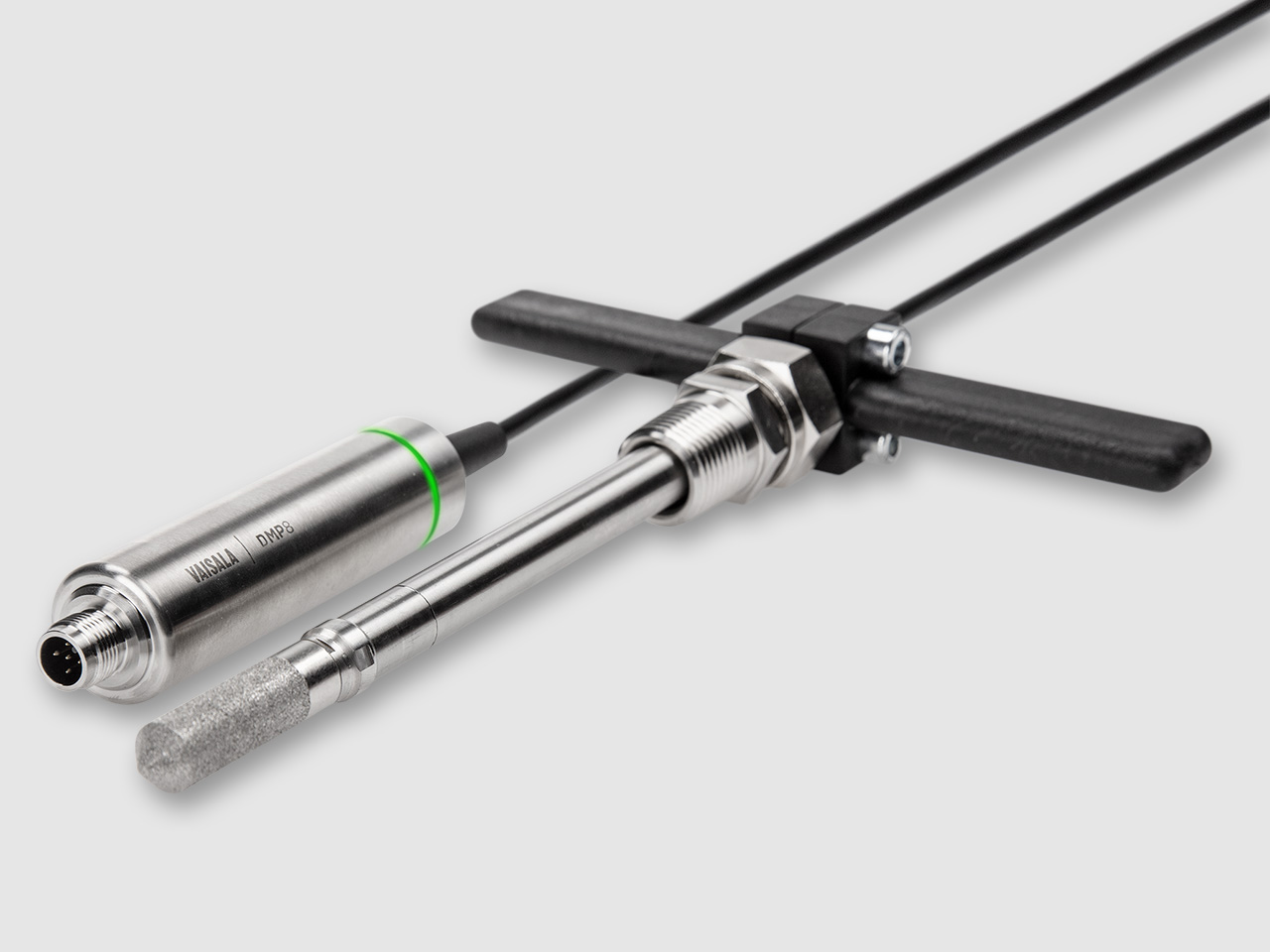
HMP8 and HMP8L

Relative Humidity and Temperature Probe HMP8

Vaisala HUMICAP® Humidity and Temperature Probe HMP8 is designed for pressurized applications in compressed air systems, refrigerant dryers, and other pressurized industrial applications where easy insertion and removal of the probe and adjustable installation depth into the pipeline are needed.

The Compact Vaisala HUMICAP® Humidity and Temperature Probe HMP9 is designed for easy installation in rapidly changing environments.

Compact Humidity and Temperature Probe HMP9

The Vaisala HUMICAP® Humidity and Temperature Probe HMP9 is designed for easy installation in rapidly changing environments where a fast response time, measurement performance, and chemical tolerance are essential.

Vaisala DRYCAP®  Dew Point and Temperature Probe DMP5 is designed for in-line humidity measurement in industrial drying applications.

Dew Point and Temperature Probe DMP5

Vaisala DRYCAP®  Dew Point and Temperature Probe DMP5 is designed for in-line humidity measurement in industrial drying applications with high temperatures and a wide dew point range.

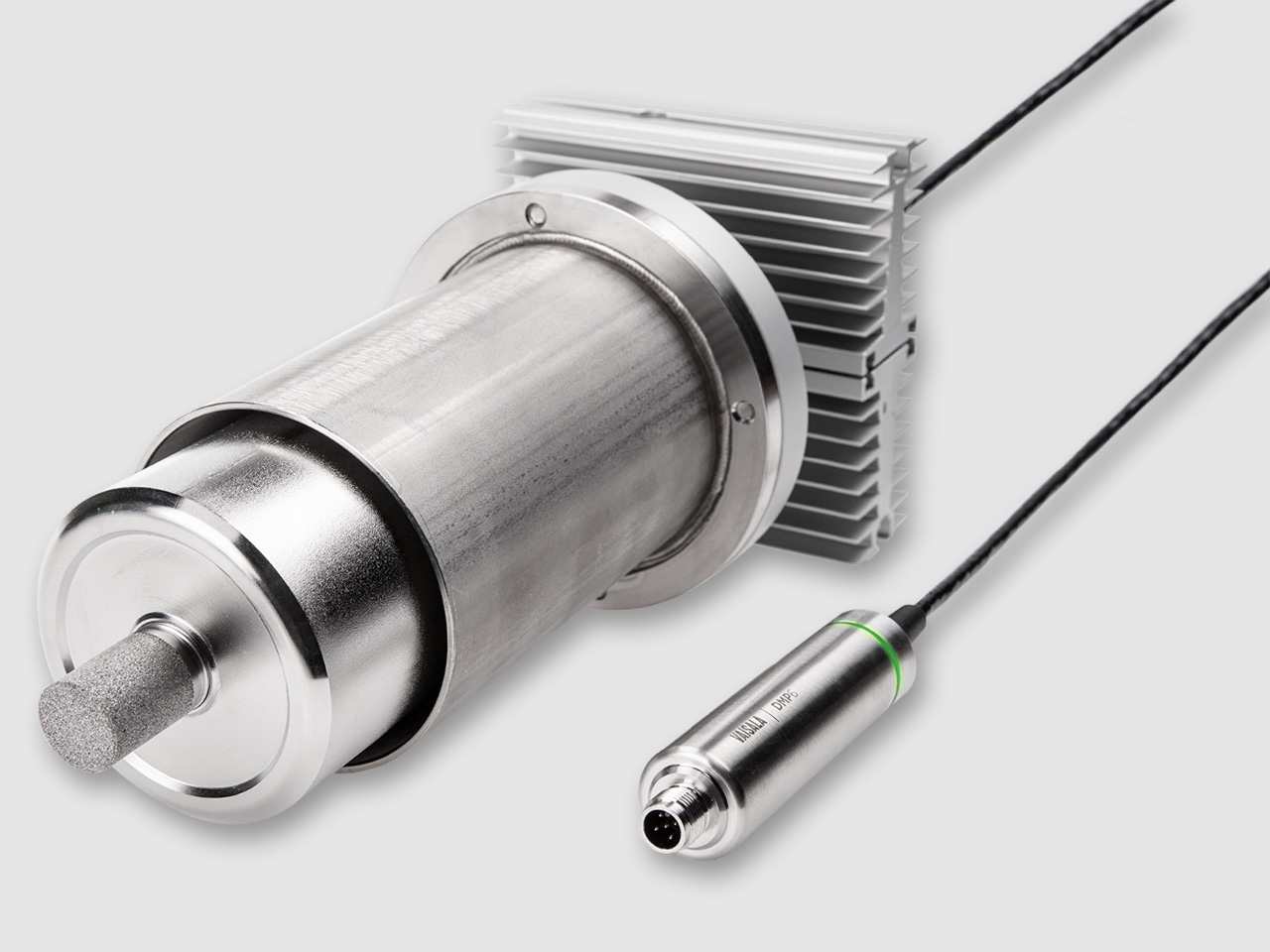
Probe head and probe body of the DMP6 for very high temperatures

Dew Point Probe DMP6

Vaisala DRYCAP® Dew Point and Temperature Probe DMP6 is designed for in-line humidity measurement in industrial drying applications with very high temperatures and a wide dew point range. 

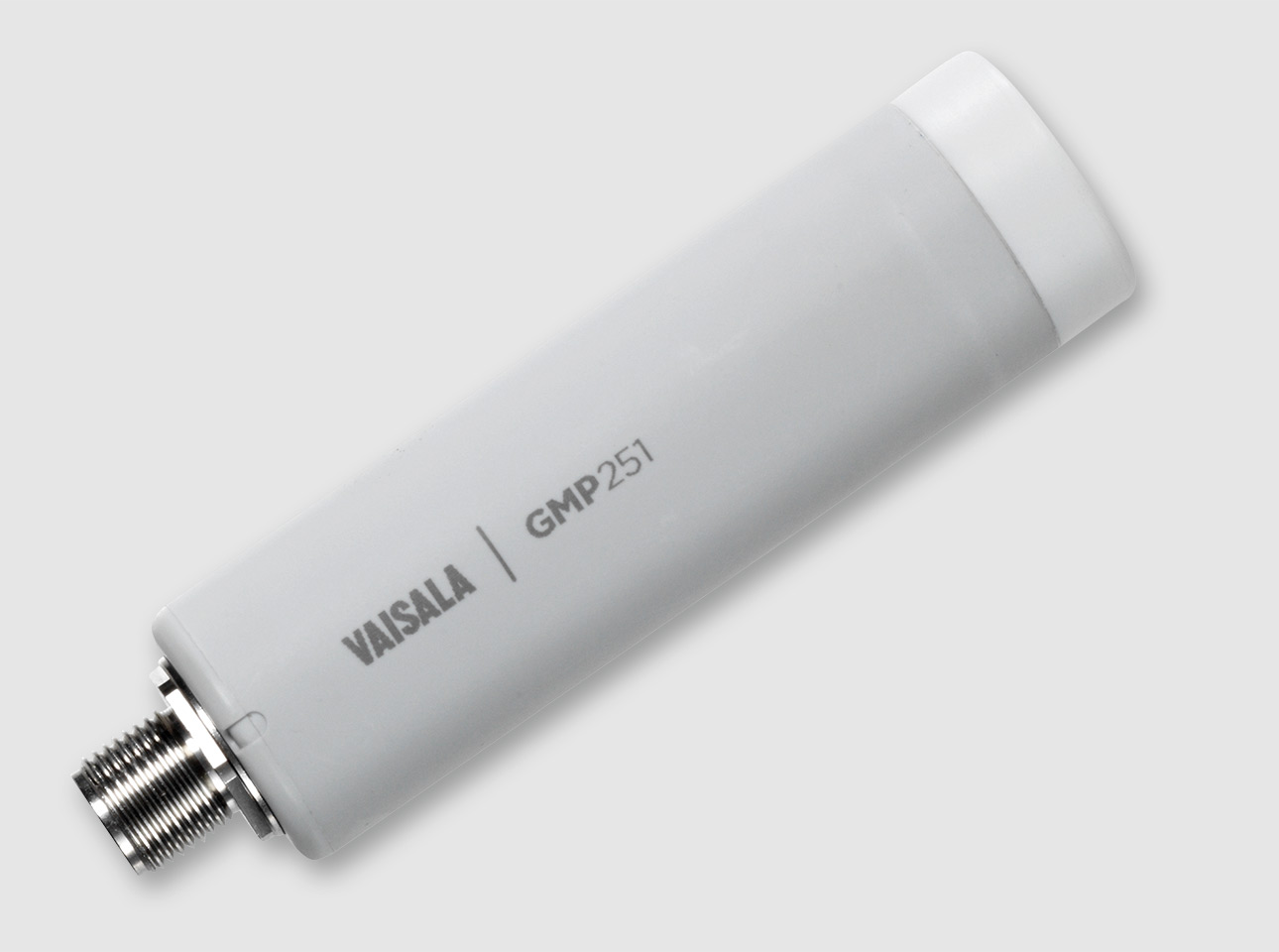
The Vaisala CARBOCAP® Carbon Dioxide Probe GMP251 is an intelligent, stand-alone, %-level probe for stable and accurate CO2 measurements.

CO₂ Probe GMP251

The Vaisala CARBOCAP® Carbon Dioxide Probe GMP251 is an intelligent, stand-alone, %-level probe for measuring CO2 in life science incubators, cold storage facilities, fruit and vegetable transportation, and in all demanding applications where stable and accurate percentage-level CO2 measurements are needed.

The Vaisala CARBOCAP® Carbon Dioxide Probe GMP252 is an intelligent, stand-alone, ppm-level probe for stable and accurate CO2 measurements.

CO₂ Probe GMP252

The Vaisala CARBOCAP® Carbon Dioxide Probe GMP252 is an intelligent, stand-alone, ppm-level probe. It's intended for measuring CO2 in agriculture, refrigeration, greenhouses, demanding HVAC applications, and for plant growth chamber manufacturers.

Add new comment

Considerations for vaporized hydrogen peroxide process development

Hydrogen Peroxide vapor bio-decontamination process development
Industrial Manufacturing and Processes
Industrial Measurements
Life Science

In our recent webinar, “Achieving Effective H2O2 Bio-decontamination in Facilities & Containment Systems” we did not have time to answer all questions, so we answered by email afterward. In this blog, we share the questions and answers in three categories: bio-decontamination process development, low ppm measurement, and condensation.

Bio-decontamination Processes

QUESTION: Are representative locations sufficient to prove bio-decontamination?

ANSWER: I assume that you are asking if vaporized H2Ois measured in representative locations, that this would be sufficient to prove bio-decontamination. The answer is that once a process has gone through a validated cycle development, then proper monitoring will suffice until the next cycle requalification is needed. However, inline monitoring of vaporized H2O2 monitoring is not a substitute for validation of the process using chemical, biological, or enzymatic indicators..

QUESTION: How is ppm (in terms of hydrogen peroxide concentration level) connected with effective bio-decontamination?

ANSWER: The combination of temperature, vaporized H2O2 ppm levels, and exposure duration are used to estimate the effectiveness of a bio-decontamination process. Other variables, like materials, temperature, relative humidity, relative saturation; all are involved. But it’s most important to understand that they are all connected

QUESTION: Is ppm concentration correlated to effective bio-decontamination? I ask because sometimes, a process at low concentration H2O2 ppm cycle will pass, and sometimes a high concentration H2O2 ppm cycle will fail…

ANSWER: The vaporized H2O2 ppm concentration required for a bio-decontamination process depends on a number of variables, including the type of micro-organisms, the space being bio-decontaminated and challenges associated with the space, such as the objects within it. It is possible that certain areas or processes require a longer duration at lower ppm levels, where others require higher ppm levels for shorter durations. There is no single correct method. The process you are using should be developed under conditions that are representative of a normal cycle.


QUESTION: Does altitude affect humidity and saturation during bio-decontamination?

ANSWER: Yes, altitude does affect the relative humidity and therefore relative saturation. The relative humidity and relative saturation can be expressed in terms of the partial pressures of water and vaporized H2O2 relative to the total saturation vapor pressure (the amount of the gas the air can hold at a specific temperature) of each gas. This relationship is linear with pressure changes, so the drop in pressure at altitude needs to be corrected for during measurement.

QUESTION: Why does H2O2 concentration vary at the end of a vaporized cycle, during aeration and afterwards, when a 1 ppm concentration is not reached?

ANSWER: Aeration time is going to vary from area to area, with a number of possible variables. The examples provided in the webinar were basic representations. The 1 ppm limit is a safety guideline for exposure over an 8-hour workday and is sometimes a goal in the aeration process. Different factors can affect this target level for aeration, namely material desorption, condensation effects, and chemical compatibility. Sometimes the aeration target is in the ppb levels for vaporized H2O2.

QUESTION: Why is vacuum vaporized H2O2 used for sterilization applications?

ANSWER: Vacuum conditions are typically related to the vaporized H2O2 delivery and aeration of the process. One method uses a deep vacuum to pull liquid hydrogen peroxide from a disposable cartridge through a heated vaporizer and then, following vaporization, into the sterilization chamber. 

In another approach, vaporized H2O2 is brought into the sterilization chamber by a carrier gas such as air using a slight negative pressure (vacuum). There may be other benefits and concerns for performing the cycle under vacuum as well. Aeration is typically performed using fairly powerful suction as well.

QUESTION: How long do you have to hold the conditions at 100% saturation to get effective decontamination?

ANSWER: The decontamination phase of the cycle is going to vary in length, depending on a number of variables determined by process development. Factors to consider are; the type and volume of the space being bio-decontaminated, the types of micro-organisms being neutralized, and the contents and the materials present in the space. The typical process times vary widely. For example, room bio-decontamination can range from 4 – 24 hours, whereas isolator bio-decontamination processes may only last 1-4 hours.

QUESTION: Is there a rule of thumb for how much liquid volume of peroxide is consumed per bio-decontamination process? I am thinking of a number in terms of milliliters per cubic foot of meter for 35% or 50% H2O2.  Obviously, there are many factors: the shape of the room or item being decontaminated, level of log reduction desired, etc., but if you have a value in mind, I'd be quite interested.

ANSWER: Unfortunately, I do not have a very good answer to your question, as the type of generator we use is customized, and I don’t know if we have tracked the consumption of liquid H2O2 use. Also, vapor generators vary in output and flow rate, so it’s difficult to give an answer on this, but I would recommend contacting the vaporizer manufacturer.  They produce and sell vaporized H2O2 products and services and will likely have better information for you.


Low ppm Measurement

QUESTION:  Is the 1 ppm for H2O2 a European standard?

ANSWER: The European Chemicals Agency ECHA has an evaluation document "Regulation (EU) No 528/2012 concerning the making available on the market and use of biocidal products"

In the US, the ACGIH, OSHA, and the National Institute of Occupational Safety and Health (NIOSH) all have set an average daily occupational exposure limit of 1 ppm.

QUESTION:  How does the Vaisala hydrogen peroxide probe measure low concentration? 

ANSWER: Currently, HPP270 products measure down to 0 ppm with accuracy ± 10 ppm the minimum. Therefore, Vaisala does not offer a measurement solution designed specifically for low level vaporized H2O2 measurement. There are a number of solutions on the market, and I would refer you to the reference materials we provided for more insight into low-level measurements.

QUESTION:  If the lowest concentration level measured by the HPP270 is 10 PPM, how do we know when it is safe for operators to re-enter a decontaminated area?

ANSWER: The HPP270 Series probes are designed for in-line, process-level measurements. Those measurements can be used to manage vaporized H2O2concentrations during the decontamination phase. The HPP270 probes were not designed for safety level measurements. The duration of aeration (after cycle development and validation) can account for the evacuation time required, and the rate of change from the HPP270 series probes’ real-time measurement can aid in that estimation. There are other low-level measurement options currently available.

Condensation

QUESTION: Which method is more effective in bio-decontamination: Dry or wet (with visible concentration)?

ANSWER: The effectiveness of wet vs dry vaporized H2O2 bio-decontamination is a hotly debated topic. This is another item that should be determined by process development. In general, Vaisala sensors are good choice for both cases and provide accurate and stable measurements even during high-condensing processes. Condensation is why the HPP270 probes provide the relative saturation value; this is the only parameter that allows us to estimate when condensation will occur.

QUESTION: Can we achieve micro-condensation with spraying H2O2 through atomizer nozzle?

ANSWER: Micro-condensation is a condition created with a careful balancing of the relative humidity, relative saturation and temperature of both the air space and the surfaces in the space. However, Vaisala does not manufacture vaporizer or atomizer products so I cannot comment on the delivery capabilities of an atomizer, as most of our experience is related to hydrogen peroxide vaporization.

QUESTION: Is condensation recommended during a process?

ANSWER: This is debated in the scientific community and there is no clear consensus. In micro-condensing processes, there is actually an invisible condensate formed during the process, but being at sub-micron level, it is invisible to naked eye. This is achieved by maintaining the relative saturation extremely close to 100%. There are scientific papers that suggest that micro-condensation is necessary in hydrogen peroxide bio-decontamination and that micro-condensation can happen in dry processes as well. We recommend a review of the research that focus on processes similar to your own.


Related products
Indigo520 with probe

Indigo500 Series Transmitters

The Vaisala Indigo500 series transmitters are host devices for Vaisala Indigo-compatible, stand-alone smart probes. The Indigo500 series include multi-functional Indigo520 transmitter and Indigo510 transmitter with basic features.

Case study: Proactively fighting superbugs with vaporized hydrogen peroxide

In this story, learn how Finnish OEM Cleamix created portable hydrogen peroxide vapor generators for efficient, cost-effective bio-decontamination.

“Bio-decontamination with vaporized hydrogen peroxide can be used proactively, not reactively. These pathogens are hard to kill and even harder to cure once a person is infected. Frequent bio-decontamination can stop outbreaks, but the equipment needs to be portable, highly efficient, and affordable...

 - Panu Wilska, CEO Cleamix Oyj


Comment

Juan Monserrate

May 9, 2020
I need information about this products I’m a owner of a Motorcoach company buses 57 passengers and I’m looking for a good product to disinfection.

Thanks.

Janice Bennett-Livingston

May 20, 2020
Dear sir,

Thank you for your question. I have forwarded your contact information to Cleamix Oy.
In the meantime, you can learn more about their products at http://cleamix.com/

Add new comment

Vaisala takes its world-leading humidity measurements to the cloud

Submitted by feed-importer on
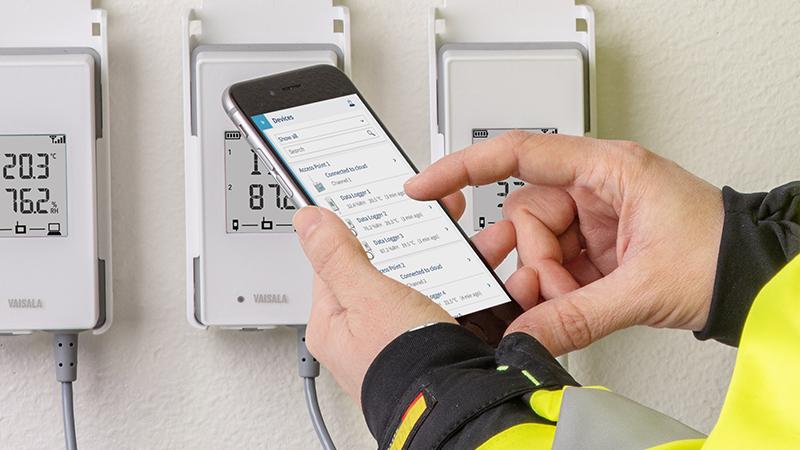
Vaisala Jade Smart Cloud. Checking data on the mobile device.
Press Releases

Vaisala
Press release
April 21, 2020

Vaisala takes its world-leading humidity measurements to the cloud

Operational cost savings and convenience through remote access, Vaisala launches a cloud-based monitoring system for humidity measurements. Mobile measurement data provides efficiencies in applications, like construction moisture measurement, where real-time humidity and temperature monitoring translates to saved money.

Vaisala, a global leader in weather, environmental, and industrial measurements, introduced today a new cloud-based Vaisala Jade Smart Cloud system for professionals who want to access high-quality measurement data anywhere, at any time. The data can be viewed on the go; on a mobile device, such as mobile phone or tablet, and on a pc or laptop. The Jade Smart Cloud is ideal for any structural moisture or ambient humidity measurement monitoring needs on the go, because it keeps users updated on critical measurements continuously.

Typical applications for the Vaisala Jade Smart Cloud system are, for example, concrete moisture measurements on construction sites and ambient humidity measurement monitoring in data centers, museums or other public buildings, and livestock production facilities.

“Cloud-based monitoring makes the actual operations more efficient, as time is no longer wasted in setup and pairing of hardware with software, or frequent visits to the various measurement sites,” explains Product Manager Lars Stormbom from Vaisala.

In addition to streamlined work, the system brings benefits in terms of providing regular automated software updates without any downloads, and increased collaboration by making it easy to share live or stored data with colleagues and customers. Additionally, the cloud-based system increases data safety and control.

“All measurement data is stored safely in the cloud where it can be viewed through the web browser on mobile devices. Cloud data can be accessed in real-time using a computer or a smart-phone and downloaded for further analyses. All data is stored in a tamper-proof format in the cloud, with a timestamp of the measurement,” Stormbom continues.

The system consists of CWL100 Wireless Dataloggers with probes, a CA10 Access Point and the Jade Smart Cloud software license. When measuring concrete moisture, probes can be placed directly inside boreholes, or they can be mounted on the wall.

“There are already more than 100,000 borehole measurements made annually with Vaisala instruments. With the Jade Smart Cloud, we’re providing the same measurements our customers already trust, in a smart new way that just simply makes life easier,” Stormbom concludes.

Vaisala Jade Smart Cloud uses Vaisala proprietary LoRa-based radio protocol. Data encryption is used end to end, and the data is saved securely in the cloud.

Vaisala Jade Smart Cloud will be available in the European Economic Area in June 2020 in Finnish and English.

More information for the media

Miia Lahti, Communications Manager, Industrial Measurements, Vaisala
+358 50 555 4420, [email protected]

Vaisala is a global leader in weather, environmental, and industrial measurements. Building on over 80 years of experience, Vaisala provides observations for a better world. We are a reliable partner for customers around the world, offering a comprehensive range of innovative observation and measurement products and services. Headquartered in Finland, Vaisala employs approximately 1,800 professionals worldwide and is listed on the Nasdaq Helsinki stock exchange. 
vaisala.comtwitter.com/VaisalaGroup


Attachments

Better insights from better data - the power of machine learning and AI

Profile picture for user tiina.vainio
Submitted by tiina.vainio on
Better insights from better data
Buildings and Indoor Air Quality
Industrial Measurements
Innovations and Inspirations

The term “machine learning” was coined by Arthur Samuel as long ago as 1959, with research into the topic – closely linked to research into artificial intelligence (AI) – continuing through the decades that followed. But at this point it was ahead of its time – computing power wasn’t yet sufficient to yield the opportunities promised. It is only now that we can start to see the fruits of these early labors, with far greater computing power, increasing amounts of digitized information, and the ability to easily share data via the internet. 

A cloud-based revolution

The next industrial revolution has already begun – there have been major changes and developments with cloud platforms in the last five years, with industries benefiting massively from the availability of increasingly standardized commercial offerings. This has brought opportunities for a large amount of data to be processed and analyzed, as well as making data easier to access. Connected Internet-of-Things (IoT) devices and cloud availability are providing the platform for what will come next – and undoubtedly it will involve AI and machine learning.

For the last few years there have been efforts in many industries to collect data without really fully knowing how to use it. Machine learning and AI are the missing piece of the puzzle – a solution that has been waiting decades for its problem. In 2020 we finally have the computing power to make use of machine learning, with the ecosystem and environment ready and waiting. We can take the data from all these connected devices in the cloud and find new opportunities with AI. No one knows exactly what will happen, but I’m sure there will be value to be realized and valuable new insights to uncover.

Keeping data secure

When talking about risks associated with AI and the cloud, people immediately think of cyber security. Obviously cyber security is of the utmost importance in modern society, but the level of risk assumed is sometimes overstated. The cloud is not inherently insecure – it can in fact be in some ways more secure than having data on your personal computer, or on a server in your basement. Commercial cloud providers have hundreds if not thousands of people working on security; it would be hard for any company to put the same amount of effort into security in a non-cloud environment. We are seeing a turning point in industry where we all realize security is essential, but there is a growing understanding that the cloud might actually be the safest place for our data.

The big risk of bad data

But there is another, less obvious, risk than a cyber-attack. AI might be able to crunch a lot of data and learn a lot of things, but the learning – and consequently the decisions based on it – are only as good as the data you put in. In a nutshell, bad data in means bad decisions out. It’s important to get the facts and the base data right – even all the computing power and data points in the world can’t rescue you from bad data. For measurement applications, it’s essential that the original sensing information is accurate in the feed data; in other applications there are also ethical considerations to be made: data must be accurate but also fair and unbiased. For example, if an AI recruiting system learned what constitutes a good candidate based on a certain dataset of previous hires, no woman would ever be given a job! 

The robots are not coming for our jobs

While it’s hard to foresee all the impacts of machine learning on the different jobs people do, it’s unlikely that large segments of the workforce will be replaced by machines. If we take industrial process measurements for example, we’ve already discussed how essential it is that measurement data is correct, so we’ll still need competent people choosing what parameters to measure, what equipment to use, how to install it to ensure accurate measurements, how to take representative samples, and much more. Without this, AI and machine learning will fail and we will waste the opportunities they present. Man and machine will need to work together in the future, just as we do today. 

Working to provide good data

Vaisala always wants to bring value to customers in the field of industrial measurements by offering the best products on the market. To do this we are constantly innovating and looking for new opportunities. The value of good measurement – measurements that are stable, reliable, and accurate – is becoming more and more important; whether you’re looking to optimize industrial processes, achieve high-quality output, develop a circular economy, or optimize energy usage, you need high-quality measurements. We are also looking at how we can add more value to our products, for example in how our customers can access past and present measurement data or receive alarms and notifications. The industry’s shift towards cloud-based systems is something that every company who wants to be providing added value should be looking into. We want to expand the business of measurement to add new levels of convenience and value, because the importance of accurate, reliable measurement data is only going to grow.

View also our previous posts around this topic: Developing future-proof solutions by Mika Väisänen, our Senior System Architect and also take a look at some of the tangible advantages of cloud-based sensing solutions that our Senior Product Manager Lars Stormbom has presented in his post Reaching for the clouds.

Comment

Malogica Software

Sep 19, 2024
This piece highlights the transformative potential of machine learning and AI in harnessing data effectively. As cloud technologies evolve, the integration of accurate data with powerful algorithms will unlock unprecedented insights across industries. However, the importance of quality data cannot be overstated—bad data can lead to poor decision-making. Collaboration between humans and AI remains essential for success!

Add new comment

Stable H2O2 vapor sensing as a bio-decontamination game-changer

Disinfection of biological safety cabinets
Industrial Measurements
Life Science
Netherlands

Van Veldhuijzen-Boxmeer Disinfection Services has been providing sterilization and bio-decontamination services since 1990. Their services include microbiological analysis of surfaces, air and water. Common applications serviced include Biosafety level 3 laboratories, animal housing, cleanrooms, and safety cabinet air handling units. In 2018, Van Veldhuijzen-Boxmeer purchased Vaisala’s HPP272 vaporized hydrogen peroxide probe with the Indigo201 Transmitter for use in bio-decontamination applications.

Vaporized H2O2 is becoming a favored bio-decontaminant due to its low toxicity and high efficacy in diverse applications. Because hydrogen peroxide decomposes into water and oxygen, it is more environmentally friendly and safer for operators than traditional bio-decontamination chemicals, such as formaldehyde or chlorine dioxide.

A sensor you can trust  

Jos van Daal is a senior engineer and technical director at Van Veldhuijzen. “We used the HPP272 sensor for about 18 months before buying a second Vaisala probe,” says van Daal. “We’ve used the probe extensively and are extremely pleased with its performance.

“Before we had the Vaisala probes, we used other sensors, but they measured  H2O2 vapor only and didn’t measure moisture,” says van Daal. “With our old sensors, sometimes we saw a high concentration of  H2O2 vapor, and sometimes not. I knew it had something to do with the humidity of the air. With the Vaisala probe it’s much easier to manage processes, especially in high humidity. We are often working in conditions that have up to 70 – 80% humidity so the HPP272 was a real gift!”  

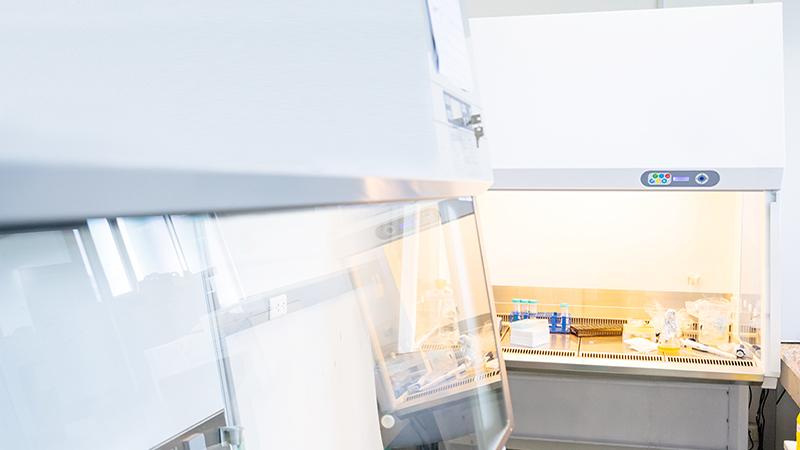
Van Veldhuijzen often performs bio-decontamination in Biosafety Level 3 laboratories that use biological safety cabinets. BSL-3 labs are commonly used for research on disease-causing pathogens in universities, research clinics, and production facilities. These labs are built so that they can be easily bio-decontaminated; among other containment measures, windows are sealed and the HVAC system must ensure that work area air-flow is separate from areas where infectious agents are handled. Because the air is filtered before it can be recirculated, High Efficiency Particulate Air (HEPA) filters are used to trap 99.97 % of particles 0.3 micrometers (µm) in diameter.

“HEPA filters in the air handling units of bio-safety cabinets are at risk of clogging from high levels of humidity,” says van Daal. “Vaisala’s HPP272 probe helps us ensure against this. We use the probe to pre-test for humidity before a bio-decontamination process. If our test shows the humidity to be higher than 60 -70%, we put in dryers before disinfection. Knowing the humidity in the area ensures that we don’t damage the HEPA filters.

“We put in chemical indicators and run the process until they are colored. We use both chemical and biological indicators to validate.  Since we’ve been using the HPP272, our process time has been greatly reduced; this means less downtime for our customers.”

Saving time in bio-decontamination is important because operations cannot continue until the process is complete and validated. “Before we had the Vaisala probes, we sometimes saw unsatisfactory results in validation and would have to repeat the process. A lab needs to be in use, so if you have to repeat the process, costs increase,” says Van Daal.”

The impact of humidity on H2O2 ppm

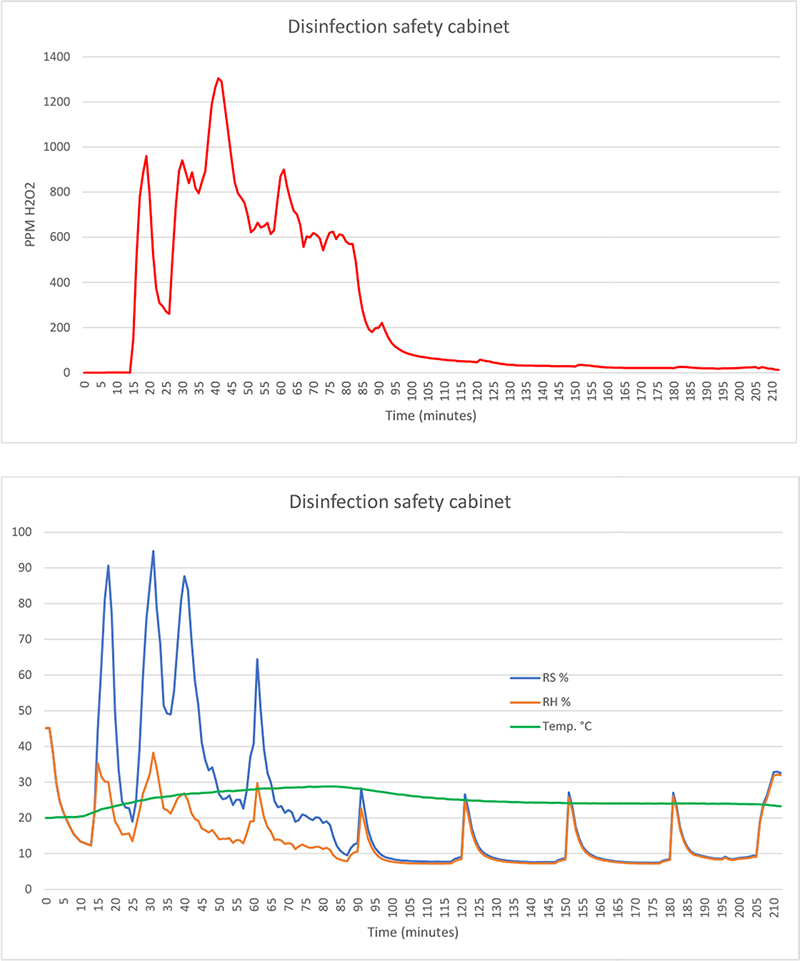
“We use a hydrogen peroxide vapor generator. When we use the generator in a safety cabinet, we can dry the air. After we had the HPP272, we ran a test in a cabinet without the dryer. When the probe indicated 90% relative saturation, we saw the  H2O2 concentration ppm drop quickly,” says Van Daal. “This shows the impact that relative humidity has on relative saturation.” Relative saturation is a unique parameter that indicates the combined humidity of water vapor and  H2O2 vapor. This parameter allows operators to reliably predict when condensation will occur.

Humidity matters

“These graphs are from a test we ran with a safety cabinet where the condition cycle was 30 minutes at 2.0 g/min, and the disinfection cycle was 40 minutes at 1.0 g/min. The hydrogen peroxide vapor generator we use is capable of drying the air during cycles. In the beginning, we didn’t use the dryer and as you can see [in the graphs], the concentration goes up until we have a relative saturation value of about 90% and then the concentration goes down even if the relative humidity is 30%. Then the dryer was activated and the concentration went up again. We repeated this a couple of times.”

Disinfection Biosafety cabinets

“The graphs show how important it is to know both the relative saturation and relative humidity during a process. This is especially true when disinfecting equipment that has HEPA filters. In a large room, humidity is generally less of an issue. The smaller the area, the more important it is to control the humidity. If you disinfect a room with filters, you want a high concentration; to 1500 or 1600 ppm – for a faster process. But if you can’t see what the humidity is, the filters are at risk.”

Stability, flexibility, connectivity

“We find the stability of the HPP272 probe excellent. Once we bought the second Vaisala hydrogen peroxide probe, we compared it to the HPP272 we’d been using. Both probes gave the same reading so we saw that our first probe was stable,” says van Daal.

“We use a standard wireless technology designed for low-power digital radio signals to get the data to an interface on a laptop over a mesh network.  The probe is mounted with a battery, microprocessor and small radio so that we can watch results at a distance from the lab and the gas generator.

“Often we are looking at the in-line data remotely, so we set up a wireless system. We have a program on a laptop that broadcasts a request to units we use to obtain data wirelessly from the HPP272 probes. The units within the area under decontamination consist of an Xbee radio module, a microprocessor, an RS232/RS485 serial interface, a battery and the HPP272 probe.

“We also have safety units, outside of the chamber, consisting of an XBee, a microprocessor, an analog-to-digital (ADC) converter, a battery, and a low ppm gas detector. The units within the chamber read the data from the HPP272 and send it to the laptop. The range of the Xbee device depends on the signal obstructions in the environment.”

Learn more about Van Veldhuijzen-Boxmeer Services at their website.

Learn more about Vaisala’s hydrogen peroxide vapor probes.

PDF

Contact us

Related products

In this webinar, we explain the important role of Relative Saturation measurement and how to use this parameter to improve vaporized hydrogen peroxide bio-decontamination processes.

Agenda

  • Key measurement values during hydrogen peroxide bio-decontamination
  • Common pitfalls in humidity measurement when bio-decontaminating containers/enclosures
  • The critical difference between relative saturation and relative humidity
  • Unique features of Vaisala's patented PEROXCAP® technology
  • Q&A 

This webinar is of interest to:

  • Original equipment manufacturers
  • Bio-decontamination cycle development managers
  • Pharmaceutical development and project managers
  • Validation and quality experts
  • Bio-decontamination service providers
  • HVAC and Facility managers

Select your preferred time to attend. All registrants will receive access to the recording. Once you register, check your email inbox and spam folder for a confirmation email from the ON24 Webinar platform with your personal link to the webinar.  

If you have already attended or registered for this webinar, please click here. Otherwise, please watch the recorded webinar by filling the form.

See our Privacy Policy for more details.
You can modify your preference settings or unsubscribe at any time here

Combating COVID-19 with vaporized hydrogen peroxide bio-decontamination

H2O2V Bio-decontamination of biological agents in research laboratories and vivariums
Industrial Measurements
Life Science

In January of 2020, the International Health Regulations Emergency Committee of the World Health Organization announced the outbreak of coronavirus disease 2019 (COVID-19). Clinical presentations of active cases of COVID-19 range from no symptoms to life threatening illness. The scientific and medical communities are learning more every day, but currently it is believed that COVID-19 is transmitted through sneezing and coughing or through contact with contaminated surfaces.

According to the US CDC, decontaminating for COVID-19 through standard procedures is appropriate. The World Health Organization’s interim guidance on laboratory biosafety, disinfection procedures for COVID-19 recommends: “Appropriate disinfectants with proven activity against enveloped viruses ... (e.g. hypochlorite (bleach), alcohol, hydrogen peroxide, quaternary ammonium compounds and phenolic compounds).”

Recent bio-decontamination work performed by Cleamix Oy at Korea’s Centers for Disease Control has validated this approach, and the company performed hydrogen peroxide vapor bio-decontaminations in early 2020 during the coronavirus outbreak. The Cleamix bio-decontamination units are portable, highly efficient hydrogen peroxide vapor generators. The generators use Vaisala’s HPP270 series probes to automatically control vapor output during bio-decontamination. The probes also provide stable, accurate monitoring data that allows operators to observe process conditions in real-time.

Bio-decontamination of biosafety labs

We had an interesting interview with Cleamix CEO Panu Wilska about the company’s work with Korea’s Centers for Disease Control (KCDC) in the wake of the coronavirus outbreak.

“The KCDC has Biosafety level 2 and 3 laboratories with a total volume 2500 m3,” says Wilska. “Our bio-decontamination contract with our local partner BioAll included both laboratories. The labs were about equal in size, with multiple separate rooms, airlocks and corridors. To decontaminate the spaces we used four portable networked Cleamix vapor generators.”

Biosafety laboratories are used to study contagious materials safely; with protective measures for personnel and to prevent contamination. Biosafety labs are designed and operated in compliance with laws, policies, regulations, and guidelines for research into infectious agents. This research is needed to understand pathogens in order to produce vaccines and other treatments.

There are four levels of biosafety that define the type of research that can be performed and the safety measures that must be employed. These levels are based on the practices, processes and systems that provide protection from the pathogens being researched. From BSL-1 to BSL- 4, the protective barriers and processes increase. Biosafety level 1 covers work with microorganisms that present a minimal threat. Biosafety level 2 laboratories research agents with a moderate risk. Extra cautions and protections are used, with added constraints on access and processes. BSL-2 labs use biosafety cabinets and other containment systems.

Biosafety level 3 laboratories handle potentially lethal pathogens, are strictly controlled, must be registered with governing agencies, and have strict bio-decontamination procedures. BSL-3 labs require specialized facility design features, including airflow/ventilation controls, automatic and locking double doors. Biosafety level 4 laboratories encompass research on extremely high-risk pathogens or any agent with an uncertain level of pathogenicity. These labs employ the strictest safeguards, constraints, regulations, facility design and equipment requirements.

Inline H2O2 concentration measurement: effective, efficient

“During the bio-decontamination process, the HPP270 probes showed that the H2O2 concentration was rising quite rapidly,” says Wilska. “The average treatment time per segmented area was seventy-five minutes, plus aeration time. Aeration was very fast as we could have the air conditioning system turned on after each treatment. The process was validated by biological indicators to have achieved a 6-log kill.”

In bio-decontamination, a 6-log kill refers to the relative number of live microbes destroyed during disinfection. A 1-log kill has destroyed the total number of microbes by a factor of 10; a 6-log kill has destroyed the number of microbes by a factor of 1,000,000. A 6-log reduction is a common goal of bio-decontamination, whereas the goal of sterilization is to kill all microorganisms, viruses, and spores. Bio-decontamination is used due to its relative safety for operators, equipment and materials.

In summarizing Cleamix’s work at the KCDC, Wilska says:

“Our bio-decontamination took two working days; however, now that we know the layout and decontamination performance of these areas, the same work could be completed in one day. According to KCDC, the earlier procedure with a different vendor took four days to complete. After seven days of incubation, the results of our bio-decontamination were confirmed without any doubt – the process was 100% successful.”

PDF

Contact us

Related products
Indigo520 with probe

Indigo500 Series Transmitters

The Vaisala Indigo500 series transmitters are host devices for Vaisala Indigo-compatible, stand-alone smart probes. The Indigo500 series include multi-functional Indigo520 transmitter and Indigo510 transmitter with basic features.

Case study: Proactively fighting superbugs with vaporized hydrogen peroxide

In this story, learn how Finnish OEM Cleamix created portable hydrogen peroxide vapor generators for efficient, cost-effective bio-decontamination.

“Bio-decontamination with vaporized hydrogen peroxide can be used proactively, not reactively. These pathogens are hard to kill and even harder to cure once a person is infected. Frequent bio-decontamination can stop outbreaks, but the equipment needs to be portable, highly efficient, and affordable...

 - Panu Wilska, CEO Cleamix Oyj


Webinar:
Humidity sensors in VH2O2 applications: Choosing the right sensor


Choosing the right measurement method for a vaporized hydrogen peroxide application depends on your application. It might be enough to measure only relative humidity during dehumidification, or between the cleaning cycles, by relying on the stability of vapor generation equipment and other process factors. However, in some applications, VH2O2 control and monitoring are required and advantageous. In this webinar we compare relative humidity sensors, relative humidity sensors with a catalytic layer, and the combination of these two sensors in a single probe – Vaisala’s PEROXCAP® sensor.
 

GxP-Compliant calibration: learning from form 483s and warning letters

In this webinar we briefly outline the practices, processes and regulations governing calibration in GxP-regulated applications. We also analyze several calibration-related Form 483s and Warning Letters issued over the last few years in a range of regulated industries (Drugs, Medical Devices, Nutraceuticals, and Cosmetics).  Each Form 483 and Warning Letter is a cautionary tale for those calibrating instruments and devices for use in federally regulated applications. 

Risk-based requalification

Profile picture for user janice.bennett
Submitted by janice.bennett on
Re-Mapping and Requalification of freezers and refrigerators
Life Science

4 Questions your Risk Analysis Needs to Answer

Our Senior Regulatory Expert Paul Daniel is happy to answer your questions by email. This week’s blog is from an email exchange between Paul and a Senior Validation Manager of a biopharmaceutical firm.

C wrote: Good Afternoon Paul,

I’ve been performing validation for approximately 26 years, but I have a couple questions about requalifying equipment and creating policies for that procedure.  Currently, I’m revising our company procedures for Periodic Review and Requalification. I find that there is a lot of literature to review on requalification for temperature-controlled storage units/areas/stability chambers, etc.

At my former company, we performed mapping annually, which as you know, can be costly and time consuming.  I definitely want go to a risk-based approach for our requalification process, but I need some clarity on assessing risk. At first glance, every temperature-controlled unit and area seems critical and therefore in need of annual requalification.   However, in my research on risk-based analyses for mapping, that seems not necessarily the case. 

We have a continuous monitoring system with its devices calibrated annually.  I’m reviewing all of the initial validations to verify all of the proper testing was performed; that’s intuitively a good first step. My question is – what are my next steps in taking a risk-based approach to requalifying?

Specifically, what types of questions do we need to ask in our risk assessments? 

I believe we can look at trend history, alarm excursions/frequency/length from the continuous monitoring system.  I was also thinking review of the preventative maintenance on the units to check for reliability of things such as motors and door gaskets.  I really want a solid Risk Assessment that is defensible under audit and during inspections.

Can you make any recommendations? 

Sincerely,
C

Paul wrote: Dear C,
 
Happy to help.  Risk assessments are an important tool. Even better, they can, in some circumstances, save resources.

In case you haven't seen it, we have a webinar on the topic here: Risk Assessment in GxP Environments

The most important rule for risk assessments is that the scoring rules are transparent and clear.

The goal with an RA is to make it clear enough so that you feel confident that another person performing a later risk assessment on the same application will come to the same conclusions.  Simply having done a thoughtful risk assessment in the first place will look great to an auditor or inspector – because it is important information about your controlled area(s).

A good place to start is to create scoring rules. For example, what is the main function of the environment? Is it used to store expensive product, or replaceable lab reagents?  Another aspect to look at are the specifications of the environment. Does it have tight control specifications (I.E.: stability chambers)? Or is it a single critical parameter environment (I.E.: -80°C ultra-low freezers)?

Three focal points for scoring risk: 
• What is stored?
• What are the specifications?
• What is the area’s mapping history? 

Regarding the mapping history, I would defer back to a body of knowledge on calibration intervals.  In my experience, there is a surprising lack of knowledge about this in the pharmaceutical industry. But, you actually do not have to calibrate something every year just because the manufacturer recommends it.  If the device is functioning well within its accuracy specifications at every calibration, then that alone can be a risk-based argument for extending a calibration interval. 

We can apply the same logic to chambers – if it maps well and passes every time, perhaps the time between requalification can be extended.   The Application note: “Calibration and Adjustment of Humidity Instruments – Pros and Cons of Different Methods” mentions this on page 1, third column, second paragraph.

Categorizing Applications for Risk Assessment

  1. What is stored in the chamber? For example, are products expensive or cheap? Or, Does the product carry a high risk to a patient if adulterated, or a low risk?
  2. Are the specifications hard to achieve? Like a stability chamber ±2°C and ± 2%RH  or an ultralow freezer at NMT -60°C.
  3. Would a deviation in conditions or equipment failure be immediately obvious and detectable? 
  4. What is the known, documented history of the area or unit, based on past mapping studies?


You mentioned the trend history of the unit from monitoring system records. Much can be learned from trend history – as we see in this story from a customer.  However, that can be similar to a single-point mapping while the unit is being opened and used…  And you have to keep repeating this analysis to justify to map or not to map.  Creating rules is a good idea.
Let me know if you have any follow-up questions!

Best regards,
Paul Daniel

C wrote: Thank you Paul. We have another challenge…

We have figured out a periodic review schedule on our temperature-controlled rooms, but now we are trying to determine whether temperature requalification it should be done for 24 or 72 hours (initial studies were 72 hours).

Further, should we map under static or dynamic conditions?  We are leaning toward a 24-hour static full chamber study because we already have a study on 72 hours of empty chamber and loaded static/dynamic conditions.  What we need is simply a verification that everything is still in a qualified state.  I’ve searched high and low on the Internet and there is a lot of information about initial qualification (in all aspects of qualification/validation), but little about performing requalification/revalidation.  We have looked for guidance from WHO, FDA, EU, etc. but there little to nothing. I appreciate your help and look forward to hearing from you.


Sincerely,
C

Paul wrote: Dear C,

Your research echoes my own.  However, one resource I can recommend is the ISPE’s Good Practice Guide for Mapping of Controlled temperature Chambers. 

To summarize the relevant parts of that guide, we should remap every 1 to 5 years. We decide the interval based on history and criticality of the application.

We document our findings and use that information to create a risk assessment. The guide also recommends proposed approach; map in a loaded condition with the same sensor locations. Requalifying loaded areas can save a lot of time and effort!  Your approach is sound especially if there has been no history of malfunctions or repairs on the unit. 


Add new comment