Hydrogen peroxide vapor probes and analog connectivity

Profile picture for user janice.bennett
Submitted by janice.bennett on
Hydrogen peroxide vapor sensor Analog connection
Industrial Manufacturing and Processes
Industrial Measurements
Life Science
In this video blog, product engineer Joni Partanen demonstrates how to connect and test the HPP270 vaporized hydrogen peroxide probe when it is used in analog output mode. The HPP270 probes can also be connected digitally and there is a separate video on that topic. In this demonstration, we focus on connecting the probe to the control system by using analog mA-outputs.
View video in full screen mode.
 
 
Edited transcript
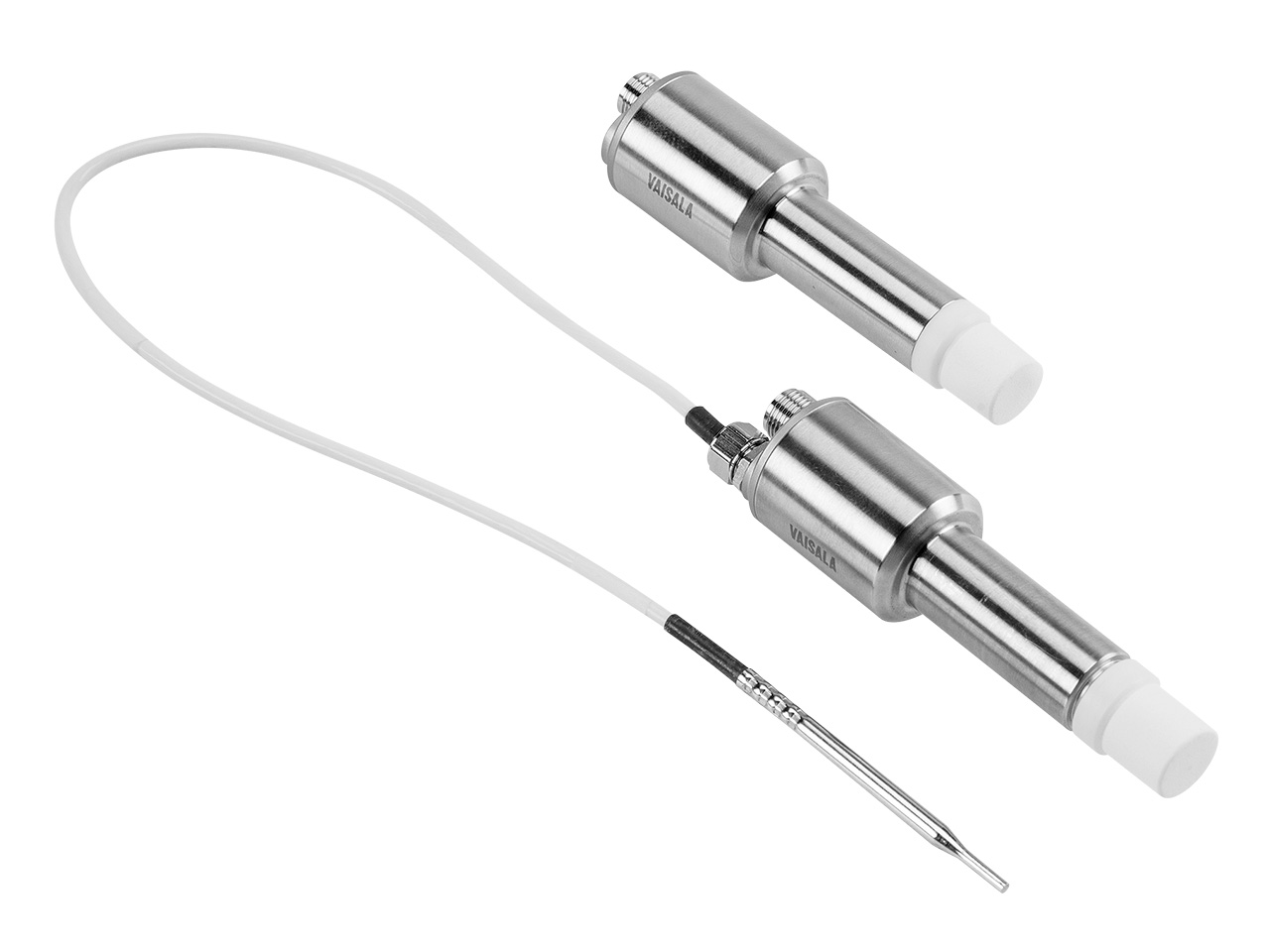
I have here an HPP270 probe for measuring vaporized hydrogen peroxide in bio-decontamination processes. It measures vH2O2 concentration and humidity as relative saturation. There are fundamentally two different ways to connect this probe to your control or data acquisition system. You can connect it as a standalone probe or use a Vaisala host device (Indigo transmitters), which provides additional features.
 
The standalone probe has two analog outputs, or it connects with Modbus RTU digital communication (see video on this method). If you decide to use Vaisala’s Indigo200 or Indigo500 series transmitters, you will get additional features such as local display, more analog outputs, and more options for digital communication options.
 
Learn more about Indigo transmitters in this blog: “Do I need an Indigo transmitter or just an Indigo probe?”
This is a demonstration of how to use an HPP270 as a standalone probe using analog outputs. The probe comes with two analog outputs. The first probe measures vaporized hydrogen peroxide concentration. By default, it measures vH2O2 concentrations from zero to 2000 ppm. The other channel measures relative saturation percentage, from zero to 100%. R.S.
In addition to analog outputs, there is also a contact for the chemical purge function. This function is important for maintaining the stability and accuracy of the HPP270 series probes. If I do not have that implemented in my simple automation system, I will rely on the interval purge cycle, which happens every 24 hours.
 
I have configured the automation system so that it matches the analog output settings of this probe. The next task is to validate the signals. To demonstrate, I want to check that 1000 ppms from the probe comes to the automation system correctly and that we have  50% percent relative saturation. So let's simulate those values. I will use a USB cable and a laptop (with Insight PC software installed). Once the probe is connected and detected, it will begin a purge cycle. We are not interested in the purge right now, we want to test the analog outputs. So, in Insight PC software, we go to “configure device.”
 
[3:57] Select Analog output one. This is configured for hydrogen peroxide. Under “Output parameter” we can select a special parameter: A Test. Then we need to define the test output level. We want to test 1000 ppms, we have to put 12.000 milliamps as the Test output level. For analog output two, which we have configured as relative saturation. We will change that also to “A Test”, to put the probe into simulation mode. We then set the Test output level to 4.000 milliamps, which is equivalent to 0% relative saturation.  Then save these test settings.
 
[4:57] Now we can connect the probe back to the automated system to see the simulation values. Channel one is now outputting 12 milliamps, which is equivalent to 1000 ppms. Our automation system is reading that correctly. Channel is now outputting four milliamps, which is equivalent to 0% relative saturation. Automation systems, and analog signals in general, are not perfect; that's why we have some signal error (1001 ppms and -0.03 % RS), but it’s pretty close.
 
[5:50] It is important to bring the probes back to the measurement mode. To do that, I will reconnect the probes to my PC to remove the simulation values I put in using Insight. Once the probe is connected, the purge cycle starts automatically. Go back to “Configure settings.” The Output parameter was hydrogen peroxide from zero to 2000, that's correct. Channel two was relative saturation, from 0 to 100%. So, we save these settings so that the probe will return to outputting the values we want.
 
[6:53] Now let’s reconnect the probe to our automation system. As always when this probe is connected, it will start the purge sequence. The purge this takes roughly two minutes. We can see that the analog signals are now outputting 3.6 milliamps, which indicates that there is no live reading available. I will pause the video and come back when the purge is complete and we are ready to perform online measurements.
 
[7:38] This was a demonstration of how to use the HPP270 (HPP272 model) as a standalone probe using analog outputs. There is another option in standalone probe use: Modbus RTU digital communication. You can watch that video here…

Please leave any questions you have in the fields below
Related products
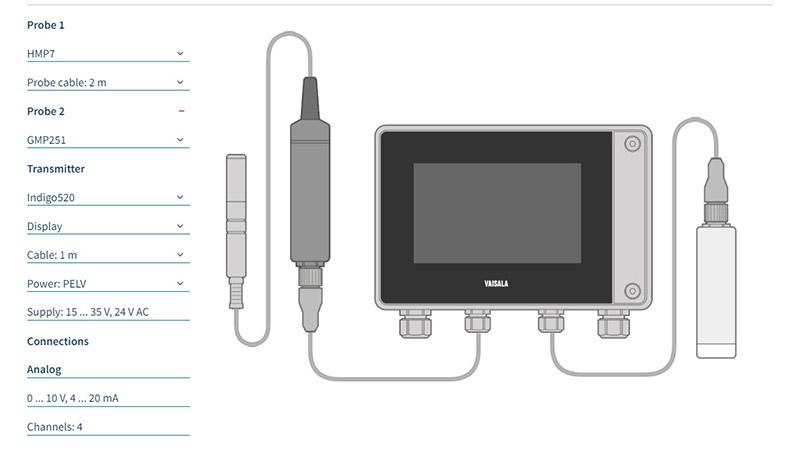
Indigo520 with probe

Indigo500 Series Transmitters

The Vaisala Indigo500 series transmitters are host devices for Vaisala Indigo-compatible, stand-alone smart probes. The Indigo500 series include multi-functional Indigo520 transmitter and Indigo510 transmitter with basic features.
Monitoring & controlling with smart vH2O2 sensor technology

In this webinar, we describe how to achieve both monitoring and control of vH2O2 processes using the Vaisala PEROXCAP® technology used in the HPP270 series probes and Indigo transmitters.
 
We will discuss the different variables essential to achieving effective vH2O2 bio-decontamination, while preventing unwanted conditions that can cost time and money.
 

Comment

Muhammad Saeed Gohar

May 31, 2021
we are required to monitor the contents/residue of H2O2 in water lines after sanitization of water system.

Janice Bennett-Livingston

May 31, 2021
Dear sir,
Thank you for your question!
I have passed your enquiry along to our sales team. A Vaisala representative will reach out to you by email.

Add new comment

Hydrogen peroxide vapor probes & Modbus communications

Profile picture for user janice.bennett
Submitted by janice.bennett on
How to install HPP270 probe with Modbus video
Industrial Manufacturing and Processes
Industrial Measurements
Life Science
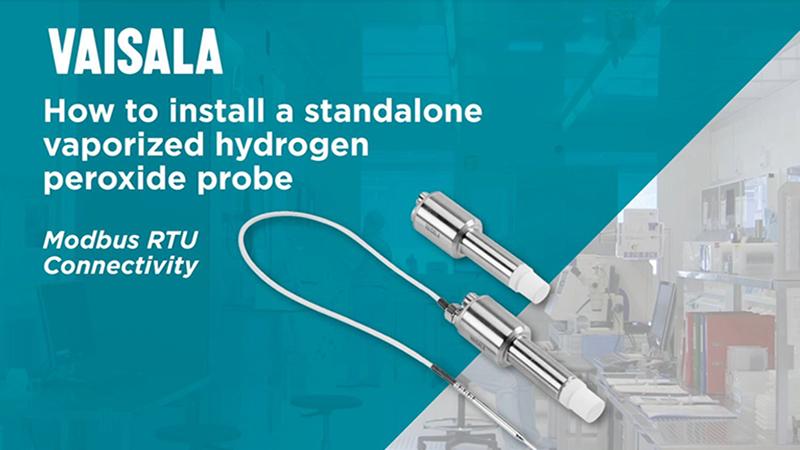
In this video blog, product engineer Joni Partanen demonstrates how to connect the HPP270 vaporized hydrogen peroxide probe using a Modbus protocol. Modbus is a communication protocol used for transmitting information over serial lines between electronic devices. The device requesting the information is called the Modbus Master and the devices supplying information (in this case, the HPP270 probe) are Modbus Slaves.


Edited transcript:
 
Vaisala’s HPP272 probe can communicate by using Modbus RTU digital communication. If Modbus is new to you, this video will show you how to get started. You will need a USB cable to communicate with the probe and Vaisala’s Insight PC software. This cable can also be used for demonstrating and testing RS485 communication protocol, which the Modbus RTU was built on.
 
We’ll take a PC with Insight software installed, cable, and connect our probe. The Insight software detects the probe automatically. But first, we’ll find the COM port that this probe is connected to.
 
Open the device manager in Windows and find the ports under: COM & LPT. There you will find the Vaisala device. In my computer’s configuration, it’s COM 11. You will probably have a different COM port. We will also need our HPP270 probe User Guide. Now we need a program that can use the Modbus protocol to communicate with the probe. You can find the tools we discuss in this video at modbus.org/ under Technical Resources.
 
The particular tool you use is up to you. I will use the modpoll tool, which is a command line based Modbus master simulator and test utility. I have already installed this program on my computer. In a command prompt screen, typing “modpoll -h” will bring up a Help section. Now, I will refer to my HPP270 user guide.
 
I’m going to create the communication settings. In my command prompt, I type in Modpoll, then “-m rtu”, “-a” for address. The default address of the probe is 240. Now I will adjust the parity. The default parity is even, but this Modbus protocol is actually using none. So let's change that;  type “-p none”. We then adjust the stop bits “-s 2”.  And to check the registers we want to read, we turn back to the HPP270 user guide.
 
Here is an advantage of the Modbus protocol: with analog outputs, we can output only two values. But, as you can see from the address mapping in our user guide, there are many different parameters available in the HPP270 probe. So. let's read several different values.
 
We start with register one “-r 1”. We will read six values “-c 6” These are floating point numbers, so “- t 4:float” We are now reading holding registers (Modbus protocol defines a holding register as 16 bits wide.)
So now we enter the right COM port (COM11 in this case).
 
Now we have some values, but we don’t yet have all the values. We see that the third register gives a value for temperature. The reason we don’t yet have all the values is that the probe is currently in purge mode. How do we know that? We also can get that information from the probe using Modbus and our user guide.
 
Starting from register 513 in the user guide under the section: Modbus Status registers. Because we want to read integer values here and the first register is 16 bits, but the second and third registers are 32 bits.
So with this command we see that there is some kind of notification. In the user guide we go to Table 17– Error Codes 0203 hex 32 bit) to find what the 516 register tells us. And we see that a purge is in progress. We’ll wait until the purge process is completed, then we can read the other values.
 
NOTE: It takes approximately four minutes to complete a probe purge process. Probe purge is recommended at least every 24 hours of powered-on time, even if the probe has not been continuously exposed to H2O2. If needed, the purge process can be triggered at any time using Vaisala Insight software, Modbus (in digital mode), or pin #5 on the M12 connector (in analog mode).
 
Now that the purge is complete, it’s time to read the measurement values. In the user guide, we will turn to Section A.4.1 – Measurement data registers (Table 13), which allows us to match the register number to the unit of measurements.
 
In register 1, vaporized hydrogen peroxide is 7.985 ppm; register 3 shows the relative saturation is 16.107; register 5 shows temperature is 24.64 °C; register 7 shows the relative humidity is currently the same as relative saturation, 15.91 RH%. Register 9 shows the absolute hydrogen peroxide value 11 mg/m3 and register 11 shows mixture dew point temperature at -1.9 °C. These are useful parameters....
 
The Modbus protocol is quite handy because you can get all these parameters digitally. The next step would be to implement this communication in your Programmable Logic Controller system (PLC), or other control system. I recommend that you consider Modbus communication with the HPP270 probe because it allows you to control the purge process, get all the necessary parameters, and status signals from the measurement probe.
 
If you have any questions, please leave them in the comments below. Or contact us...
In our next video blog, learn how to connect the HPP270 probe with analog communications.
Vaisala Product Manager Joni Partanen

Joni Partanen

Vaisala Product Manager

Joni Partanen is a Product Manager at Vaisala, overseeing the development of industrial instruments for many industries, including life science and pharmaceutical industries. With two decades of experience in process industry measurement technology, industrial engineering, and instrumentation, he brings deep technical expertise to his role. Joni holds a Bachelor of Engineering degree in Automation Technology and is committed to advancing reliable measurement solutions that support compliance and performance in regulated environments.

Related products
Indigo520 with probe

Indigo500 Series Transmitters

The Vaisala Indigo500 series transmitters are host devices for Vaisala Indigo-compatible, stand-alone smart probes. The Indigo500 series include multi-functional Indigo520 transmitter and Indigo510 transmitter with basic features.

Webinar: Modbus 101

Digital communication may sound complicated, expensive, and difficult to implement. In this webinar, our experts will give an introduction to the Modbus protocol and address the questions below:

  • What does digital communication mean?
  • How does digital communication differ from analog outputs?
  • What are benefits of the digital communication compared to analog outputs?
  • How to get started?

Watch now

Comment

Hannah Sparks

Apr 23, 2021
How do you output data from Modpoll to .csv or .xlsx file?

Janice Bennett-Livingston

May 21, 2021
Thank you for your question! Joni will reach out to you by email.

Add new comment

Clinical trial monitoring goes mobile to help with COVID-19

Submitted by janice.bennett on
Mobile Clinical Trial Lab Monitoring with Wireless Data Loggers
Life Science
In June of 2020, a US-based drug manufacturer initiated an innovative project to conduct clinical trials on potential treatments for elderly COVID-19 patients. Long-term care facilities have been especially vulnerable to COVID-19 outbreaks since the beginning of the pandemic, with some sources estimating that up to 40% of novel coronavirus-related deaths in the U.S. occurring in those facilities.

To respond to this devastating situation and ensure that elderly people living in long-term care were included in research on treating the virus, a team of clinical development, clinical supply, and engineering experts came up with the idea of converting recreational vehicles (RVs) into mobile research units. Along with the mobile units, trailer trucks were customized to transport clinical research supplies.

Clinical trials are one of the most complex and challenging ventures in science and the data they produce must be painstakingly collected and protected, or crucial research can be lost. Laboratories that contain samples and other high-value research assets require storage environments that are carefully maintained in specified conditions.  Records of those conditions must be complete and accurate.

The drug manufacturer conducting this clinical trial already used Vaisala’s viewLinc system to monitor temperature, humidity, and other parameters in several cGMP environments at their facility. The question was, could the viewLinc system’s data loggers be used in the new mobile research units to send monitoring data back to their existing viewLinc system and send alerts for excursions? More importantly, could Vaisala provide such a solution quickly?

Conducting clinical trials in mobile units was almost unthinkable before COVID-19. But with the help of the VaiNet wireless monitoring technology and Vaisala’s quick-thinking project engineers, the drug manufacturer was able to put its mobile research units on the road within 30 days.
 

Mobilizing a monitoring system

The drug manufacturer contacted Vaisala. They would need monitoring in the refrigerators and freezers mounted inside the RVs newly outfitted as mobile research units. The RVs would be traveling the country to perform clinical trials in long-term care and nursing home facilities. However, due to the pandemic and the vulnerability of the residents, the implementation timeline for the monitoring system in the mobile research units was only a few weeks.

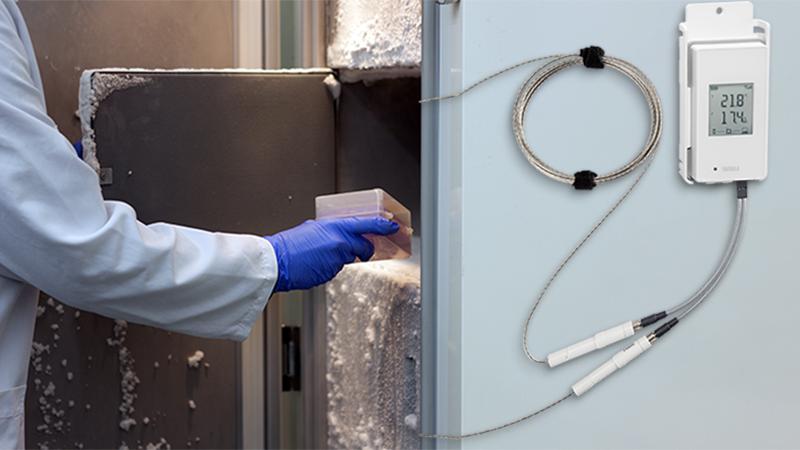
Because the fridges and freezers would be opened twenty times per day or more, it was critical to record temperatures inside the fridges and freezers every few minutes to ensure proper conditions were maintained. The temperature data history also needed to be automated, accurate, complete, and easily reportable. Ideally, the data would reside in their existing viewLinc monitoring system, which was validated. Most importantly, if any temperature excursions occurred, remote staff had to be alerted immediately by email or text message.
 

Leveraging modern communication technology

Vaisala project engineers used simple, off-the-shelf modems to enable several VaiNet AP10 network access devices to communicate from the mobile laboratories. This was achieved without a VPN to connect the access points in the RVs to the viewLinc server. This method requires only a modem and the inherent communication capabilities of the AP10.

The wireless RFL100 temperature and humidity data loggers use Vaisala’s proprietary VaiNet wireless technology. The modulation technique used by VaiNet is based on LoRa™ chirp spread spectrum. LoRa™ (Long Range) is a low-power, wide-area network (LPWAN) protocol.
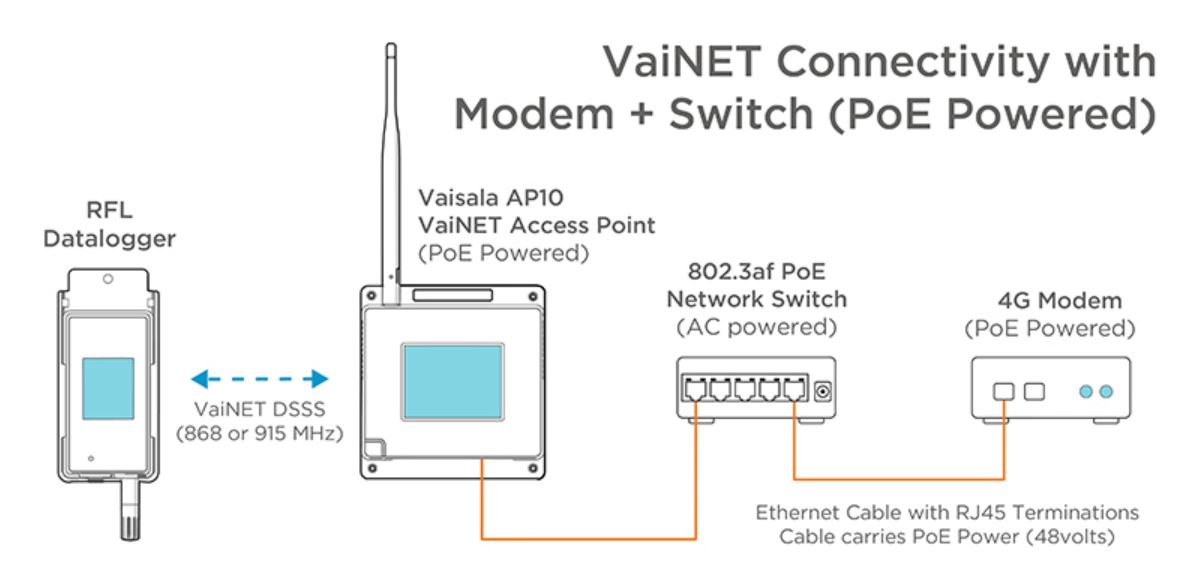
VaiNet’s indoor signal range typically exceeds 100 m (300 ft.) and can easily penetrate walls and other barriers. Outdoors, the signal range is much higher.  For instance, if the research staff were to take the RFL-100 data loggers outside the mobile labs, they could go several hundred feet from the RV and maintain connectivity to the AP10 network device. The AP10 access point functions as a base station for the VaiNet wireless data loggers.  This diagram shows how communication is achieved in a mobile VaiNet Application.

Mobile Monitoring Application Diagram


Low power, simple, and fast

In the application, the RFL100 temperature probes were placed inside fridges and freezers.  The AP10 was connected by Ethernet cable that included Power over Ethernet (PoE) to a network switch inside the RV. A typical PoE network switch provides roughly 48 to 50 volts along with network connectivity. This eliminated the need for DC power adapters for the AP10 network access devices. A 4G modem, which was also PoE-capable, was used. This allowed only one outlet to power the monitoring system; the network switch uses a power outlet and provides power to both the AP10 and the modem via PoE.  However, all devices are equipped with power adapters, and if needed, the AP10 could connect directly to the modem.
 
The modem was used for communicating with the AP10, but also provided local internet access at a computer workstation inside the RV. The advantage to using a 3G/4G modem with the AP10 is that the AP10 uses an extremely low amount of data bandwidth. Although each AP10 can host up to 32 RFL100 data loggers, there is only a small amount of data going through the wireless modem, using very little bandwidth. Since cellular modem charges are based upon usage, this was a cost-effective solution. The modem communicates to a cell tower and allows the data to be sent over the Internet to the validated viewLinc server.
 

Stronger together

The mobile research units created in 2020 are currently deployed to COVID-19 outbreaks at facilities across the U.S. This clinical trial was the first of its kind and a steep learning curve for the many scientists, project managers, and engineers who worked to implement it. In a time when so many are isolated, few are as isolated or vulnerable as people living in nursing homes and long-term care. Vaisala is proud to provide a solution to a research organization undertaking an innovative endeavor to help in an urgent situation.

Space-proof SensorsMars Rover Space Proof Technology

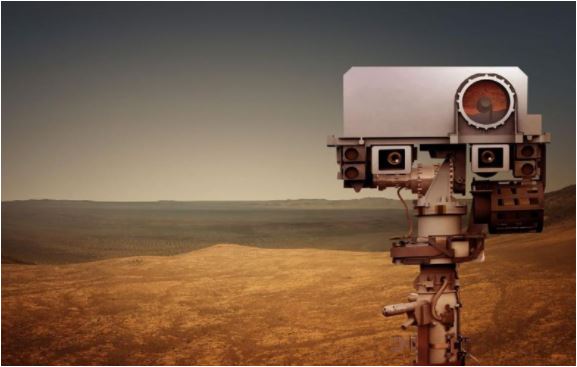
We are proud that our measurement technologies are heading to space on the Mars Perseverance rover. These same technologies were initially developed for many industries here on Earth, including: clinical trials and vaccine monitoring, pharmaceutical production and distribution, hospitals and blood/tissue banks, and numerous industrial applications.
 
Learn about two key Vaisala sensors used on the rover: HUMICAP® and BAROCAP®.
 
Learn more about these sensors, likely already at work in your industrial applications.
 

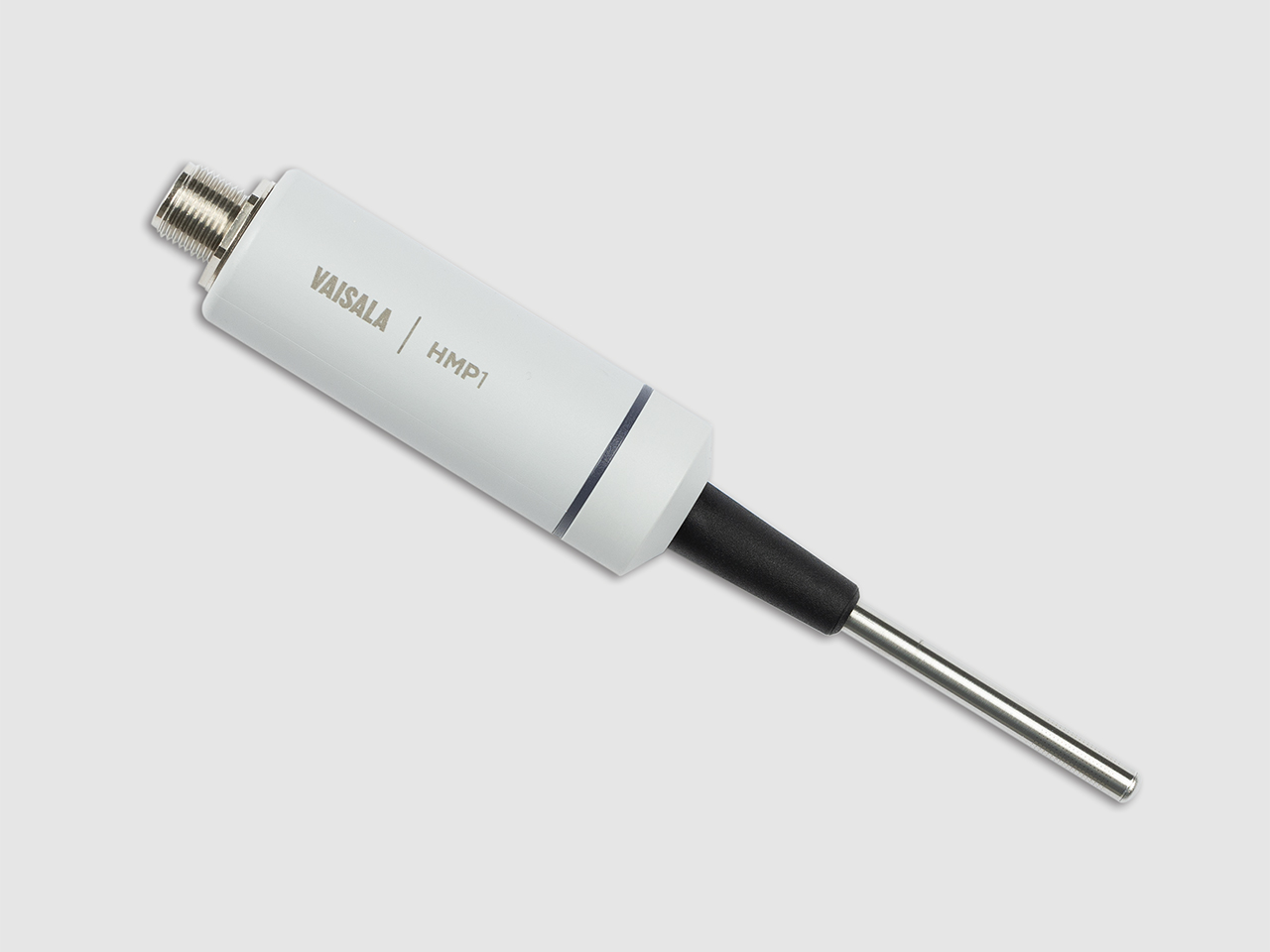
Vaisala to expand its premium Indigo product range with high-performance HMP1 probe for humidity and temperature measurements in high-end facilities

Submitted by feed-importer on
Man in datacenter
Press Releases

Vaisala
Press Release
November 18, 2020

Vaisala to expand its premium Indigo product range with high-performance HMP1 probe for humidity and temperature measurements in high-end facilities

The new HMP1 probe provides the best performance for measurements in critical production and storage facilities as well as in locations such as data centers where measurement accuracy, easy maintenance, and robustness are crucial.

Vaisala, a global leader in weather, environmental, and industrial measurements, has today introduced a new HUMICAP® Humidity and Temperature Probe HMP1. With its top-of-the-line accuracy and sensor purge functionality that ensures excellent stability over time, the HMP1 is an ideal choice for demanding humidity measurements in environments such as pharmaceutical facilities, data centers, cleanrooms, or any other environments that require strict humidity monitoring and control.

The product features the recognized and space-proof HUMICAP® sensor technology, which is known to endure demanding conditions.

The HMP1 complements the Indigo product family, which is a premium solution for multi-parameter measurements with flexible connectivity. The modular product family consists of interchangeable smart probes, transmitters, and Vaisala Insight PC Software, which together create a strong chain of data to ensure energy efficiency, safety, and end-product quality.

Premium solution for wall-mounted humidity and temperature measurements
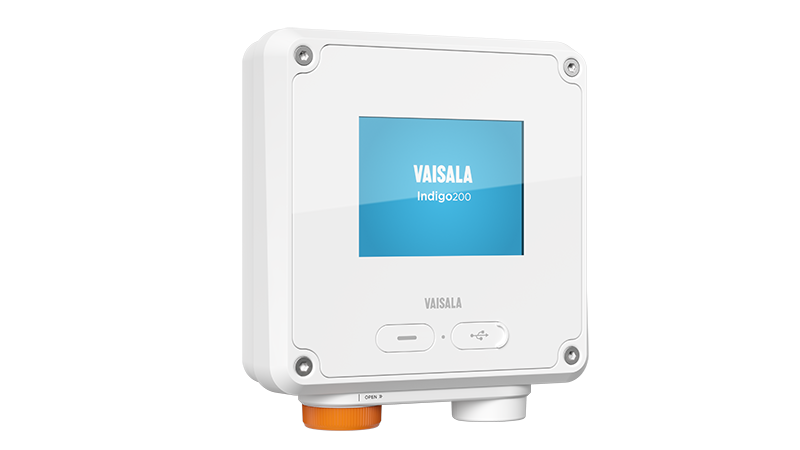
The probe is compatible with any Vaisala Indigo series transmitter. The possibility to detach the probe from the transmitter allows efficient maintenance and calibration. With the Indigo200 series transmitter the HMP1 probe forms a single wall-mounted unit with no probe cable or probe holder needed. The robust Indigo520 transmitter offers installation flexibility and allows optimal positioning of the probe. It also enables dual-probe installations for extended parameter monitoring or extreme accuracy.  

The unique combination of measurement performance, easy maintenance, and the extensive range of additional features in the Indigo transmitter series creates a premium solution for wall-mounted humidity and temperature measurements in demanding applications.

The HMP1 can also be used as a standalone wall-mounted transmitter over Modbus RTU serial bus. Whether the HMP1 is used as a standalone unit or with an Indigo transmitter, it can be connected to the complimentary Vaisala Insight PC Software for easy field calibration, probe configuration, and device analytics.

Software update for the Indigo520 transmitter
In addition to the product launch, Vaisala has also announced a software update for the Indigo520 transmitter that includes temperature compensation. Together with the Indigo-compatible humidity and temperature probe HMP7 and the temperature probe TMP1, it now also delivers accurate and reliable relative humidity data in condensing environments such as test chambers or fuel cells, where traditional instruments fall short.

“We are very excited about the news! The HMP1 and software launch together sum up our ambitions perfectly: Helping our customers across industries to optimize their processes for better results by building on our very strong technology base, and to provide industry’s most reliable solutions to measurement challenges in demanding applications,” comments Vaisala’s Product Manager Jarkko Ruonala.

The Vaisala HUMICAP® HMP1 probe will be available to order in December 2020.


More information for the media

Miia Lahti, Communications Manager, Industrial Measurements, Vaisala
+358 50 555 4420, [email protected]
 
Vaisala is a global leader in weather, environmental, and industrial measurements. Building on over 80 years of experience, Vaisala provides observations for a better world, with space-proof technology even exploring Mars and beyond. We are a reliable partner for customers around the world, offering a comprehensive range of innovative observation and measurement products and services. Headquartered in Finland, Vaisala employs approximately 1,900 professionals worldwide and is listed on the Nasdaq Helsinki stock exchange. www.vaisala.com
twitter.com/VaisalaGroup
linkedin.com/Vaisala


Attachments


Lounges 2022

May 17
person in pharmaceutical laboratory cleanroom
Messe Karlsruhe
dm-Arena, Messegelände, 76287 Rheinstetten
Germany

Welcome to meet our experts and reliable measurement instruments and continuous monitoring system at booth H1.9  in Lounges 2022,  Karlsruhe! 

Do I need an Indigo transmitter or just an Indigo probe?

Blog authors Jarkko Ruonala and Joni Partanen with the Indigo520
Greenhouses and Indoor Farming
Industrial Manufacturing and Processes
Industrial Measurements
Innovations and Inspirations
Life Science
Sustainability

The Vaisala Indigo family is a modular solution with interchangeable probes, smart transmitters, and Indigo Insight PC software. There are many probe options to choose from measuring several parameters: humidity, temperature, dew point, carbon dioxide, moisture in oil, and vaporized hydrogen peroxide. The probes can be attached to three different transmitters: the Indigo201, Indigo202, and Indigo520. But when is a probe sufficient on its own – and when do you need both a probe and a transmitter?

Indigo-compatible smart probes are based on our well established technology and include everything required to perform measurements – the probes are actually already transmitters. 

Indigo-compatible probe HMP7 with green indicator light in the probe body.
HMP7 probe body with green indicator light.

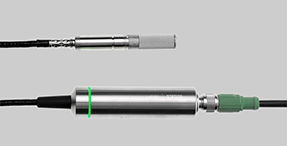
The Indigo-probes have been designed to take users into consideration. Small details are important, for example, standardized cables and an indicator light in the sensor body that shows if the probe is powered. The light also indicates if the communication link is working. When it starts blinking, data is transmitted successfully to the system. Think of a situation where you are installing several probes in a difficult place, like 6 m above the floor, inside a large industrial facility. How do you know that they are working? The indicator light in Indigo-compatible probes tells you both that they are working and that they are transmitting data. In a fault situation the indicator light turns red. This is one of many details that reflect the device’s high quality. 

Standardized cables also offer great flexibility. If you need a longer cable, you don’t have to return the entire product to us; instead, you can simply use a standard cable to connect the transmitter and the probe.

Deciding whether to use just a probe or a combination of probe and transmitter is determined by what kind of system connections you have. Can you use Modbus RTU serial protocol, for example? Is your power supply suitable? Is there a need for galvanic isolation?

Typical customers that might choose to use a probe on its own are often Original Equipment Manufacturers (OEM), or someone building an integrated system with its own user interface for observing measurement data. All end users can employ a stand-alone probe if the requirements between the system link and the voltage supply are met, and if you don’t need the advanced features that the transmitters provide. However, there aren’t any specific application areas or industries where using a stand-alone probe is particularly beneficial. Sometimes companies start out convinced that they need both a probe and a transmitter but end up discarding the latter. For example, a pharmaceutical company first purchased Indigo-compatible probes together with Indigo201 transmitters. After some time, they realized that using Modbus works perfectly well for them and decided to use just the Indigo measurement probes without the Indigo transmitters. 

Benefits of using a transmitter

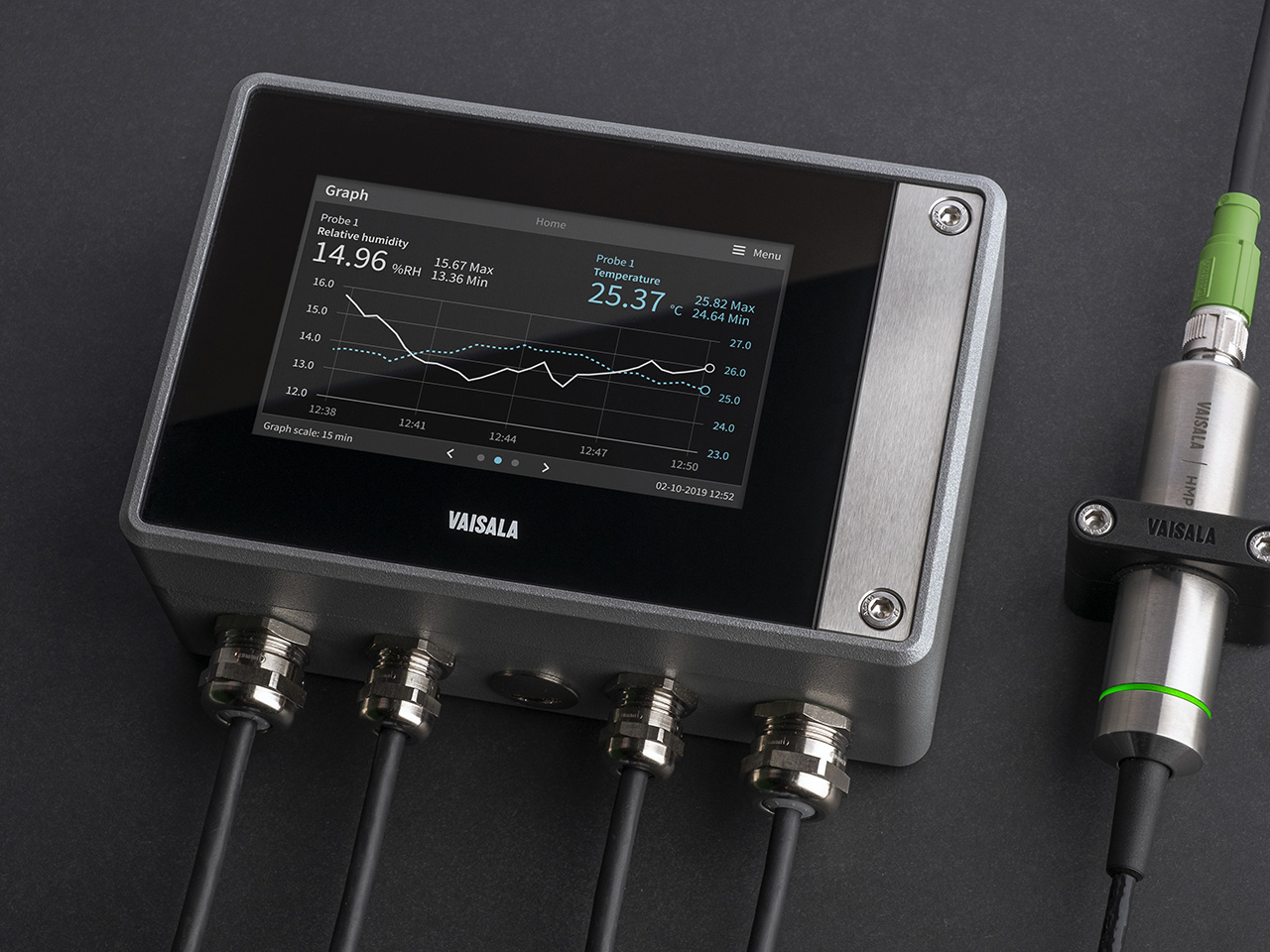
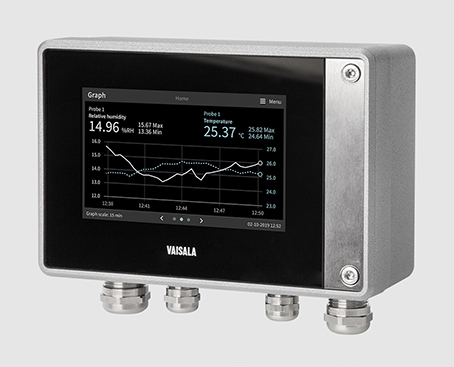
indigo520 transmitter with a display showing trends.Even though the Indigo probes can be used as a standalone measuring instruments, using them together with an Indigo transmitter is highly recommended. For example, having a local display in the transmitter is useful, when something isn’t clear or there’s a problem, or when performing maintenance work in the field. Hidden costs may decrease considerably. For example, data from probes is shown on the transmitter display, allowing users to view what is going on.  

Let’s take a look at a real-life example of a northern European customer who bought Indigo probes without transmitters for an end user located in the Caribbean. The probes were connected to the end-user’s automation system using an analog signal. A problem emerged and despite a lot of troubleshooting, the end user couldn’t figure out root cause. The purchasing company finally sent a technician to the Caribbean only to learn that the analog signal had wrong scaling, which caused the system to not respond correctly to what the probes transmitted. In this case, had the purchasing company opted for a transmitter with a display connected to the system, the purchasing company would not have had to send a technician at all. It would have been more cost efficient to purchase the transmitter with a display in the first place. 

If you are looking for maintenance efficiency, it’s not enough to have analog output transmitters with manufacturer-specific service cables and a technician checking measurement devices one by one. Transmitters with displays would be the only smart choice in big industrial facilities, where there may be hundreds of measurement probes. 

Yet another reason why the transmitter is important is viewing history data. Sometimes automation systems don’t archive data for long periods or even at all, making it good to have local data storage in the transmitter. It’s very convenient to analyze the historical data from the trend view, while inspecting process conditions in the field. The event log is also excellent for examining random process failures. 

Let’s not forget that transmitters are also extremely watertight junction boxes. Transmitters with wiring headers inside tolerate extreme conditions very well, so there’s no need additional field boxes for interconnection. All the connections can be made inside the transmitter enclosure. 

What’s more, the transmitters have galvanic isolation, which is an essential feature in demanding industrial environments. Galvanic isolation is a design technique that separates electrical circuits to eliminate stray currents. Signals can pass between galvanically isolated circuits, but stray currents, such as differences in ground potential or currents induced by AC power, are blocked. Without galvanic isolation, the measurement may be disturbed, which leads to inaccurate data – in the worst-case scenario a lack of galvanic isolation can lead to device failure. If you are using analog signals in industrial environments, you should always use devices with galvanic isolation, which you get by using an Indigo transmitter.  

Analog or digital communication?

There are three Indigo transmitter options: the Indigo201, Indigo202, and Indigo520. The Indigo200 series transmitters have three analog outputs and the Indigo520 has four, which allows more signals to be transmitted into the automation system. Although some Indigo-compatible probes, such as HPP270 series probes measuring vaporized hydrogen peroxide have two analog outputs, they measure more variables. If you need three, four, or more variables in your system, you need a transmitter that has many more analog outputs. 

Analog messages are often not adequate for modern industrial applications – more sophisticated transmitters are needed to transmit specific data like whether the measurement is working properly, if the data is reliable, and reasons why the transmitter is showing zero. In dew point measurement it’s important for users to know when auto-calibration takes place, which is when measurement data is either not available or not reliable; analog messages cannot show this. For online-offline measurement status to show in analog messages, you would need separate signal for relay and binary input. This problem applies to analog channels only. If you use numeric system links like Modbus RTU, Modbus TCP/IP, or OPC UA, there are no restrictions on how many numeric values you can transmit from the device. 

While analog outputs may appear simple, in reality they may be more complicated as the system requires signal conversions. Digital communication on the other hand allows the transmitters to connect directly to an existing automation system without additional complexity. Another advantage of digital communication is the elimination of inaccuracies that appear in analog-to-digital conversion. There’s also no need to calibrate the analog loop, which is important in critical manufacturing industries like pharmaceutical companies. In addition to calibrating the sensor, users may also need to calibrate the analog signal going into the system. In the numeric link the message is always numerically accurate and there’s no need for data transfer calibration.

Reliability and high quality

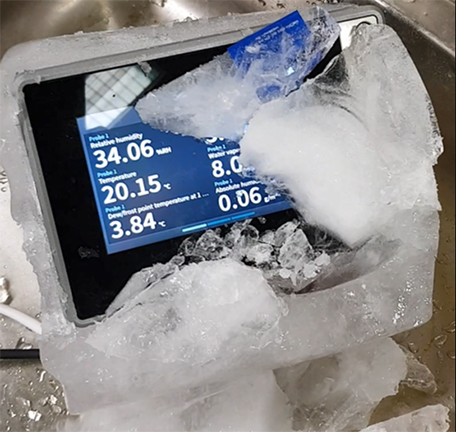
The Indigo520 transmitter in operation inside an ice block.

The Indigo520 transmitter has been thoroughly tested in laboratory conditions. According to Vaisala’s testing philosophy, measurement devices are tested beyond what is required by standards. The transmitter is exposed to different temperatures, humidity levels, salt fog, UV light, mechanical shocks, and vibrations until it fails, providing genuinely reliable insight into what the product can tolerate in the field. Based on this we can guarantee the specifications of the device are tried, tested, and true. 

The Indigo520 transmitter with Modbus TCP/IP based on Ethernet is an ideal option for Indigo-compatible smart probes. The wide selection of probes measuring humidity, temperature, dew point, moisture in oil, carbon dioxide, and vaporized hydrogen peroxide can be used in many applications and even in harsh environments. Both Indigo transmitters and probes are corrosion resistant and tolerate different environments and temperatures very well. One of the most demanding environments where the Indigo520 has been installed is a power transmission field in Perth, Australia. The device is exposed to the elements 24/7, including direct sunlight. 

When using the combination of transmitter and smart probes, they are also easy to detach and send for calibration without having to remove the transmitter. A laboratory-calibrated replacement probe can be attached to the transmitter, which minimizes downtime considerably.

All things considered, it’s generally recommended to choose one of the Indigo transmitters with the Indigo probes.

Learn more about the Indigo family.
Or, read how using the Indigo520 transmitter helped one of our customers.

For more information, Contact us!


Related products
Indigo520 with probe

Indigo500 Series Transmitters

The Vaisala Indigo500 series transmitters are host devices for Vaisala Indigo-compatible, stand-alone smart probes. The Indigo500 series include multi-functional Indigo520 transmitter and Indigo510 transmitter with basic features.

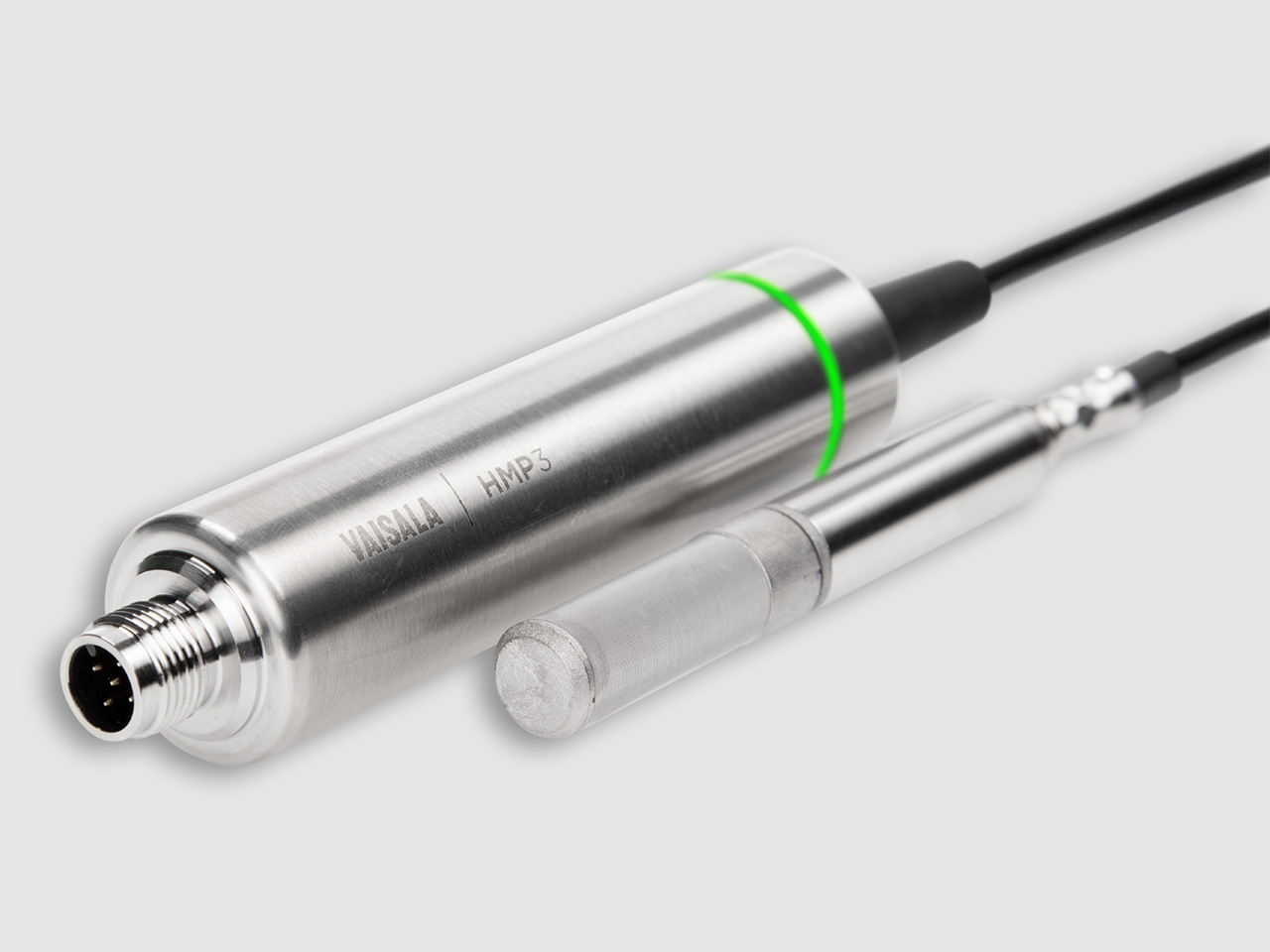
Vaisala HUMICAP® Humidity and Temperature Probe HMP3 is a general-purpose probe designed for processes with moderate humidity and temperature levels.
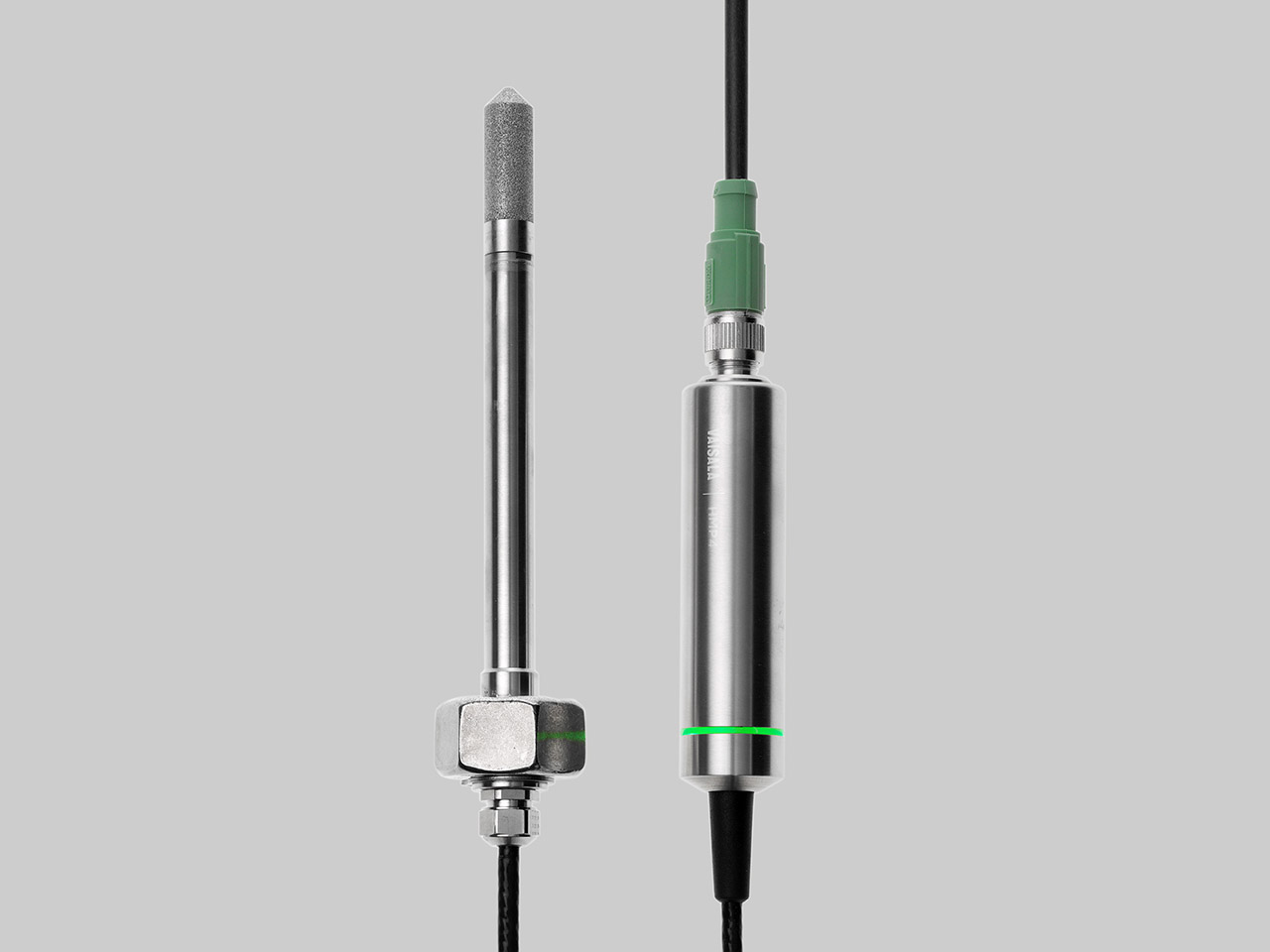
Humidity and Temperature Probe HMP3

Vaisala HUMICAP® Humidity and Temperature Probe HMP3 is a general-purpose probe designed for processes with moderate humidity and temperature levels.

Vaisala HUMICAP® Humidity and Temperature Probe HMP4 is designed for high-pressure applications

Relative Humidity and Temperature Probe HMP4

Vaisala HUMICAP® Humidity and Temperature Probe HMP4 is designed for high-pressure applications such as compressed air systems in maritime, breathing air, and industrial applications, where measurement performance and chemical tolerance are essential.
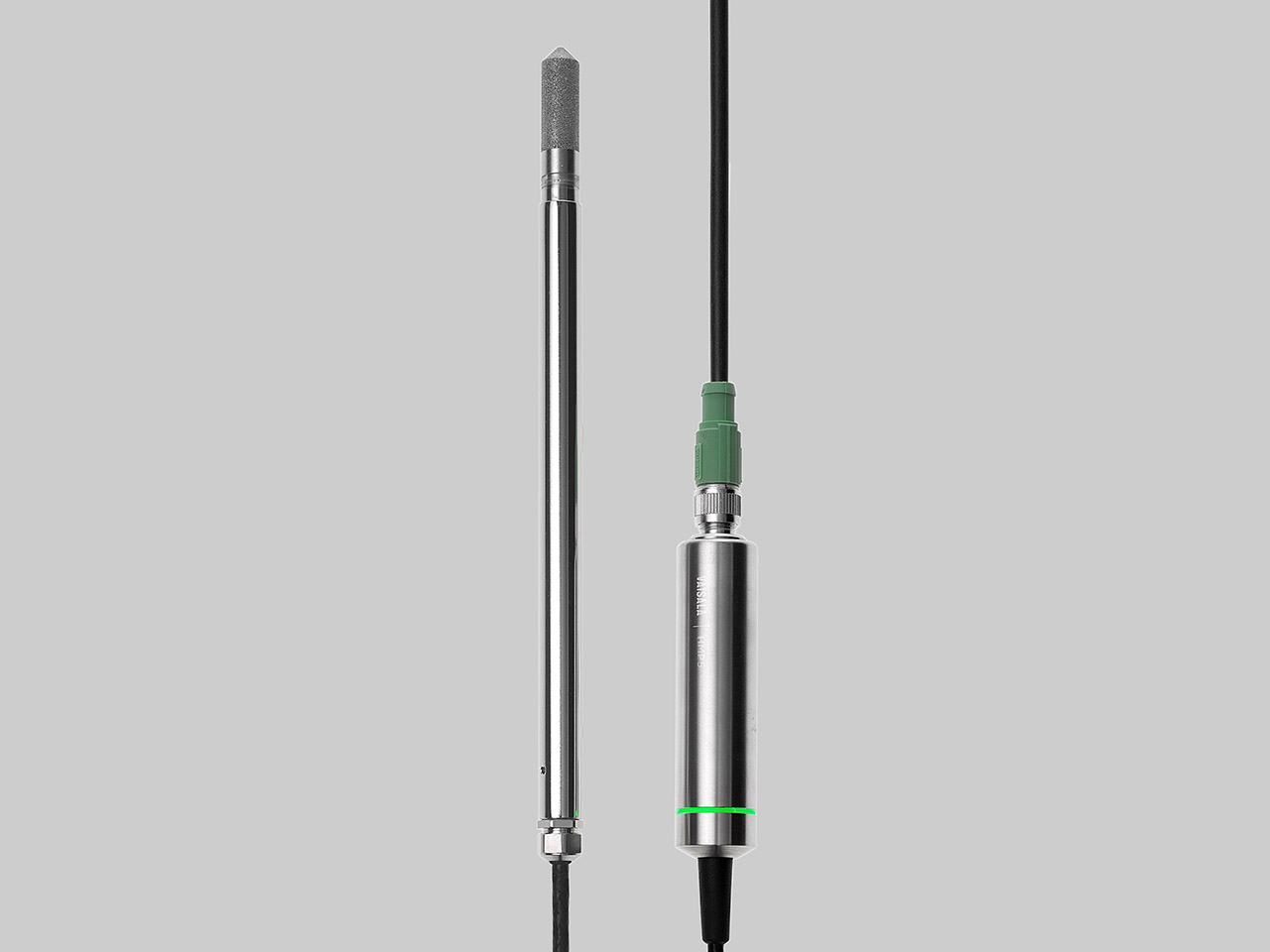
Vaisala HUMICAP® Humidity and Temperature Probe HMP5 is designed for high temperature applications

Relative Humidity and Temperature Probe HMP5

Vaisala HUMICAP® Humidity and Temperature Probe HMP5 is designed for high temperature applications such as baking ovens, pasta dryers, ceramics and industrial drying kilns where measurement performance and chemical tolerance are essential.
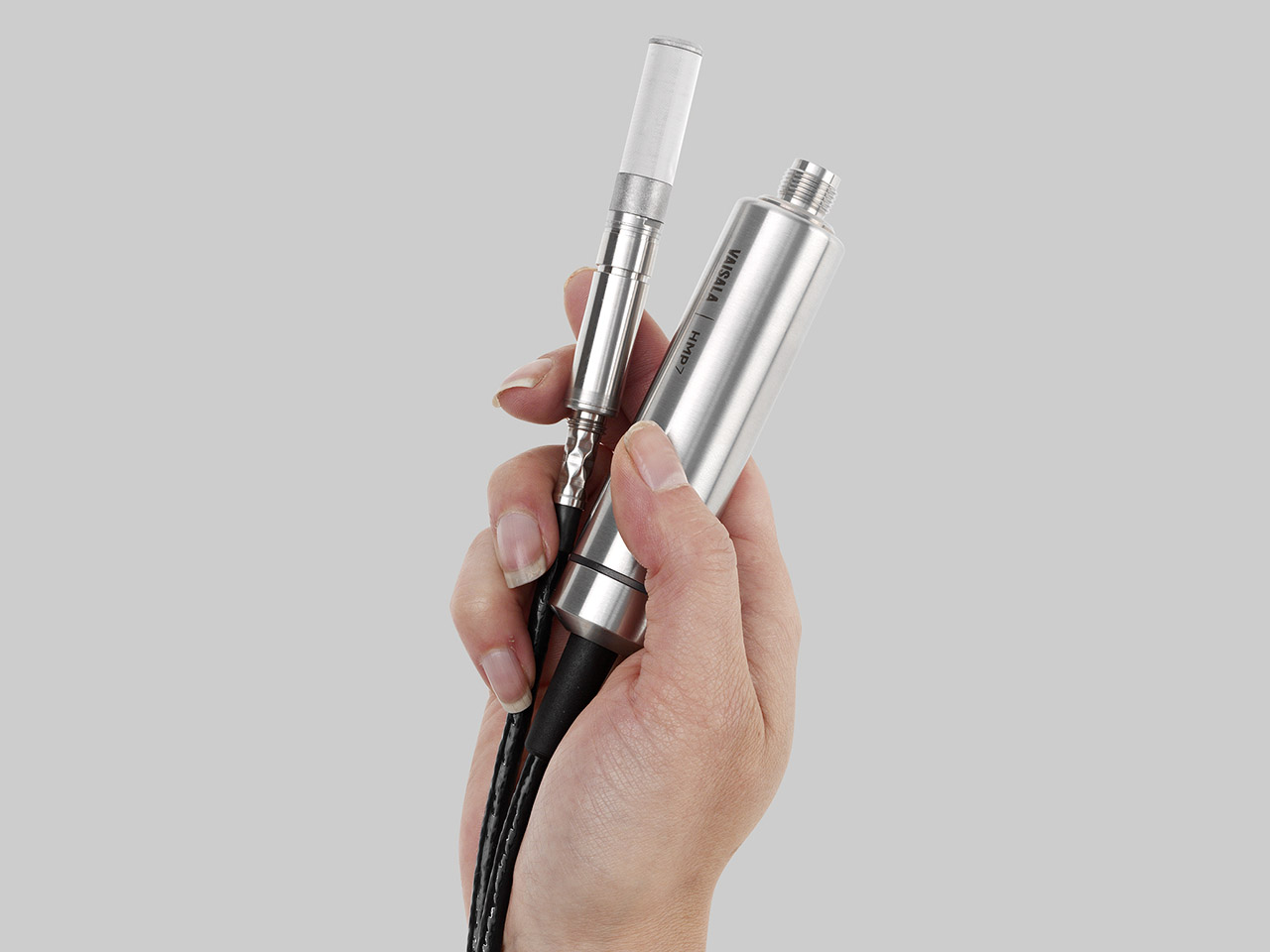
HMP8 and HMP8L

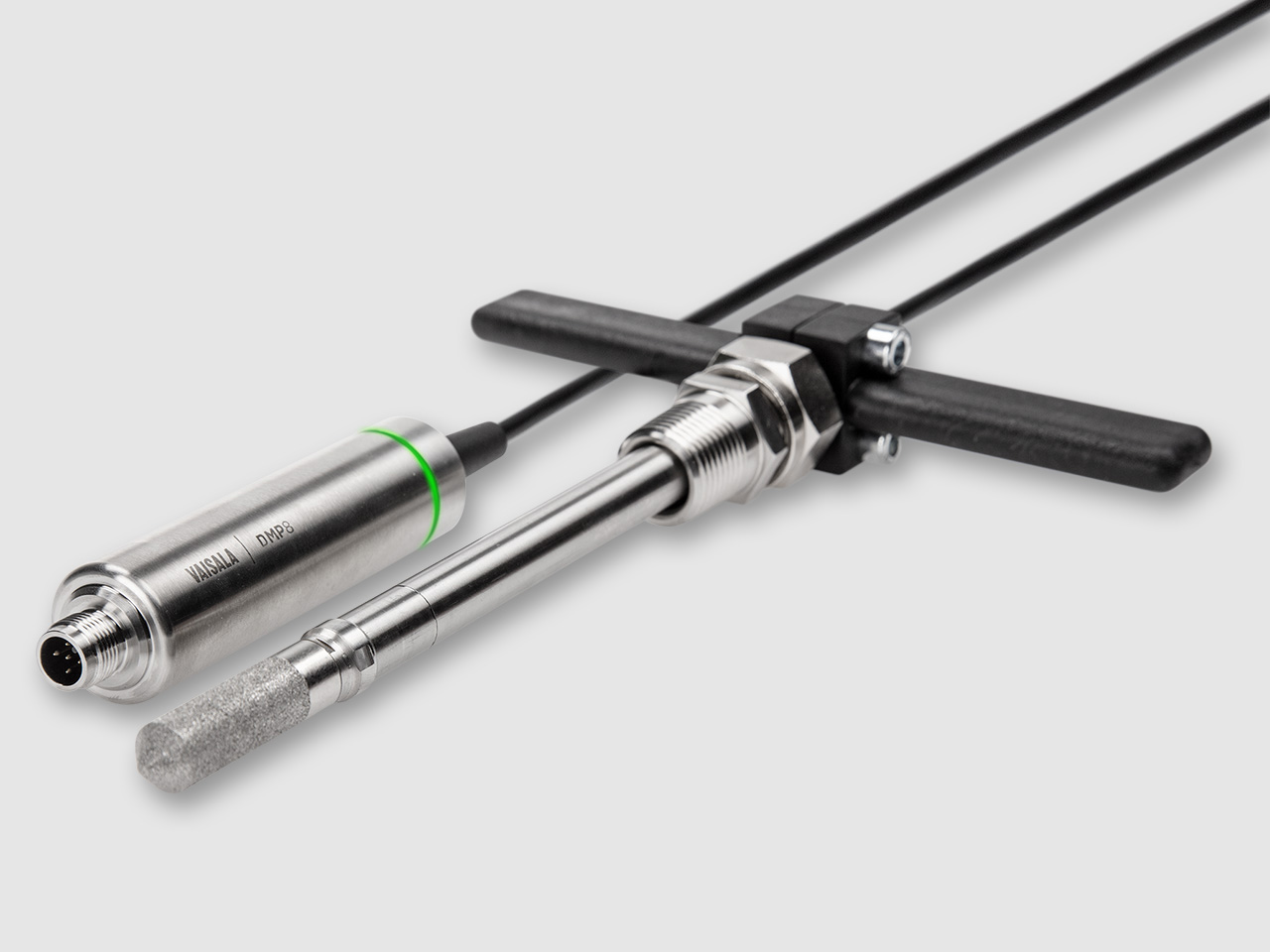
Relative Humidity and Temperature Probe HMP8

Vaisala HUMICAP® Humidity and Temperature Probe HMP8 is designed for pressurized applications in compressed air systems, refrigerant dryers, and other pressurized industrial applications where easy insertion and removal of the probe and adjustable installation depth into the pipeline are needed.
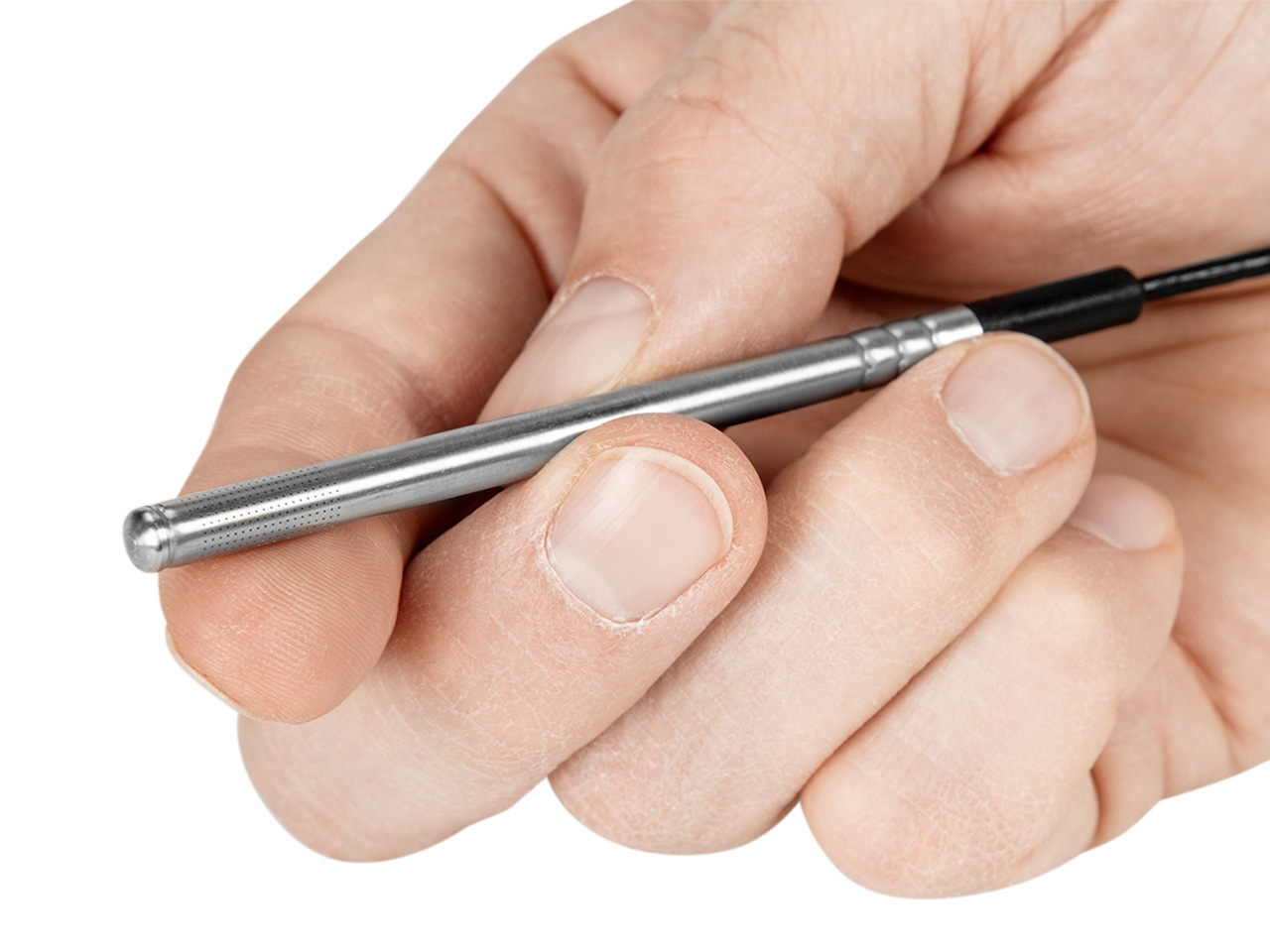
The Compact Vaisala HUMICAP® Humidity and Temperature Probe HMP9 is designed for easy installation in rapidly changing environments.

Compact Humidity and Temperature Probe HMP9

The Vaisala HUMICAP® Humidity and Temperature Probe HMP9 is designed for easy installation in rapidly changing environments where a fast response time, measurement performance, and chemical tolerance are essential.
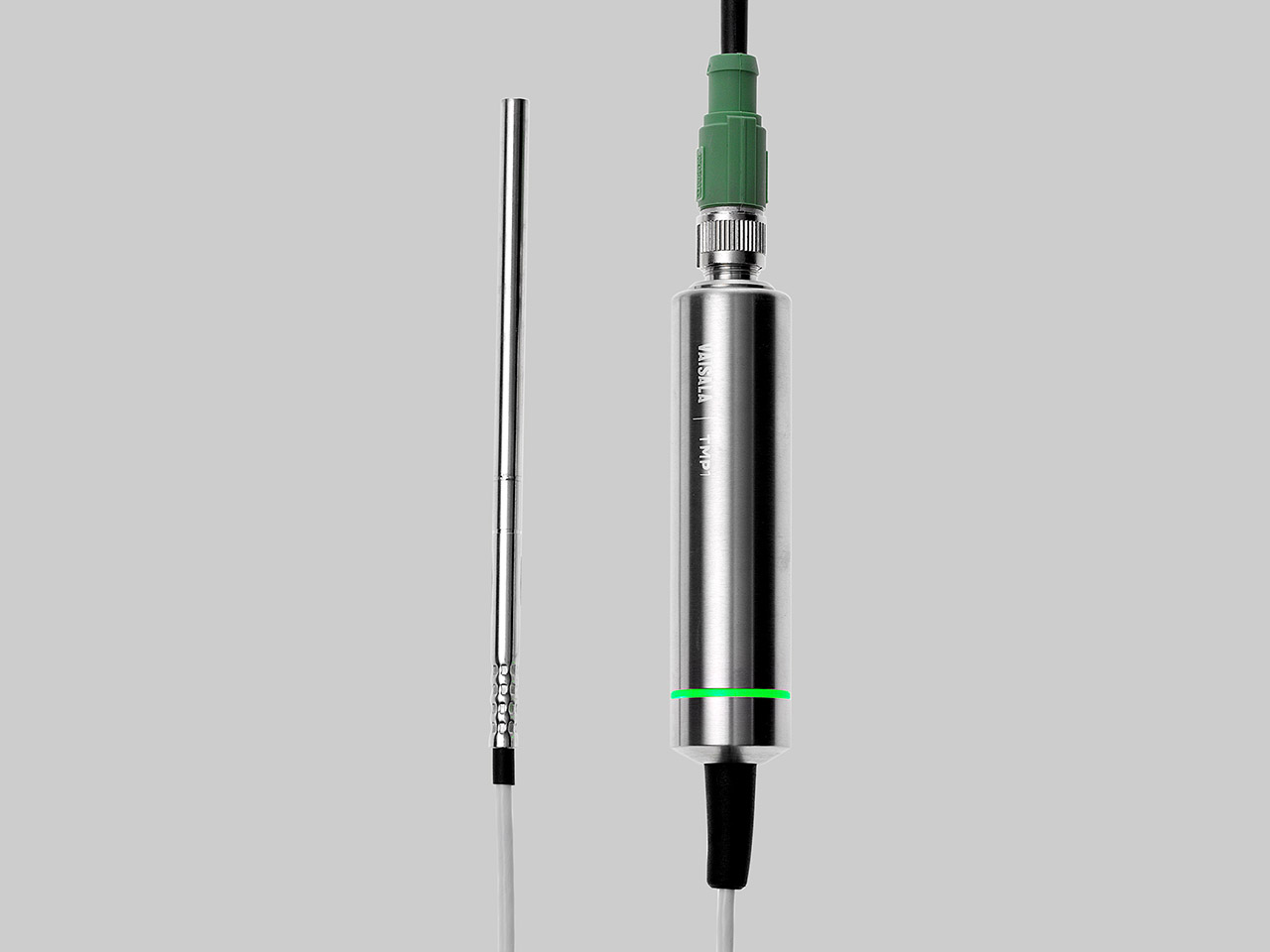
Vaisala Temperature Probe TMP1 is designed for demanding temperature measurements in industrial applications.

Temperature Probe TMP1

Vaisala Temperature Probe TMP1 is designed for demanding temperature measurements in industrial applications such as pharmaceutical industry and calibration laboratories, where accuracy and robustness are essential.
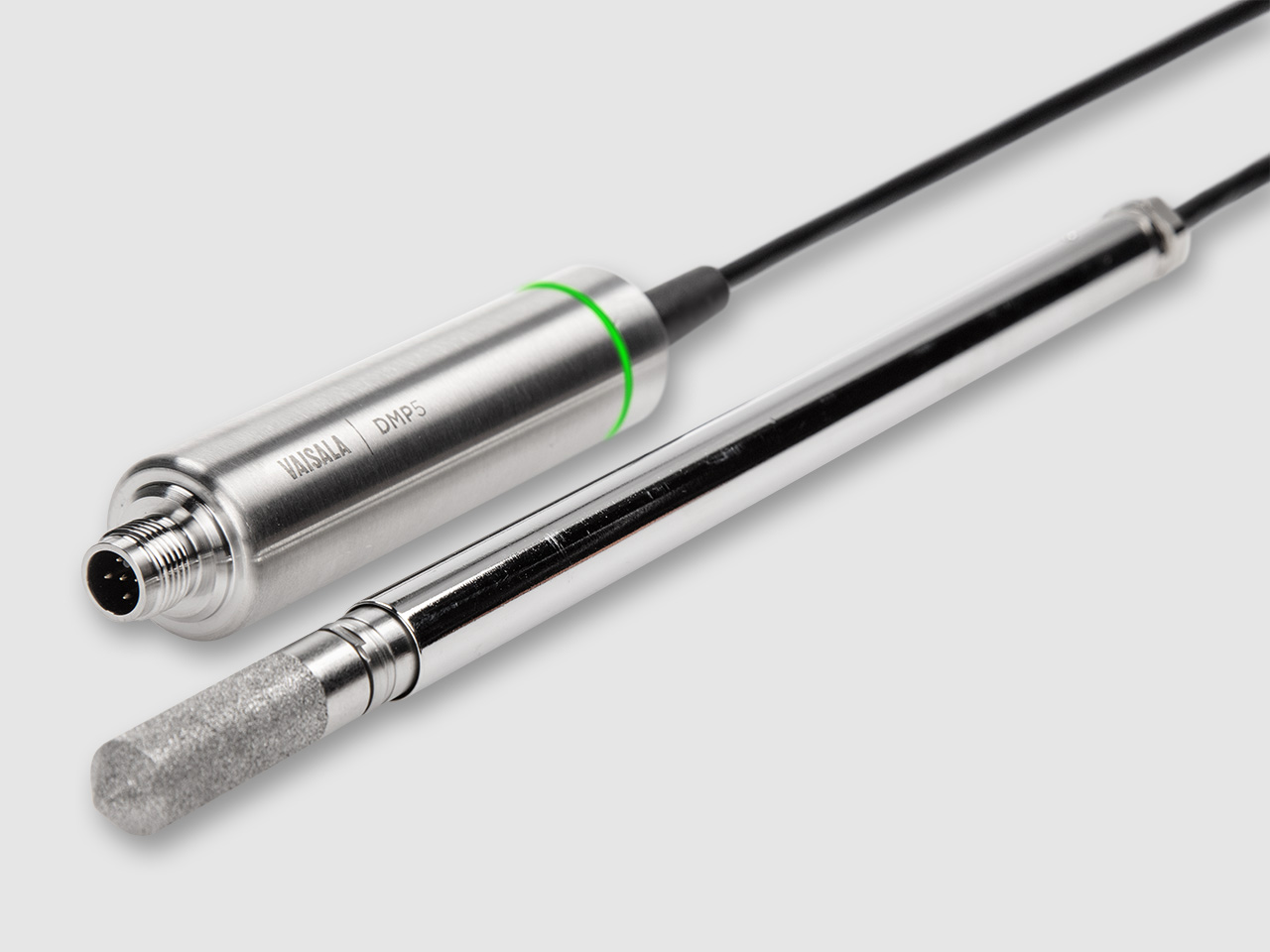
Vaisala DRYCAP®  Dew Point and Temperature Probe DMP5 is designed for in-line humidity measurement in industrial drying applications.

Dew Point and Temperature Probe DMP5

Vaisala DRYCAP®  Dew Point and Temperature Probe DMP5 is designed for in-line humidity measurement in industrial drying applications with high temperatures and a wide dew point range.
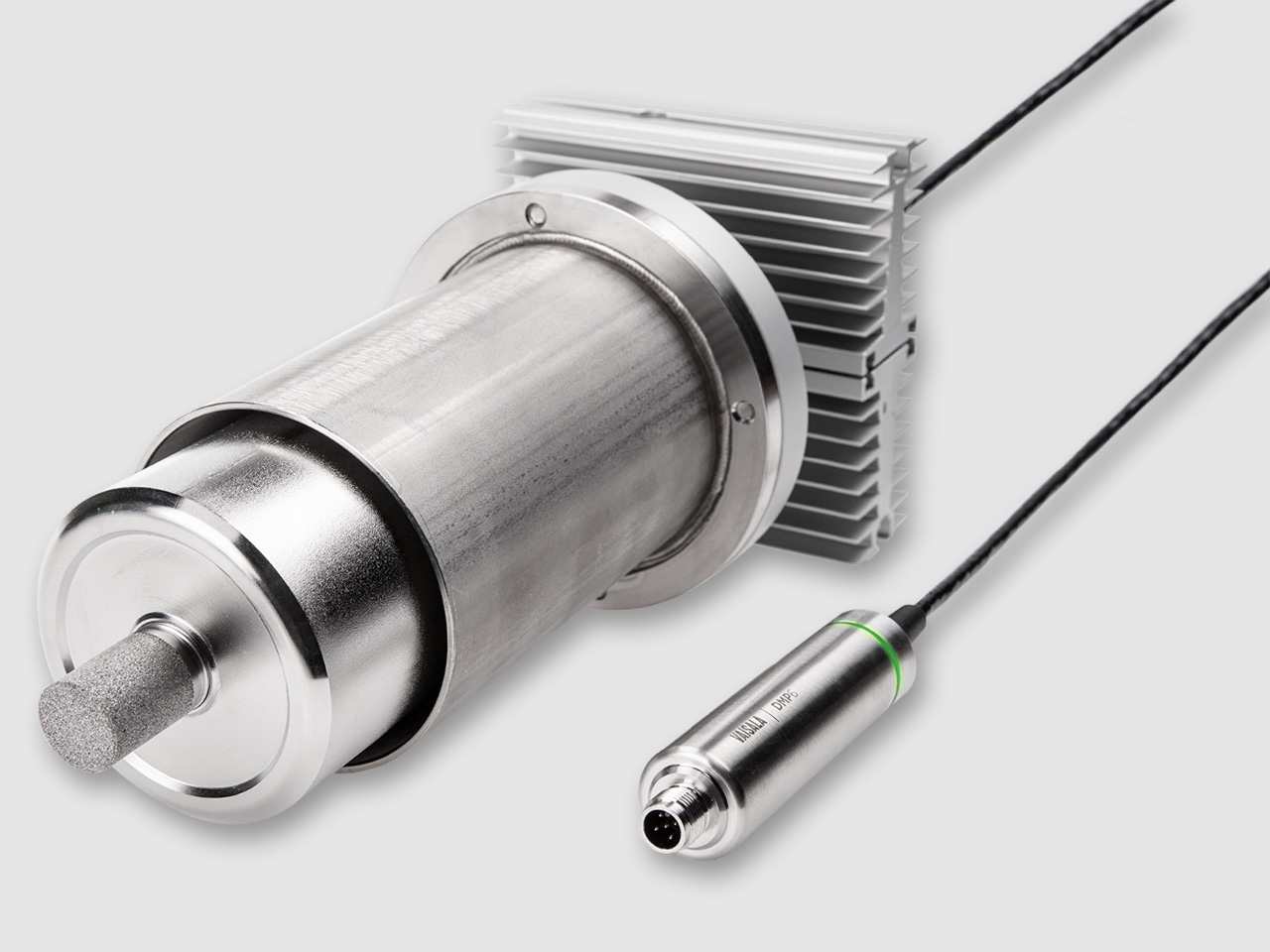
Probe head and probe body of the DMP6 for very high temperatures

Dew Point Probe DMP6

Vaisala DRYCAP® Dew Point and Temperature Probe DMP6 is designed for in-line humidity measurement in industrial drying applications with very high temperatures and a wide dew point range. 
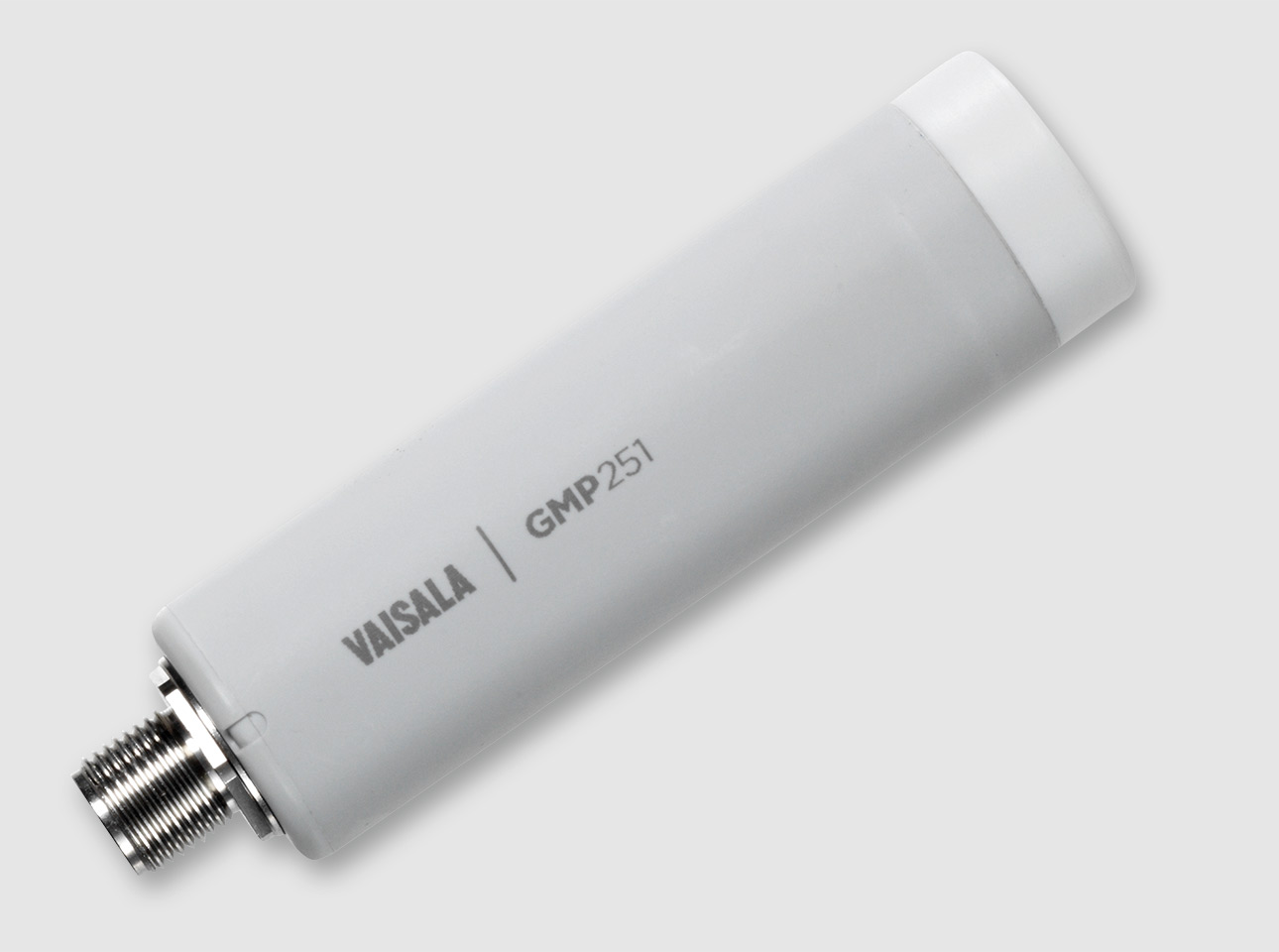
The Vaisala CARBOCAP® Carbon Dioxide Probe GMP251 is an intelligent, stand-alone, %-level probe for stable and accurate CO2 measurements.

CO₂ Probe GMP251

The Vaisala CARBOCAP® Carbon Dioxide Probe GMP251 is an intelligent, stand-alone, %-level probe for measuring CO2 in life science incubators, cold storage facilities, fruit and vegetable transportation, and in all demanding applications where stable and accurate percentage-level CO2 measurements are needed.

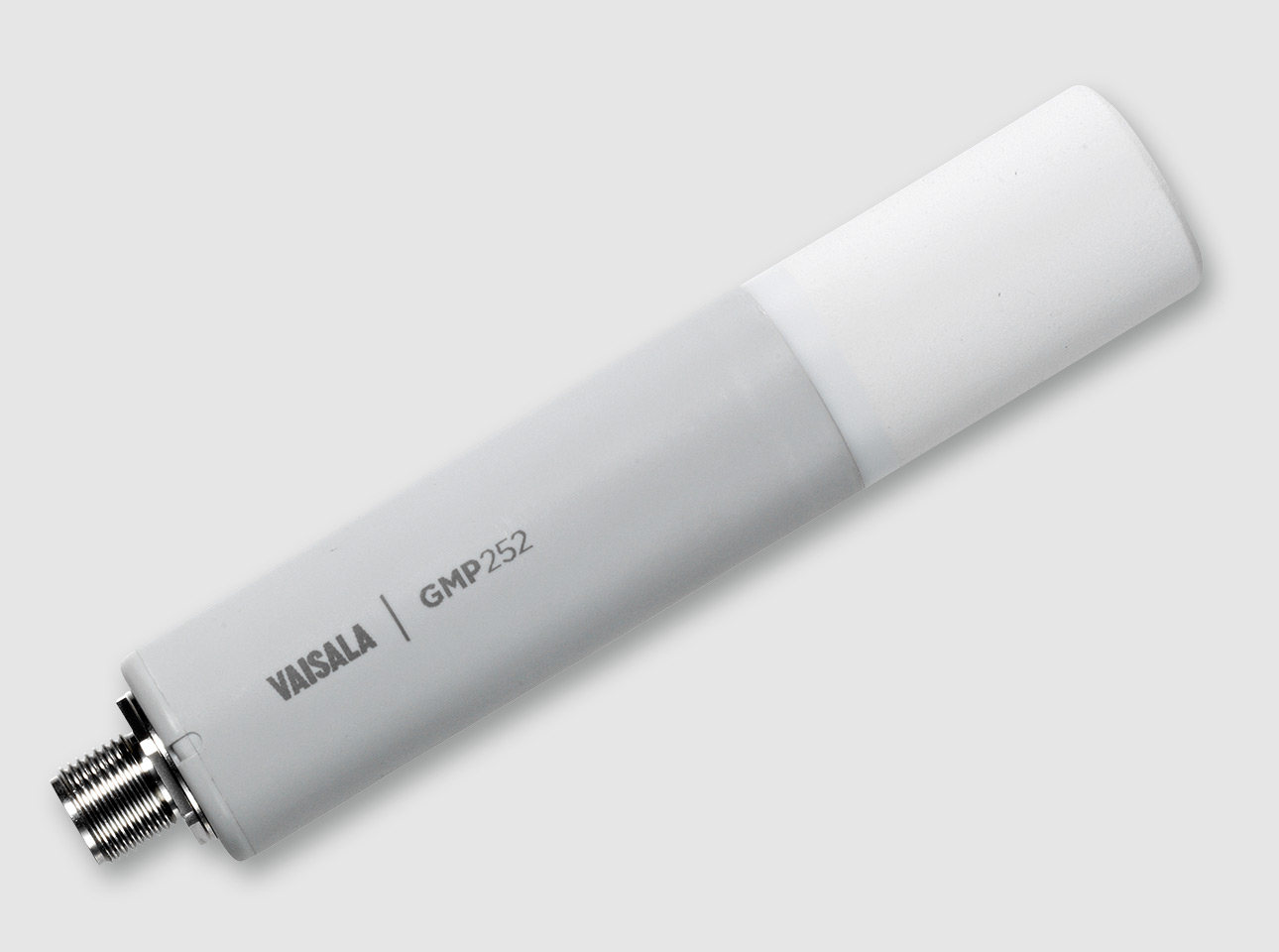
The Vaisala CARBOCAP® Carbon Dioxide Probe GMP252 is an intelligent, stand-alone, ppm-level probe for stable and accurate CO2 measurements.

CO₂ Probe GMP252

The Vaisala CARBOCAP® Carbon Dioxide Probe GMP252 is an intelligent, stand-alone, ppm-level probe. It's intended for measuring CO2 in agriculture, refrigeration, greenhouses, demanding HVAC applications, and for plant growth chamber manufacturers.

Indigo Selector screenshot

Indigo Selector

Discover your ideal Indigo compatible probe and transmitter combinations with the Indigo Selector tool.
Add new comment