Fighting superbugs proactively: innovation and collaboration in vaporized hydrogen peroxide bio-decontamination

Submitted by janice.bennett on
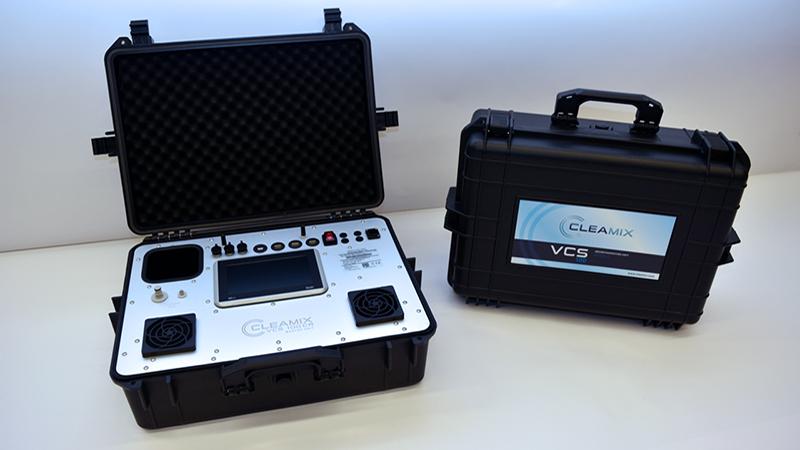
Portable Hydrogen Peroxide vapor generator for bio-decontamination
Industrial Manufacturing and Processes
Industrial Measurements
Life Science
Finland

In 2014, an independent report commissioned by the UK estimated that drug-resistant infections could result in 10 million deaths and cost over 100 trillion USD by 2050. (See: “Antimicrobial Resistance: Tackling a Crisis for the Health and Wealth of Nations.”) Drug-resistant infections, or so-called “superbugs,” include Methicillin-resistant Staphylococcus aureus (MRSA), Vancomycin-resistant Enterococcus (VRE), Clostridium difficile (C. difficile), Candia Auris, and other resistant organisms. In response to this emerging issue, the Secretary-General of the United Nations created The Interagency Coordination Group (IACG) on Antimicrobial Resistance in 2016. The IACG supplied its report to the UN in April of 2019, “No time to Wait: Securing the future from Drug-resistant Infections.”

Innovate & collaborate

The report makes five recommendations to combat the threat of Antimicrobial Resistance (AMR), including: “Innovate to Secure the Future” and “Collaborate for more Effective Action.” In Finland, collaboration and innovation to combat drug-resistant pathogens are occurring between the VTT Technical Research Centre of Finland Ltd, Cleamix, a manufacturer of portable hydrogen peroxide vapor generators, and industrial measurement system and sensor manufacturer Vaisala Oyj.

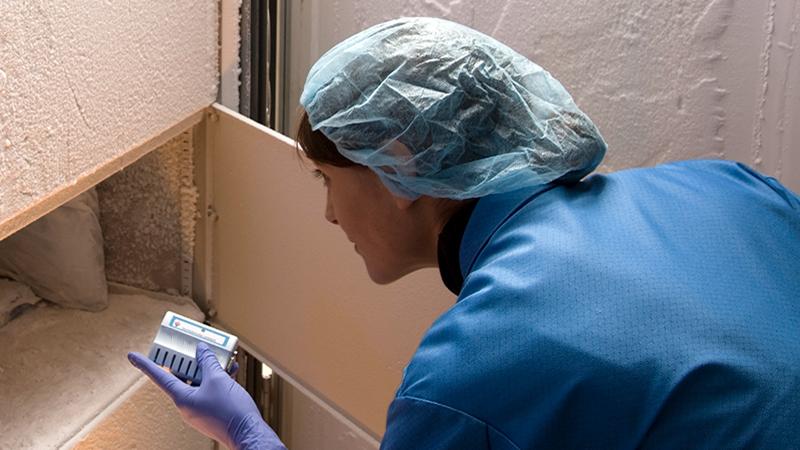
This particular story of innovation begins with the Finnish Air Force seeking a way to destroy biological toxins and weaponized microorganisms. The US military had done a lot of initial work showing that vaporized hydrogen peroxide could be effective as a bio-decontaminant. The problem was that most commercially available H2O2 vapor generators were too large to be field-deployed. So, the Finnish military turned to the scientific community to find a vapor generator that was portable, cost-effective, and capable of sufficient hydrogen peroxide vapor output.

Finnish equipment manufacturer Cleamix was founded to study the problem and created a lightweight vapor generator that could produce sufficient quantities of vapor with the required concentrations of hydrogen peroxide. However, to ensure the vapor would be effective in destroying microorganisms, Cleamix needed their device to specify the right concentration of H2O2 vapor over a given time period. That required a sensor that could measure both the concentration of hydrogen peroxide vapor, as well as other critical process parameters including temperature and a humidity value derived from the combination of water and hydrogen peroxide vapor: Relative Saturation RS%.

 “Whether you are decontaminating a cockpit, ambulance, isolator or operating room (really any area that can be contaminated), you need inline sensors that give values not only for the H2O2 vapor but also for the Relative Saturation, because this will tell you when condensation will occur at the current temperature. Relative saturation indicates the humidity value derived from the combination of water and hydrogen peroxide vapor.” - Panu Wilska, CEO Cleamix

Private enterprise working for public interests

Panu Wilska came to Cleamix in 2016 with over 25 years of international experience ranging from nuclear physics to managing hi-tech start-ups. He has served the company as an advisor, board member, board chair, and now CEO. Cleamix learned that Vaisala was developing a sensor for vaporized hydrogen peroxide and that the sensor would give multiple values; ppm of H2O2 and temperature, but most importantly, a value for the saturation point. Although it is technically possible to calculate values for each parameter - temperature, relative humidity, and ppm H2O2 - you still need a sensor for each.

New technologies combined

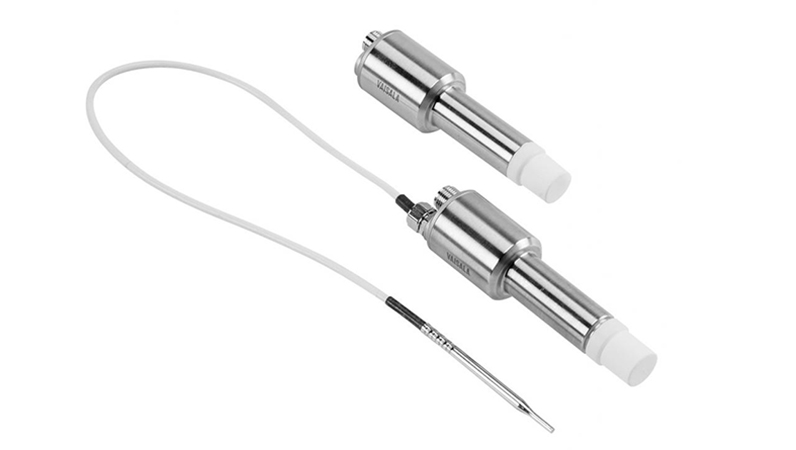
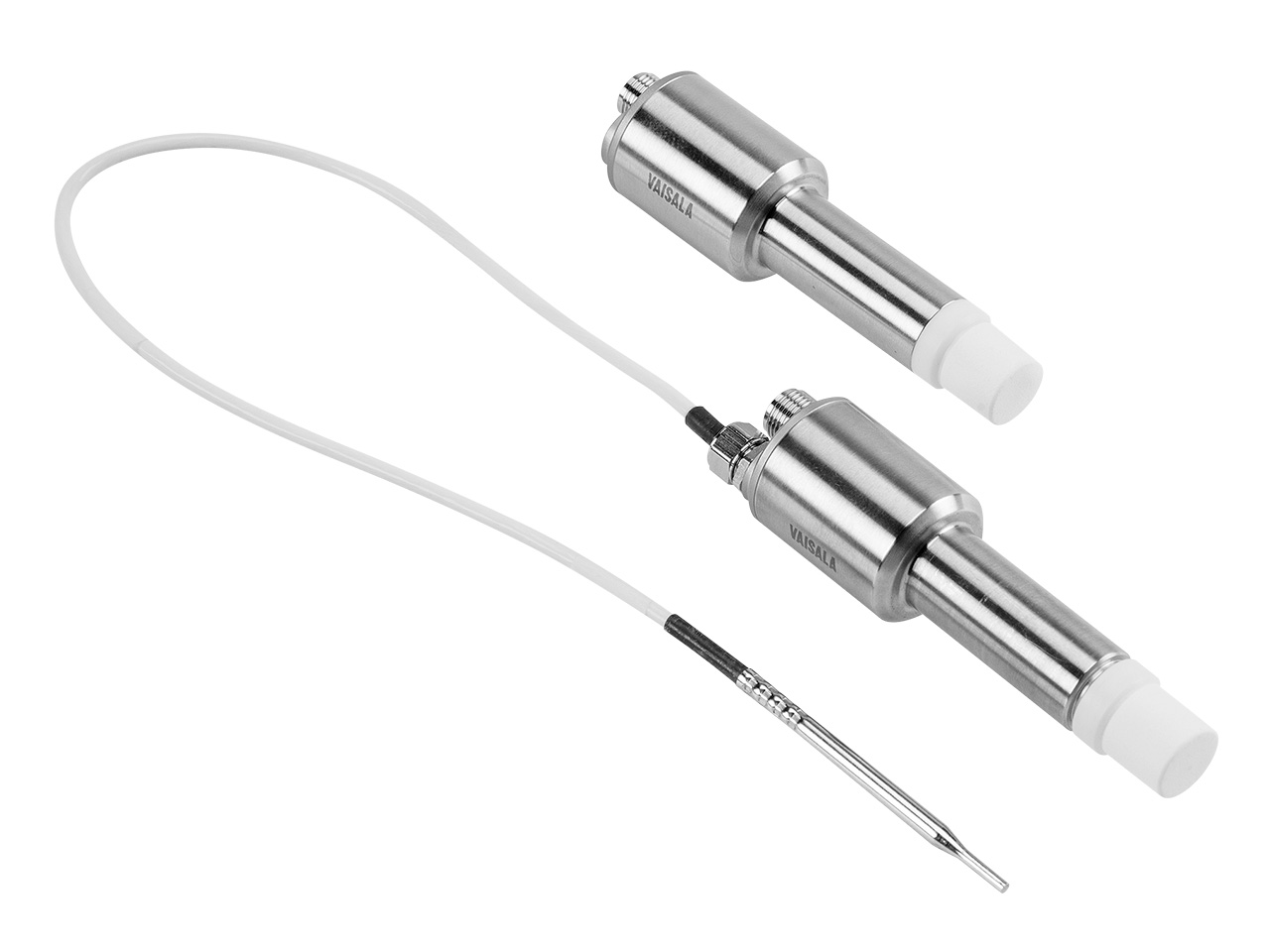
Vaisala created the PEROXCAP® technology, and Cleamix was one of the companies that tested the first probes in the series (HPP270). The probes can be used with vapor generators to measure conditions under decontamination; the probes can also be integrated to control the vapor output according to process requirements. Because the Vaisala HPP-series probes enable real-time process control, if the Cleamix vapor generator needs to adjust output to match changing environmental conditions during a process, the probe data allows the generator to adjust automatically.

Cleamix also worked with the military on subsequent testing that was performed at a military research center using vaporized hydrogen peroxide as a biocide in abandoned military buildings to identify required concentration levels of vaporized hydrogen peroxide.  Cleamix initially created two models of portable generators. The larger model weighs only 9.5 kg and can decontaminate areas from ten cubic meters and upwards. Several vapor generators can be networked for large areas, typically using one vaporizer per 100 cubic meters. The smaller model weighs 6 kg and is ideal for areas one to 20 cubic meters, including: cabinets and enclosures, laboratory cabinets, and vehicles, like ambulances and aircraft. Independent tests with the Cleamix units have shown the vapor efficiency ratio (the amount of aqueous hydrogen peroxide that vaporizes) exceeds 90%.

Efficient, effective bio-decontamination

The Cleamix generator uses about one liter of liquid H2O2 for five and a half hours of continuous, full-power operation. With a combination of phase change methods, accelerated vaporization under and over atmospheric pressure, and 3rd party validated efficacy; the company now has 26 patents pending for its unique technology.

Other innovations followed. Along with its portability, the Cleamix vapor generators can vaporize a combination of liquids. Typical applications require a 50% H2O2 aqueous solution, but with the addition of a small amount of ammonia, the vapor can destroy other pathogens, including weaponized nerve gas. The Cleamix H2O2 vapor generators have been independently tested by two different military organizations and found to successfully neutralize all nerve agents, including VX and Sarin. This year saw testing of the Cleamix units in laboratories researching a dangerous new superbug, Candida Auris (C.Auris).

This rapidly emerging fungal pathogen was first discovered in Japan in 2009 and can cause life-threatening infections due to its resistance to all three classes of antifungals. Cleamix’s tests have shown that acetic acid will accelerate decontamination, but C. Auris can also be destroyed with high-concentration vaporized hydrogen peroxide alone.

Emerging threat meets state-of-the-art solution

In April of 2019, the New York Times published an article on C. Auris titled: “A Mysterious Infection, Spanning the Globe in a Climate of Secrecy.” The article describes recent outbreaks in hospitals and medical centers in Spain, the UK, and several states in the US. The Centers for Disease Control and Prevention have added C.Auris to its list of urgent threats. Globally, C.Auris outbreaks have occurred in India, Pakistan, and South Africa. Both the Public Health Agency of Canada (PHAC) and the South African Centre for Opportunistic, Tropical and Hospital Infections (COTHI), released interim recommendations on the management of C. Auris suggesting the use of hydrogen peroxide vapor when feasible, in addition to other decontamination agents and methods. (See: “Candida Auris: Disinfectants and Implications for Infection Control.”)

“C.Auris is highly resistant to many biocides, including vaporized H2O2, but it can effectively be destroyed by H2O2 vapor mixed with other agents. The other liquid used must be more acidic, like Peracetic or Acetic acid. We are involved in more testing with various labs. This is why it was critical that the vaporization method of Cleamix units allowed for combination of liquids.

“Bio-decontamination with vaporized hydrogen peroxide can be used proactively, not reactively. These pathogens are hard to kill and even harder to cure once a person is infected. Frequent bio-decontamination can stop outbreaks, but the equipment needs to be portable, highly efficient, and affordable.” - Panu Wilska, Cleamix

The birth of a parameter

By the time Cleamix began to work with Vaisala, they had already tested other hydrogen peroxide sensors but needed a sensor that was stable, accurate, easy to integrate, and able to provide measurements for all the necessary parameters. “We needed a device that could give a value for the relative saturation of the mixture of water vapor and H2O2 vapor because our original tests used a “dry method” of bio-decontamination that avoided visible condensation,” says Wilska.

Vaisala engineers created a sensor that could measure and control the most important parameters during bio-decontamination: ppm H2O2, humidity, and temperature. This gave rise to a new parameter: Relative Saturation. This parameter helps operators ensure that a process either avoids condensation (dry method vapor decontamination), or includes condensation (wet process). Equipped with Vaisala’s new PEROXCAP® technology in the HPP270 series probes, Cleamix units provide known H2O2 concentration values.  The key process parameters in bio-decontamination are H2O2 ppm concentration, temperature, relative humidity, and exposure time.

H2O2 vapor sensor

In pharmaceutical research, development, and production, bio-decontamination between batches or processes is critical to product quality. In many cases, the same hydrogen peroxide sensing equipment will be used for several different products and processes. Vaisala’s HPP270 series probes provide repeatable measurement, ideal for multiple processes, and are easy to calibrate on-site. Other life science applications that benefit from hydrogen peroxide vapor bio-decontamination include active pharmaceutical ingredient processing, drug compounding pharmacies, and distribution centers.

Today Cleamix delivers their units as standalone vaporizers or as networked modules for larger areas and ventilation systems. Their customers include bio-decontamination service providers, hospitals, military and defense organizations, agriculture and animal laboratories, and pharmaceutical manufacturers.

PDF

Learn more about Cleamix vaporizers at cleamix.com.
Learn more about Vaisala’s solutions for vaporized hydrogen peroxide measurement, monitoring and control.


Hydrogen peroxide sensor for biodecontamination

An in-depth look at Vaisala's hydrogen peroxide sensor technology

Related products
Indigo520 with probe

Indigo500 Series Transmitters

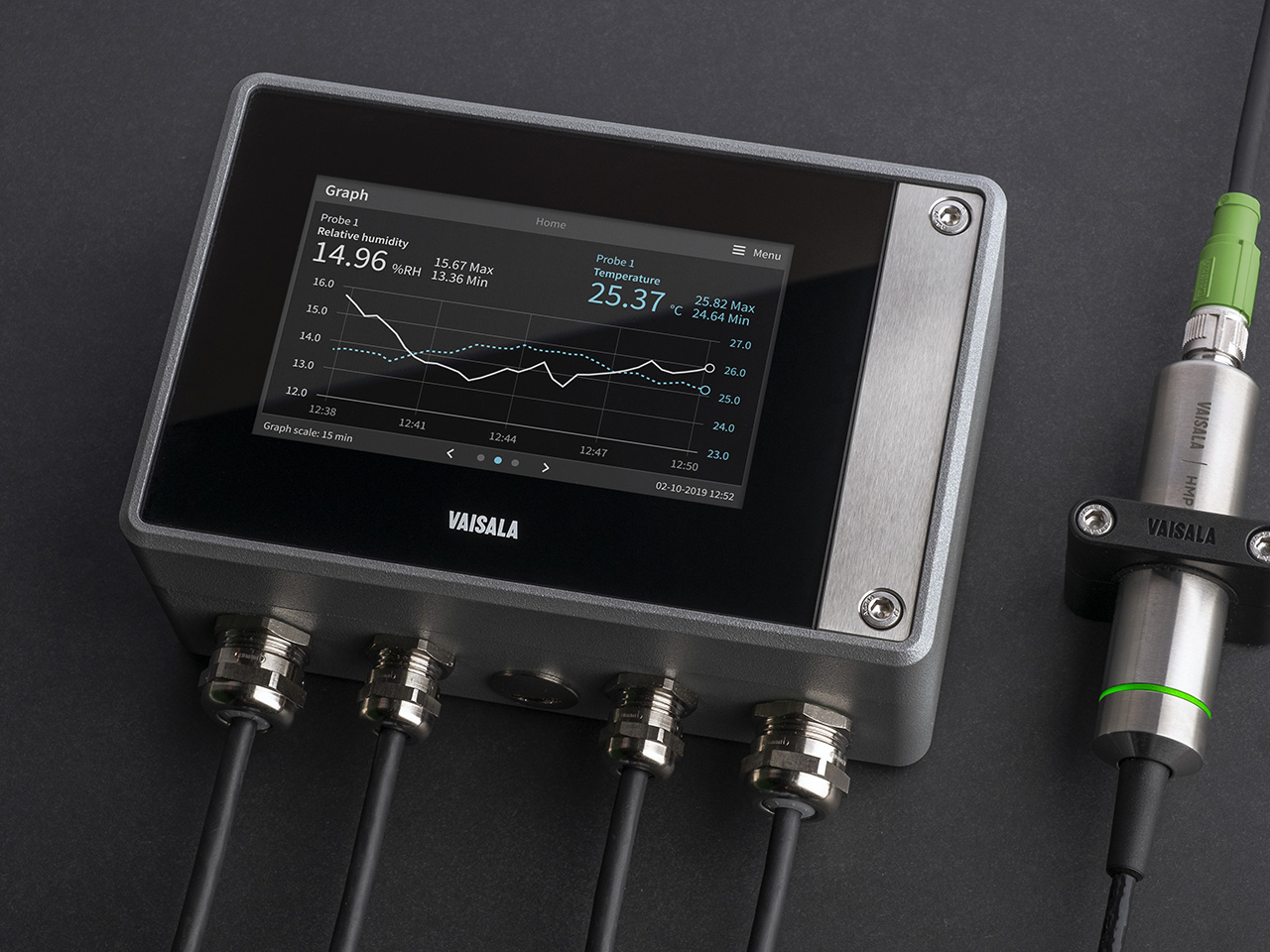
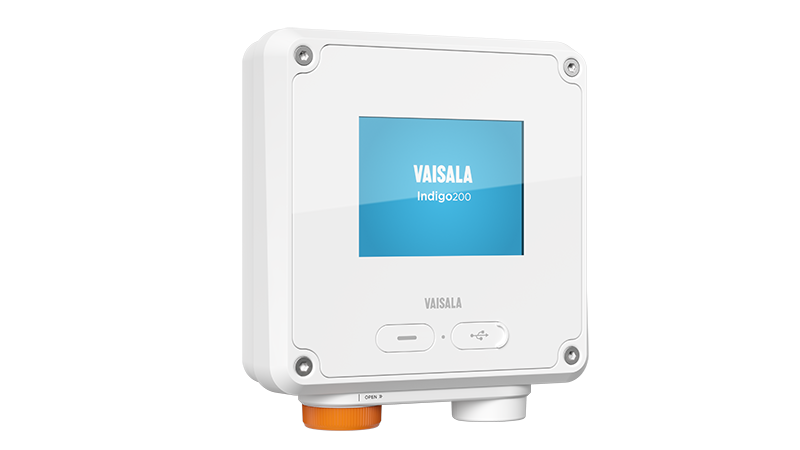
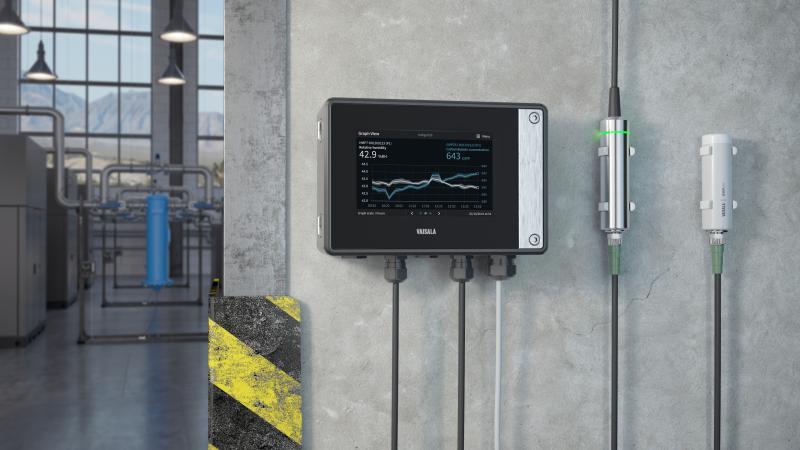
The Vaisala Indigo500 series transmitters are host devices for Vaisala Indigo-compatible, stand-alone smart probes. The Indigo500 series include multi-functional Indigo520 transmitter and Indigo510 transmitter with basic features.

On-demand webinar

From monitoring to controlling with vaporized hydrogen peroxide sensors:  why, how & a case study

In this webinar, Vaisala’s sensor technology experts welcome two experts from Cleamix Oyj to explain how to integrate Vaisala’s sensors and transmitters and vapor generators to control vaporized hydrogen peroxide bio-decontamination applications.

Cleamix uses Vaisala’s HPP270 sensors to monitor and control the vapor generation with their portable vapor generators - the VCS-100 devices. Two Cleamix representatives will explain the advantages of integrated sensors for monitoring and controlling. Our Cleamix presenters will provide a case study of an effective bio-decontamination of a hospital room.

Two Vaisala sensor experts will also briefly describe Vaisala’s PEROXCAP® sensor technology and its unique ability to measure multiple parameters, including: hydrogen peroxide vapor, temperature, and humidity – as both relative saturation and relative humidity.

Watch Webinar Now

Laboratory monitoring system safeguards HIV/AIDS vaccines

Submitted by janice.bennett on
Laboratory Monitoring, Vaccine Temperatures
Life Science
Brazil

It was winter in the Brazilian state of Rio Grande do Sul when Dr. Leonardo Motta, a research pharmacist, received an email alarm notification while attending a conference in the USA. The alarm came from his lab at the University of Caxias do Sul. The temperature in a fridge storing HIV/AIDS medicines and vaccines had increased beyond storage specifications for the drugs. Motta acted immediately, contacting the lab technicians and letting them know which fridge to check. The technicians quickly found the issue: a frozen unit in the building’s HVAC system. Thanks to the alarm, the lab technicians took corrective action and saved the drugs. The medicines and vaccines inside the fridge were not only valuable, but also critical for the people undergoing treatment at the lab, Instituto de Pesquisas em Saúde (IPS) at University of Caxias do Sul (UCS).

Continuous, flexible and easy to use

Medicines, vaccines and active ingredients for drug manufacturing are sensitive to temperature; their chemical properties can change in different conditions, especially temperature and humidity. A drug or vaccine stored in conditions other than specified for that product must be destroyed. To ensure this does not occur, drugs and vaccines at IPS have been monitored by the Vaisala viewLinc Continuous Monitoring System for the last decade.

“We deployed viewLinc in October 2009,” says Motta. “Originally we installed the system in our ultra-low temperature freezers and a cryogenic freezer. After installing the loggers in freezers, we installed more data loggers in the pharmacy. Later we expanded the system to our refrigerators and to monitor ambient temperature and humidity.”
Dr. Leonardo Motta - University of Caxias do Sul

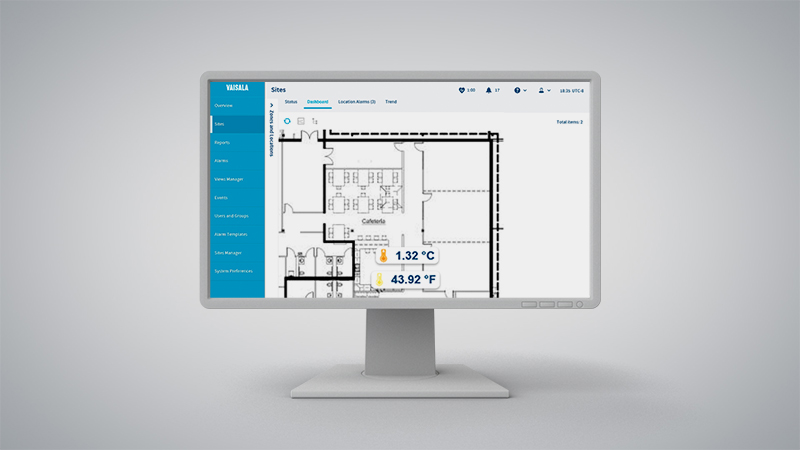
One feature of the viewLinc monitoring system that has been especially useful at IPS is the software’s dashboard. Dashboards allow a graphic overview of all environments monitored by viewLinc in the facility. Users upload an image file — photo or facility schematic — and add sensors to locations on the image to provide a visual representation of their monitored area. The dashboard interface includes features like color-based status (green, yellow and red) and the ability to click on a monitored location to get historical data and trends from that data logger.

viewLinc customizable dashboard for quick view of monitored locations.
viewLinc's software interface showing customizable dashboards.


Using viewLinc’s secure historical data, lab technicians generated trend-line graphs that indicated a slow temperature increase in an ultra-low freezer. By analyzing the data over time, technicians predicted a possible compressor failure in the freezer. They proactively transferred the specimens to another, more stable ultra-low freezer. Within a week, the freezer that had shown a trend of impending malfunction failed and was decommissioned.

“Our original reasons for choosing viewLinc included remote alarm notification and a wide temperature measurement range. We needed to monitor temperatures in three ultra-low temperature (-70 ° C) freezers and one cryogenic freezer (-150 ° C). Since deploying the system, we’ve made use of many other useful features.

“In addition to graphs and historical data, viewLinc has a Rate of Change (ROC) function that allows us to receive alerts if temperatures vary at a specified rate, for example, 2°C per minute. We also benefit from viewLinc’s automated reports that are delivered according to a schedule we set up. We’ve configured viewLinc’s functions to optimize monitoring according to the needs of each application.”
Dr. Leonardo Motta - University of Caxias do Sul

Automated & compliant

Prior to installing the viewLinc monitoring system, laboratory temperatures were monitored using calibrated thermohygrometer equipment. Lab technicians performed daily temperature checks, manually recording the data.

“This was inadequate for several reasons,” says Motta. “First, it left us without daily data checks and records during weekends and holidays. We would only become aware of any temperature deviation when we checked the monitoring equipment on the next business day.


“Second, the measurement range of the thermohygrometers (-50 °C to + 70 °C) did not permit freezer temperature monitoring to -70 °C. We also needed a system that could send notifications remotely if conditions ever went out-of-specification."

Another benefit to IPS has been viewLinc’s GxP-compliant reporting. “An important part of clinical research is sample storage, which can extend over a long period,” says Motta. “We always have to be able to demonstrate proper sample storage to research sponsors. The viewLinc system not only safeguards our research, but it’s proved very useful during audits or inspections,” says Motta.


In Brazil, the National Health Surveillance Agency (ANVISA) publishes Good Manufacturing Practices that provide guidance monitoring conditions in drug processing and storage. ANVISA regularly audits laboratories, warehouses, manufacturing and processing facilities.

Local support, friendly interface

The viewLinc monitoring system has evolved over time to reflect the newest technology. The viewLinc software interface features on-screen prompts that guide users through common tasks, making the system easy to learn. Embedded help allows end users to install, configure and maintain their system. Additionally, IPS has ensured FDA and ANVISA compliance by validating their monitoring system with viewLinc’s IQOQ documentation. IPS has their data loggers calibrated at Vaisala's Sao Paulo service center.

The ease of use, flexibility and reliability of the viewLinc system are crucial to ensuring IPS’s core mission: “To develop clinical research and provide services in the area of translational medicine, through the generation of knowledge and the pursuit of excellence in health technologies, contributing to the well-being of society.” IPS carries out research through multiple partnerships with universities, governmental organizations, private institutions and national and international funding agencies. Since 2002, IPS has conducted over fifty clinical research projects involving more than 100,000 patients.
 

“Our goal is to ensure that patients have access to new therapeutic regimens, drugs and diagnostic methods without having to wait until they become available through public or private networks. Our laboratory is integrated with the health programs at the University of Caxias do Sul. Through our research into the diagnosis, prevention and treatment of HIV and associated pathologies, we provide life-saving benefits to the community. As our research has evolved, viewLinc has met our needs. We are extremely pleased with the viewLinc system and the services Vaisala provides.”
Dr. Leonardo Motta - University of Caxias do Sul

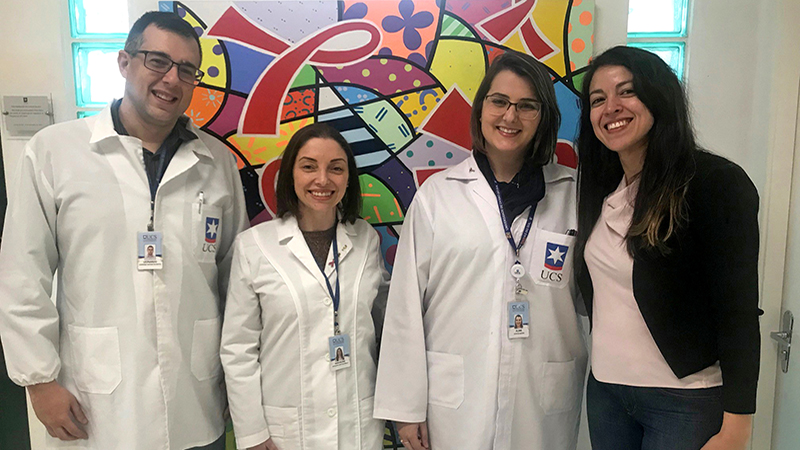
IPS laboratory staff and Vaisala sales manager at University of Caxias do Sul
IPS laboratory staff and Vaisala sales manager at University of Caxias do Sul.

PDF

Contact us

On-demand webinar: The viewLinc Continuous Monitoring System with wireless data loggers

Learn more about how the viewLinc system with wireless data loggers can safeguard vaccines and research samples in this webinar:

Wireless Monitoring for GxP & Controlled Environments

Learning objectives:

•What kind of signal ranges are now achievable?
•What wireless features ensure a secure signal?
•What kind of wireless structure is effective?
•What is the infrastructure investment?
•How many data loggers per single network access point?

Watch Recorded Webinar
 

Making Pharmaceuticals 2021

Oct 05
women in laboratory
Ricoh Arena
Coventry
United Kingdom

We will present our reliable and accurate measurement instruments and technologies for measuring humidity, temperature, carbon dioxide, dew point, hydrogen peroxide, differential pressure, continuous monitoring system as well as refractive index t

Forum Labo 2021

Oct 05
Vaisala cleanroom
Hall 3
Paris Expo Porte de Versailles
France

Forum LABO brings together the profession of the laboratory: large, medium and small companies, startups, researchers, students, learned societies but also buyers and laboratory technicians from the public sector or from the pharmaceutical, chemic

Smart Measurement

Make your measurements count

Adding potential for smarter industries

Decisions are only as good as the data

All scientific innovations are based on accurate measurements: to find solutions for our most pressing environmental and societal global challenges, we need verifiable data. Reliable measurements enable Vaisala’s customers make informed decisions and have a positive impact on society by assessing weather and environmental phenomena and by developing more sustainable and efficient industrial processes. 

Industry

Get ready for Industry 5.0

Industry 5.0, is already evolving. It will not be something radically new, but a logical continuum after building the most critical capabilities for smart factories, buildings and processes. Our eGuide will give you an overview on what to expect from Industry 5.0 for understanding the key benefits of the next industrial revolution.

Drying Simulator

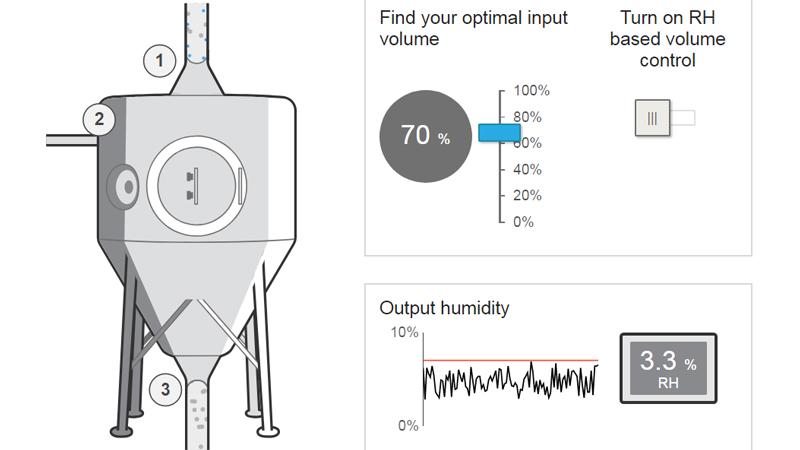
Finding the optimal conditions and being able to keep them stable is the key to lower cost and energy efficient manufacturing. Try out our interactive drying simulator to understand the way exact humidity measurements can lead to more efficient energy use and higher yields.

Calibration made easy for vaporized H2O2 sensors

Profile picture for user janice.bennett
Submitted by janice.bennett on
Industrial Manufacturing and Processes
Life Science

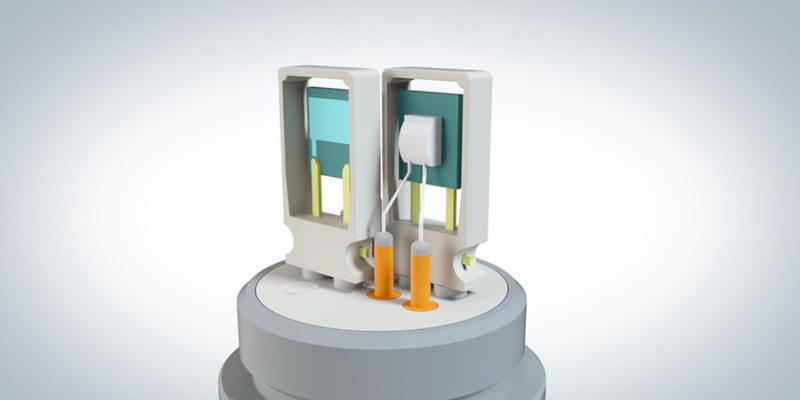
The PEROXCAP® sensor for vaporized hydrogen peroxide bases its measurement on two HUMICAP® sensors. To understand how HUMICAP sensors work, it is useful to know a little about thin-film polymer sensors. In this type of sensor, there is a thin layer of polymer between two electrodes. The film absorbs or releases vapor according to humidity changes in the environment.

As the humidity changes, the dielectric properties and capacitance of the sensor changes. A dielectric is an insulator that impedes an electric charge; capacitance is the ability of conductive materials to respond to voltage changes.  Essentially a thin film polymer sensor is measuring voltage changes that occur with the amount of water vapor in the environment. Electronics within the instrument use the capacitance of the sensor to give a humidity measurement.

The PEROXCAP sensor uses two HUMICAP sensors: one with and one without a catalytic layer. The catalytic layer breaks down the hydrogen peroxide so that the HUMICAP sensor with the layer senses only the humidity, while the sensor without the catalytic layer senses both hydrogen peroxide vapor and water vapor in the air. The instrument calculates the difference between the two sensors to give a measurement of H2O2 concentration.


Accuracy & Drift

However, humidity sensors are different from other sensors, such as temperature sensors, because they are in direct contact with the environment they measure. Although the HPP270 series probes provide the highest accuracy and precision, even the best sensors will drift over time. Dirt, chemicals and temperature changes can also cause a drift in accuracy. Regular calibration mitigates incremental sensor drift and ensures instruments are operating within their specifications.


Calibration Options

Factory Calibration:

We recommend H2O2 calibration at a Vaisala laboratory for traceable calibration service. Calibration for the hydrogen peroxide measurement uses two different H2O2 vapor concentrations. Calibrations on the HPP272 probes are performed for H2O2, Relative Saturation, Relative Humidity, Temperature and analog output. Note that the HPP271 probes measure H2O2 only (no temperature or relative humidity calibration needed.) Calibration service comes with a certificate and full instrument maintenance is optional. For factory service, find your nearest calibration center.


On-site Calibration:

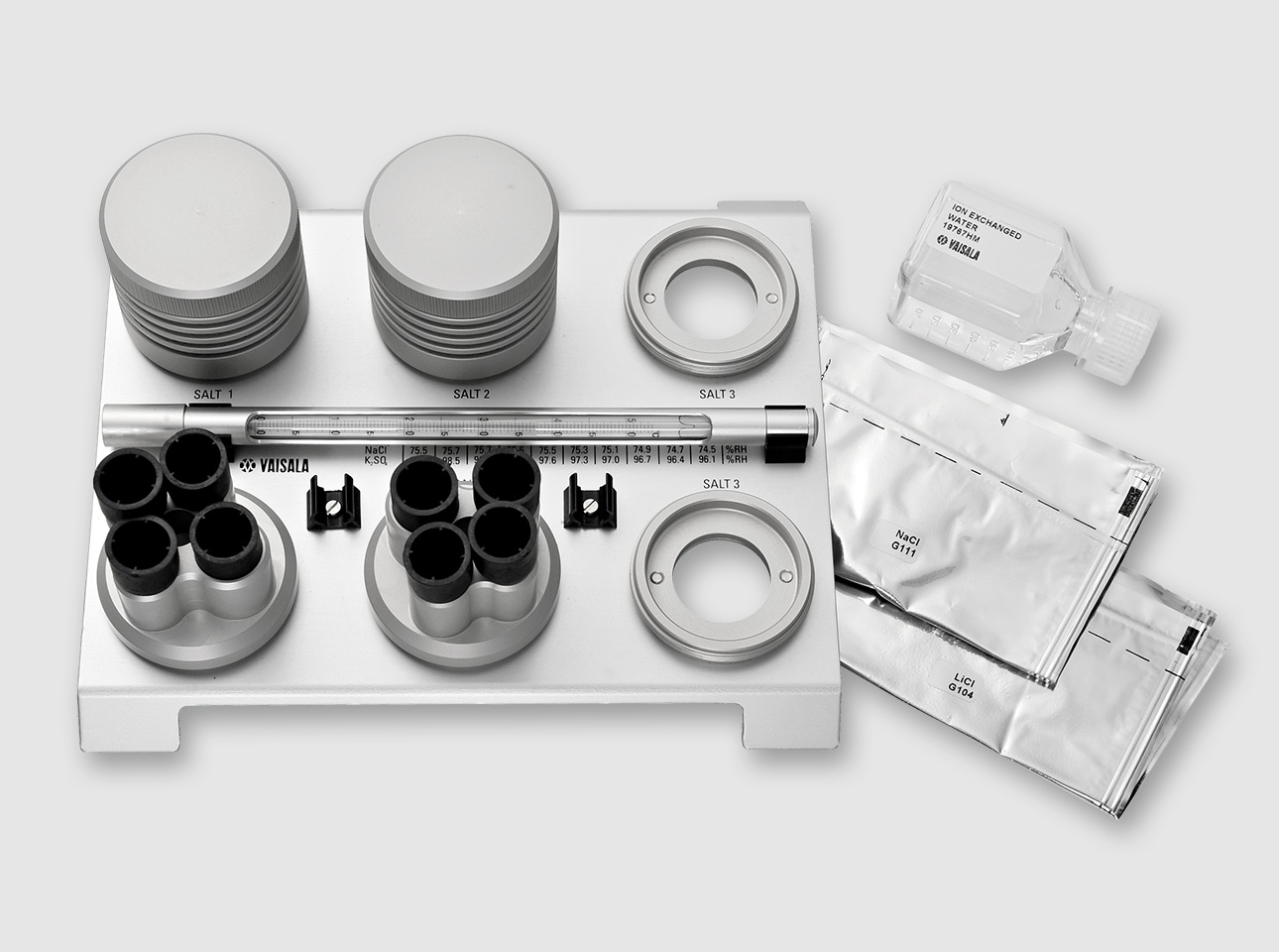
For on-site calibrations, we offer a do-it-yourself option with the HMK15 RH calibrator as a reference and our Insight software. The software shows you the drift in both Relative Saturation (RS) and Relative Humidity (RH) and gives you the possibility to make two-point adjustment to these parameters in order to show the same value as a reference value. Based on the humidity calibration, the software also calculates H2O2 ppm error at a certain ppm level. High quality H2O2 measurement performance is also ensured by calibration and adjustment. Learn more about Vaisala calibration service.


Related products
Indigo520 with probe

Indigo500 Series Transmitters

The Vaisala Indigo500 series transmitters are host devices for Vaisala Indigo-compatible, stand-alone smart probes. The Indigo500 series include multi-functional Indigo520 transmitter and Indigo510 transmitter with basic features.

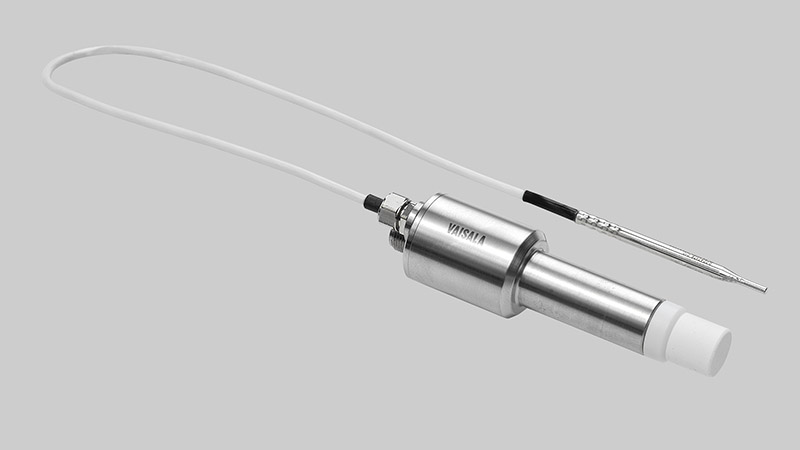
HPP272 probe with PEROXCAP® hydrogen peroxide sensor, H2O2 sensor for vaporized hydrogen peroxide concentration and other relevant parameters monitoring in bio-decontamination

HPP270 Series for Bio-Decontamination Processes

The Vaisala PEROXCAP® HPP270 series includes an intelligent 3-in-1 measurement probe for vaporized H 2 O 2 bio-decontamination in applications such as isolators and rooms and a basic H 2 O 2 probe HPP271.
HMK15 Humidity Calibrator

HMK15 Humidity Calibrator

Vaisala Humidity Calibrator HMK15 makes calibration and spot checking of humidity probes and transmitters easy and reliable, although for critical applications we recommend a Vaisala Service Center calibration for best possible results.
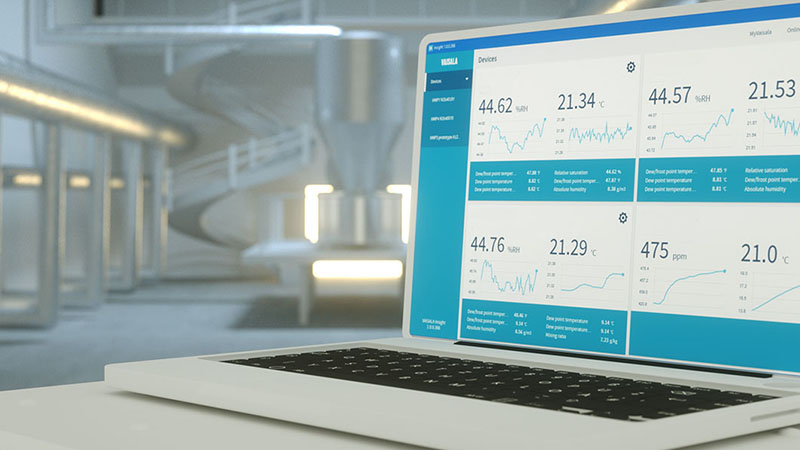
Vaisala Insight Software gives quick access to the configurations and data of the Indigo family measurement probes and other supported devices.

Insight PC Software

The Vaisala Insight PC Software gives quick access to the configurations and data of Indigo family probes.Use as a simple service interface for easy set-up, diagnostics, and field calibration and adjustment.

On-demand webinar: Calibration vaporized hydrogen peroxide probes

Maintaining quality and consistency is the top priority in life science industries because reliable measurements are key to achieving quality targets. Measurement accuracy and stability are valued features of any sensor used in life science applications. Understanding the sensor behavior over its lifecycle is typically the most challenging task.

Sensor manufacturers can provide  guidelines that are based on typical use, but in vaporized hydrogen peroxide bio-decontamination, each cycle has its own characteristics that will  change over time. Changes in load and equipment wear are two examples that impact processes. The final evaluation of the sensor maintenance activities always falls in the hands of the application specialist. Even though the quality is amongst the top priorities, reality still sets the limits in finding the economical quality optimum.

In this webinar you will learn key considerations for maintaining accuracy HPP270 series vH2O2 sensors. 

Topics:
•    Hydrogen peroxide and relative saturation as measurement parameters
•    Reference measurements in the field and diagnostics
•    Factory calibration


Watch now

Add new comment

Creating SOPs for Continuous Monitoring Systems

Profile picture for user janice.bennett
Submitted by janice.bennett on
Standard Operating Procedure template
Industrial Measurements
Life Science

Dear Vaisala,

We are hoping to save time in creating a Standard Operating Procedure for our viewLinc monitoring system. Does Vaisala offer any reference materials for viewLinc SOP?

We understand that an SOP is basically created and managed by each customer, but a sample would help as a starting place…
Thanks for your help!

Paul Daniel writes:
Thank you for reaching out to us!

The regulatory requirement is that a GxP-regulated application have a written procedure describing the monitoring process and written storage specifications for products.  It is a simple requirement that can be interpreted into many different methods of documentation, including SOPs.

When using a computerized monitoring system (such as viewLinc) to monitor the temperature of a physical space (like a refrigerator or warehouse), the procedures created will be quite similar because they are based, in part, on the software.

The variations occur in how a particular company chooses to create storage specifications and written procedures.  From company to company, there are different approaches to documentation, policies, policy implementation, specifications, and procedures.

It is my hope that companies that like detailed SOPs (see variation #5 below) can reference the Tours that are in viewLinc. viewLinc Tours give onscreen instructions for common tasks in viewLinc to ensure users can complete tasks the first time they use the software. Tours help users complete tasks the same way each time they use the software – especially useful if you only perform certain tasks occasionally. The tours can definitely make SOPs much easier to write, follow, and maintain.

Here are some variations in how SOPs can be created for viewLinc:
1. Storage specifications may simply be the conditions on the label and not a specific document.
2. Storage specifications may be grouped into categories, such as refrigerated (2 to 8°C), cool (8 to 15°C), room temperature (15 to 25°C), etc.
3. Specific chambers or rooms may be assigned such a temperature category.
4. There may be several generic SOPs that apply to all computer systems, including password management, audit trail review, employee on-boarding, system backup.
5. There may be a detailed SOP for how to use the monitoring system. Like so: do this, click here, write this in that field, click save, etc.
6. There may also be a detailed SOP based on specific monitoring goals (keep medicine A between 2-8°C and file a deviation if the temperature is out of specification for over 30 minutes). This may say very little about how to use the actual software, and rely on the user manual instead for instructions.

The range of possibilities is so wide that it has not proven to be useful for Vaisala to create a template SOP for our customers.  Most customers have to follow their own internal policies on creating written procedures, so many do not often have the freedom to follow our recommendations or a template.

Here are my recommendations for documentation to create in-house in support of viewLinc software:

• A specification document
o This lists the allowable temperature range for each area or unit type, including allowable excursions (maximum temperatures and times) and expected responses to these excursions.  This should also list the responsible persons, by title rather than by name to avoid revision every time there is a personal change.

• A configuration specification document
o This describes the settings for viewLinc, including establishing a limited number of security profiles (called: “Groups” in the software) and a limited number of alarm threshold and notification templates, as well as a drawing, and a table of the physical location of each device, and to what “Location” in the software it links to.  This will help create and maintain order and naming conventions within the system.

• A monitoring SOP
o This describes the high-level actions taken within the monitoring system with very simple sentences. For example: Acknowledge the Alarm, Create a User, etc.  Such a document is easier to maintain and follow if it is simple. When a more detailed process is needed, it can reference viewLinc’s User Manual or the Tours.

Related Webinar

In our webinar "Audit-proof your Monitoring System" I have a chapter outlining SOPs. You can access the slides (PDF) here and watch the recording.

Further reading on GxP compliance for continuous monitoring systems.

SOP Examples:

Just for reference, here are a few examples. But, it’s the responsibility of every facility to create their documentation around the system to ensure their compliance and operational goals are met.

Alarm Acknowledgement

This section of the SOP specifically details the types and steps to respond and acknowledge CMS alarms. All users can receive alarms, but only specific users with the proper access level can acknowledge alarms. This facility’s alarm threshold set points are set per Table 1 of this SOP. Set point changes must be approved per the Process Change Control SOP.

Step Action
1. Facility and/or calibration departments are responsible for receiving/acknowledging alarms via cell phone (text) and/or emails.

2. In viewLinc select the Alarms / Active Alarms Tab. Then select the active alarm to acknowledge.  Reference Environmental Monitoring Location Map, if needed, to verify alarm location.

3. Follow Figure 1. Alarm Investigation Flow Chart.  Based on flow chart continue with acknowledging alarm. Facilities and/or calibration technicians must notify Facilities Engineering and Supervisor once an out-of-limit (OOL) condition is confirmed.

4. For communication alarms, a system check is required once connectivity to the server has been re-established. A channel history report shall be reviewed by Facilities Engineering to confirm no data loss and to confirm all sensor locations are reporting temperature, humidity, and differential pressure readings.

5. For configuration alarms, a system check is required to ensure connectivity to the server. A channel history report shall be reviewed by Facilities Engineering to confirm no data loss and to confirm all sensor locations are reporting temperature, humidity, and DP readings. System configuration shall be reviewed against CMS Configuration Spreadsheet attachment of site validation report.

Email Settings Management

a) Email settings rarely require changes after the system is initially configured.  However, if network changes are made that affect emails, it may be necessary to update the email settings.
b) The Email Settings window is access through Options > System Configuration > Email Settings.
c) The Email Settings use standard mail protocol settings, such as SMTP, and POP3 (if required). 
d) Enter any changes that are necessary.  After changes are made, the settings may be immediately tested by selecting the “Test Email” option from the Email Settings: Options drop down menu. 
e) Save all changes before exiting the Email Settings window.
f) NOTE: The appropriate facility change control process may be applicable to any changes to email settings.

Finally, here is a blog from The FDA Group that gives a good outline on writing SOPs.

Vaisala Hardware – Testing Beyond Promise

At Vaisala, we put our products through a series of environmental and mechanical tests to learn the points of failure or weakness. We test beyond what we promise, in temperature, vibration, drop heights, and more to ensure the hardware is robust, reliable and accurate. In this longer version of the video, Senior Engineer Fiki Jusuf describes the testing process.

Open video


Add new comment

LOUNGES 2020

Jan 28
Warehouse for medicine
Messe Karlsruhe
Karlsruhe
Germany

Welcome to meet our experts and reliable measurement instruments and continuous monitoring system at booth H1.9  in Lounges 2020,  Karlsruhe! We will be exhibiting a comprehensive range of humidity, temperature