Pulp & Beyond 2026

Apr 15
Messukeskus
Helsinki
Finland

The nordic Arena for forest-based bioeconomy, Pulp & Beyond, is the leading forum bringing together the latest forest-based bioeconomy innovations, products, services and technologies as well as key people throughout the ecosystem.

How Inline Refractive Index Measurement Enhances Filter Cake Washing & Process Control

Profile picture for user janice.bennett
Submitted by janice.bennett on
Filter cake washing  in API manufacturing
Liquid Measurements

This article is the third in our three-part series on how Vaisala refractometers help optimize API manufacturing. The first installment explored solvent swap optimization using refractive index (RI) trend data, and the second covered crystallization control with RI.

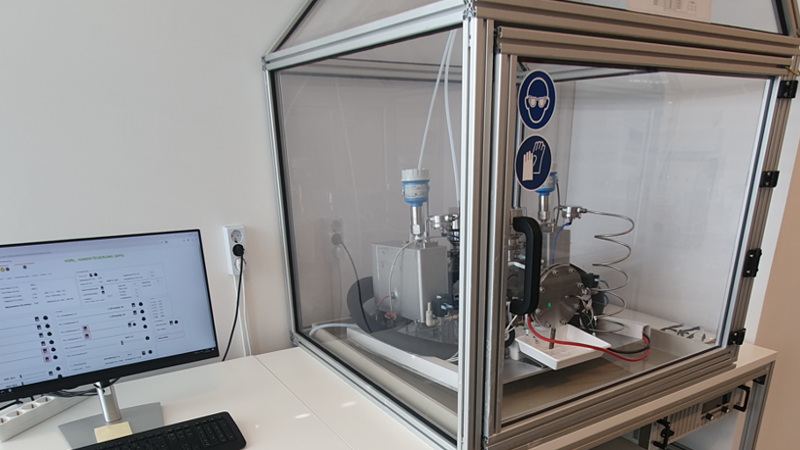
In many API facilities, filter cake washing is a process bottleneck. After crystallization, the API must be separated from the liquid phase and cleaned—typically by washing the filter cake with a solvent. The aim is straightforward: remove residual mother liquor from the crystals to obtain a pure product, without sacrificing yield. The challenge lies in optimizing the solvent amount—enough to achieve purity, but not so much that it wastes time, materials, or product.

Refractive Index as a PAT Tool

RI measurement supports a Quality by Design approach by helping identify critical process parameters:

  • What type of wash should be used?
  • How much solvent is required?
  • Which parameters most influence quality and yield?

During development, RI can also compare solvents to find one that both washes effectively and minimizes API solubility.

Case Study: Data-Driven Solvent Optimization

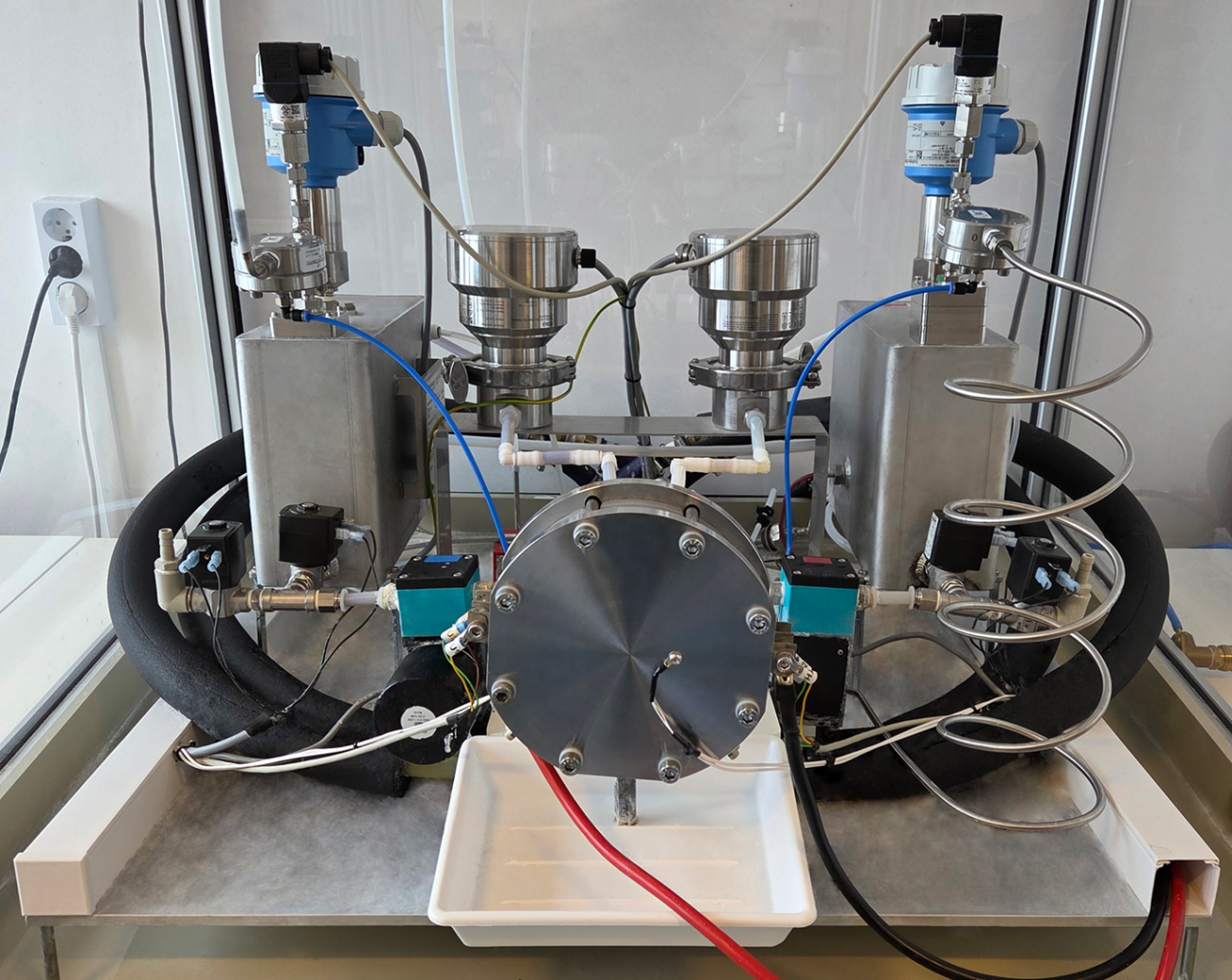
One Vaisala customer used RI to evaluate their washing performance and determine if a process control tool was truly necessary. In the lab, a Vaisala refractometer measured liquid concentration after washing, while a scale recorded solvent usage. Plotting solvent volume against RI produced a clear process profile:

  • Displacement phase: RI remains constant as mother liquor is pushed out.
  • Mixing phase: RI changes as washing solvent removes residual impurities.
  • Completion phase: RI stabilizes, signaling the end of effective washing.

The team also tested different solvents, measuring each one’s RI in both clean and API-saturated states. This revealed whether washing was ending with truly clean solvent—or with solvent already near saturation, risking product loss.

Key Findings

  • Low-solubility solvent: Ineffective washing; crystals not fully cleaned.
  • High-solubility solvent: Dissolution of fine particles, creating preferential channels and inefficient wash.
  • RI data confirmed that solvent choice could either protect yield or cause product loss.

Outcome

These tests formed a solid proof of concept, enabling the customer to advance efficiently to pilot scale. They concluded that RI is a valuable, reproducible, and data-rich tool for optimizing filter cake washing—not only in laboratory process development and scale-up, but also as a real-time control tool in manufacturing. By monitoring when the RI measurement becomes stable, operators can confidently determine when washing is complete, reducing unnecessary solvent use and process time by avoiding overflushing. Vaisala refractometers thus support both data-driven process optimization and efficient, validated process control.

To learn more about refractive index measurements to optimize filter cake washing, see our application note.

Related products
Indigo520 for process refractometers

Indigo520 for process refractometers

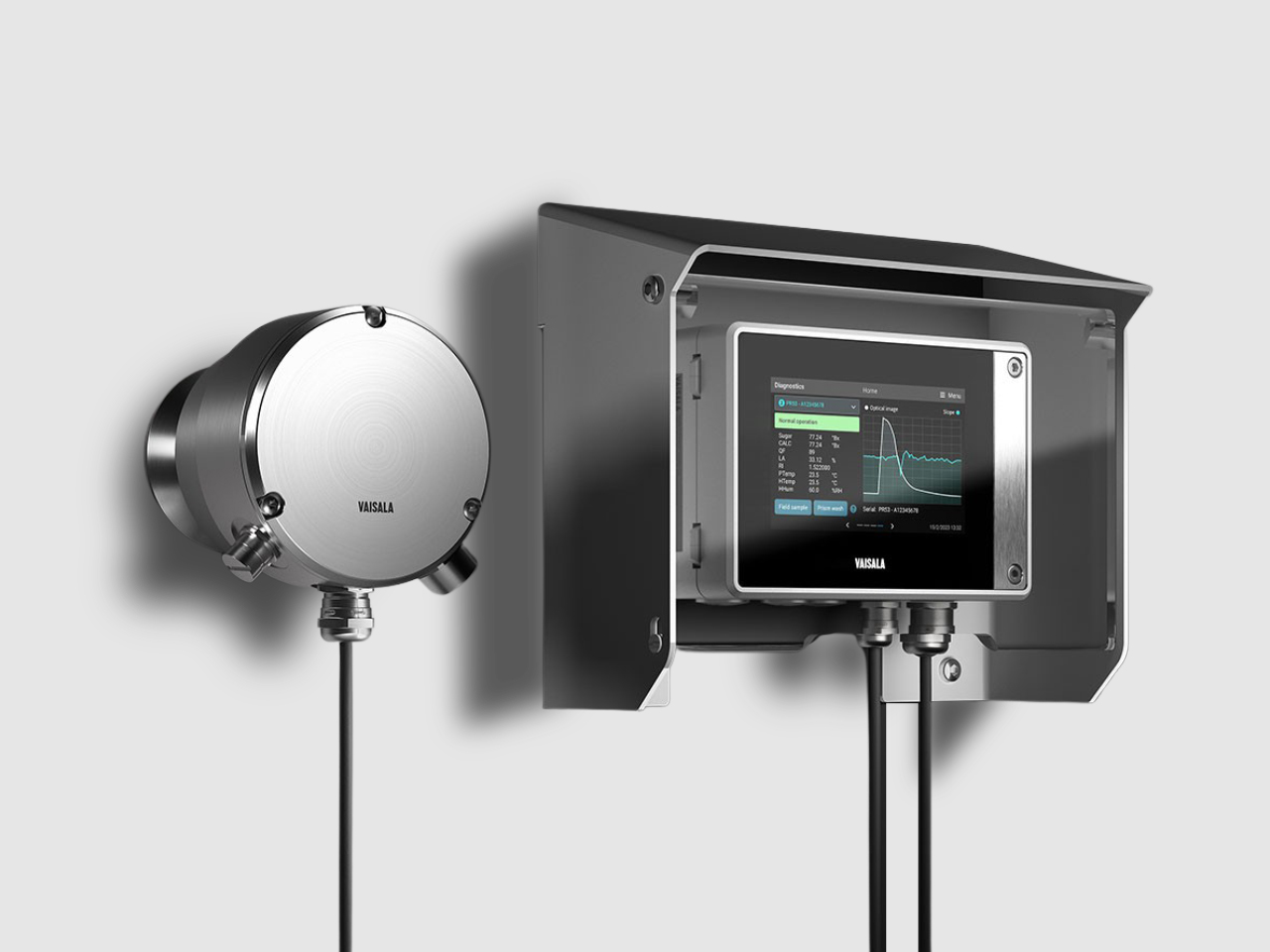
Vaisala Polaris combined with Indigo520L offers compelling features for all users and are a standard power couple for applications and installation positions with wash system.

Polaris refractometer

Inline liquid concentration measurements for pharmaceutical manufacturing and biotechnology processes

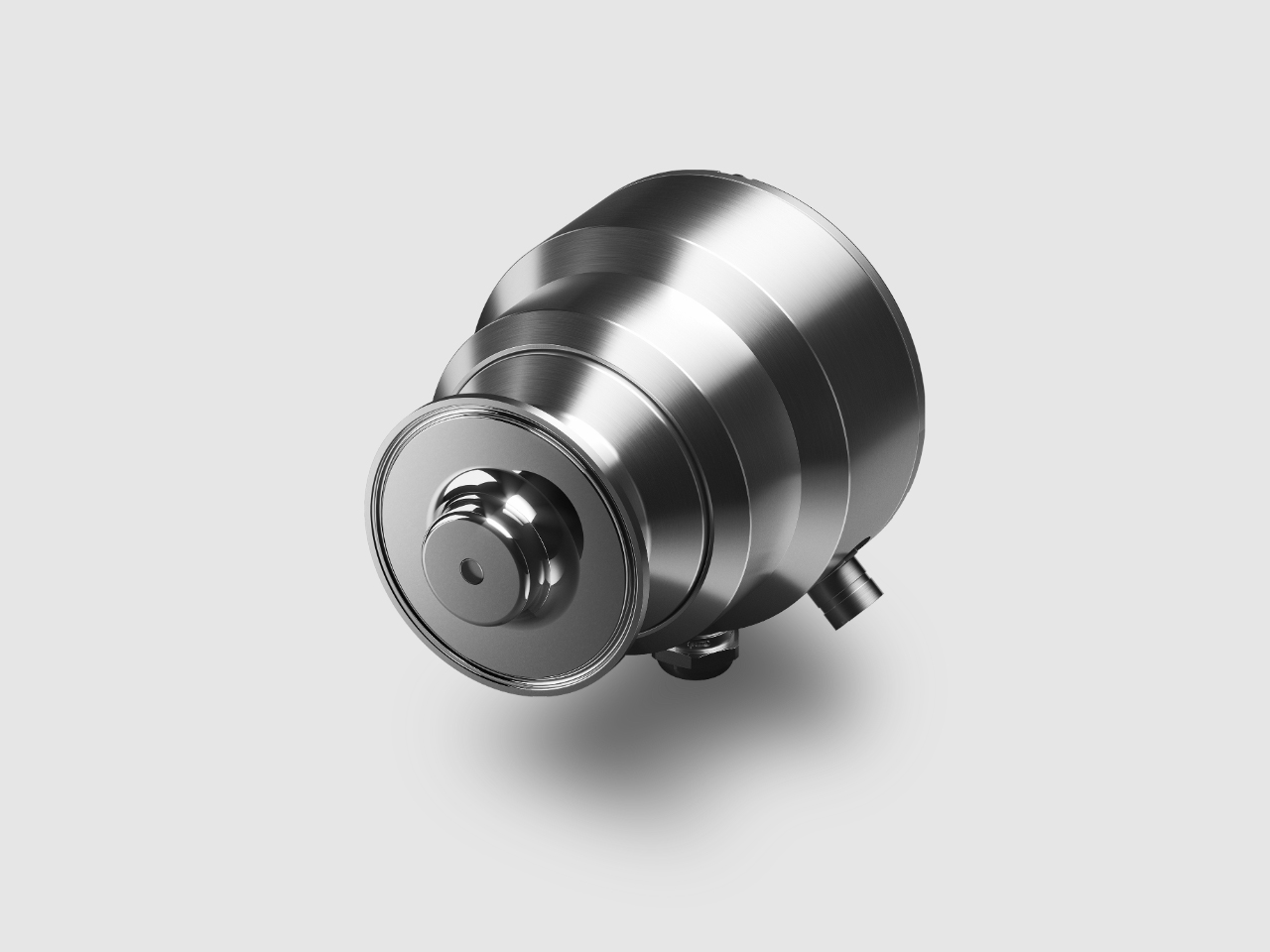
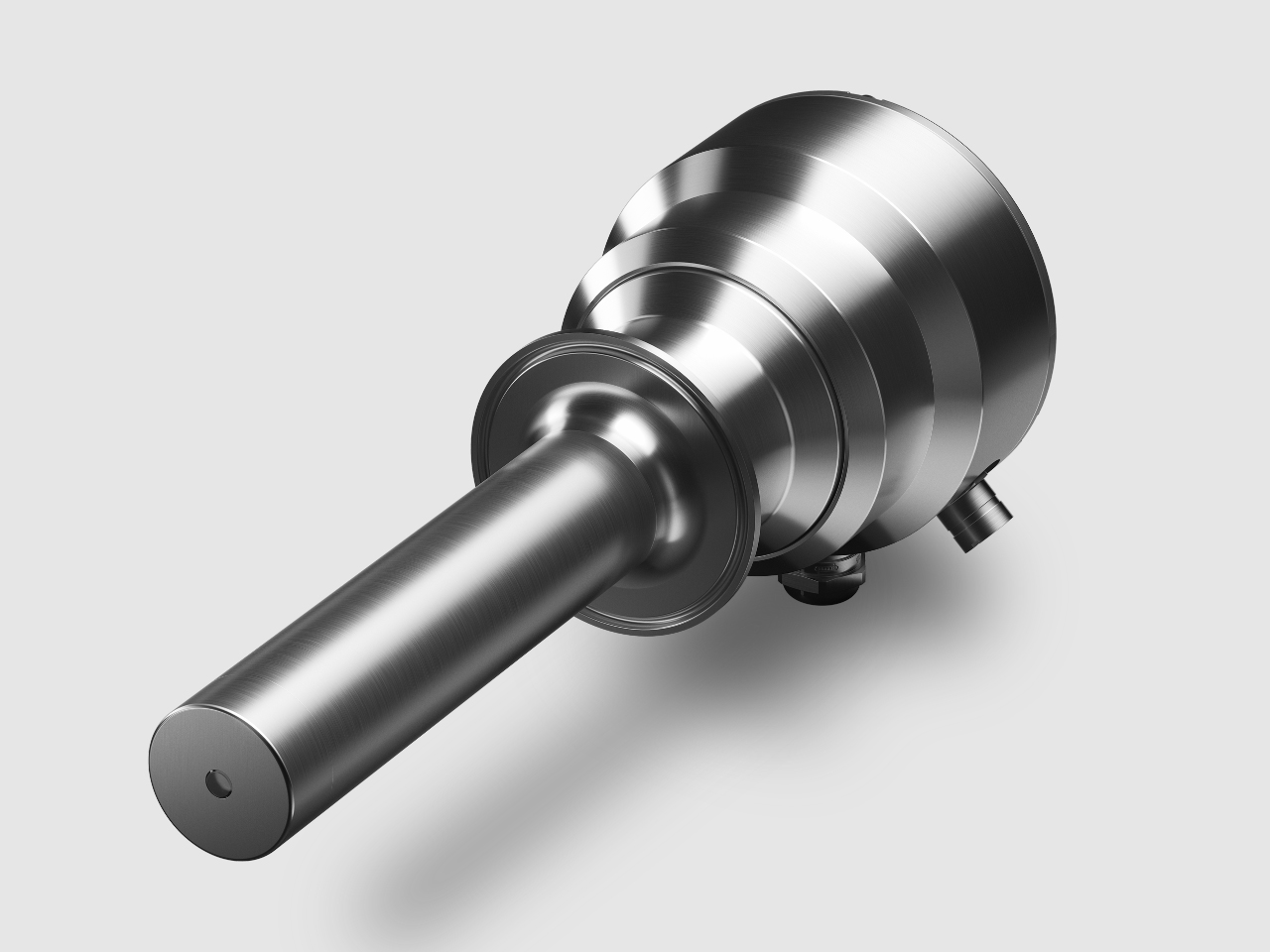
The Vaisala Polaris™ pharma refractometer is designed for pharmaceutical and biotechnology manufacturing to measure liquid concentrations inline (in situ)—from laboratory-scale and pilot batches used in process development to full production-scale manufacturing.

Refractive Index measurements will enhance your understanding of critical process parameters (CPPs), reduces drug development time, increases production capacity and stability, improves product quality and safety, and supports regulatory compliance.

Typical applications include processing of active pharmaceutical ingredients (APIs), biochemical and biopolymer production, and formulations involving vaccines, antibiotics, proteins, and buffer solutions—making Polaris the perfect PAT tool for modern pharma and biotech environments.


On-demand Webinar: Learn how to verify a Vaisala inline process refractometer

Liquid measurements services


Join Vaisala Product Engineer Maria Nyman as she demonstrates how to verify refractometer accuracy, linearity, and repeatability using standard RI liquids. Discover what equipment you need, why temperature stability matters, and how to maintain ISO-compliant process measurements. 

Watch now


Add new comment

Cooling crystallization monitoring and control in API production processes with RI measurements

Profile picture for user janice.bennett
Submitted by janice.bennett on
Biopharma Kettles
Life Science
Liquid Measurements

This blog is second in a three-part series on how Vaisala refractometers can optimize API processes. See the first blog: “Perfecting solvent swap processes with Refractive Index trend data”. 

Crystallization is an important method used in pharmaceutical manufacturing to purify, recover, and separate the active pharmaceutical ingredient (API) from a solvent. It involves the separation of the API as a pure solid form by cooling a solution (or slurry) containing the drug. Crystallization plays a crucial role in pharmaceutical processes, as most of the APIs are produced in a crystalline form. Moreover, crystallization has an impact on the quality and safety of the final drug product.

Crystallization control is important because it ensures that crystals with the desired properties, such as particle size distribution (PSD), are consistently produced. Properties such as PSD, in turn, play a critical role in the efficacy and stability of pharmaceutical products. For instance, the size of drug particles can affect their bioavailability, solubility, and rate of dissolution, which can impact their therapeutic effect. Any deviations from the cooling conditions will impact the product quality and downstream processability of the crystals.

Various techniques are used to control crystal quality and PSD, such as control of cooling rate, seeding, and supersaturation. Refractive index measurements provide selective concentration measurement of the mother liquor and a reliable measurement for following, in real time, supersaturation and for aiding crystallization control.

Achieving Controlled Crystallization with Supersaturation and Refractive Index Monitoring

Crystallization control through supersaturation monitoring is a common application for the Vaisala process refractometer. The aim is to aid crystallization and PSD control by monitoring the concentration of the mother liquid during pre-concentration and crystallization.

Supersaturation is the state in which the concentration of solutes in a solution exceeds its equilibrium saturation point, and it is a driving force for crystal growth and nucleation. In order to control crystallization and obtain good PSD, the concentration of the solution is ideally kept close to the solubility curve within the metastable zone. If the cooling rate is exceeded past the ideal point of saturation, the solution passes the super-solubility curve, entering an unstable zone where crystallization happens spontaneously and rapidly. Once this occurs, crystal sizes cannot be controlled. By controlling the concentration of solutes, it is possible to control the degree of supersaturation, which can affect the particle size distribution during crystallization.

In one of our customers’ cases, refractive index has been a useful tool from the early stage of development to study crystallization conditions and develop cooling crystallization profiles. In their tests, scientists used refractive index measurements to gain process understanding of the cooling crystallization of a certain API. They noted: 

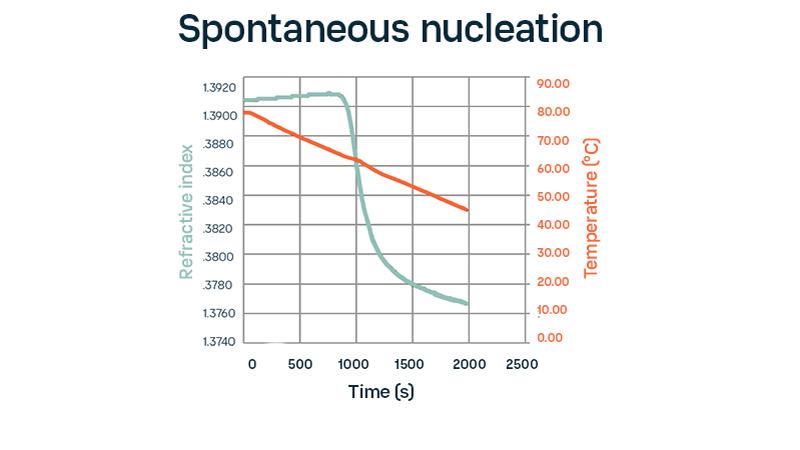
“The crystallization process is clearly visible in the refractometer data. As the liquid concentrates, the refractive index increases until it reaches saturation, then drops rapidly as the solute transitions from the liquid phase to the solid crystal phase. The exact onset of crystallization can be observed.”

Refractive index is a selective measurement of the liquid concentration, which makes it ideal for monitoring supersaturation during crystallization operations. Our customer concludes that refractive index values proved to be useful for achieving greater control over the PSD, showing high measurement reliability even in the presence of suspended solid material (during crystal formation) and gas bubbles.

Spontaneous nucleation API production
Figure: Real-time refractive index (RI) and temperature profile during cooling crystallization. The linear drop in RI indicates the onset and progression of crystallization, enabling precise process control.

“Refractive index is a selective measurement of the liquid concentration, which makes it ideal to monitor supersaturation during crystallization operations.”

RI was also used by the customer to obtain relevant scientific data to study crystallization, such as solubility, helping them create solubility curves and crystallization profiles needed to determine the ideal crystallization conditions. Our customer explains that “when controlling by supersaturation, the goal is to achieve a saturation curve that closely aligns with the solubility curve. This indicates that crystallization has occurred in a more controlled manner, close to the metastable zone, and this is exactly what we can see with the process refractometer.”

The Vaisala Process Refractometer delivers continuous, real-time measurement, providing actionable insights that help control crystal quality and size, ultimately enhancing the quality and efficacy of the final drug product. Furthermore, effective crystallization control positively impacts downstream operations such as filtration. In our next blog, we will explore how refractive index measurement can be leveraged to design and optimize filter cake washing operations. 

Related products
Indigo520 for process refractometers

Indigo520 for process refractometers

Vaisala Polaris combined with Indigo520L offers compelling features for all users and are a standard power couple for applications and installation positions with wash system.

Application Note: Pharmaceutical crystallization

In this application note you will learn how real-time concentration measurements with Vaisala Polaris™ PR53AC Sanitary Compact Process Refractometer can allow for: 

  • Monitoring of concentration of mother liquor for optimum seeding point
  • Controlled supersaturation
  • Controlled nucleation and crystal growth rate.
  • The creation of API solubility curves
  • Accurate crystallization profiles for improved scale-up processes

Download now

Add new comment

XXXII ISSCT World Sugar Cane Congress 2025

Aug 24
Event venue
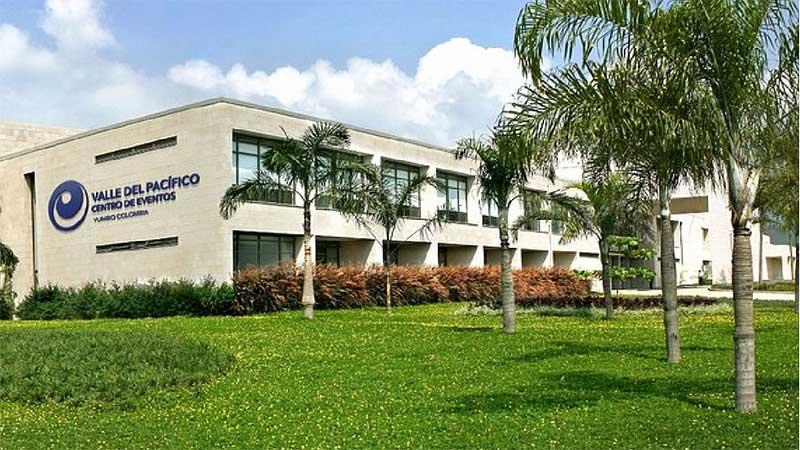
Centro de Eventos Valle del Pacífico
Cali
Colombia

Vaisala at the XXXII ISSCT World Sugar Cane Congress 2025

We are pleased to announce that Vaisala will participate in the XXXII ISSCT World Sugar Cane Congress 2025, which will take pl

Optimizing Ammonium Nitrate Production with Refractive Index Technology

Profile picture for user janice.bennett
Submitted by janice.bennett on
Ammonium Nitrate Production Process Liquid measurement
Liquid Measurements

Ammonium nitrate (NH4NO3) is a versatile salt composed of ammonium ions (NH4+) and nitrate ions (NO3-). It plays a crucial role in the explosives and fertilizers industries and is also used in the treatment of titanium ores.

The Ammonium Nitrate Production Process

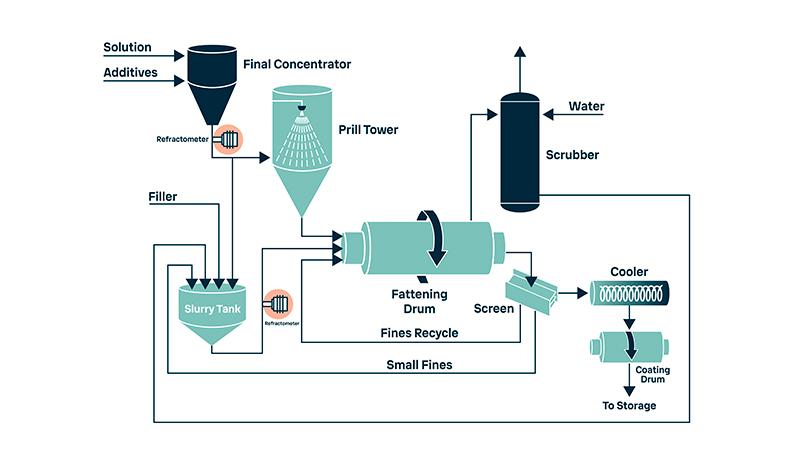
Ammonium nitrate is produced by reacting nitric acid with ammonia. The resulting solution is concentrated to 97.5-98% in a final concentrator. This concentrated solution, along with quality additives, is then fed into a prilling tower where small pellets of ammonium nitrate are formed. Some of the concentrated solution is also gravity-fed into a slurry tank.

In the slurry tank, the filler is dispersed, and the oversize and small fines are melted. The 97.5% ammonium nitrate solution from the concentrator is discharged, and the moisture content of the mixture is adjusted by adding scrubbing liquor. The slurry is then conveyed through a hot air atomizing system to form tiny droplets, which are sprayed onto a curtain of falling granules from the prilling tower.

Ammonium Nitrate Application & End Products

The primary end products of ammonium nitrate production are fertilizers and explosives. The production process involves several stages, including the formation of pellets in the prilling tower, classification into fractions, and cooling in a fluidized bed cooler. The cooled ammonium nitrate is treated to prevent caking during storage, typically by spraying a liquid coating agent made of oil and amine in a rotary drum.

Process Refractometer Instrumentation & Installation

The Vaisala Polaris® Process Refractometer PR53GP is essential for continuous monitoring of the ammonium nitrate process. It is installed on the concentrator and slurry tank outflows to ensure a uniform prill and prevent the need for reprocessing. Traditional methods of calculating concentration based on nuclear density and paper charts are often confusing and time-consuming. In contrast, the refractometer provides a direct measurement of ammonium nitrate concentration, which can be sent to the control room via Ethernet or 4-20 mA output signals. This real-time data allows operators to make immediate adjustments to the process.

Refractive Index Measurement Range and Accuracy

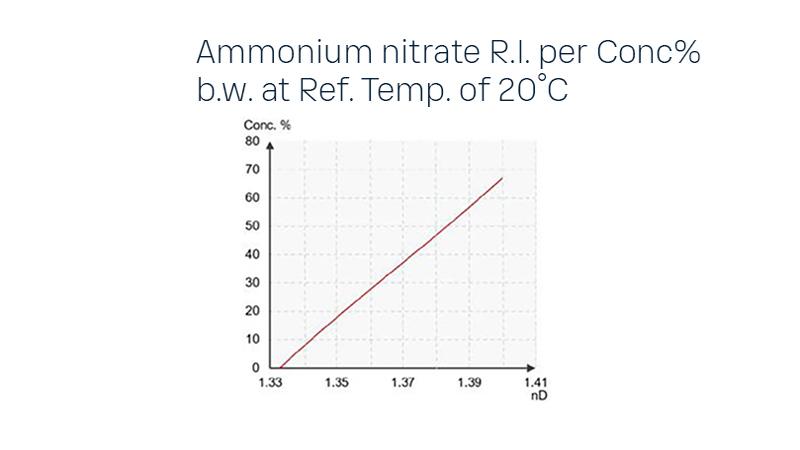
The refractometer measures the refractive index (nD) in the range of 1.3200 – 1.5300, corresponding to 0-100% by weight. The concentration of the outflow NH4NO3 solution is typically 90-98%, with process temperatures ranging from 160-180ºC (320-356ºF). In the slurry tank, the NH4NO3 solution concentration is also 90-98%, with temperatures between 150-160ºC (302-320ºF). The typical measurement range is 60-100% NH4NO3, with an accuracy of 0.2% NH4NO3. An automatic prism wash with steam may be required for this application, and appropriate equipment with hazardous and intrinsic safety approvals is available when needed.

Ammonium nitrate chemical curve

Optimizing ammonium nitrate production processes with refractive index technology ensures high-quality end products and efficient operations. The Vaisala Polaris® Process Refractometer PR53GP provides reliable, real-time measurements that are crucial for maintaining the desired concentration levels and making necessary adjustments promptly.
For more information, please contact us.


Related products

On-demand Webinar

Mastering Sulfuric Acid Measurement: Successes in Oil & Gas Refinery Operations

In this webinar, Vaisala Industry Expert Kevin Green is joined by two experts from Elessent Clean Technologies. Together they discuss how sulfuric acid is used as a catalyst to facilitate the alkylation reaction. 

Watch now

Add new comment

Optimizing PET production with refractive index measurement of Ethylene Glycol in recycling lines

Profile picture for user janice.bennett
Submitted by janice.bennett on
Polyethylene Terephthalate Production Process Refractometer to read Ethylene Glycol
Liquid Measurements

Ethylene Glycol, with the chemical formula (CH2OH)2, is a versatile compound used in various industries. Its typical end products include synthetic fibers, thermoforming applications, engineering resins, and PET bottles.

The Importance of Polyethylene Terephthalate (PET)

Polyethylene Terephthalate (PET) plastic is a crucial material used to produce fibers and yarn, engineering plastics, photo and packing film, and beverage and food containers. The majority of the world’s PET production is for synthetic fibers (over 60%), with bottle production accounting for around 30% of global demand. In textile applications, PET is generally referred to as polyester, while in packaging, it is known as PET.

PET Production Processes

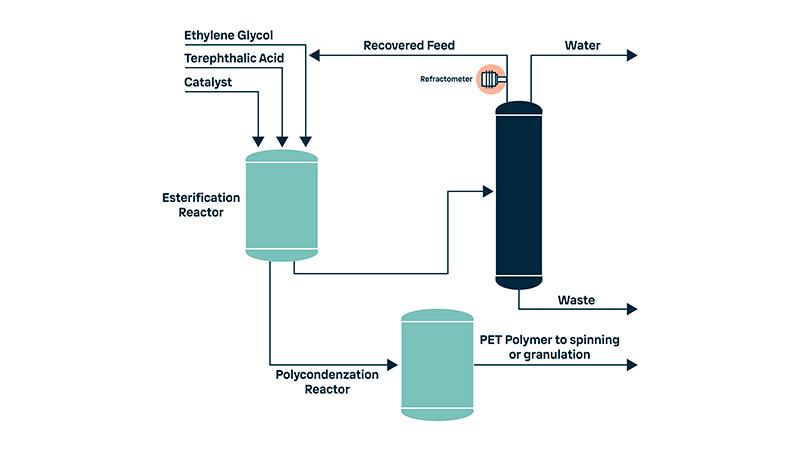
The production of PET involves reacting the monomers Terephthalic Acid (TPA) and Ethylene Glycol (EG) in the presence of a catalyst. However, not all the EG reacts during this process. The excess EG, along with other minor reaction products like Propylene Glycol (PG) and Triethylene Glycol (TEG), are recovered and recycled back into the reactor feed.

Measuring Process EG Concentration

Accurate measurement of EG concentration in the recycling line is essential to maintain the desired reactor feed level. The concentration of the EG feed significantly affects the quality and opacity of the polymer product.

Process Refractometer Instrumentation & Installation

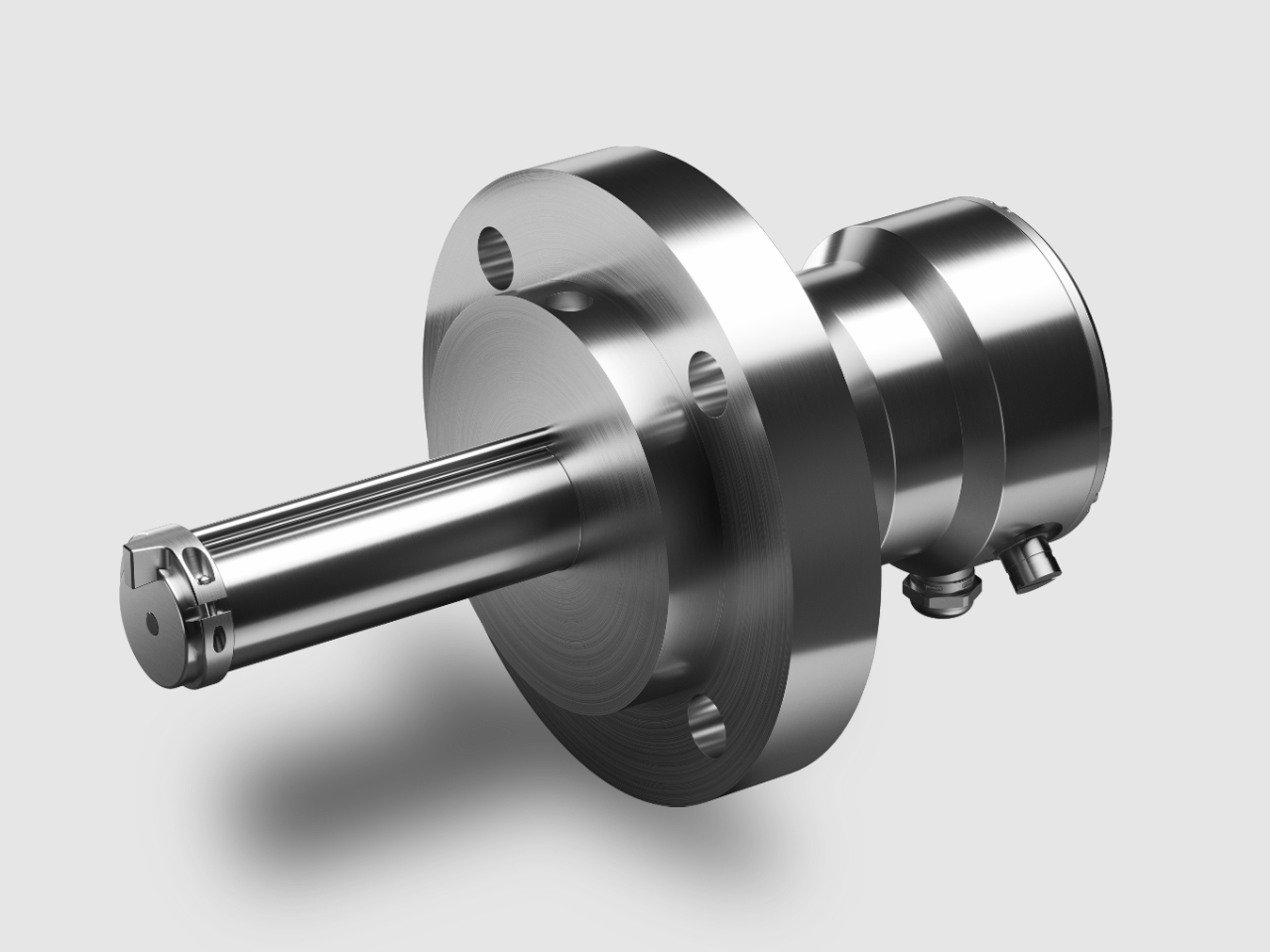
The Vaisala Polaris™ PR53GP Process Refractometer is used to measure the concentration of Ethylene Glycol in the recycle stream. This measurement helps adjust the feed ratio of fresh EG to ensure the correct quantity is fed to the reactor. 

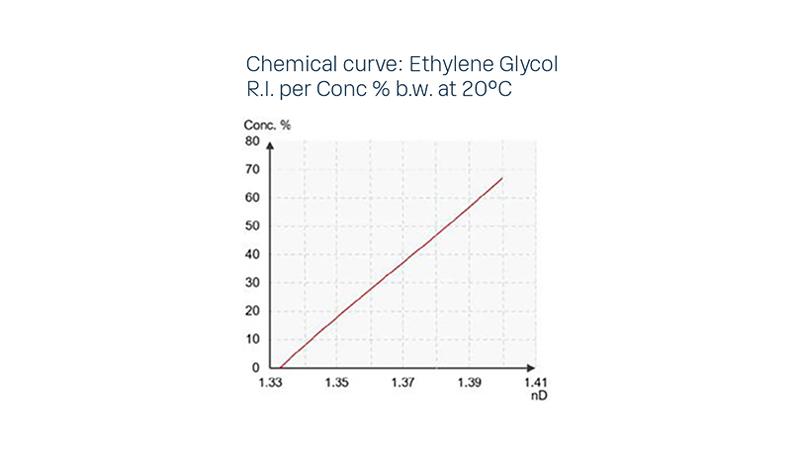
The typical measurement range is from 90% to 100%, with process temperatures ranging from 20ºC (68ºF) to 30ºC (86ºF). An automatic prism wash with steam is recommended for this application. Hazardous and intrinsic safety approvals are available when required.

Ethylene Glycol RI per concentrate chemical curve

With a robust, non-welded body construction suitable for demanding applications, the Polaris PR53GP Process Refractometer also supports an optional flange-mounted pipe flow cell  accessory for secure installation in various pipe sizes. Additionally, Vaisala Polaris process refractometers are Indigo compatible, offering expanded features such as data logging, wash control, settings adjustments, measurement parameters, diagnostics, and service updates.

Related products

On-demand Webinar
Unlocking Efficiency: Refractive Index Insights for Chemical Industry Concentration Applications

Watch this insightful webinar that combines the forces of two seasoned experts as they delve into the critical role of refractive index measurements in chemical processing. To demonstrate refractive index values, our speakers focus on four common chemicals: UAN (urea and ammonium nitrate), sulfuric acid, phosphate, and sodium bicarbonate.

Watch now


Add new comment

Conductivity Measurements Vs. Refractive Index Measurement for Sulfuric Acid Applications

Liquid Measurement of H2SO4 (sulfuric acid) with refractometer
Liquid Measurements

Accurate measurement of chemical concentrations is critical in industrial processes, especially when dealing with highly corrosive substances like sulfuric acid. The use of conductivity sensors and refractometers plays a significant role in ensuring precision and safety. However, each method has its own set of challenges and ideal use cases.

Conductivity Sensors: Versatile but Limited

Conductivity sensors measure the ability of a solution to conduct an electric current, which varies with the concentration of ions in the solution. These sensors are widely used due to their affordability and effectiveness in various applications such as monitoring drinking water, cooling towers, and processes involving less aggressive chemicals. 

The Nonlinearity Problem

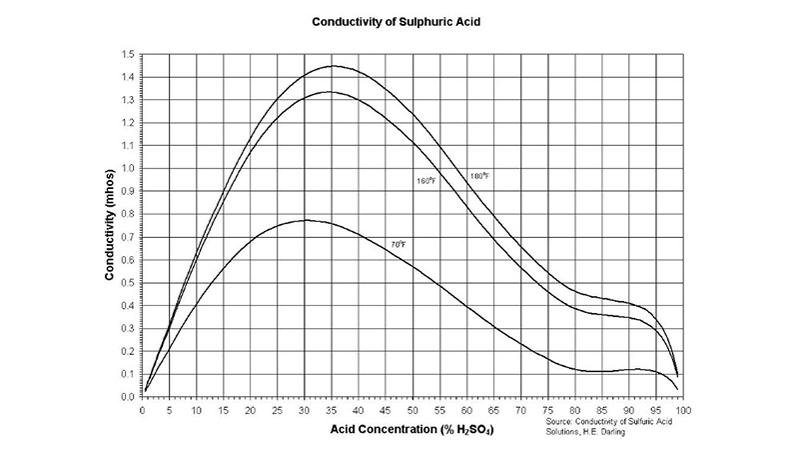
When it comes to measuring sulfuric acid concentrations, conductivity sensors face significant challenges due to the non-linear relationship between concentration and electrical conductivity. This nonlinearity means that at certain points, the sensor may give the same reading for different concentrations, making it difficult to determine the actual concentration accurately.
For example, a sensor might show 1.1 micromho for both 20% and 50% sulfuric acid solutions. This ambiguity arises because the conductivity curve of sulfuric acid does not increase linearly with concentration. The result is that a conductivity sensor alone cannot reliably differentiate between these concentrations without additional information or correction methods.

Temperature Compensation

Temperature significantly affects conductivity readings. A conductivity sensor without proper temperature compensation can yield erratic results, as seen with substantial differences in readings at 70 degrees versus 180 degrees. Ensuring accurate measurements requires temperature compensation mechanisms, adding complexity and potential points of failure to the system.

Refractometers: Precision in Challenging Environments

Refractometers measure the refractive index of a solution, which changes with concentration. This method is particularly advantageous in applications where conductivity measurements fall short, such as with sulfuric acid.

Benefits in Sulfuric Acid Measurement

Refractometers provide a more reliable measurement for sulfuric acid due to their ability to handle the nonlinear conductivity curve. Unlike conductivity sensors, refractometers are not as affected by temperature variations, making them more stable in harsh conditions.

Limitations and Maintenance

However, refractometers are not without their challenges. They are generally more expensive and they require regular maintenance due to the aggressive nature of sulfuric acid, which can erode the prism seals. These seals, often made from Teflon or similar materials, are crucial for preventing the acid from entering the sensor. Once compromised, the sensor must be replaced to avoid contamination and ensure accurate readings. It is also important to make sure that the metallurgy of the refractometer probe is compatible with the process. Some highly aggressive acids require Hastelloy, or Alloy 20 for longer life. A product like Vaisala's PolarisTM refractometer, which has prism washing capabilities, can be a great solution. 

Example applications

Cooling Towers and Cyanide Applications

Conductivity sensors excel in less aggressive environments such as cooling towers and gold mining operations. In cooling towers, conductivity sensors monitor the concentration of chemicals to prevent scaling on heat exchange membranes, thereby automating the process of maintaining optimal water quality. In gold mining, conductivity sensors facilitate the cyanide leaching process by monitoring the concentration of cyanide solutions used to dissolve gold from ore.

Sulfuric Acid Production and Copper Mining

In sulfuric acid production and copper mining, where acid concentration must be monitored meticulously, refractometers offer superior accuracy. For instance, copper mines capture sulfur dioxide from smelter stacks to produce sulfuric acid. Refractometers ensure precise measurement of the acid concentration, which is crucial for both safety and process efficiency.

Conclusion

While conductivity sensors are cost-effective and suitable for many applications, their limitations in handling nonlinear conductivity curves and temperature variations make them less ideal for measuring highly corrosive substances like sulfuric acid. Refractometers, though more expensive and requiring maintenance, provide the necessary accuracy and reliability in such challenging environments. Conductivity probes require periodic calibration to correct for sensor drift.

In industrial settings, the choice between conductivity sensors and refractometers depends on the specific requirements of the process. For applications involving aggressive chemicals or requiring high precision, refractometers are often the better choice despite their higher cost and maintenance needs. Conversely, for less demanding applications, conductivity sensors offer a practical and economical solution. The key is understanding the strengths and limitations of each method to ensure optimal performance and safety in industrial processes.

###
 

Many thanks to Dave Lobach as our guest blogger!

To learn more about Vaisala liquid measurement solutions, contact us


Related products
Dave Lobach  -  Rocky Mountain Instrumentation

Dave Lobach, Rocky Mountain Instrumentation Inc.


For over 30 years, Dave Lobach has been committed to helping clients with their manufacturing and processing applications. In his time with Rocky Mountain Instrumentation, Inc. (RMI) Dave has worked to provide cutting-edge systems for process control. Established in 1991, RMI has been at the forefront of delivering industrial instrumentation across the Intermountain West in the USA, encompassing states such as Utah, Colorado, Nevada, Idaho, Wyoming, and Montana. RMI serves client companies in various sectors, including Oil & Gas, Life Science, Metal & Mining, and Water & Wastewater. With in-depth application experience spanning over three decades, Dave has collaborated closely with industry partners to engineer solutions that meet the demands of modern industrial applications.

eBook: Liquid concentration and density measurements

This eBook compares two methods for measuring liquid concentration in industrial chemical applications: refractive index technology (refractometers) and density meters (Coriolis, ultrasonic, nuclear, and microwave).

This eBook also explores the use of refractometers in:

  • Sulfuric acid manufacturing
  • Nitrile butadiene rubber (NBR) production
  • Chlor-alkali processes
  • Chemical interface and product identification
  • Caprolactam production
  • Ammonium nitrate production

Download PDF

Add new comment