Advanced applications and data accuracy in process refractometers

Industrial measurement applications - Liquid measurement
Industrial Manufacturing and Processes
Industrial Measurements
Liquid Measurements

Welcome to our final installment in a series of three Q&A blogs from our webinar: "Unlocking Efficiency: Refractive Index Insights for Chemical Industry Concentration Applications." 

The first two blogs in this series: 

In this blog, Vaisala’s Kevin Green and Rocky Mountain Instrumentation’s Dave Lobach will discuss several advanced applications that benefit from refractive index measurements, as well as the accuracy of process refractometers. 

Question: How can refractive index optimize paper industry recovery processes?

Answer: In the paper industry, refractometers are crucial for maintaining the concentration of black liquor within safe limits. Typically, black liquor concentrations range from 60-80%. Vaisala refractometers are designed to meet BLRBAC standards and have widespread installations globally, ensuring safe and efficient operations.

Question: How is refractive index used in pharmaceutical research, development, or manufacturing? 

Answer: Refractometers are extensively used in the pharmaceutical and life sciences industries. They monitor the manufacturing of alcohol, IV solutions, plasma, fermentation processes, and various precursor chemicals. Refractometers are installed in various stages of production where efficiency and quality control are important. Whether monitoring the refractive index of products or ensuring optimal process conditions, refractometers play a vital role. For specific applications, it is recommended to contact your local Vaisala Regional Manager to discuss your needs in detail. You can find more information here

Question: Can the Vaisala refractometer materials withstand aggressive chemicals over time? 

Answer: Vaisala ensures that all new applications undergo a rigorous analysis before manufacturing. This scrutiny guarantees that the wetted materials used in refractometers can withstand aggressive chemicals over time. For specific requirements, consulting with a regional manager can provide the necessary guidance and support.

Question: What level of turbidity affects the Vaisala refractometer?

Answer: Turbidity, which measures the presence of solids, does not affect refractometer measurements. Refractometers specifically measure the concentration of dissolved solids, making them reliable for various applications without interference from turbidity.

Question: How would one apply refractive index measurements in chloralkaline sector?

Answer: In the chloralkaline sector, Vaisala refractometers can be installed at various critical points, such as the feed to the electrolytic cell, brine recirculation line, hydrochloric acid line to storage, and before and after evaporators. These installations help monitor concentrations accurately, ensuring efficient and safe operations. 

There are several different units of measure that can used to indicate the concentration of a process such as centipoises, Brix, viscosity, Baume, etc. These can be temperature corrected and directly corelated to refractive index. These engineering units can be inputted into the refractometer transmitter so that the refractive index is displayed in familiar process values.  We have an application note on Chlor-Alkali processes. 

Question: What is the accuracy of Vaisala refractometers? 

Answer: The accuracy of Vaisala refractometers is notable, with a precision of ±0.00014 nD (0.1 °Bx) and repeatability of ±0.00002 nD. This high level of accuracy is essential for maintaining quality control and optimizing production processes across different industries. You can learn more about the refractometers in this FAQ. 

Question: What about CRN Approval for Vaisala Refractometers?

Answer: For non-water liquids over 15PSI, CRN approval is mandatory, especially for hazardous substances like sulfuric acid. All Vaisala refractometers have CRN approval, adhering to stringent safety and regulatory standards, ensuring they can be safely installed in demanding environments.

Question: Are there refractive index uses at chemical plant terminals? 

Answer: Vaisala refractometers are applicable in terminal operations for monitoring stored or transported products. Understanding the specific type of terminal application is crucial for providing tailored solutions and ensuring optimal performance. We have an application note on this topic: “Real-time chemical identification and interface detection in loading and unloading operations.”

Question: How do we justify refractive index measurements in chemical applications if there are cheaper measurement methods available? 

Answer: Although high performance in-line process refractometers can be more expensive than traditional instruments like pH and conductivity sensors, their benefits often justify the investment. Refractometers offer superior performance in high-temperature and high-pressure applications, enhance quality control, and reduce process upsets. These advantages, combined with their ability to complement existing technologies, make them a valuable addition to any industrial setup.

Reach out to us to learn more about how refractive index measurements can improve your processes in multiple industrial applications. 
 

Related products

Ask us anything about Vaisala’s process refractometers

In this recorded webinar, Vaisala Director of Liquid Measurements Jarkko Ruonala answers common questions about our line of Polaris refractometers

Learn more & Register

Add new comment

Unlocking Efficiency in Sulfuric Acid Applications: Expert Insights

Liquid Measurement of H2SO4 (sulfuric acid) with refractometer
Industrial Measurements
Liquid Measurements

Welcome to the second in our series of three Q&A blogs where industry experts Kevin Green from Vaisala and Dave Lobach from Rocky Mountain Instrumentation provide answers to questions from our webinar, "Unlocking Efficiency: Refractive Index Insights for Chemical Industry Concentration Applications". The first of our Q&A blogs is also available: "Prism wash systems and refractometers in chemical applications."

If you missed the live webinar, you can still watch the recording.

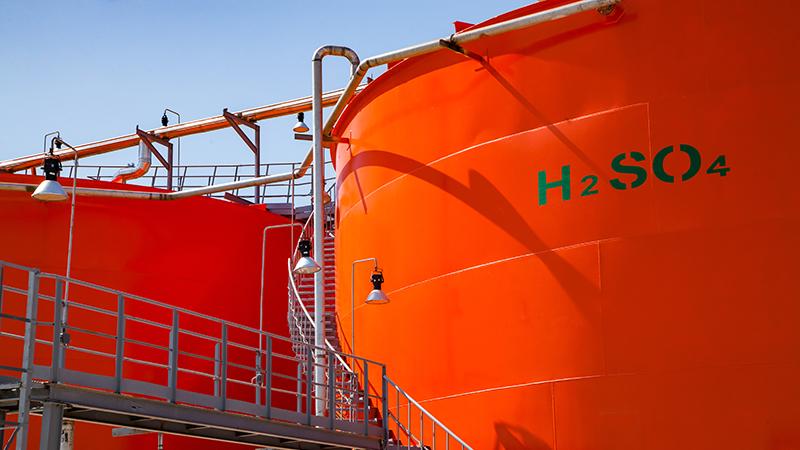
In this second blog, Kevin and Dave focus on the nuances of refractive index measurement in sulfuric acid applications. Please find a full application note below. 

Question:  Can we measure ASO (acid-soluble oils) in alkylation besides H2SO4 (sulfuric acid)?  

Answer:  Refractometers are highly effective in alkylation processes for measuring acids like H2SO4. They can monitor acid concentration before and after the reactor and are not affected by acid-soluble oils (ASO). This ensures accurate measurements and efficient process control.

Question: For measurements in aggressive media such as H2SO4, is there any degradation of the instrument or decrease in measurement accuracy with exposure time? If yes, what are the recommended maintenance procedures?  

Answer: Degradation concerns are valid when dealing with aggressive media like sulfuric acid. Although the prism itself is resistant to H2SO4, using 316SS in concentrations above 90% is recommended. For more aggressive applications, exotic metals like Hastelloy or Alloy 20 should be considered. Regular maintenance and careful material selection are essential for ensuring the longevity and accuracy of the instrument.

Question: For H2SO4 concentrations ranging from 0-80% and 85-100%, do we need to use two refractometers? What about the range between 80% and 85%?  

Answer: It is advisable to use two refractometers for sulfuric acid concentrations from 0-80% and 85-100% due to the non-linear refractive index curve, which becomes negative between 80% and 100%. This approach enhances accuracy by addressing the unique measurement challenges in these concentration ranges.

Contact Vaisala to go beyond these expert insights and enhance your understanding of refractive index sulfuric acid applications in the chemical industry.
 

Related products
Indigo520 for process refractometers

Indigo520 for process refractometers

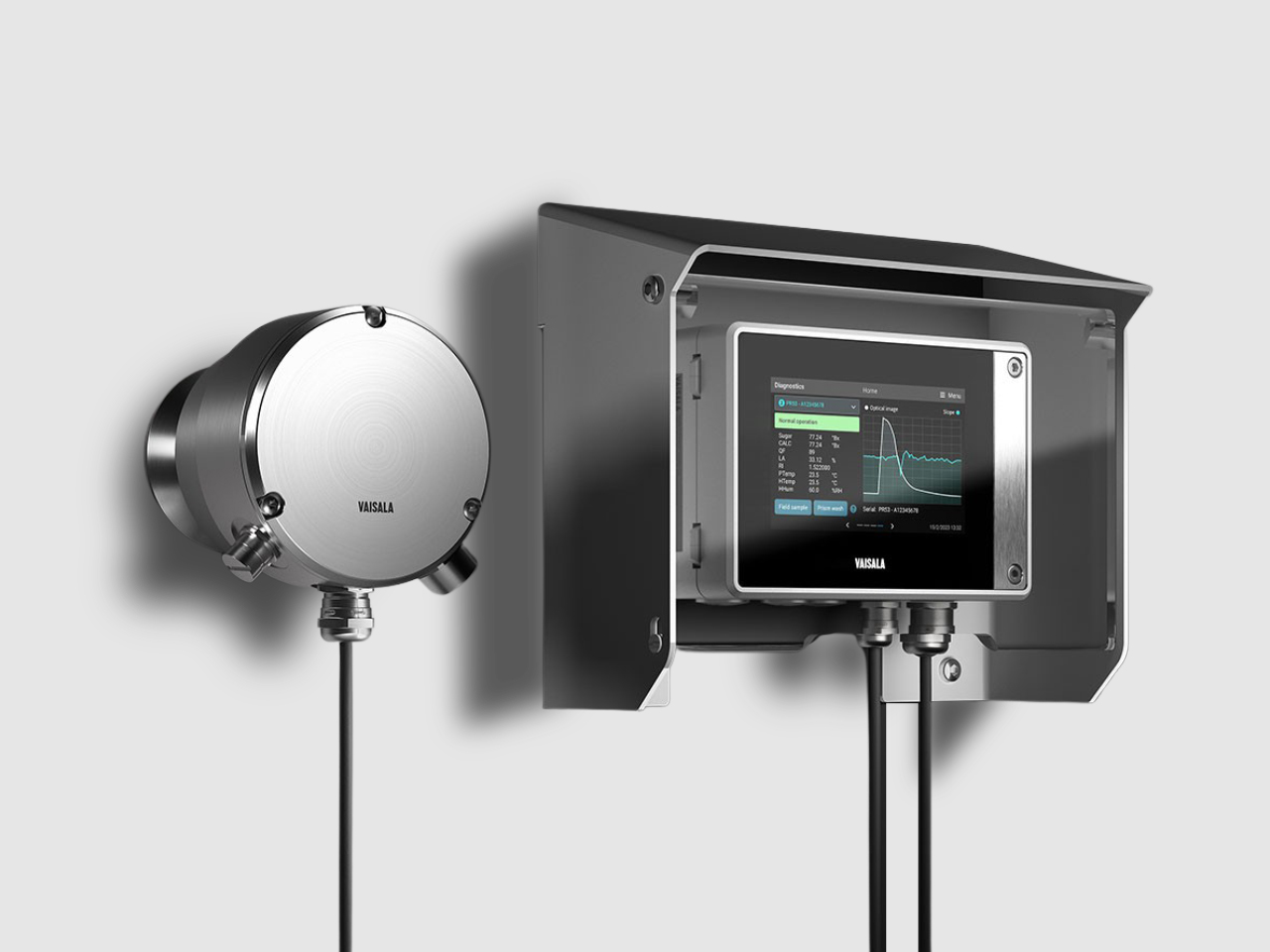
Vaisala Polaris combined with Indigo520L offers compelling features for all users and are a standard power couple for applications and installation positions with wash system.

KevinGreen1

Kevin Green, Vaisala Industry Expert & Regional Sales Manager


Kevin has a background in Mechanical Engineering and brings many years of experience in instrumentation, sales and product management with companies such as Emerson – Rosemount Measurement, McCrometer, and ABB. At Vaisala he is primarily focused on measurement applications applied to industries such as semiconductors, food and beverage production, chemical processing, and pulp and paper manufacturing. In his spare time Kevin enjoys cycling and mountain biking, skiing, tennis, and spending time with family and friends.

Dave Lobach  -  Rocky Mountain Instrumentation

Dave Lobach, Rocky Mountain Instrumentation Inc.


For over 30 years, Dave Lobach has been committed to helping clients with their manufacturing and processing applications. In his time with Rocky Mountain Instrumentation, Inc. (RMI) Dave has worked to provide cutting-edge systems for process control. Established in 1991, RMI has been at the forefront of delivering industrial instrumentation across the Intermountain West in the USA, encompassing states such as Utah, Colorado, Nevada, Idaho, Wyoming, and Montana. RMI serves client companies in various sectors, including Oil & Gas, Life Science, Metal & Mining, and Water & Wastewater. With in-depth application experience spanning over three decades, Dave has collaborated closely with industry partners to engineer solutions that meet the demands of modern industrial applications.

Application Note: Sulfuric Acid Alkylation

Learn why it is important to determine the proper amount of acid to processes by combining routine sample titration analysis with continuous monitoring using Vaisala's in-line process refractometer. 

In-line process monitoring provides assurance in between  titration measurements because a Vaisala PolarisTM refractometer will show any gradual changes in the acid flow control. This reduces unit acid consumption and helps prevent "acid runaway" that can occur if acid strength goes below 85-87%. 

Learn more

Add new comment

Prism wash systems and refractometers in chemical applications

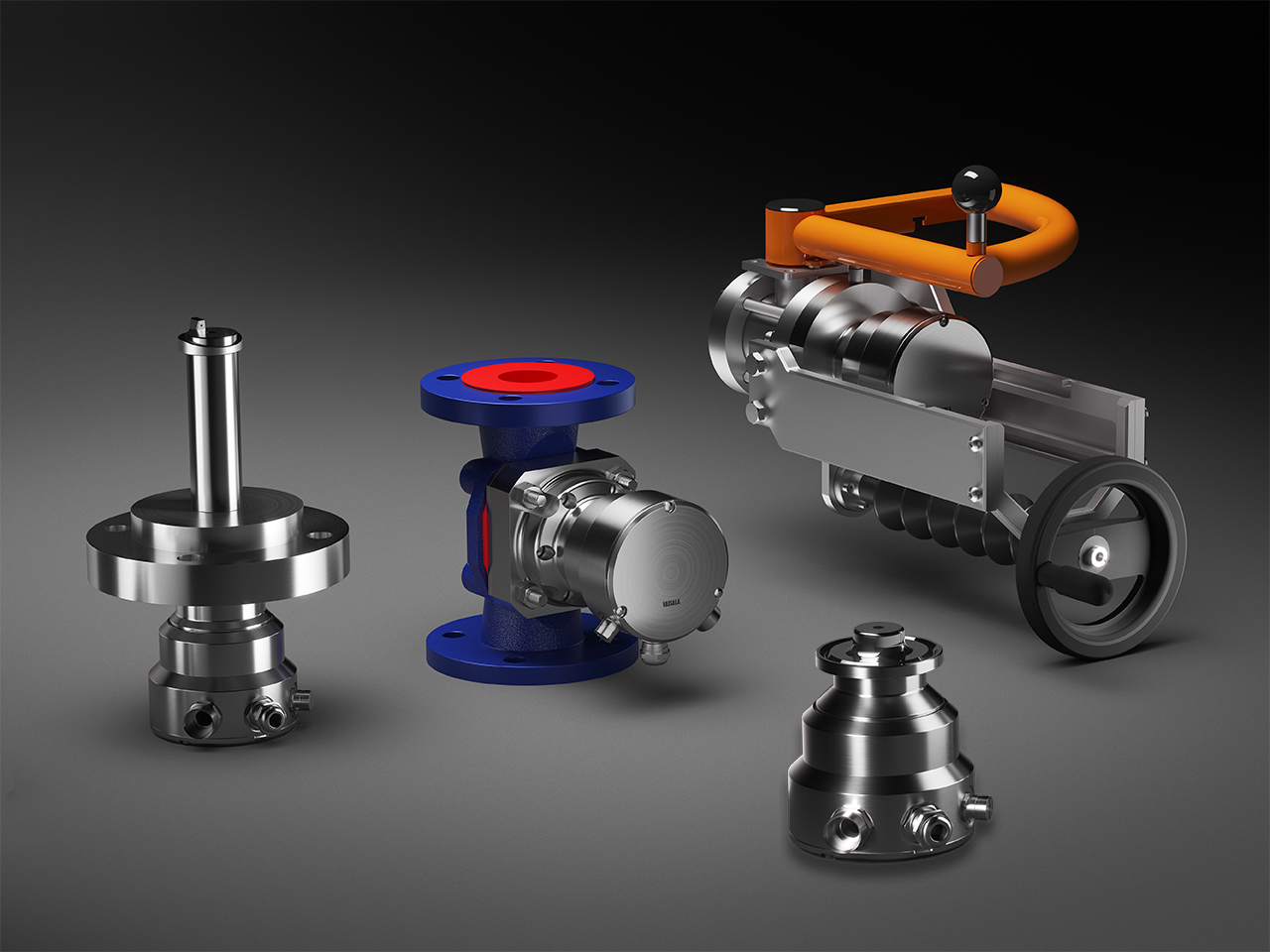
Conceptual image of Prism wash for refractometers in chemical applications
Industrial Measurements
Liquid Measurements

In this blog, Kevin Green of Vaisala and Dave Lobach of Rocky Mountain Instrumentation answer several questions received during their webinar “Unlocking Efficiency: Refractive Index Insights for Chemical Industry Concentration Applications”.  If you haven’t yet seen it, you are free to watch the recording. 

Question: Do refractometers need a prism wash system?

Answer: A common question that arises in various challenging chemical applications is the necessity of prism wash systems. These systems are often required when there is a buildup or deposits in the piping or vessels that necessitate regular maintenance. Identifying the need for a prism wash system is crucial for maintaining the efficiency and longevity of the equipment. Determining the need for a refractometer prism wash system in chemical applications involves assessing whether there is a buildup or deposits.

When deciding to replace pH or conductivity measurements with refractive index, the need for a prism wash system can often be discerned from the process conditions and the maintenance requirements of the existing probes.

For more information, we have a blog on this topic: "How refractometer prism washing in challenging applications can create a competitive advantage".

Question: Does the critical angle change with concentration or is it determined by prism? 

Answer:  The critical angle will vary depending on the concentration of the solution. Additionally, the number of facets and the angles at which the facets are cut in the prism determine the refractive index range. This relationship is essential for accurate measurements and optimal performance of refractometers. Learn more about the mechanical specifications of the prism in this data sheet. 

Question: How many refractometers can be connected to an Indigo transmitter? 

Answer: When it comes to integrating refractive index (RI) sensors with transmitters, two Vaisala Polaris sensors can be connected to a single Vaisala Indigo520 transmitter. Each Indigo unit has Modbus TCP/IP digital communication or four analog outputs that can be utilized for both RI and temperature measurements. This flexibility allows for comprehensive monitoring and control within various industrial processes.

Question: Can we monitor the amount of undissolved solids by monitoring the dark side of the reflection? (I.E., the number of spots or brightness) 

Answer: While refractometers measure the total dissolved solids concentration, undissolved solids are typically measured with a density instrument. This measurement can then be used to determine the amount of insoluble product present in the process.

Question: Can refractive index measurement be used in Hydrocarbon and mineral powder slurry mixture? 

Answer: Refractometry is a valuable tool in analyzing hydrocarbon and mineral powder slurry mixtures. It can assess the viscosity of hydrocarbons while ignoring the solids in the process. By providing detailed information about the chemical slurry mixture, refractometers can offer precise and reliable measurements, which are essential for optimizing production and ensuring quality control.

We have a related application note: "Natural gas liquids NGL: Liquid hydrocarbons identification"

Learn more about liquid concentration measurement for process control and optimization in chemical applications.

Related products
Indigo520 for process refractometers

Indigo520 for process refractometers

Vaisala Polaris combined with Indigo520L offers compelling features for all users and are a standard power couple for applications and installation positions with wash system.

KevinGreen1

Kevin Green, Vaisala Industry Expert & Regional Sales Manager


Kevin has a background in Mechanical Engineering and brings many years of experience in instrumentation, sales and product management with companies such as Emerson – Rosemount Measurement, McCrometer, and ABB. At Vaisala he is primarily focused on measurement applications applied to industries such as semiconductors, food and beverage production, chemical processing, and pulp and paper manufacturing. In his spare time Kevin enjoys cycling and mountain biking, skiing, tennis, and spending time with family and friends.

Dave Lobach  -  Rocky Mountain Instrumentation

Dave Lobach, Rocky Mountain Instrumentation Inc.


For over 30 years, Dave Lobach has been committed to helping clients with their manufacturing and processing applications. In his time with Rocky Mountain Instrumentation, Inc. (RMI) Dave has worked to provide cutting-edge systems for process control. Established in 1991, RMI has been at the forefront of delivering industrial instrumentation across the Intermountain West in the USA, encompassing states such as Utah, Colorado, Nevada, Idaho, Wyoming, and Montana. RMI serves client companies in various sectors, including Oil & Gas, Life Science, Metal & Mining, and Water & Wastewater. With in-depth application experience spanning over three decades, Dave has collaborated closely with industry partners to engineer solutions that meet the demands of modern industrial applications.

eBook: Liquid concentration and density measurements in industrial chemical applications

In this eBook you will learn about the two most common methods of liquid concentration measurement, i.e. refractive index (refractometer) and density (Coriolis, ultrasonic, nuclear, and microwave).  We outline the advantages and disadvantages of each technology. 

Download PDF

Add new comment

Refractive Index Measurement: A flexible solution for liquid chemical sensing

Profile picture for user janice.bennett
Submitted by janice.bennett on
Chemical plant pipe
Liquid Measurements

Liquid chemical processes that benefit from refractive index measurements are varied from a wide range of salts within the chemical industry, as in both water- and petroleum-based chemicals. Across industries, RI is relevant for water-based chemicals like glycols, resins, and polymers; petroleum chemicals such as plastics and solvents; And in petroleum industrial additives, lubricants, waxes and the like. 

In this blog, we answer the questions we did not have time to address during our webinar "Liquid Measurements in demanding chemical applications: Density Vs. Concentration". If you haven't yet watched the webinar, you can view the recording at any time.  

Question: In the future will it be possible to measure very small amounts of water (ppm level) in organic solvents? This would be very useful for organic chemistry applications such as distillation or evaporation of organic solvents to remove as much water as possible.

Answer: Yes. The Vaisala refractometer can measure small amounts of water in solvents if they are dissolved in the solution. Currently, the sensing limit is around 100 ppm, but it depends on process parameters like temperature the medium itself.

Question: We blend two products on the fly via static mixers and pressure. Can an inline refractometer help us determine the percentage of each material present during the entire blending process? We currently take samples at the beginning, middle, and end of the blending process. We currently use Gas Chromatography to determine the concentration of each material at these sampling points, but that can take 1-2 hours per sample. 

Answer: Yes. We can calculate concentration ratio if we know the concentration of feed products. Please send us more information on your specific chemicals and we can verify suitability in detail.

Question: Is there a correlation between concentration and pH on spent Sulfuric acid?

Answer: Yes. Please contact us to speak to an application engineer and learn more. 

Question: Can this sensor send a 4-20 mA signal to a device?

Answer: Vaisala Polaris refractometers have built-in 4 … 20 mA and Modbus RTU outputs. 

Question: I see a lot of flow-through installations. Can Vaisala’s refractometers be installed in a submersion application into a tank or other vessel?

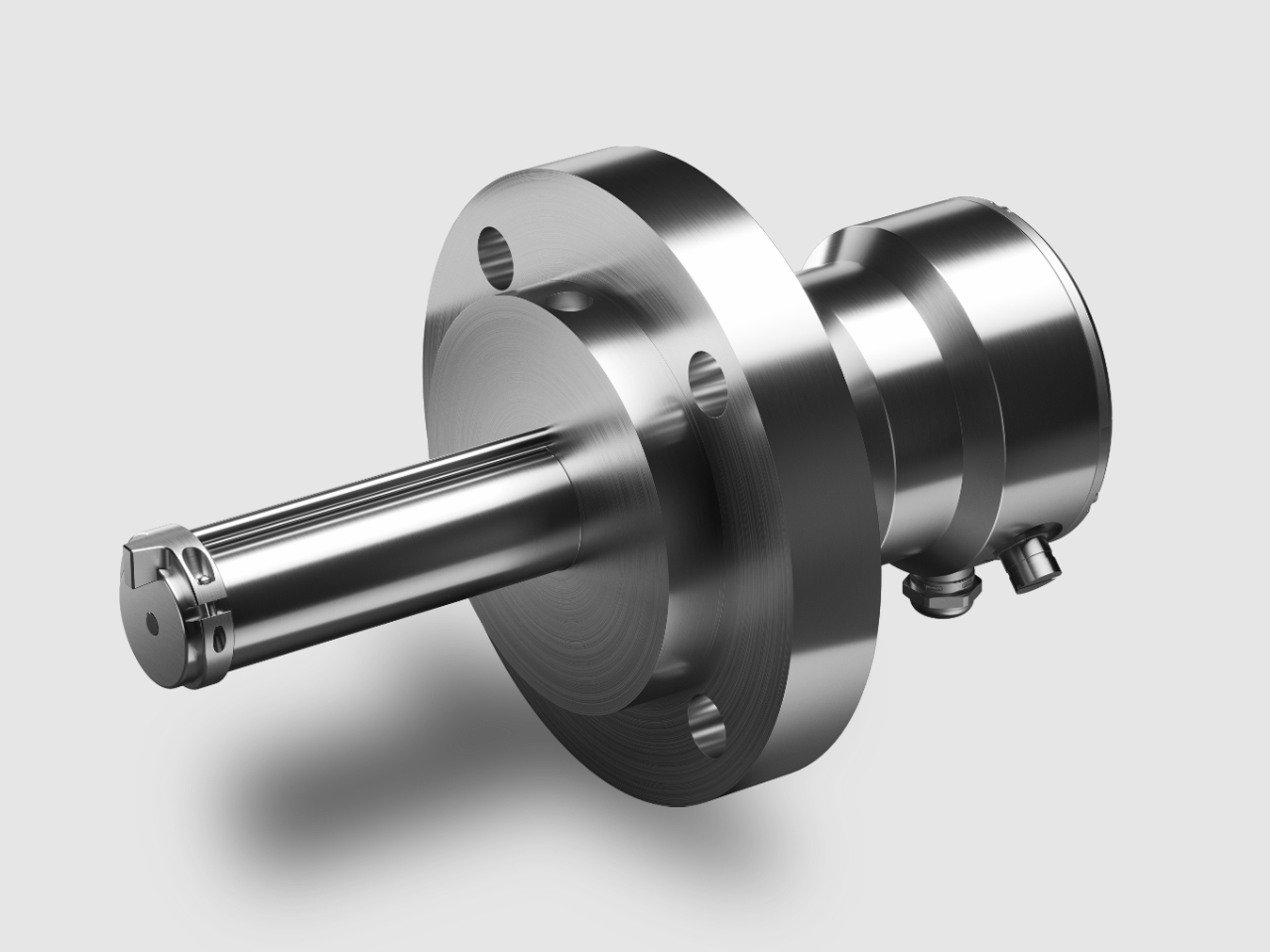
Answer: Yes. You can install the Vaisala Polaris inline refractometer directly to a tank or vessel. We have standard sensor flange connections. See more on the PR53 GP product page for details. 

Question: I often get questions about the compared accuracies between Coriolis and Refractometers. Can you address this? 

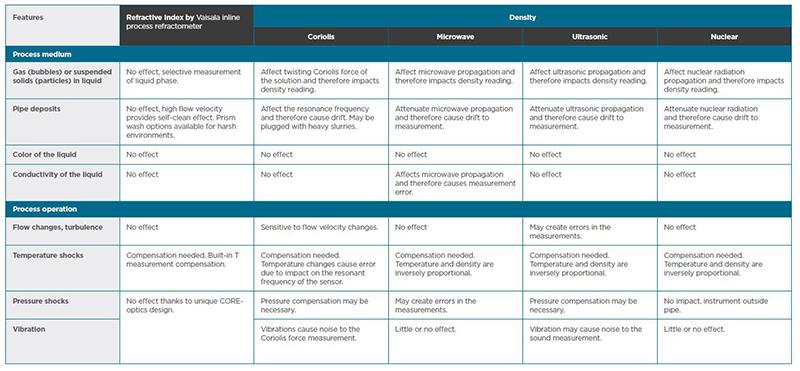
Answer: Yes, we have a comprehensive table in our eBook that compares key features of common liquid measurement methods: Coriolis, microwave, ultrasonic, and nuclear. Below is part of the table. To view the entire table, including comparisons of installation options, maximum operating temperature, operating pressure, typical accuracy, long-term stability, verification and more, please download the PDF

Comparing Liquid Measurement methods table

Question: Do Refractive Index measurements work for dark fluids?

Answer: Yes. Because the refractometer measures reflected light the process medium can be completely dark, clear or anything in between. This is one of the unique properties of inline refractometers and refractive index measurements, making them flexible in liquid chemical measurement applications. 

Learn more about Vaisala refractometers in liquid chemical processes.

Related products

Liquid Measurements in demanding chemical applications: Density Vs. Concentration

In this webinar, we compare common density measurement technologies with concentration measurements based on refractive index in several chemical industry applications. You will learn where liquid measurements are more effective with density or refractive index. 

Watch now

Add new comment

PACK EXPO Las Vegas

Sep 11
Liquid Measurements NAM Pack Expo

PACK EXPO Las Vegas brings together all packaged goods and life sciences industries for the most productive week of the year.  This is where suppliers showcase their latest inn