Africa Automation Technology Fair with its theme of ‘For Africa from Africa’ for all things automation and technology, AATF2023 promises to be an immersive industrial automation technology experience not to be missed!
There is no exhibition in Turkey that is based on the instrumentation. The first goal of MCA World Fair is to fill this gap in our sector and to be the largest fair with the main theme Measurement, Control, and Automation Industry.
Harsh chemicals, sticky sugars and syrups, extreme temperatures, and corrosive acids. Industrial processes involving liquids are no place for fragile, unreliable, hard-to-maintain measurement equipment. And when you throw tight tolerances and high hygiene requirements into the mix, it’s easy to see why picking the right measurement technology is a must. In this blog we take a look at Vaisala’s latest-generation process refractometer platform, designed to optimize your processes, save resources, energy, and time, and enhance productivity and product quality.
Whether you’re manufacturing food and drinks, sugar, pharmaceuticals, chemicals or wood pulp, reliable and stable inline measurement of liquid concentrations is a must to ensure quality, safety, and compliance. To do this, many process industry operators rely on refractometer technology – an accurate, reliable and repeatable method that uses refractive index (RI), a property of light, to measure liquid concentrations directly from process lines.
And now a new era is beginning with the launch of the Vaisala Polaris modular process refractometer platform. Let’s take a closer look at this next-generation technology and what it has to offer in a variety of industrial measurement applications.
Building on four decades of continuous refinement
Part of the Vaisala family since 2019, K-PATENTS has over 40 years’ experience of developing industrial process refractometers for a huge variety of applications. The 5th generation, modern Vaisala Polaris products builds on this with Vaisala’s vast application knowledge and world-leading measurement instrument solutions.
The Vaisala Polaris product family products are designed to work seamlessly out of the box with Vaisala’s Indigo520 transmitters for process refractometers and are available with just three days lead time for products with standard specifications. The instruments’ measurements are based on Vaisala’s library of over 500 concentration models for accurate measurements of different dissolved solids. You can learn more about the technology and the measurement principle here.
Digital measurement’s advantage over competing analog solutions is that it is not based on aggregate readings, which can miss irregularities, but on continuous, uninterrupted readings. Furthermore, they can be installed inline in virtually any industrial process to enable real-time measurement of process conditions, eliminating the need for time-consuming lab-based measurement.
Satisfying the appetite for safe, high-quality food and drinks
Measurement equipment used in food and beverage production has to comply with a long list of tough requirements designed to protect the safety and hygiene of the manufacturing process and end product. At the same time, the process environments can be tough on equipment, with high temperatures, viscous and sticky substances, and rapidly changing conditions being common.
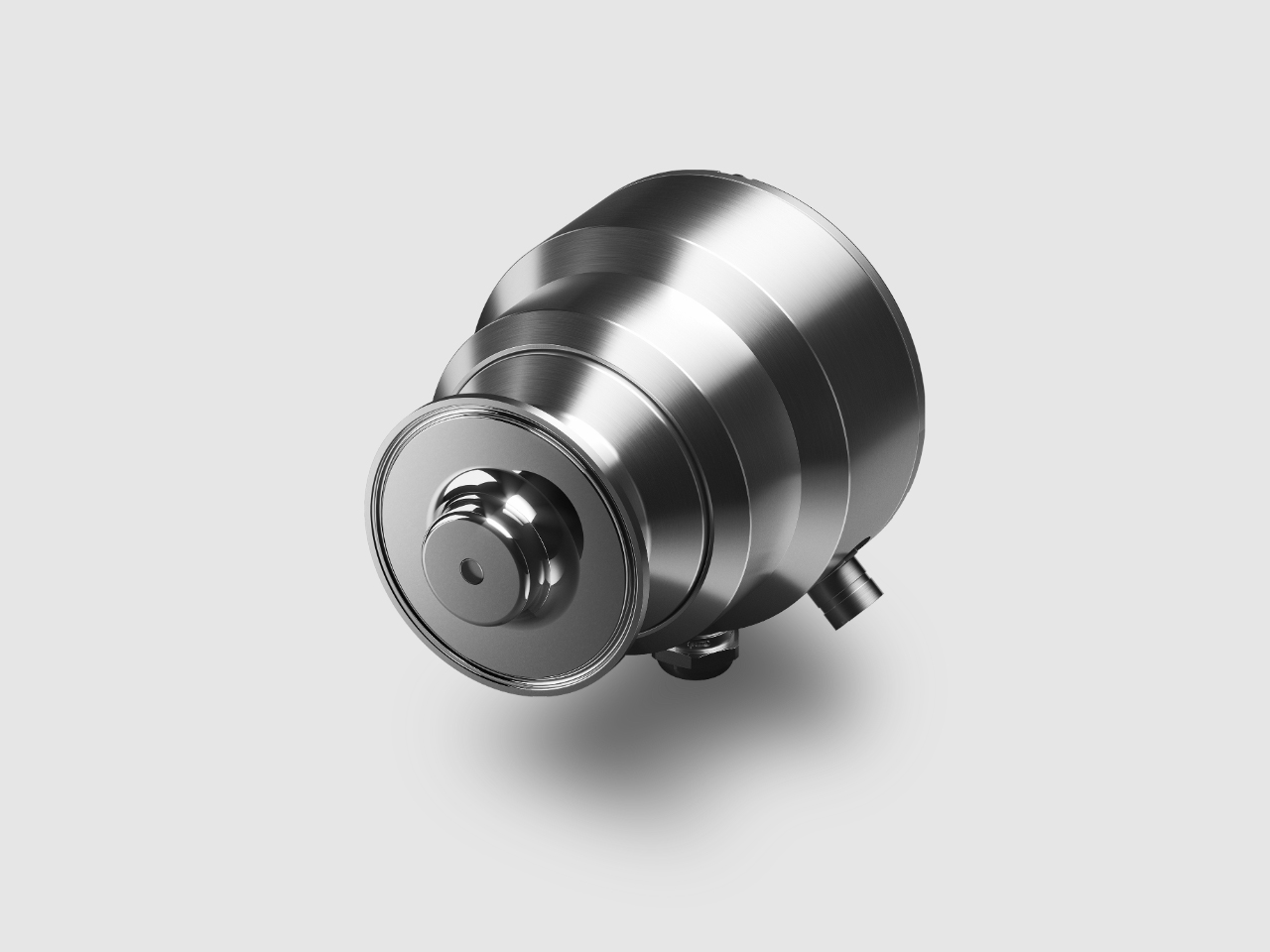
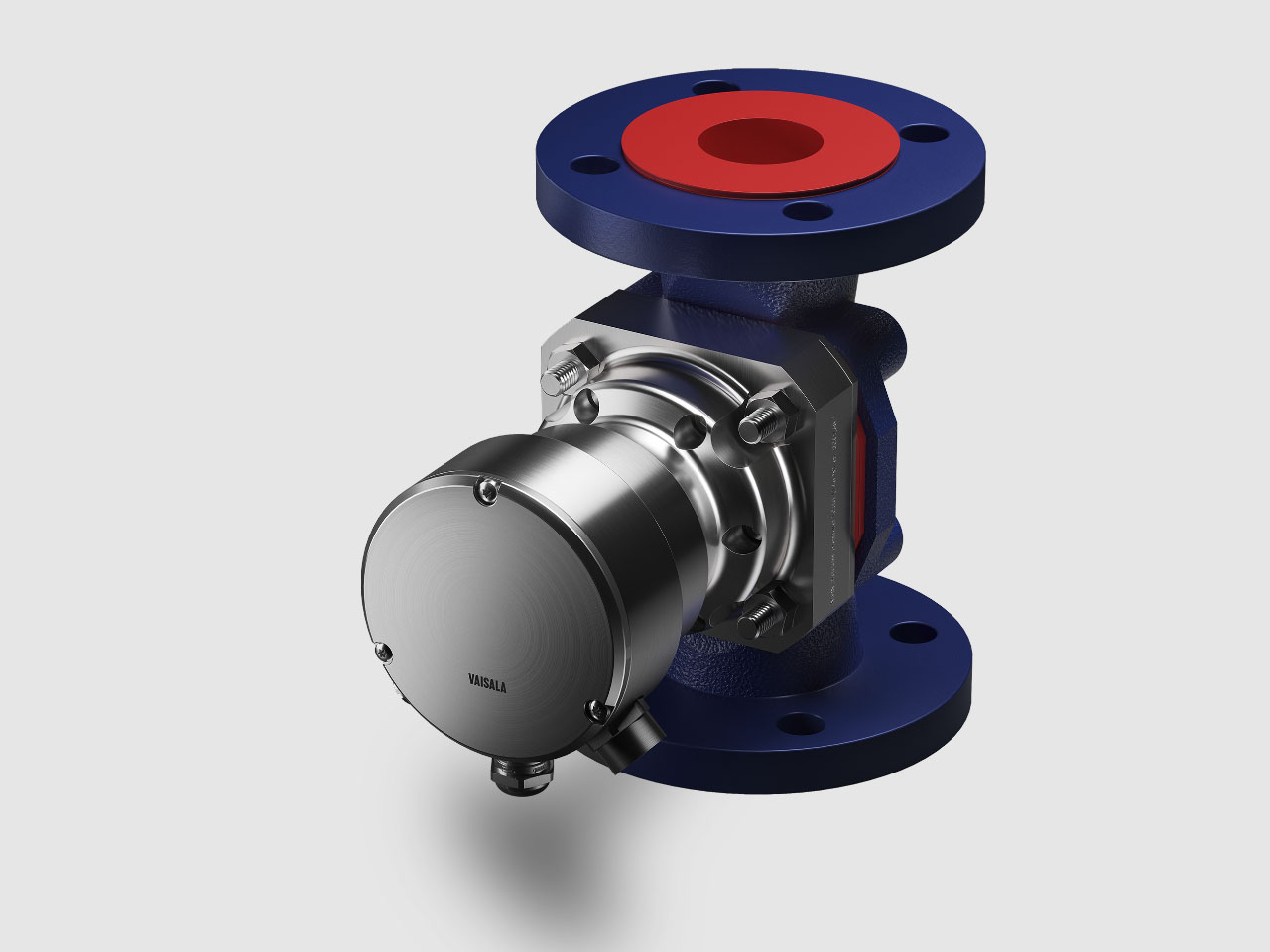
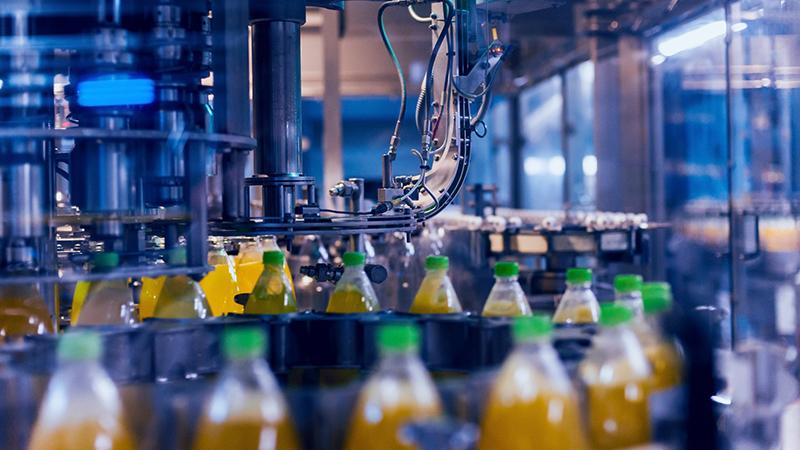
The PR53AC is designed for food, beverage, dairy, and brewery industry customers to measure liquid concentrations such as Brix, sucrose, gelatin and hydrogen peroxide in pipelines. It comes with 3-A and EHEDG certifications, guaranteeing that all hygiene demands are met and the product is safe to use in food and beverage processing.
The right chemical formula for fast, accurate, safe measurement
Any industrial application where chemicals are involved demands a great deal from measurement equipment. Aggressive, toxic, and corrosive chemicals often combined with high temperatures make for a highly challenging environment, while carefully balanced processes cannot tolerate contamination caused by measurement equipment materials.
The ability to measure concentrations of acids, alkalis, alcohols, hydrocarbons, solvents, and other solutions directly in pipelines and tanks during production and transport improves safety and means valuable process data can be gathered instantly instead of waiting on the results of laboratory samples.
Improving safety, efficiency, and quality in wood pulp manufacturing
Just like chemical manufacturing plants, pulp mills are home to processes that use highly toxic chemicals and high temperatures and process pressures. Maintaining process efficiency and uptime are critical to profitability because shutdowns to maintain, replace, or remove measurement equipment mean lost revenue.
Furthermore, pulp manufacturing involves liquids that vary greatly in terms of both consistency and composition. Process liquids like pulp slurry and filtrates are a mixture of inorganic cooking chemicals and dissolved organic material, which can make accurate measurement challenging.
In the brown stock washing phase, wash water and weak black liquor are separated from the pulp fibers. Washing contributes to both the overall efficiency of the mill and product quality so accurate measurement of pulp cleanliness is critical. It can help avoid excessive water and energy consumption and expense, and lead to better chemical recovery, lower bleaching costs, and improved pulp consistency.
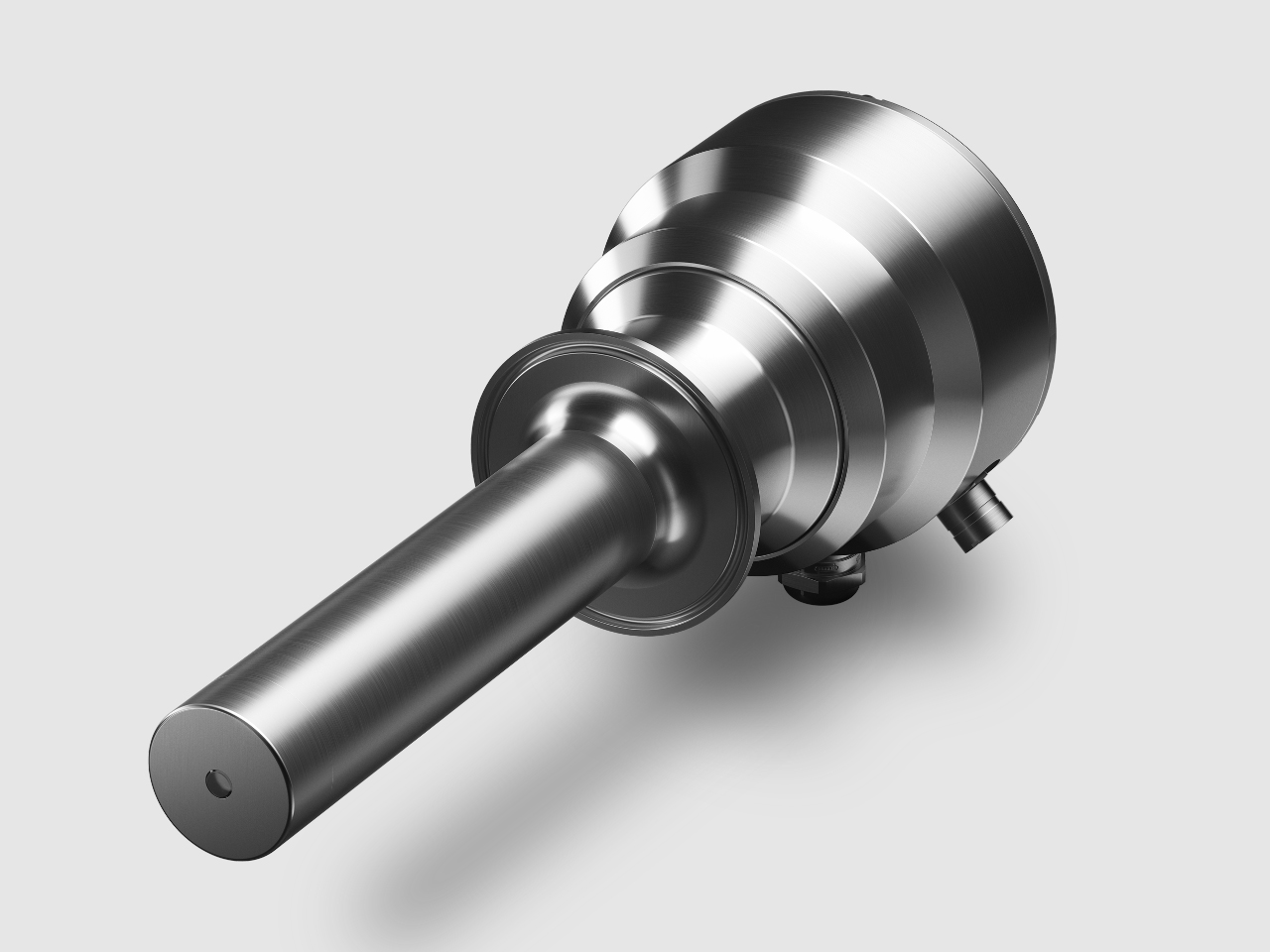
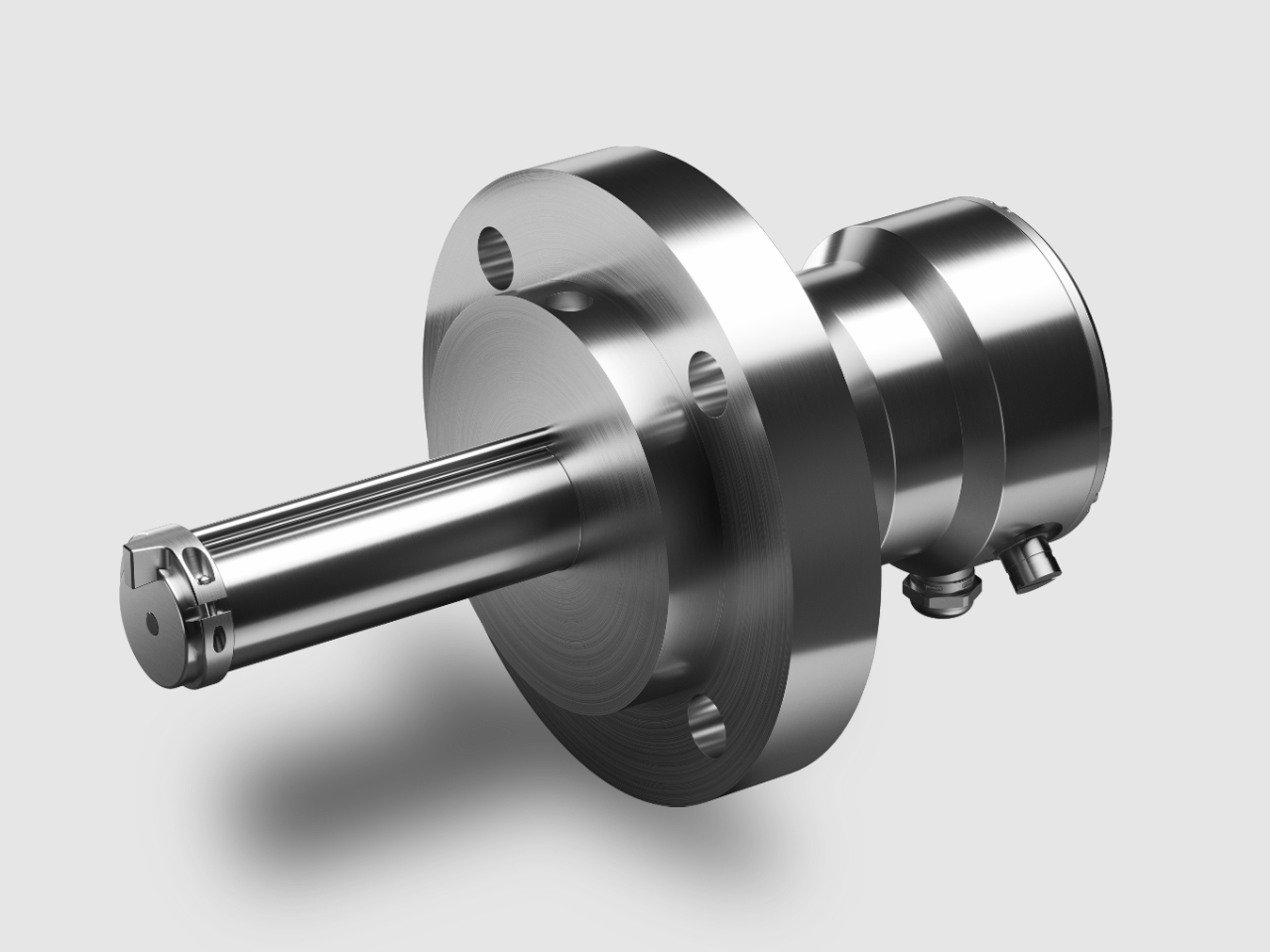
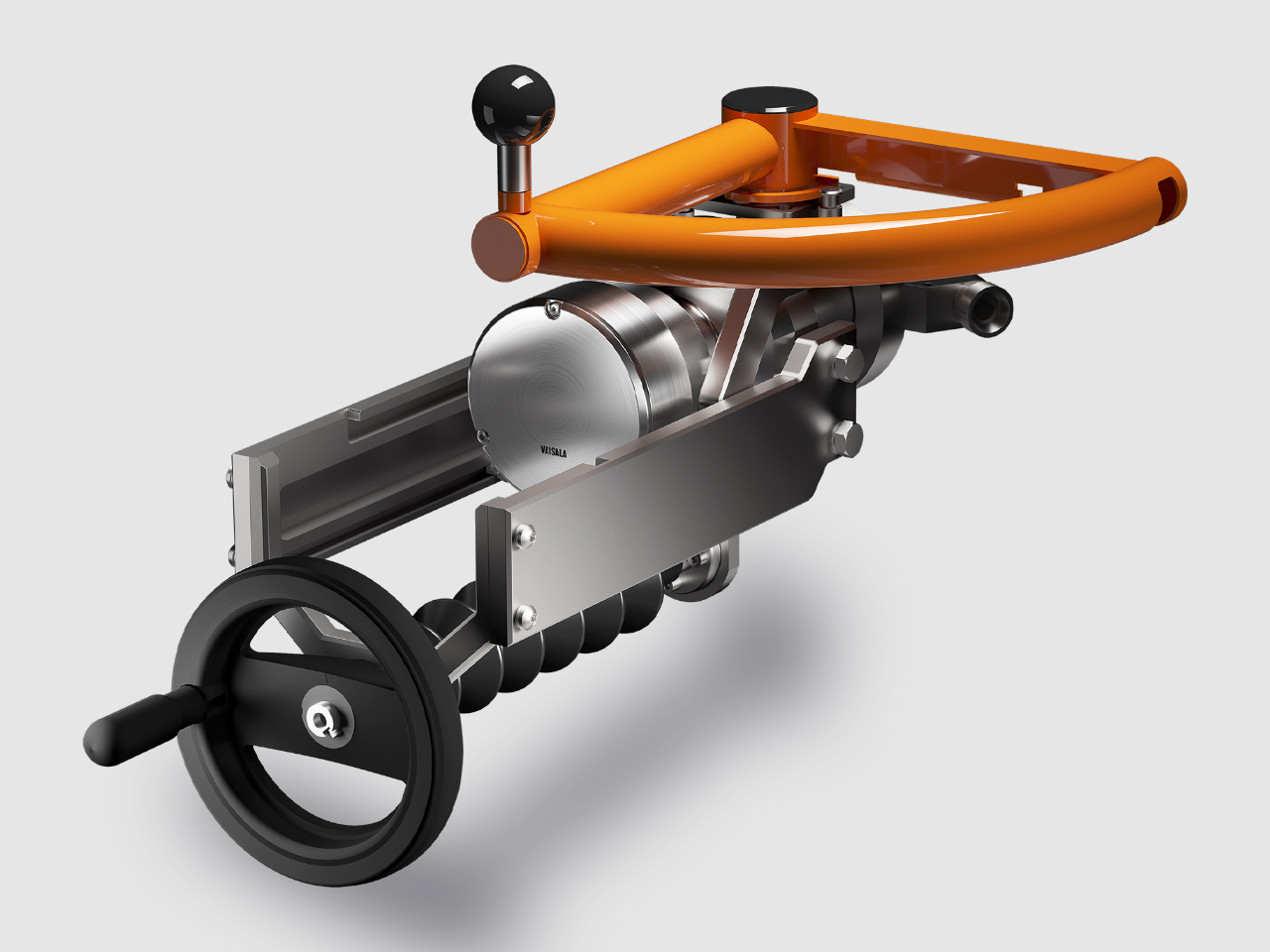
Vaisala’s answer to these challenges is the Vaisala Polaris™ PR53SD process refractometer, which is designed for measuring total dissolved solids and other concentrations in pulp mill fiber and chemical recovery lines. The SAFE-DRIVE retractor system allows the refractometer to be inserted and removed while the process is running, eliminating the need to disturb the process to take measurements.
The SAFE-DRIVE system has been developed to increase safety for operators and to withstand the extreme process conditions of pulp production, with a simple operating principle preventing inadvertent errors in use. The retractable refractometer, designed especially for green liquor applications, and the retractable wash nozzle are both unique in the market.
The refractive index measurement is sensitive to both organic and inorganic fractions in process liquids and reacts to process variations immediately, and the data gathered can be used for real-time process optimization. In black liquor applications, where liquor is concentrated for energy recovery in a boiler, total dissolved solids up to 85% can be measured directly inline regardless of liquor consistency, rapidly changing process conditions, or the presence of particles or fibers.
The Vaisala Polaris PR53SD is available with a choice of field-proven wash systems to enable reliable measurement in fiber line, brown stock washing, evaporation, black liquor firing, slaker, and lime operations.
A sweeter deal for sugar and sweetener manufacturing
In sugar and sweetener manufacturing accurate liquid concentration measurement has a critical role to play in enhancing the energy efficiency of the manufacturing process and the quality of the final product. High ambient and process temperatures are common in these processes, meaning measurement equipment needs to be robust enough to withstand the conditions.
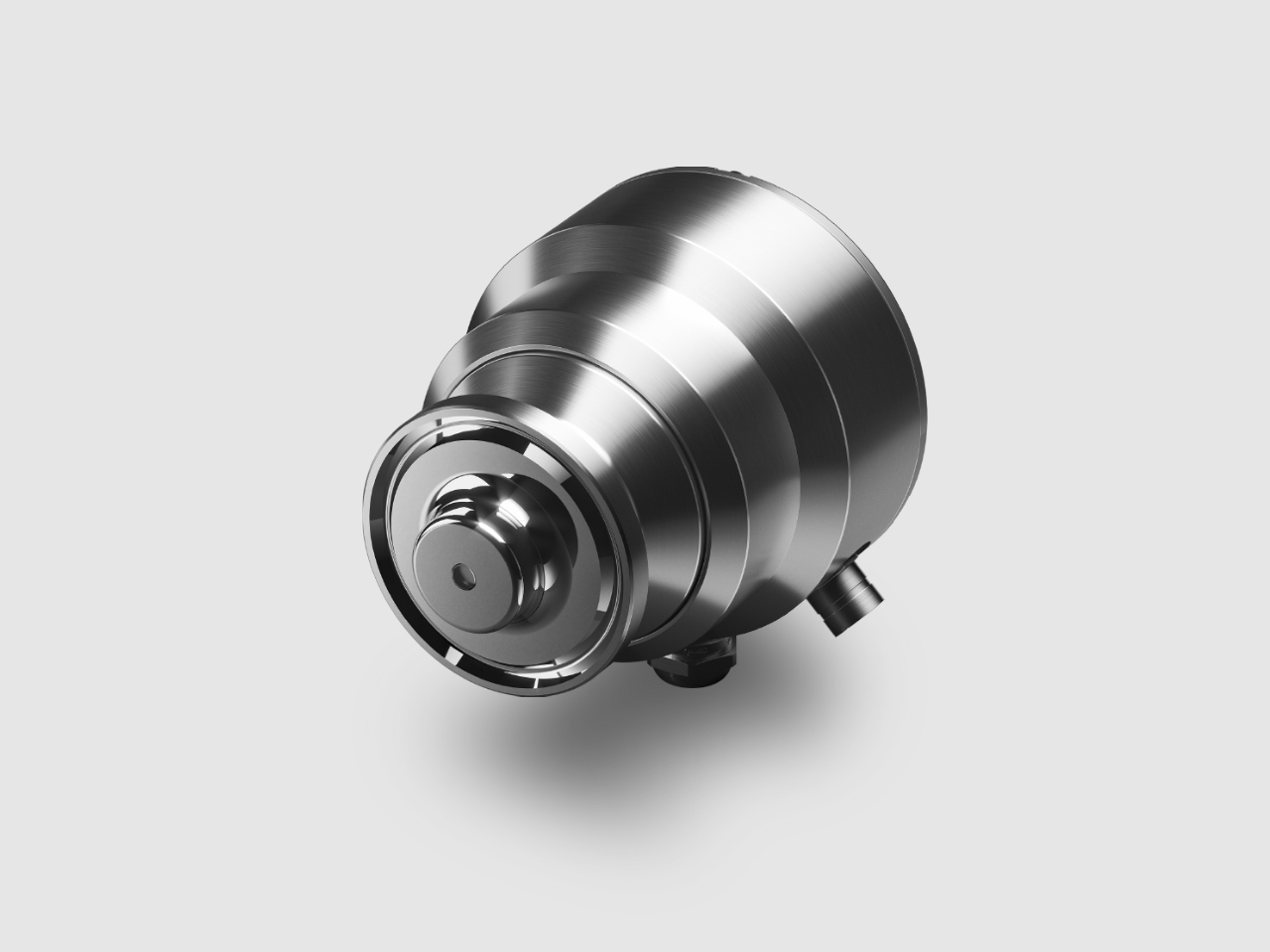
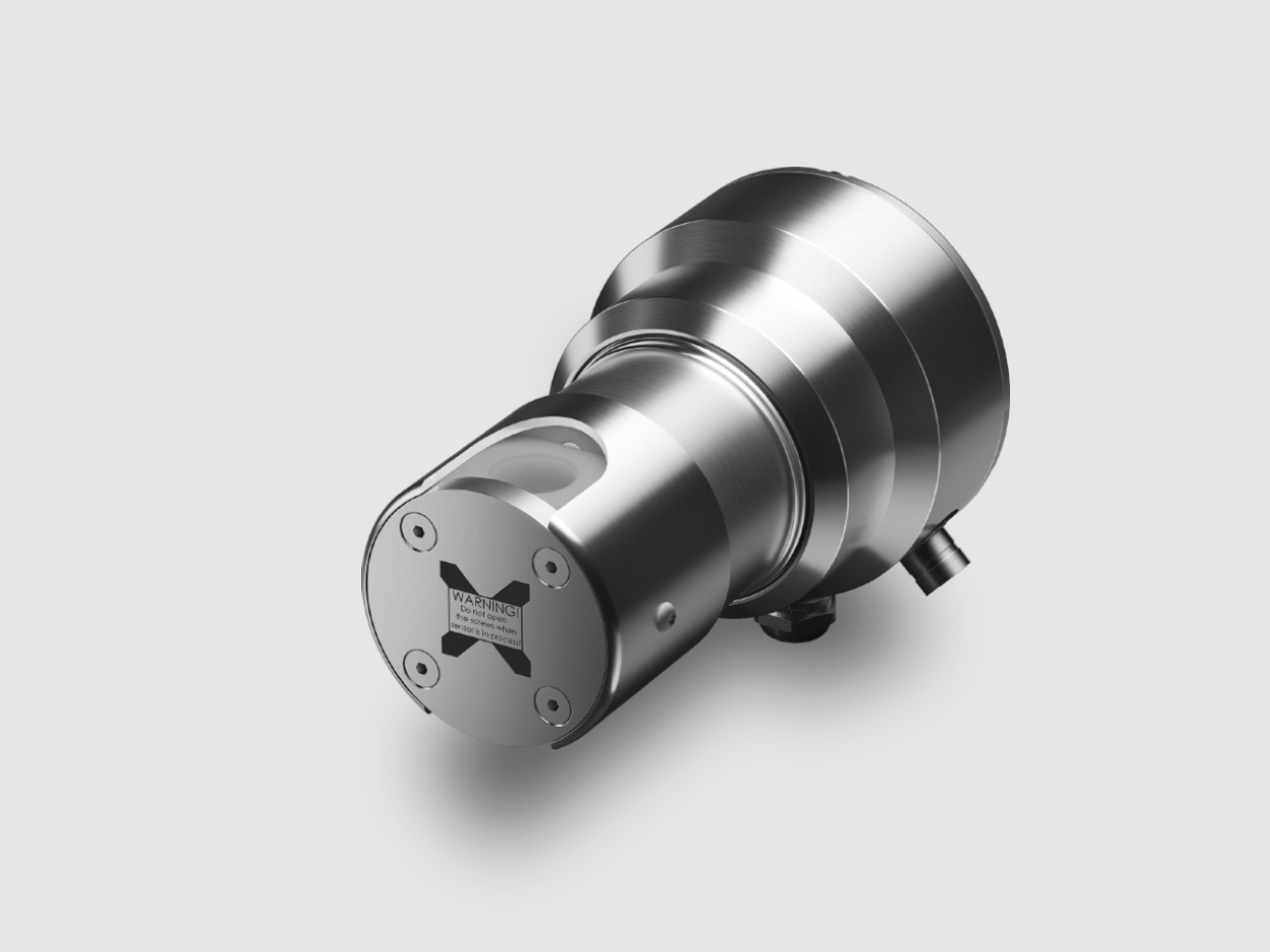
The Vaisala Polaris PR53GP and Vaisala Polaris PR53AP process refractometers are an ideal choice for these applications. They include a special vertical detection algorithm for sugar crystallization to enable accurate mother liquor concentration measurements during crystallization strikes, especially when crystals are forming, and offer the full measurement range from 0–100 Brix.
The Vaisala Polaris PR53GP and Vaisala Polaris PR53AP enable reliable concentration control via accurate Brix, total concentration, and supersaturation measurement in starch sweetener and sugar substitute manufacturing, including glucose (dextrose), fructose glucose syrup, corn syrup, and sorbitol.
Measure Brix and other liquid concentrations with instant productivity and material gains, and simplified process operation for food, beverage, dairy and brewery manufacturing
Measure Brix and other liquid concentrations with instant productivity and material gains, and simplified process operation for food and beverage manufacturing, including OEMs.
Measure concentrations of acids, alkaline solutions, alcohols, hydrocarbons, solvents and various other solutions directly in pipeline, in production transport and quality control in chemical and other industries
Measure concentrations of sugars/Brix, acids, alkaline solutions, alcohols, hydrocarbons, solvents, and various other solutions directly in pipeline and tanks, in production transport and quality control in sugar, chemical, petrochemical, and other industries.
Measure safely and accurately the concentrations of aggressive chemicals: sulphuric acid, hydrochloric acid (HCI), sodium hydroxide, and hydrofluoric acid.
Book a Polaris demo
Interested to lean what Vaisala Polaris process refractometers are capable of?
In December we held a brief webinar on how to perform a refractometer verification. We received questions we didn't have time to answer, so along with emailing our answers, we are sharing them in this blog.
Question: What is the accuracy of refractive index measurements in the case of scattering medium?
Maria Nyman: Liquid concentration measurement with an inline process refractometer measures selectively the liquid phase and dissolved solids. Sub-micrometer particles are also measured. However, the refractometer measurement and its accuracy are generally not impacted by the suspended particles in a scattering media, where the particles are typically well above a micrometer in diameter. However, the impact of scattering to accuracy is application specific.
For more a detailed evaluation of your application, please contact us. For example, in a sugar crystallization application, where sugar crystals cause scattering and noise to the optical image, we have developed a specific algorithm that has excellent performance in the challenging application.
Question: Is the software available online?
The verification itself is done by the refractometer system and depending on the refractometer model, the interface may be different. Every PR-43 series refractometer has a built-in web server with a homepage which allows you to configure, monitor, verify and diagnose the refractometer on a web browser.
Question: How long does it take to equilibrate the temperature of the refractometer?
Maria Nyman: Reaching equilibrium depends on the verification location and the temperature differences. It is recommended to have the refractometer and verification liquids in the same room and thermal environment for about one day before performing verification procedure. The temperature of the refractometer can be monitored on the instrument interface, and it is recommended to wait until it is stabilized on a level that is between 20 °C and 30 °C.
Comment from attendee: Not a question but some feedback. It was a short webinar but very informative. I hope Vaisala continues offering these kinds of webinars in the future. Simple but effective. Thank you Vaisala!
Blog: Perfecting solvent swap processes with refractive index trend data
Refractive index (RI) has proven to be a useful Process Analytical Technology (PAT) tool for the development, design, and continuous optimization of API manufacturing processes. Continuous, in-line measurement of RI provides data and process insight that aids in understanding and designing different manufacturing steps. The data allows for the creation of process profiles that can be used for detecting deviations and ensuring process equivalence. The Vaisala refractometer provides trend data with the high reliability and reproducibility required in pharma manufacturing. Refractive index measurements are not affected by the presence of gas bubbles, solid particles, or color of the liquid. These features of refractive index make it ideal for many applications in the API manufacturing process.
Accurate relative humidity and temperature measurement plays a critical role in the production and storage of chemicals in liquid and powdered form. The measurement instruments used in these processes must be able to cope with harsh conditions including high temperatures. When selecting your measurement technology, as well as reliability and accuracy it is also important to consider the lifetime cost and available installation options.
Improve the efficiency of chemical drying
Drying processes like vacuum drying, commonly used in chemical processing industries, require accurate relative humidity and temperature measurement to operate energy efficiently. These kinds of processes are challenging because of the high temperatures and harsh chemicals involved, so the measurement technologies used must be robust enough to operate reliably in these conditions.
Vaisala’s offering includes pressure-tight humidity and dew point instruments that are built to withstand high temperatures, providing stable, drift-free measurement. Instruments with Vaisala HUMICAP® and DRYCAP® technologies also include a chemical purge feature. This feature is useful when the sensor is exposed to solvents and vapors that may enter the polymer and change the sensor’s electrical properties. This manifests itself to the user as sensor drift. Chemical purge restores proper sensor performance by rapidly heating the humidity sensor, driving off any gas molecules that occupy the sensor’s polymer. Chemical purge can be initiated manually, or it can be set to run automatically at user defined intervals. For more information on the chemical purge feature, read this scientific paper.
Secure end-product quality through optimal storage conditions
The longer a chemical product is stored, the more important it is to ensure the storage conditions are optimal. Accurate and reliable humidity and temperature monitoring in chemical storage facilities is vital for safety reasons and to secure end-product quality. Many chemicals are sensitive to humidity – for example, some chemicals may react with water, causing the release of toxic vapor or even an explosive chemical reaction.
Non-optimal humidity can also cause some powdered chemicals to form lumps, a phenomenon known as caking, which can cause problems with transportation and usage. To make chemical storage monitoring as easy as possible, Vaisala offers a wide range of temperature and humidity probes that can be wall mounted and include an exchangeable probe to make maintenance quick and easy.
Ensure safe use of glove boxes, reaction chambers, and vacuum chambers
Humidity and temperature monitoring also help to increase safety when handling chemicals that are moisture or temperature reactive, either in glove boxes or when processing them in reaction chambers or vacuum chambers. For example, instruments with Vaisala DRYCAP® technology can be used in glove boxes to monitor and control the conditions inside the box. These instruments offer long-term stability, fast response times, and include a chemical purge feature to ensure they maintain high accuracy.
Easy data storage and access with cloud-based technology
Humidity and temperature measurements performed with Vaisala probes can be conveniently stored and accessed using the Vaisala Jade Smart Cloud system. The system allows you to log data, store it real-time, and access it from any location using a mobile device.
The key benefits of the system include:
Scalability: As a modular system, Jade Smart Cloud can be scaled easily for a variety of purposes. Users can simply set up as many loggers and access points as they need and add more as their needs change.
Cloud storage: All data collected is stored in the cloud, meaning there’s no need to worry about IT infrastructure, security, system maintenance, or setting aside server space for data storage.
Extremely good radio connectivity: Jade Smart Cloud’s wireless connectivity is based on LoRa radio technology, which is already widely respected. Vaisala has pushed it even further with modified features to ensure that it meets our customers’ most demanding requirements.
Regular firmware updates: Jade Smart Cloud’s software updates automatically, with no action needed from the end user as the new firmware version is installed directly onto the local system from the cloud.
Vaisala HUMICAP® sensors: Because the system uses proven HUMICAP sensors, it provides extremely stable and high-quality measurements.
Save costs and energy, and improve process control with accurate measurement of liquid chemical concentration
The concentration of liquid chemicals may change several times during processing. Typical processes include the following:
Mixing/blending/reaction: The objective of the reaction process, where ingredients are continuously mixed in a series of static mixers, is to achieve the final required value of a product. An example application is detergent blending.
Filtration/separation: Filtration is used to separate undissolved particles from a liquid, beginning with coarse filtration using separators, decanters, or settling tanks and ending with final polishing. The efficiency of the filtration process impacts the overall productivity. An example application is pure water treatment with chemical precipitation.
Verification/quality control: Controlling a product’s composition helps to ensure high-performance materials with exactly the right properties. Maintaining consistent quality can lead to substantial savings. Precise product concentrations also minimize the need for further treatment. An example application is product quality control in the polymerization process.
Distillation/dilution: Distillation is used to separate alcohol from a fermented product and to separate different alcohols – such as methanol, ethanol, and propanol – from each other. Many concentrated chemicals also need to be diluted before use. The dilution process can be monitored in the tank or in a circulation line. Concentration measurement is a vital tool when performing dilution. An example application is the autoxidation process in hydrogen peroxide production.
Product identification: For safety reasons and to avoid cross-contamination, it is critical to ensure that the right chemical is fed to the right tank during loading, unloading, or custody transfer. In-line Vaisala process refractometer differentiates chemicals in liquid form based on their distinctive refractive index. An example application is the chemical interface identification in loading/ unloading operation.
The in-line process refractometer can be used to provide real-time measurements of liquid concentration in all these processes. The technology eliminates the need for time-consuming manual sampling and the risk of measurement drift due to, for example, turbulence. The technology is low maintenance, with no moving parts that require regular replacement, meaning it has a low cost of ownership compared to density meters. Learn more by watching our webinar:All you need to know about in-line liquid concentration and density measurement.
Furthermore, the in-line process refractometers can withstand corrosive chemicals and high temperatures thanks to their digital measurement principle, and measurements are not affected by air bubbles or the color of the liquid being measured. If needed, a wash system can also be included to keep the prism clean, thereby ensuring accurate measurement.
All you need to know about in-line liquid concentration and density measurement
In this webinar, we discuss the benefits and limitations of density and liquid concentration measurement using the in-line Vaisala process refractometer. Application examples presented in the webinar include examples from chemical industry, sugar refining, pulp and food industry.
Pollutec is established as the reference event for environment professionals. It is also a platform for environmental and energy solutions for industries, cities and territories, and a springboard for innovations and international development.