Cold/Hot Spots: How Many Probes Are Really Needed for Stability Chamber Monitoring?

Profile picture for user paul.daniel
Submitted by paul.daniel on
Traceable Conditions through the Entire Cold Chain
Life Science

We recently received a question about placing temperature and humidity probes for monitoring stability chambers, based on where the hot and cold spots are found.

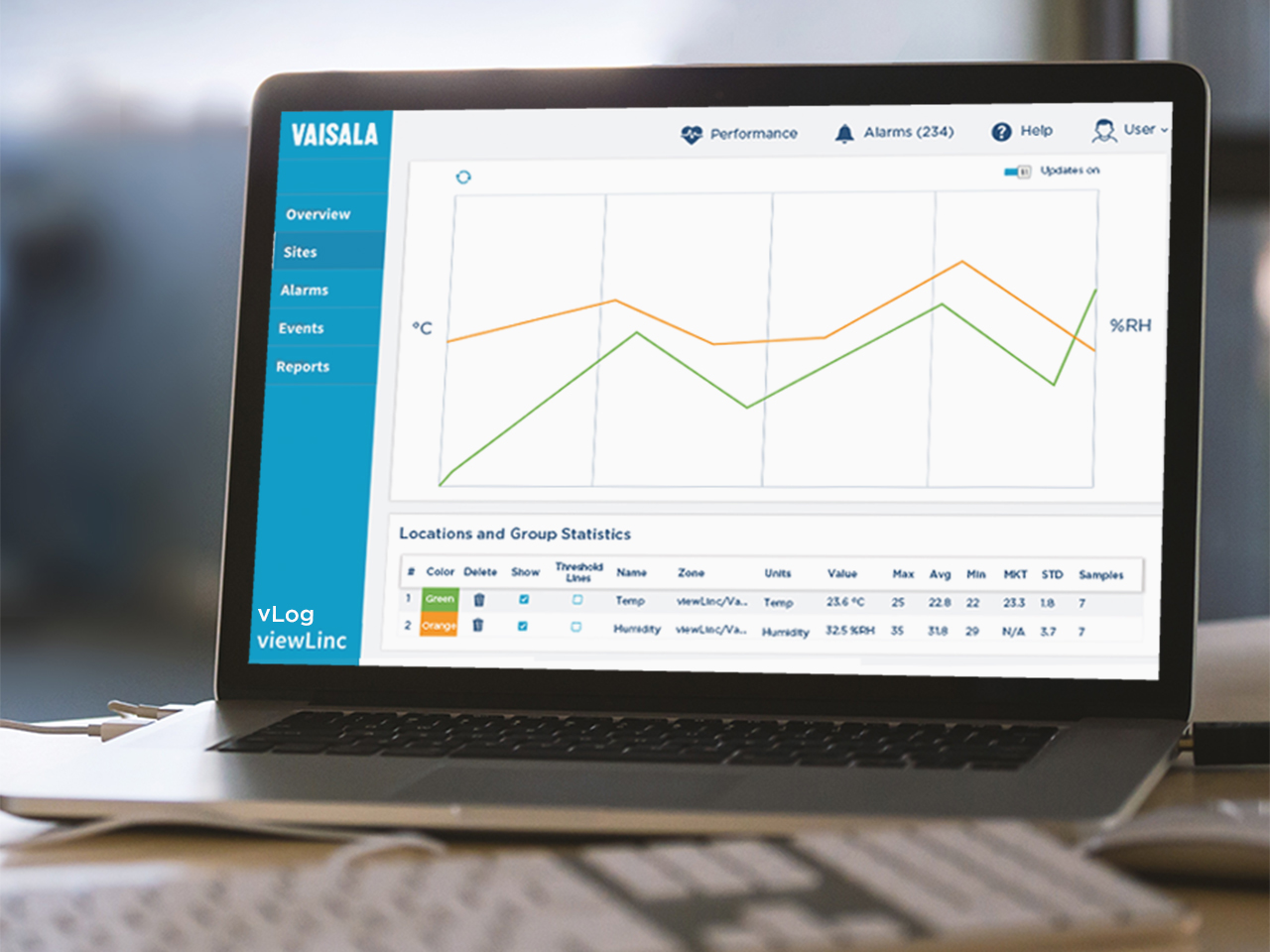
To learn more about our newest solution for environmental monitoring, our product manager's email below, or visit  our viewLinc page.

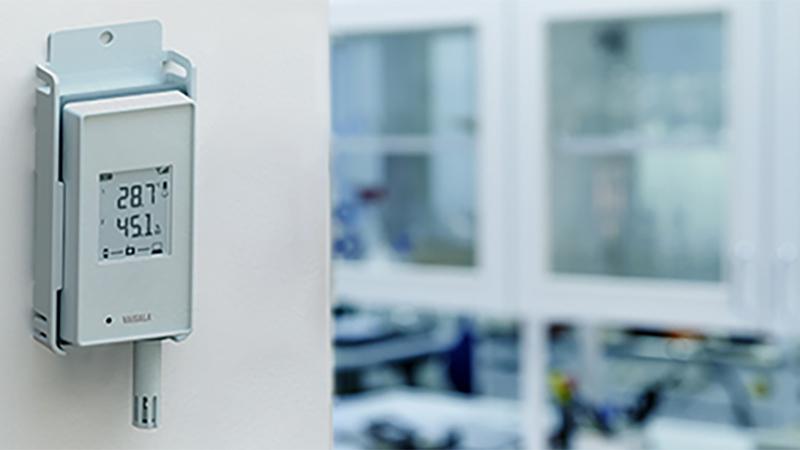
Stability Chamber Monitoring Probes

Hi Paul,

I'm a Senior Validation Engineer at a global medical company specializing in eye care products. I learn a lot from Vaisala's webinars, so thank you!

I have a question about stability chambers…We have many stability chambers that have both temperature and RH specs, typically ±2° C and ±5%RH. We do empty-chamber mapping as part of OQ and full-load mapping as part of PQ. My question is this: If the highest temperature, highest RH, lowest temperature and lowest RH are in four different places, do we then need to monitor with four probes?

Then (even worse) what if some of these locations are different under full vs empty load? Do we then need even more probes for monitoring? If yes, we could conceivably end up with eight probes for monitoring. A couple of our chambers have only two monitoring probes in place, so our concern is that they don't account for the highest and lowest parameters. Any help you can provide is appreciated!

J

Paul answers:

Dear J,

I'm very pleased to hear you have found our webinars useful! We hope you make use of our archived webinars.

Your question is a common one. Unfortunately, the scenario you have described is not well addressed in guidance documents. My hope and expectation is that we will start to see more formal answers for this question.

Before I answer, I want to acknowledge that the ways we typically analyze our mapping data creates a monitoring perspective that I consider to be an artifact of mapping, and not necessarily representative of our goals in monitoring.

To ensure I'm not being vague… let me try to explain further. We analyze our mapping data as efficiently as possible, finding the maximum and minimum values during the mapping, and noting where they occurred. This focus on the maximum and minimum values comes with the unspoken understanding that every other measurement at every other location would therefore be between these two identified max/min values. Every measurement in the mapping is still important, as each one serves to demonstrate that our chamber has the ability to maintain the required uniformity. However, we focus on the maximum and the minimum, the legendary hot and cold spots, mainly as an artifact of our analysis.

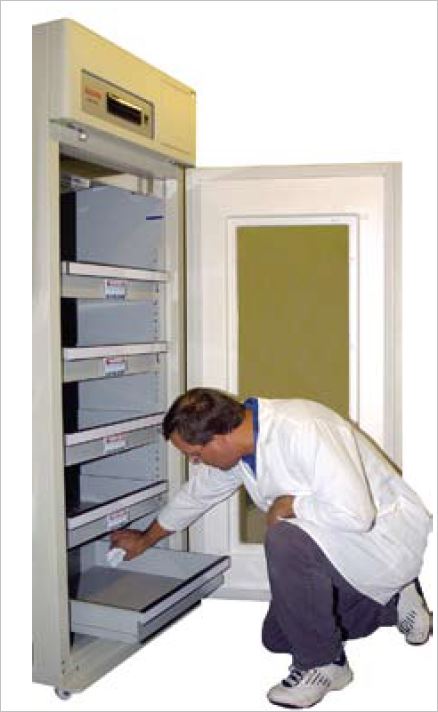
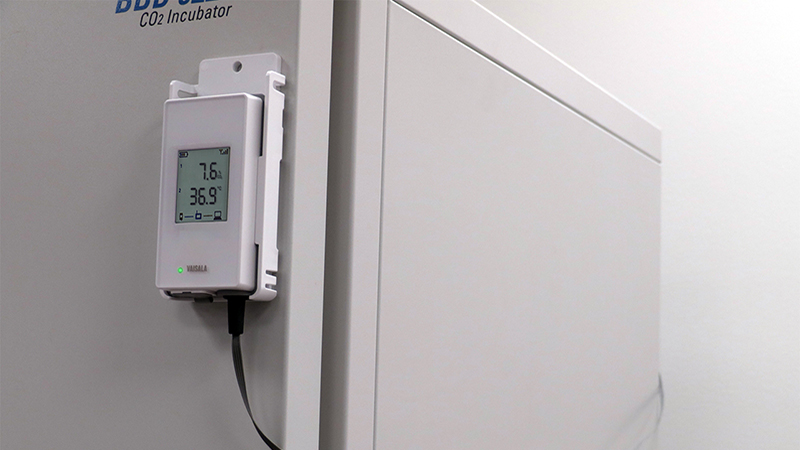
The question that I want to ask is: Are the hot spot and the cold spots actually important? Or is our focus on them only the result of the way we analyze mapping data with statistics? Why is it that we are effectively ignoring the other 99.99% of the data that says the equipment is performing as expected?Vaisala stability chamber

Of the hot and cold spots are important, but that's only if they are out of specification, or close to the limits. But are they important when they are in spec? I simply think that our analysis technique makes us focus on them, giving them greater weight than they may deserve.

To further explore this idea, I searched through the available guidance. I found no guidance that stipulates anything like this: "After mapping, place a monitoring probe at the hot spot and another at the cold spot." What the majority of guidance says is something linguistically similar, but categorically different.

Guidance tends to say something more like this: "After mapping, place monitoring probes in a way that takes into account the results of your mapping, including any hot and cold spots."

The words used barely differ, but the difference is big.

Further, looking at 20 years of pharmaceutical experience, almost every controlled environment I have seen has the monitoring probe in a location that makes logistical sense – protected enough so the probe isn't damaged, and on a wall or column to ensure it can be mounted to prevent movement. In very few instances I have seen monitoring probes placed at the actual hot or cold spot, which is often within the storage area to be used. Placing a monitoring sensor in the working spaces causes some problems: the probe either gets damaged, moved, or hidden in product which dampens its ability to respond to changes in air temperature.

Most people compromise by choosing a sensible monitoring location on the wall of the chamber, but calculate offsets to virtually monitor the hot and cold spot. This sounds like a sound approach on the surface, but this approach presents challenges. You end up with the logistical nightmare of managing a multitude of specialized offset alarms, and the math to determine the measurement process uncertainty is beyond the training of most non-metrologists.

So, we have an interesting conundrum. Guidance appears to tell us the hot and cold spots are important. In practice, almost no one monitors their exact hot and cold spots. And those that attempt to do so run into serious logistical issues.

My approach has always tended to be pragmatic. Map the chamber. If it passes the mapping, (empty, loaded etc.) then it is validated. The chamber will continue to be validated so long as the set-point is maintained, so long as PMs are regularly performed, so long as annual calibrations are performed. Then I make sure the probe, usually a single probe (unless the space exceeds 20 cubic meters) is in a safe, sensible location, representative of product storage, out of direct airflow from the heating/cooling system, and where the impact of door openings can be sensed, but without causing nuisance alarms.

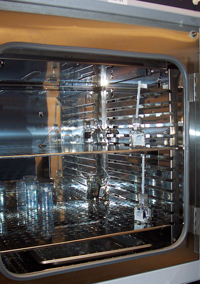
Chamber monitoring with probe VaisalaBecause the chamber is validated, I can rely on my monitoring sensor to tell me when something is catastrophically wrong – door left open, compressor failed, power lost, etc. Because I validated the chamber I am not worried that one part of it will be out-of-spec by 0.5C for 15 minutes. If my chamber barely passed validation and I am so worried that it will not maintain temperature uniformity that I feel the need to monitor the hot/cold spots with multiple probes, then I probably need a new chamber.
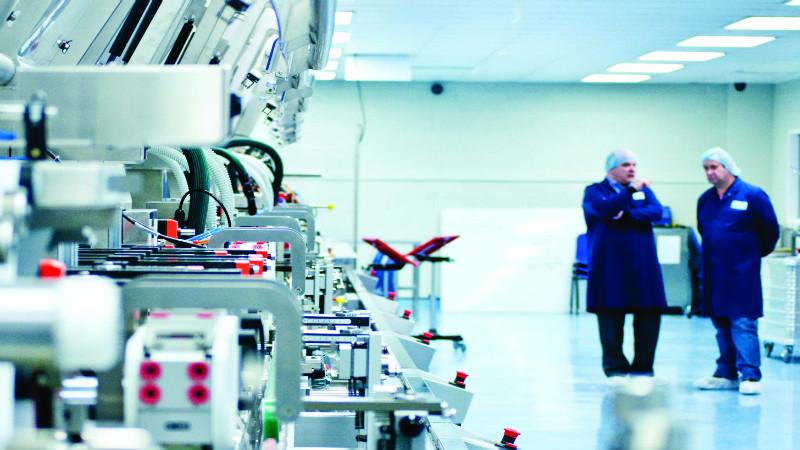
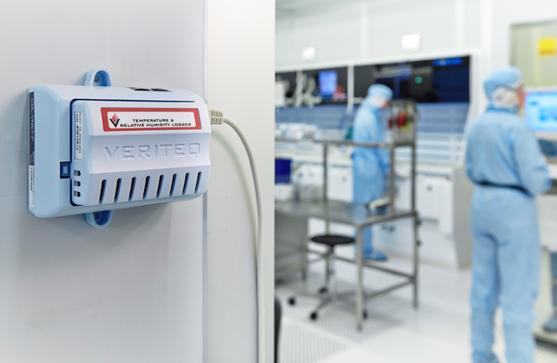

In some sense, a multitude of monitoring probes starts to look like trying to test quality into the product, which is known to be an inefficient way to ensure quality. The more practical approach is to design a process that inherently ensures quality. In this case, it might simply be tighter limits during validation, or purchasing a higher performance chamber that can maintain a tighter temperature and %RH uniformity. If you need a multitude of probes, it might be a sign that you need to improve the quality inherent in your process.

If your product is particularly expensive, or it is particularly sensitive to small temperature changes, that shifts the risk equation and you might consider an additional probe, or monitoring product temperature instead of air temperature, as a way to gain additional confidence in your environment. But for a "normal" product, especially a product in final packaging, more than one probe may be unnecessary.

Thank you again for asking; your question is both timely and relevant because the need for adequate mapping and monitoring has increased due to the expansion Good Distribution Practices.


Sr. Regulatory Compliance Expert / Validation Program Manager
Paul Daniel

Comment

Sravani U

Mar 26, 2019
HI Paul,

i do read your blog for many queries that arise during work course.
they are very helpful. Thank you! :-)

i have a question...during area or controlled chamber tempertaure mapping studies.
is it a right practice to determine hot and cold zones during requalification (every year) temperature mapping for placing a continous monitoring probe?
what if these hot/cold spots change every year?
if the chamber already has more than one monitoring inbuilt sensor installed inside...periodic requalification is required?!

Paul Daniel

Mar 27, 2019
I'm glad to hear you find our blog helpful!

You are asking a question that does not have a clear answer from the available guidance and regulations. The best you can do is make a choice that is logical, and document that rationale.

The identification of hot spots and colds spots is a by-product of our statistical analysis of mapping data. If we simply figure the overall max and the overall min, and verify it is within our acceptance criteria or specification, we have just found the simplest path of data analysis. And along the way, we identified the hot and cold spots. But does this really mean that the hot spots and cold spots are important? Or are they just a by-product of how we analyze the data?

Personally, I think hot/cold spots do not matter if the overall max and min are within specification. In this case we have just proven by qualification study that the particular chamber can operate as intended - end of story. I think monitoring probes are there to detect catastrophes and disasters, things like doors left open, failed compressors, power outages, etc. If not what are they there for? To tell us what is going on with the product? Impossible. There is no way one or two probes can accurately predict what is going on inside the dynamic environment of a chamber, so we can't rely on them for data about what the product has experienced. we only know that there has been a problem. I think this position is supported by actual industry practice, where there is historically only one probe in small chambers, and that probe is almost always located in the same place (side wall, same side as the door handle, middle height, about 20 to 30 cm from the front)

I just said "I think..." a lot. Does it matter what I think? Does it matter when some guidance says to pick a monitoring location based on (not "at") the location of the not and cold spots? Does it matter when a guidance says to actually place a probe at the hot spot and one at the cold spot? This you will have to decide for yourself. Just because something is in a guidance doesn't mean it is the best idea for your situation.

This is what we know:
*We should definitely re-qualify and re-map periodically based on risk.
*We will determine hot and cold spots (as an analysis by-product) each time we do this.
*We may see hot and cold spot locations changing from year to year. (If all measurements are otherwise in spec, I don't see why it matters.)
If you think it matters, you may need to explain it. But if it is in spec, I would simply explain use the spec as the acceptable limit of variation and say "It doesn't matter".
*If you base your SOP for monitoring probe location on the hot spot or cold spot location, then you may have created a problem for yourself. This seems like a good reason to change that policy.

Another pathway in this is to talk to the chamber manufacturer. These guys are required by law in some countries to map their units extensively, with the expectation that all units of the same model number will behave the same. And it is in their best interests to map as a good mapping tells them the best place to put their control probes and monitoring probes. They will likely share their data with you privately to help you answer this question.

I hope this helps!

Bhavna Aggarwal

Mar 6, 2020
I have a question, can you mark 1 location in the chamber as "no loading zone" if results is out of spec in that particular location and use rest of the chamber?

Paul Daniel

Jul 28, 2021
Hi Bhavna -

Technically, the answer is “Yes”. But it takes more work than just adding a “no loading zone” sign. And it may create more problems than it solves.

First, doing this will absolutely get the attention of an auditor. So, you want to make sure you do it right. Don’t rely on a sign, because people don’t pay attention to signs. You need to put a physical cage in place that prevents people from using the space, but is of a design that will not block airflow.

But how big do you make this cage? Since you only have one location that was out of spec, you really don’t know how big the “no loading zone” should be. The only safe way to define this space it to extend it all the way to the sensors that were within specification. This will take up about a third of the available space in your chamber, if you mapped with 9 sensors. If you want the “no loading zone" cage to be smaller, you will need to do some additional mapping to prove the remaining available storage space is viable and is in specification.

This spot that is out of specification could be a sign that the unit needs repair or is too old. It may be a better pathway to do some maintenance on the chamber and tuning of the control system, and try to improve the performance of the chamber. You might even want to consider replacing the unit if you can’t improve the performance, especially if it is a critical piece of equipment, such as a stability chamber.

I would even support placing sensors in a temperature buffering material before I would support taking a section of it out of service as a “no loading zone”. This can be a workable solution if your have known product volumes stored in the chamber, such that you can simulate smaller volumes with a buffered sensor. While I would rather not attract the attention of an auditor, I would rather defend a temperature buffering approach, than try and explain my rationale for the borders of a “no loading zone”.

In summary, yes you can mark an area as “do not use” or “no loading zone”, but you must be able to force people not to use it (e.g. by using a cage, not just a sign), and you will have to justify the boundaries of your cage with some additional mapping. While it may solve your mapping problem, it brings bigger problems because of the loss of storage area, the increased mapping effort, and the increased audit attention.

I hope this helps!

Hemant Kumar G

Jul 23, 2022
Dear sir,
I Have a doubt that how many probes should be used for a walk in chamber of volume 19280 litres?

Paula Daniel

Aug 3, 2022
Hi Kumar –

Thanks for the question.

Your chamber has a volume of 19.28 cubic meters. Thankfully, this falls just under 20 cubic meters. This means you can use the guidelines presented in the ISPE’s Good Practice Guides on Cold Chain Management, and Controlled Temperature Chambers Mapping and Monitoring. In these guidance documents, they recommend starting with 15 sensors. One in each corner (8 probes), one in the geometric center (1 probe), and one in the center of each plane or side of the chamber (6 more probes). In addition to these 15 probes, you would want to add a few extra at points of interest, such as the controller probe, display probe, or monitoring probe.

As an alternative, you could follow the guidance of the WHO. They will tell you to put a stack of three (low, middle, and high) in each corner (12 probes to start), and then a distribution of additional sensors in high-risk areas – by the door, near the output of the HVAC system, on other shelves within the space. This will end up being close to 20 probes.

So, either by following the methodologies of either the ISPE or the WHO, you will need between 15 and 20 sensors to properly map a room or chamber of just under 20 cubic meters of volume.

Please be sure to document your probe locations and your rationale for your choices.

Best Regards,
Paul Daniel
Sr. GxP Regulatory Expert

renuka

Nov 17, 2022
Dear sir,
I Have a doubt that how many probes should be used for a walk in stability chamber of volume 3000 litres? and how can we identify the hot spot and cold spot?

Paul Daniel

Nov 24, 2022
Hi Renuka. For mapping, you can follow the ISPE guidelines found in their Good Practice Guide: Controlled Temperature Chambers Mapping and Monitoring. Your space is over 2 cubic meters, so that would indicate that you use 15 probes for temperature mapping. However, since it is a “walk-in” it sounds like all the space is not being used for storage/stability. Stability testing is a critical process, so I would start with 15 probes as a starting number for temperature mapping. Your mapping data will identify the hot and cold spots. But remember, as I mentioned in the blog, these are not critical as monitoring locations. Your mapping and validation of the chamber, if successful, will have proven that your stability chamber operates as expected, and it capable of maintaining the required conditions. That means that you don’t need to monitor both the hot and cold spot. You just need to take them into consideration. For monitoring, you should be fine with a single probe. If this seems insufficient, or your organization interprets the guidance as requiring monitoring at both the hot and cold spots, you can simply add a second probe. Any more than that would be overkill. In the blog, the asker of the original question was worried about having 4 spots to monitor, as they were worried about hi/lows in both temperature and relative humidity. This is usually a non-concern, as relative humidity extremes tend to show up in the same places as temperature extremes, as relative humidity is “relative” to temperature.
Best Regards,
Paul Daniel

Add new comment

Understanding Impact: Indirect and Direct systems...

Profile picture for user paul.daniel
Submitted by paul.daniel on
PCI selects Vaisala monitoring equipment
Life Science

 Hi Paul, I recently enjoyed one of your webinars. Thanks for the information! I am hoping you can clarify something: Do you consider an environmental monitoring system a direct or indirect system when monitoring chambers?

BLOG-IMAGE-Loggers


Paul writes:

Thanks for attending and forwarding your question. It's a good one. Many organizations and publications have been careful to define the terms. In short: I consider an environmental monitoring system to be a direct system. But, my long answer is, well, a bit longer!


BLOG-IMAGE-ISPE-VaisalaFirst, let's start with some definitions: According to the ISPE, an Indirect Impact System is: "A system that is not expected to have a direct impact on product quality, but typically will support a Direct Impact System. These systems are designed and commissioned following Good Engineering Practice only." From the ISPE Baseline® Guide, Vol. 1: Active Pharmaceutical Ingredients, Second Edition in 2007. It follows therefore that a Direct Impact system is a system that has a direct impact on product quality. In what I call a "standard pharmaceutical scenario," we are dealing with a product that is sensitive to temperature, has published storage specifications from stability studies, and the product will be considered adulterated if the manufacturer is unable to prove, through gap-free records, that the product was stored within the published storage specs.

Generally, the GMP System of record that is used to show that the product was stored appropriately is the monitoring system. In this sense, a monitoring system has a direct impact on product quality. One could argue that a company's decision to release or not release a product are dependent directly on records and data collected by this system.

As a form of evidence for considering an environmental monitoring system a direct system, we have yet to encounter a GxP company who has implemented our CMS but did not validate the system. This ubiquitous validation makes me think that most companies consider a monitoring system to be a direct system. Keep in mind that many auditors consider Good Manufacturing Practices to be defined collectively by the solutions/practices used for the same problem by our peers in similar businesses. A good example is the SOP. Nowhere in the EMA or FDA regulations are SOPs mentioned. Rather, "written procedures" are specified and the collective industry solution is the SOP.

Similarly, maintaining records of environmental conditions where GxP-regulated products are stored is specified by the regulations. The collective industry solution seems to be a monitoring system that is treated as a direct impact system.Personally, I would rather just validate a system involved in ensuring and proving product quality than try to get an auditor to understand why I didn't. Pardon my enthusiasm! I hope that somewhere in that rant I managed to answer your question. If not, contact me... This question is exactly in line with the spirit of risk assessment.

A risk-based approach guides us to ask if the system plays a role that is critical enough to require the investment of time and energy necessary to even do a risk assessment! If you haven't seen it already, please check out this webinar on doing just that...

Articles on GxP standards & regulations

Visit our repository of articles, white papers, application notes and eBooks...


Webinar: Risk Assessment in GxP Environments

Learn techniques to assess risk in GxP environments. These tools will allow you to more accurately determine the validation requirements of your computerized systems and make your software validation workload more manageable. Learn how to justify your methods with appropriate rationales.​

Key Learning Objectives​

Watch now

Add new comment

Help! My RH sensor’s saturated and my data is wrong…

Submitted by james.tennermann on
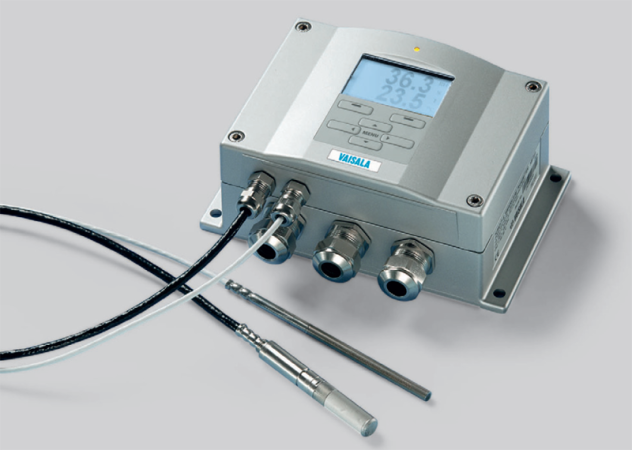
HMT330 Series Humidity and Temperature Transmitters for Demanding Humidity Measurement
Industrial Manufacturing and Processes
Industrial Measurements
Life Science
Weather & Environment

The Genesis of Heated Probe Technology

This is the last in a trio of technology-focused posts about relative humidity sensor innovations and modifications. The first post was about probe pre-warming for applications where the dewpoint temperature is above ambient temperature. The second post was about the chemical purge function for sensors operating amidst airborne contamination. Today, we are talking about heated probes (different from pre-warming or chemical purge). I'll explain how these probes are used in extreme conditions. But first, some background…

We Measure the Sky (but the devices work for other stuff)

Vaisala has a long history providing meteorological equipment. Originally, we created systems to measure atmospheric conditions called sounding systems. These systems measure temperature, humidity, air pressure, wind direction and speed, and other parameters. One example is the Ceilometer used to determine cloud height. (To learn more about these technologies, check out our meteorological systems.)

As the originator of several meteorological technologies, Vaisala is often the first stop for people in the weather business with new and interesting measurement challenges. This has put us in the position of further innovating and modifying sensors to troubleshoot issues encountered in the field. Those solutions have often found uses in other applications, across many industries. The heated RH probe is one such.

It's 40 below and My RH Sensor is Glitchy

This modification was developed by Vaisala when researchers working in Antarctica discovered that their relative humidity measurements were flawed. Condensation was forming on the sensors in the form of frost and instrument readings then indicated air saturation (100% RH). This is typical if the sensor becomes wet or covered with ice, but it's a real problem when your research is based on data on climatic conditions. (Read more on this research and the solution -> see the attached PDF below.)

When in Doubt, Innovate

Vaisala engineers addressed this problem with a novel approach. We designed a probe with a relative humidity sensor at the tip that always gives a reading of about 80% RH. This is achieved by building a small heater into the end of the probe. The heater is controlled by an algorithm that responds to the humidity measurement and adjusts the probe heater to keep the probe at an RH level no higher than 80% RH. When actual conditions approach saturation, the probe still shows 80% RH. Its temperature is higher than the surrounding air temperature at this point, so dew/frost cannot form on the sensor.

Of course, a corrupted measurement of 80% RH is not useful. It has been manipulated into existence and does not accurately reflect the atmospheric conditions. To counter this, a platinum resistance thermometer is bonded to the RH sensor. Both sensors are at the same temperature. In this way, RH and temperature are both known and dewpoint temperature is easily calculated. If relative humidity is the desired parameter, a separate air temperature measurement is made and RH is back calculated using air temperature and dewpoint.

Works in Antarctica…Let's try it in Test Chambers

This is a pretty good scheme. Although it was designed for weather measurement, we on the industrial side of the business have found many good uses for it. It's a perfect solution for high humidity environments where the RH level is close to 100%. Most humidity sensors do not perform well in these conditions when there is long-term continuous exposure, as would occur in environmental test chambers that are often used for accelerated life testing.

This probe works best when the surrounding environment is stable in terms of rate of change because a probe-heating system may not be able to keep up with rapid changes. As a last ditch effort, the probe can be programmed to immediately go to full heat when the RH measurement reaches a threshold on its way to saturation. Heating includes direct excitation of the platinum resistance thermometer that is bonded to the RH sensor (just like chemical purge and probe pre-warming). This generally prevents condensation, but the measurement is not valid during this process.

In essence, this is the simple explanation of heated probes: the entire probe is warmed 2...3 degrees above ambient temperature. This prevents condensation on the sensor, even in a saturated environment.

However, the heating prevents a true RH reading so the output is dewpoint temperature. (Dewpoint measurement is not affected by temperature.) In some applications, folks use a separate temperature probe for calculating RH. (note the two probes in the image.)

Since its inception, the heated probe has found many applications where they are near ideal, including concrete curing rooms, high humidity testing chambers, and (of course) they are used worldwide in outdoor measurements.

BLOG-IMAGE-SPECS-VAISALA

Comments, Questions and Suggestions Welcome!

This concludes our three-part series of probe modifications and technologies. For more information on heated probes, see the application note attached below. But this is not the end or our technology posts. We have a few more tricks up our collective sleeves for measuring other interesting parameters, such as: dewpoint temperature and carbon dioxide concentration. If you have a pesky parameter dogging you, please let us know with a comment below. If I can't answer it, I can find someone who can.

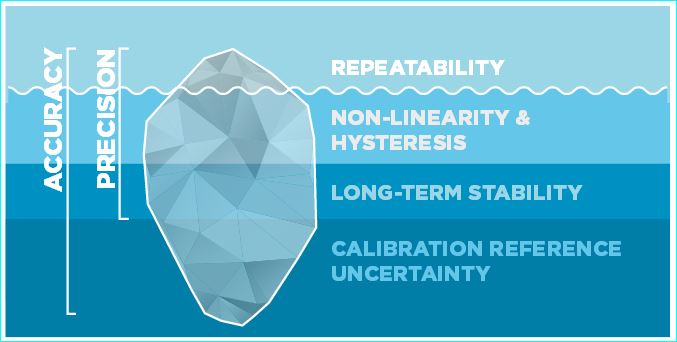
In fact, recently when the blog editor received a technical question on this recent publication: "Understanding Measurement Performance and Specifications" (below) she forwarded the question to the author, Industry Expert and Engineer Jarkko Ruonala. She accidentally emailed the wrong Jarkko (as a Finnish company, we have several). Fortunately, the other Jarkko happened to be an engineer well familiar with the question posed, and he answered at length. So, if you have a question about measuring a parameter, simply ask. Someone will either know the answer, figure it out, or create a way to measure it.

James Tennermann

Stability chamber monitoring

Vaisala stability chamber monitoring solutions provide independent real-time trends and audit trails with flexible alarming and customizable reporting.

Measurement and Monitoring in Test Chambers

Vaisala provides a wide range of humidity, temperature, pressure, and CO2 measurement instruments for use in test chambers and environmental chambers of all kinds.


Author

James Tennermann

Business Development Manager

James worked for Vaisala from 2001 to 2016 in various roles. He provided oversight, guidance, and development for Vaisala's rapidly growing life science business segment in North and South America. He created new pathways to customers through extensive collaboration with scientists, engineers, and business people, both internally and externally.

Comment

Charles Davenport

Feb 27, 2019
Could you please explain what happens when the DMT348 performs a chemical purge?

Vaisala Customer Service

Feb 28, 2019
During a chemical purge, the sensor is heated up for a minute and then let to cool down for a couple of minutes. This will evaporate volatile organic compounds and similar impurities from the sensor. This is essential for maintaining the stability of the sensor over time.

Add new comment

Alloga France selected the Vaisala Monitoring System

Submitted by anne-irene.leino on
Alloga France Selected the Vaisala Monitoring System
Life Science
France

Alloga France (a member of the Walgreens Boots Alliance group) provides a range of commercial and marketing activities for health professionals. They handle drugs, health products, and medical devices after their production. An authorized pharmaceutical agent, Alloga France supplies drugs and other health products to distributors (wholesale distributors) who then deliver them to patients. The company is able to receive products from anywhere in the world and distribute them to the French market as well as to any country outside France.

New monitoring system enables all sites within the Group to stay connected

Pharmaceutical management at Alloga France made the decision to replace the temperature-monitoring systems at each site with a new wireless probe system to adapt to each site’s storage configuration, enable future development, create a documentation standard between all sites and, above all, to comply with quality standards.Patrick Berger, Engineering Director at the Amiens site, oversaw the entire project at a national level for the five French sites: four storage sites and a server site. The Marseille server site is the Alloga France HQ and features a data center with array-based replication and Vaisala viewLinc software installed on a virtual computer. The four storage sites are warehouses that enable reception, storage, preparation, and shipping of pharmaceutical product orders.

LIFT-alloga-france-headquarters-800x450
Alloga Headquarters in France


There are temperature-controlled areas at each of these sites – Amiens (31,000 m²), Arras (25,000 m²), Lyon (28,000 m²), Angers (20,000 m²) – with a temperature of +15 °C ... +25 °C, and also different types of cold rooms with a temperature of +2 °C ... +8 °C. Specifications stipulated compliance with CFR21 part 11 and Good Distribution Practices (GDP); the software, in the form of a web application, had to handle MKT (mean kinetic temperature). The Vaisala viewLinc solution met all these requirements. Regarding the distribution and the number of data loggers, a mapping service was provided by Alloga. This delivered up-to-date knowledge of the premises, warehouses, and cold rooms, making it possible to know exactly where the data loggers should be positioned. Hot/cold points and sources of variability were taken into account to ensure good distribution according to a logical procedure ready for presentation in the event of an inspection.
 

LIFT-Success-story-Patrick-Berger-Alloga-France
The Vaisala team provided  a rapid, professional response to our requirement to replace the temperature-monitoring system at our sites. The technical proposal was confirmed by on-site tests at one of our sites with the material recommended by Vaisala. The wireless solution worked with all the configurations on the sites, including high rack storage,”  says Patrick Berger.

Importance of the quality of calibration

A total of 76 data loggers representing 84 humidity and temperature-measuring channels were installed across the four sites: Vaisala HMT143
loggers for temperature only, featuring Pt100 probes, and Vaisala HMT141 loggers for temperature and humidity measurement, featuring the patented Vaisala HUMICAP® capacitive polymer sensor. In compliance with the specifications, each Vaisala data logger is delivered with a calibration certificate fully traceable to a reference standard (NIST, National Institute of Standards and Technology). Calibration is performed at the plant by the Vaisala Measurement Standards Laboratory (MSL) calibration laboratory. Annual calibration of all temperature and humidity probes in compliance with GDP is also included.

Reliability of the wireless solution

One of the potential problems when rolling out a new wireless monitoring system lies in data communication. Thanks to the HMT140 utility module, the level and quality of the initial  Wi-Fi signal can be verified for each data logger.In addition, to ensure successful rollout and check communication quality, tests were run at the Amiens site for several weeks, where the positions of the two demonstration loggers were regularly changed.

The final rollout of the solution took place over several weeks for all sites. The data loggers were sent directly to the Marseille IT department for internal configuration and identification, and then installed at the remote sites. After this step, general commissioning and validation (IQ/OQ protocol) were completed by Vaisala in only a few days. The IQ/OQ protocol from Vaisala is a turnkey solution that can be quickly and easily completed. All future developments are also taken into account in terms of validation. For example, the hardware addition protocol is designed to enable the addition of another site or data logger to viewLinc. User training on the viewLinc software and the system was delivered at all sites with support from Berger.

User-friendliness and flexibility were decisive factors

Five companies were initially asked to submit bids for the project. The user-friendliness and regulatory compliance of the Vaisala viewLinc solution as well as the responsiveness of the Vaisala team were key points in influencing the final choice. The different functions of the Vaisala viewLinc web application, including the option to fully customize each report, generate standard reports for the entire group, limit user access to certain areas (each user seeing only their own site in the application, and access privileges for certain administrators to configuration functions), and multi-site access were particularly decisive. “Easy system installation, quick user training, and user-friendly interfaces make viewLinc the software that completely fulfills our clients’ quality requirements,” Berger says. Thanks to our partners at Alloga, who are always willing to help during the course of a genuine long-term project partnership before, during, and after installation, the rollout  of the Vaisala solution has been  a success.

PDF

Temperature vs. Humidity Mapping: Two Critical Differences

Profile picture for user paul.daniel
Submitted by paul.daniel on
Woman in a laboratory
Industrial Manufacturing and Processes
Life Science

During one of our webinars on Environmental Mapping Qualification, we received a question from a participant on the difference between mapping temperature only, and temperature with RH. Senior Regulatory expert Paul Daniel answers below:

Dear Paul,
I recently attended your webinar on Mapping Protocols and I wonder – can I use the same methodology you discuss for temperature and humidity mapping studies as with temperature-only mapping studies? Thanks!
J


Dear J,

Short answer: Absolutely, the same methodology would be used for humidity mapping. Almost everything would be the same when considering the protocol document, and the attachments you would use for mapping humidity. Long answer: there are two critical differences in humidity mapping; those are sensor calibration and sensor placement.

Calibration: It is rare that a pre-study or post-study calibration can be done for a humidity sensor unless you have a well-equipped calibration lab. In these cases, there would be a single check before the study to verify that calibration certificates were available for your humidity sensors, and that each sensor was within its calibration interval at the time of use.

Sensor placement: Generally, the easiest practice is to use the same number of humidity and temperature sensors.  However sometimes it can make sense to utilize fewer humidity sensors. If you do use fewer humidity sensors, it is important that you understand humidity well enough to explain to an auditor what the expected humidity values would be (based on the temperature) in the spots that had only temperature sensors.

Our Humidity Calculator is a tool that can help with that. The free Vaisala Humidity Calculator allows you to calculate several humidity parameters from one known value. Make unit conversions on the fly, and see the effects of changing ambient conditions, like temperature and pressure. No more installing software for offline use - just bookmark the calculator page or add it to the home screen on your mobile device.
 

Learn more about Indigo80, Vaisala's handheld device for spot checking.


Paul Daniel

Paul Daniel, Vaisala

Senior GxP Regulatory Compliance Expert, Continuous Monitoring

Paul Daniel is the Senior GxP Regulatory Expert at Vaisala. He has worked in the GMP-regulated industries for over 20 years helping manufacturers apply good manufacturing practices in a wide range of qualification projects. His specialties include mapping, monitoring, and computerized systems.

At Vaisala, Paul oversees and guides the validation program for the Vaisala viewLinc environmental monitoring system. He serves as a customer advocate to ensure the viewLinc environmental monitoring system matches the demanding requirements of life science and regulated applications. 

Paul also shares his GMP experience through regular blog contributions, webinars, and seminars around the world. Paul’s expertise in the demanding GxP world is applicable to any industry where measurement is critical to product quality. Paul is a graduate of University of California, Berkeley, with a bachelor's degree in biology.


Comment

Denis

Feb 24, 2021
Hi Daniel,
Thanks for this note
You write that you can calculate humidity values based on the indications of several sensors.
To do this, we need to take the vapor pressure obtained from several sensors as a constant value for all points in the warehouse. How true is this?

Paul Daniel

Feb 25, 2021
Hi Denis -

To be clear, I wrote that the easiest practice is to use dual sensors that measure both temperature and humidity. This avoids any issues of explaining the measurement to auditors.

If you do choose to use fewer humidity sensors, the goal is to extrapolate the known humidity values from these known locations to those locations that only had temperature sensors. You are correct in that we need to find a temperature independent measure of humidity to use in our calculations. If you know the temperature and relative humidity, you can calculate any number of ways of measuring humidity, including vapor pressure, as you mentioned. I use absolute humidity, but that is just personal preference as I think the units of “grams per cubic meter” gets the idea across to auditors very clearly.

Water vapor is a gas, and we generally assume that because gasses diffuse almost immediately, so the absolute humidity should be constant in any given space, and it shouldn’t matter which sensors we use as reference for this. But better to do a thorough comparison, and include several points to get an average absolute humidity value. This will also show any auditors that your assumption is true that absolute humidity is constant in your space. The last step, is of course, to calculate the Relative Humidity values at the locations that were not monitored with a hygrometer.

Good luck, and let us know how it works out.

Add new comment

Reliable Environmental Monitoring System Satisfies Clinical Trial Sponsors & Safeguards Life-enhancing Research

Logger in a lab
Life Science
Anaheim
California
United States

Founded in 1976, Associated Gastroenterology Medical Group (AGMG) in Anaheim, California and its research affiliate, Anaheim Clinical Trials (ACT), have conducted clinical research trials in all fields of medicine. Sponsored by pharmaceutical and biotechnology manufacturers around the globe, ACT develops new treatments for various gastroenterological diseases and conditions, conducting over a hundred clinical trials per year. The AGMG/ACT team, including doctors, researchers, nurses and staff, proudly provide cutting-edge treatment to patients at no cost in a state-of-the-art facility equipped with the finest available endoscopic equipment and staffed by expert personnel. The center is one of the few GI research and treatment centers in the nation to have a full-time anesthesiologist.

Pharmaceutical manufacturers that sponsor the research conducted at the center continuously monitor the facilities, its processes, and adherence to FDA/EMA and other stringent regulations. The center receives five to fifteen visits a month from sponsor-company monitors who audit all facets of GxP compliance. During these visits, monitors request temperature records to ensure that all refrigerated and frozen drugs and samples are maintained within specifications. In addition, the ambient conditions of controlled environments must also be shown to have been continuously monitored for appropriate temperature and humidity levels.

Vaisala


How viewLinc safeguards clinical trials

Clinical trials require a secure, web-based monitoring system with multi-channel alarm notifications (email, SMS, mobile, PC display) and user-specific access. Vaisala’s viewLinc system meets these needs with configurable alerts, remote access, and real-time monitoring and alerts. The system supports 21 CFR Part 11 compliance with audit trails, gap-free records, and reliable reporting. Instrument sensors are traceable and calibrated in our accredited labs, ensuring measurement accuracy. viewLinc data loggers offer multiple connection types, including PoE, Ethernet, and USB and the viewLinc software provides centralized control, secure data storage, and comprehensive reports aligned with global regulatory standards (21 CFR Part 11, Annex 11). 
 

The Challenge:

The facility was at risk of losing critical temperature data to monitoring equipment failure or lost records. If a recording device lost power during a power outage, or the battery died, the data in the device would be lost forever. Not only must environmental data be complete and free of gaps, Current Good Manufacturing Practice (cGMP) requires that the data be accurate. Additionally, according to FDA Code of Federal Regulations Title 21, sensing equipment used to measure and record parameters in controlled areas must be calibrated regularly and have accompanying documents available for inspection.

Director of Information Systems Jonathan Olesh was tasked with finding a new solution to monitor the facility’s controlled areas, including laboratories, freezers, fridges, pharmacies, and storage areas. The new solution would have to solve the issue of the lack of centralization in the facility’s existing monitoring system, which made data acquisition and reporting time consuming and difficult. Of the old monitoring system, Olesh said: “It was inefficient and not verifiably as accurate as required by the sponsors of our clinical trials.

We had sensing devices, both with probes and for ambient monitoring, and they measured and recorded the parameters. However, they couldn’t tell us if the environment was out of range for a particular application. We needed a full-time monitoring system that could alert us if a chamber or room was going out of specification.”

The Solution:

The facility installed the Vaisala Continuous Monitoring System, comprising viewLinc software and multiple kinds of sensors for all monitored environments. Olesh says that since the system was installed, the two top benefits have been the easy, pre-configured reports and the redundant data recording. The reports are easy to generate, audit-ready, and have satisfied the monitors who’ve visited since the system was deployed. The triple-redundant recording ensures that records are always complete; recorded data is saved

  1. at the point of measurement (in each device)
  2. on the host server, and
  3. by automatic data transfers

However, there was another, unanticipated benefit to installing the Vaisala monitoring system. 

“We learned that a few of our freezers were either inaccurate or close to failing catastrophically,” said Olesh. “After deploying viewLinc, we noticed that the readings from a freezer’s built-in monitor were off by a couple degrees. The readings from the Vaisala sensors clearly established that one of the freezers needed repair. We recalibrated the freezer monitors that needed it, and repaired the freezer condenser before it failed completely.” 

Estimating conservatively, a clinical study can be worth over a million dollars. This preemptive identification of an equipment failure likely saved this facility over $100,000.00 worth of research investment.

In selecting a new monitoring system, Olesh evaluated several vendors. First, the facility’s existing system had a more accurate, pricier version; however, the upgraded system would still entail a time-consuming process to gather, analyze, and configure the data into reports that would satisfy a sponsor. Another system evaluated didn’t have a user-friendly interface and according to Olesh, looked reminiscent of DOS. It also required installation of a dedicated network and a large, wall-mounted monitor. Said Olesh: “We selected the Vaisala monitoring system because viewLinc software was more modern and better designed. We wanted an intuitive interface, web-based access, alerts by text and dial-out, and click- and-print reporting.”

Since installing the Vaisala system, Olesh notes that the laboratory staff and those in charge of providing temperature records to sponsors have gone from being questioned on the reports and device calibration, to getting no questions at all. 

“Now we just give the monitors the calibration certificates and printed reports from viewLinc,” said Olesh. “They are consistently satisfied.”


Related products
Vaisala viewLinc Monitoring, Alarming and Reporting software

viewLinc Continuous Monitoring System (CMS)

Continuous Monitoring System for Controlled Environments and GxP Applications: Monitor Temperature, Humidity & Universal Input data loggers. Monitoring, alarming and reporting for GxP environments. 

VaiNet RFL100 Wireless Temperature Data Logger with TMP115

VaiNet Wireless Temperature Data Logger RFL100

The RFL series data loggers use Vaisala’s LoRa® based VaiNet wireless technology to monitor temperature in fridges, freezers, incubators, LN2 tanks, cold rooms, and very low temperature freezers.

Carbon dioxide modules contribute to understanding the environmental impact of nanomaterial

Duke University Building in North Carolina
Industrial Measurements
Durham
North Carolina
United States

“Vaisala’s probes were fully integratable and could operate in our low-voltage conditions. Calibration of the units was spot on and we started collecting data right away, allowing us to observe some unplanned variances in the controlled environment and make necessary adjustments to experiment design before the research was underway.” Benjamin P. Colman, PhD, Postdoctoral Associate, Center for the Environmental Implications of Nanotechnology

Center for the Environmental Implications of NanoTechnology


Nanomaterials are big business. The global market for goods based on nanotechnology is predicted to reach to $3.1 trillion in 2015. From titanium dioxide in sunscreen to carbon nanotubes used in flame-retardant fabrics, the use of nanomaterial in food, cosmetics, paint, electronics, textiles and many other goods is booming. As research and development in nanomaterials grows, so does the research to understand their effects on human health and the environment.

Environmental impact of nanomaterials

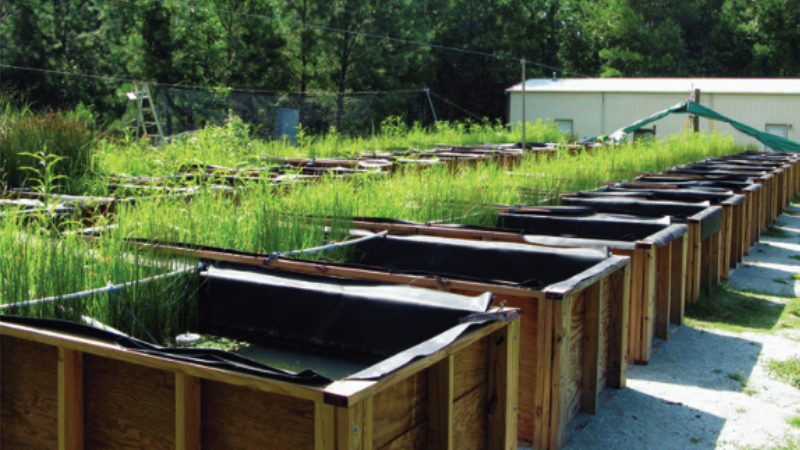
Understanding how nanomaterials behave and interact with the environment is the research focus of the Center of Environmental Impact of Nanotechnologies (CEINT) based out of Duke University in Durham, North Carolina. CEINT is one of the few research facilities in the world directly testing the impacts of nanomaterials at the ecosystem level. To do this, they have constructed 30 four by twelve foot outdoor experimental wetland ecosystems – mesocosms.

CEINT adds selected nanomaterials into the mesocosms to better understand nanomaterial transport, interaction and impact on plants, fish, bacteria and other organisms. Designing and conducting research at the ecosystem level takes time and differences can be subtle; monitoring instruments need to be accurate and reliable in this demanding application.

Effects of nanosilver in wetlands

One of the center’s main projects is studying the interaction and effects of silver nanomaterials – or nanosilver – on wetland biogeochemistry. Nanosilver is an antimicrobial used in many products including fabrics, wound dressings and supplements. One route by which it may be introduced to the environment is via wastewater effluent. Nanosilver has the potential for strong biological impacts since it can remain suspended in water and silver is known to be toxic to a wide range of organisms.

The nanosilver experiment is designed to examine a range of potential effects in 15 wetland mesocosms after weekly additions of low levels of nanosilver. One of the most important and potentially sensitive indicators of how the ecosystem is behaving is carbon dioxide concentration; by measuring carbon dioxide concentrations over time, CEINT researchers are able to calculate ecosystem photosynthesis and respiration.

Networking and voltage requirements

The project had some unique aspects in real-time data collection and power requirements. The mesocosms are networked to an Internet platform and database infrastructure for monitoring environmental conditions and for real-time access to the data stream remotely by partner researchers. The Vaisala GMM222 carbon dioxide modules can be fully integrated into data collection networks, management systems and live data streams.

The research team was aware of voltage drops in the facility’s electrical circuitry and looked for sensors that operated reliably in low-voltage conditions to avoid the additional time and expense of overhauling their electrical infrastructure. The GMM222* module is designed to operate at ranges of 11VDC- 18 VDC and 18-30 VDC. After testing, the CEINT staff confirmed the voltage variations, particularly voltage drops, did not affect the GMM222 module’s measurement accuracy.

Immediate benefits

After successful checks of calibration and voltage sensitivity, the GMM222 modules were installed and started collecting data immediately, allowing the researchers to observe some unexpected variations between the mesocosms well before the first nanosilver pulse into the water column. Further investigation revealed variations in crayfish activity between mesocosms that impacted the ecological balance and design of the mesocosms. Adjustments were made to the experiment design to mitigate these variations before research was underway.

*GMM222 is replaced by GMP252


ChallengeSolutionBenefits
Carbon dioxide sensors that are accurate and reliable for monitoring experimental wetlands ecosystemsGMM222 Carbon Dioxide Module for Low ConcentrationsSensors transmitted observations immediately, allowing researchers to rapidly identify and mitigate unplanned variability before scheduled dosing with nanosilver
Sensors networked and integrated with web-based data collection, data distribution and management systemsAccurate measurement in low CO2 concentrations and humid environmentsContinuous data collection and live data distribution for remote research partners
Sensors need to operate in low and variable voltage circuit due to voltage drops and changes in loadOperating voltage to 11 voltsAvoided additional cost and labor of overhauling electrical infrastructure to minimize voltage drops
 Sensors can be fully integrated with data collection and controlled environment management systems 

PDF

Carbon dioxide refrigerant monitoring

The GMP252 replaces the following discontinued products: GMM222, GMP222, GMT222

Dewpoint monitoring in OLED research

Vaisala DMT152 probe
Industrial Measurements
Kuyshu University
Japan

Adachi laboratory of Kuyshu University, Center for Future Chemistry, is using a Vaisala dewpoint transmitter for monitoring the H2O ppm level in a glove box used for researching organic semiconductor devices. The visiting associate professor (ISIT) Masayuki Yahiro was interviewed about the subject.


Adachi laboratory of Kuyshu  University, Center for Future  Chemistry


Recently the research field of organic optoelectronic devices has attracted much attention. This is due to the practical realization of organic light emitting diodes (OLEDs), which are expected to be used in the next generation of lighting and display technology.

Precise H2O measurement required

Organic semiconductor device research and development requires precise ppm level H2O measurement. It is well known that organic semiconductor devices such as OLEDs and organic thin-film solar cells are very sensitive to H2O. OLED lifetime is critically shortened by water in the process and the organic thin-film solar cell has less efficiency if H2O levels are not low enough.

The Adachi laboratory is one of the top institutes in Japan researching optoelectronic devices. Research areas include organic optoelectronic devices, composition of organic semiconductor elements, adaptation of these elements to thin film devices, and clarification of device physics.

The laboratory is actively participating in Industry-Government-Academia collaboration. They are also a part of a national project called NEDO (New Energy and Industrial Technology Development Organization) BEANS (Bio Electromechanical Autonomous 
Nano Systems).

The visiting associate Professor (ISIT) Masayuki Yahiro finds Vaisala DRYCAP® Dewpoint Transmitter DMT152 beneficial:


“The DMT152 is very easy to use and convenient, it has good tolerance room condition high humidity. We are using the DMT152 in atmosphere with organic solvent such as chlorobenzene, toluene and xylene. No influence on the sensor has been found. We have never had any problems with this sensor. DMT152 is suitable for OLED process, not only research but also production process. I’d like this sensor to be included in gloveboxes as a standard installation.”


Professor  (ISIT) Masayuki Yahiro finds Vaisala  DRYCAP ®  Dewpoint Transmitter  DMT152 beneficial


Accurate and reliable measurement of low dewpoint (H2O ppm level)

The Vaisala DRYCAP® Dewpoint Transmitter DMT152 is a thin-film
polymer sensor for dewpoint measurement. It can measure down to -80°C Td (less than 1 ppm water) with high accuracy. The Vaisala DRYCAP® Sensor is immune to particulate contamination, water condensation and most chemicals. This means the transmitter has good tolerance in the glovebox for handling organic semiconductor devices and several organic solvents.

The DMT152 mechanics have been designed for harsh environments requiring protection against dust, dirt and splashed water. The Vaisala DRYCAP® technology has a low maintenance need due to its excellent long-term stability and durability against condensation. 
The recommended calibration interval is 2 years.

Flexible installation

Vaisala Dewpoint Transmitter DMT152 has several different types of installation accessories, screws, and flanges, making it easy to replace any transmitter that may already be installed in the glovebox.


ChallengesSolutionBenefit
Need for measurement instruments with fast response time from room conditions
to dry environment
Vaisala DRYCAP® has very fast dry-down time and is not damaged in any way
by high humidity conditions
Versatile solution that assures proper process conditions for OLED development
Measurement instruments must be suitable for both portable use and permanent installationVaisala DRYCAP® Dewpoint Transmitter DMT152 is only 
12 cm long and weighs only 
190 grams. It can be permanently installed or conveniently attached to battery operated display device with graphing and 
data recording capabilitiesLong term reliability that eliminates the need for constant maintenance
Measurement instruments must provide long-term accuracyRecommended calibration interval for the DMT152 is 
2 years