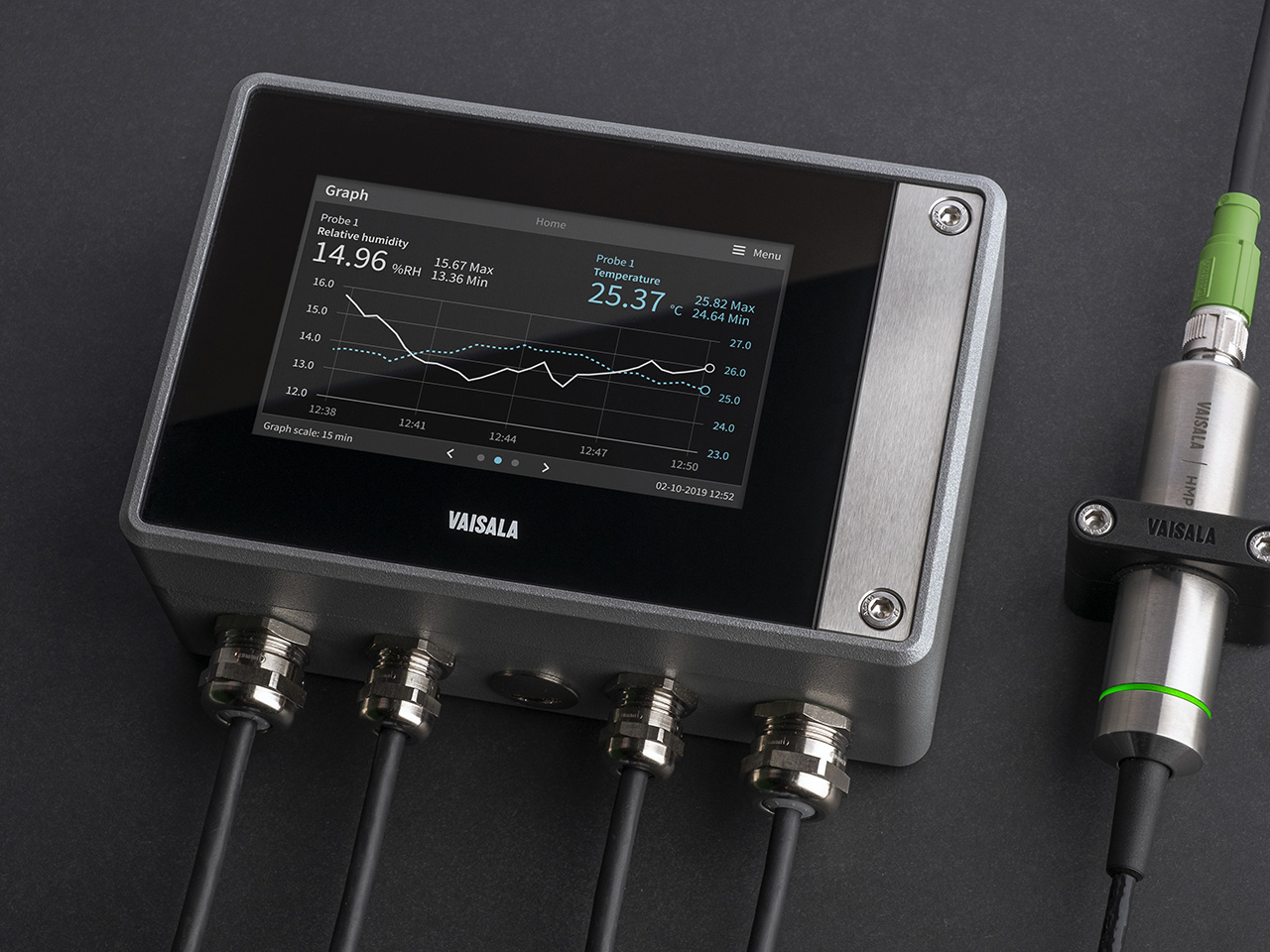
Creating SOPs for Continuous Monitoring Systems

Profile picture for user janice.bennett
Submitted by janice.bennett on
Standard Operating Procedure template
Industrial Measurements
Life Science

Dear Vaisala,

We are hoping to save time in creating a Standard Operating Procedure for our viewLinc monitoring system. Does Vaisala offer any reference materials for viewLinc SOP?

We understand that an SOP is basically created and managed by each customer, but a sample would help as a starting place…
Thanks for your help!

Paul Daniel writes:
Thank you for reaching out to us!

The regulatory requirement is that a GxP-regulated application have a written procedure describing the monitoring process and written storage specifications for products.  It is a simple requirement that can be interpreted into many different methods of documentation, including SOPs.

When using a computerized monitoring system (such as viewLinc) to monitor the temperature of a physical space (like a refrigerator or warehouse), the procedures created will be quite similar because they are based, in part, on the software.

The variations occur in how a particular company chooses to create storage specifications and written procedures.  From company to company, there are different approaches to documentation, policies, policy implementation, specifications, and procedures.

It is my hope that companies that like detailed SOPs (see variation #5 below) can reference the Tours that are in viewLinc. viewLinc Tours give onscreen instructions for common tasks in viewLinc to ensure users can complete tasks the first time they use the software. Tours help users complete tasks the same way each time they use the software – especially useful if you only perform certain tasks occasionally. The tours can definitely make SOPs much easier to write, follow, and maintain.

Here are some variations in how SOPs can be created for viewLinc:
1. Storage specifications may simply be the conditions on the label and not a specific document.
2. Storage specifications may be grouped into categories, such as refrigerated (2 to 8°C), cool (8 to 15°C), room temperature (15 to 25°C), etc.
3. Specific chambers or rooms may be assigned such a temperature category.
4. There may be several generic SOPs that apply to all computer systems, including password management, audit trail review, employee on-boarding, system backup.
5. There may be a detailed SOP for how to use the monitoring system. Like so: do this, click here, write this in that field, click save, etc.
6. There may also be a detailed SOP based on specific monitoring goals (keep medicine A between 2-8°C and file a deviation if the temperature is out of specification for over 30 minutes). This may say very little about how to use the actual software, and rely on the user manual instead for instructions.

The range of possibilities is so wide that it has not proven to be useful for Vaisala to create a template SOP for our customers.  Most customers have to follow their own internal policies on creating written procedures, so many do not often have the freedom to follow our recommendations or a template.

Here are my recommendations for documentation to create in-house in support of viewLinc software:

• A specification document
o This lists the allowable temperature range for each area or unit type, including allowable excursions (maximum temperatures and times) and expected responses to these excursions.  This should also list the responsible persons, by title rather than by name to avoid revision every time there is a personal change.

• A configuration specification document
o This describes the settings for viewLinc, including establishing a limited number of security profiles (called: “Groups” in the software) and a limited number of alarm threshold and notification templates, as well as a drawing, and a table of the physical location of each device, and to what “Location” in the software it links to.  This will help create and maintain order and naming conventions within the system.

• A monitoring SOP
o This describes the high-level actions taken within the monitoring system with very simple sentences. For example: Acknowledge the Alarm, Create a User, etc.  Such a document is easier to maintain and follow if it is simple. When a more detailed process is needed, it can reference viewLinc’s User Manual or the Tours.

Related Webinar

In our webinar "Audit-proof your Monitoring System" I have a chapter outlining SOPs. You can access the slides (PDF) here and watch the recording.

Further reading on GxP compliance for continuous monitoring systems.

SOP Examples:

Just for reference, here are a few examples. But, it’s the responsibility of every facility to create their documentation around the system to ensure their compliance and operational goals are met.

Alarm Acknowledgement

This section of the SOP specifically details the types and steps to respond and acknowledge CMS alarms. All users can receive alarms, but only specific users with the proper access level can acknowledge alarms. This facility’s alarm threshold set points are set per Table 1 of this SOP. Set point changes must be approved per the Process Change Control SOP.

Step Action
1. Facility and/or calibration departments are responsible for receiving/acknowledging alarms via cell phone (text) and/or emails.

2. In viewLinc select the Alarms / Active Alarms Tab. Then select the active alarm to acknowledge.  Reference Environmental Monitoring Location Map, if needed, to verify alarm location.

3. Follow Figure 1. Alarm Investigation Flow Chart.  Based on flow chart continue with acknowledging alarm. Facilities and/or calibration technicians must notify Facilities Engineering and Supervisor once an out-of-limit (OOL) condition is confirmed.

4. For communication alarms, a system check is required once connectivity to the server has been re-established. A channel history report shall be reviewed by Facilities Engineering to confirm no data loss and to confirm all sensor locations are reporting temperature, humidity, and differential pressure readings.

5. For configuration alarms, a system check is required to ensure connectivity to the server. A channel history report shall be reviewed by Facilities Engineering to confirm no data loss and to confirm all sensor locations are reporting temperature, humidity, and DP readings. System configuration shall be reviewed against CMS Configuration Spreadsheet attachment of site validation report.

Email Settings Management

a) Email settings rarely require changes after the system is initially configured.  However, if network changes are made that affect emails, it may be necessary to update the email settings.
b) The Email Settings window is access through Options > System Configuration > Email Settings.
c) The Email Settings use standard mail protocol settings, such as SMTP, and POP3 (if required). 
d) Enter any changes that are necessary.  After changes are made, the settings may be immediately tested by selecting the “Test Email” option from the Email Settings: Options drop down menu. 
e) Save all changes before exiting the Email Settings window.
f) NOTE: The appropriate facility change control process may be applicable to any changes to email settings.

Finally, here is a blog from The FDA Group that gives a good outline on writing SOPs.

Vaisala Hardware – Testing Beyond Promise

At Vaisala, we put our products through a series of environmental and mechanical tests to learn the points of failure or weakness. We test beyond what we promise, in temperature, vibration, drop heights, and more to ensure the hardware is robust, reliable and accurate. In this longer version of the video, Senior Engineer Fiki Jusuf describes the testing process.
Open video


Add new comment

LOUNGES 2020

Jan 28
Warehouse for medicine
Messe Karlsruhe
Karlsruhe
Germany

Welcome to meet our experts and reliable measurement instruments and continuous monitoring system at booth H1.9  in Lounges 2020,  Karlsruhe! We will be exhibiting a comprehensive range of humidity, temperature

What's New in viewLinc 5.1

Reliable CO₂ measurements for repeatable cell culture results

Application Note: CO2 Measurements in Life Science Incubators


How to achieve reliable CO₂ measurements for repeatable results

Maintaining stable CO₂ levels in incubators is essential for consistent, reproducible results in cell culture, pharmaceutical research, and IVF applications. But high humidity, temperature fluctuations, and poor sensor placement can compromise both accuracy and contamination control. In this application note, you will learn how to ensure incubators are:

  • Equipped with fast, stable in-situ CO₂ measurement for early detection of deviations that could threaten contamination control
  • Immune to high humidity and condensation, preventing conditions where contaminants can thrive
  • Measuring CO₂ levels with pressure and temperature compensations for accuracy at any altitude, supporting contamination-free environments worldwide
  • Ideal for GxP applications with low maintenance needs, reducing contamination risk from frequent handling

Whether monitoring fixed incubators or spot-checking with portable sampling tools, Vaisala offers trusted solutions for maintaining compliant, contamination-free culture conditions.

Download the full application note for best practices in sensor placement, calibration recommendations, and in-depth knowledge on NDIR CO₂ sensors—all supporting your contamination prevention strategy.

See our Privacy Policy for more details.
You can modify your preference settings or unsubscribe at any time here

Additive Manufacturing & Moisture

Submitted by Anonymous (not verified) on
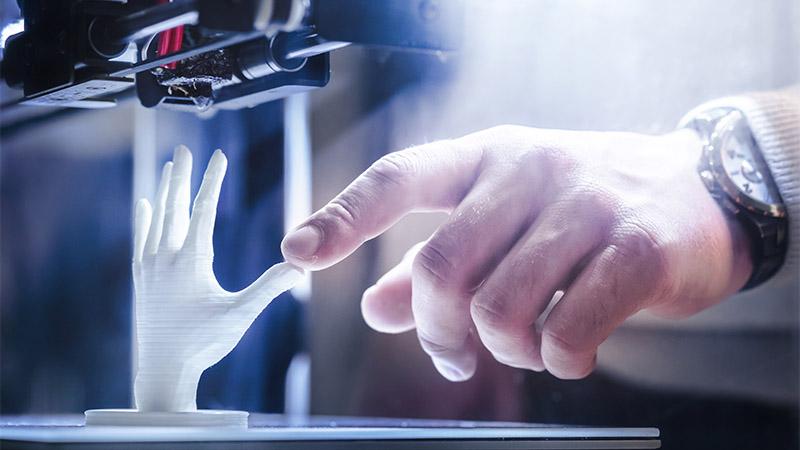
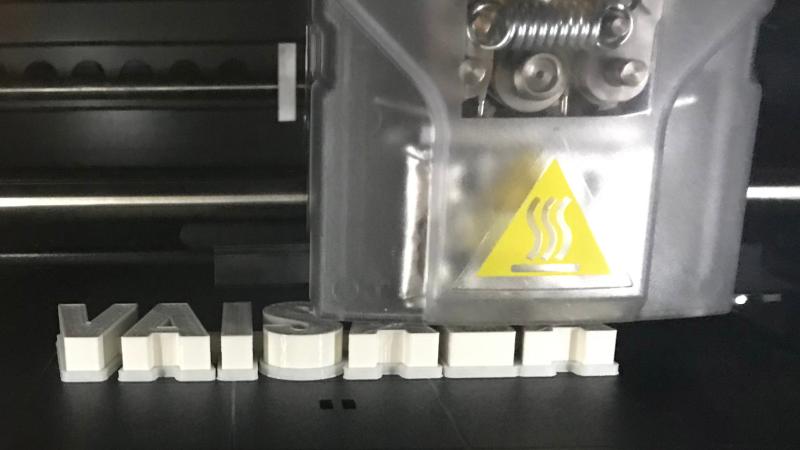
3D printing a Vaisala logo
Industrial Measurements

Additive manufacturing is rapidly gaining pace as a commercially viable industrial manufacturing technology following the global trends of on-demand production, customization, and the need for savings in time, money, and materials. Whether manufacturing plastic or metal parts, some raw materials such as powders, resin, or filaments are hygroscopic, meaning they absorb moisture from the surrounding ambient air. High moisture levels within the raw material can change its chemical properties and may negatively affect final product quality.

Metal Additive Manufacturing
Additive manufacturing of metal parts is becoming increasingly popular because it can offer new solutions not available with traditional manufacturing techniques. New shapes and techniques that were previously very expensive or even impossible to design using traditional casting and machining methods are now at our fingertips. Products manufactured with a 3D printer can be significantly lighter and just as strong – or even stronger – than their equivalents produced using conventional methods. These features are especially valued in aviation-related applications where tolerances are extremely tight, with each saved gram of metal translating to big savings in the product life-cycle analysis.

Another significant advantage in metal 3D printing is the improved printing speed and production rate. This technology is already challenging traditional manufacturing methods in mass production markets. The ability to reproduce high-quality products is essential to mass production and critical end-use applications such as aerospace, automotive, or medical components. 

Moisture plays an important role in many stages of the manufacturing chain so, to ensure consistent quality, it is essential to make sure conditions in facilities throughout the production chain are stable. Manufacturing and storage facilities for equipment and materials should be temperature and humidity controlled to ensure a high-quality product. 

High-quality additive manufacturing requires high-quality raw material. The powder materials such as aluminum or titanium alloys used in the selective laser melting (SLM) process are sensitive to ambient humidity. If the powder absorbs too much water from the surrounding air, its chemical characteristics can change dramatically, leading to loss of print quality. All storage conditions, whether inside or outside of the printer, should be carefully monitored to ensure that the raw material meets the manufacturer’s specifications.

With metals, regardless of the 3D printing method used, there is a sintering or melting process that fuses metallic powder to the solid metal part. The sintering must take place in an inert environment with low levels of oxygen and moisture. This can be a harsh environment for any measurement device, but the conditions can also be monitored indirectly through dew point measurement of the inlet and outlet gasses.

Plastic Additive Manufacturing
Moisture is a well-known enemy of plastics. As many polymers are hygroscopic, they will absorb moisture from the surrounding air. As a manufacturer, you do not want your raw material to change its properties – the target is to keep it as consistent as possible. This requires high-quality moisture control throughout the production chain, from filament manufacturing to the 3D printing process itself.

Fused filament fabrication (FFF), also known as fused deposition modeling (FDM), uses a filament of thermoplastic material extruded to the printing platform layer by layer. These filaments are made from a variety of polymers such as ABS (acrylonitrile, butadiene, styrene), PLA (polylactic acid), or PA (polyamide, more commonly known as nylon). All of these polymers have the ability to absorb water, with the amount dependent on the polymer type and the relative humidity of the ambient air. The effects caused by the moisture also depend on the material. 

Some materials, like ABS, can withstand relatively high concentrations of moisture without any impact on their material strength, but problems may still emerge during extrusion. When ABS is heated above 200°C the absorbed moisture will evaporate and turn into steam. This causes issues in the print quality since the steam will affect the material flow. Some materials, such as PA (nylon) also suffer from hydrolysis. This means that water molecules damage the polymer chains during extrusion and the material loses its tensile strength.

Conclusion
Whether you are manufacturing your parts out of metal or plastic, you will need to keep a tight control over the conditions in all parts of your facility. To avoid any production quality issues caused by moisture, you need accurate measurements. 
 

Comment

immensa.io

Aug 23, 2022
Nice blog, more informative

Vaisala

Sep 27, 2022
Thank you for your comment, happy to hear!

Add new comment

Field Comparison of Hydrogen Peroxide Measurement Systems for Isolators

vaporized hydrogen peroxide validation in isolators
Life Science
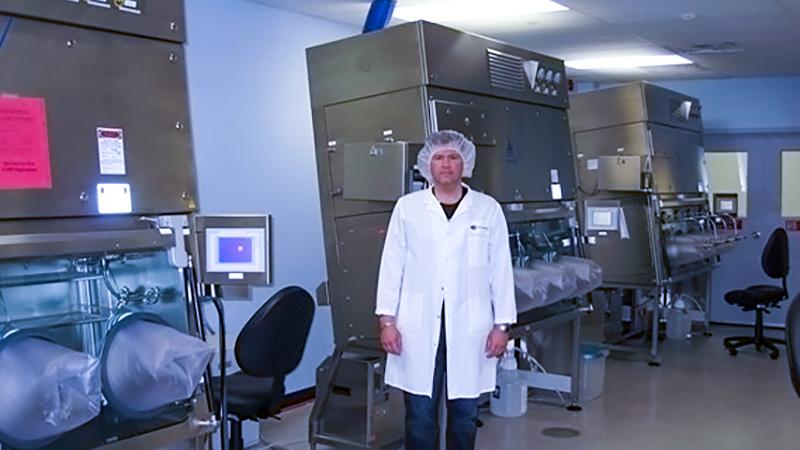
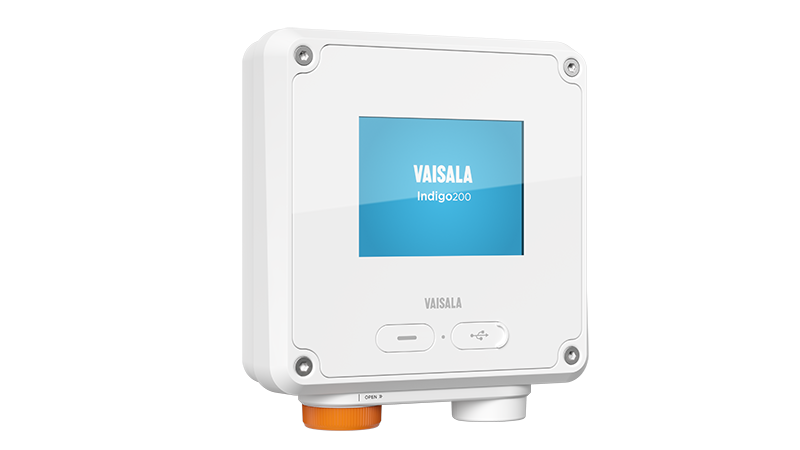
Founded in 1994, Ardien Consulting Services provides isolator validation for equipment used in aseptic manufacturing, sterility testing and containment applications. Rick Nieskes is the founder and principal consultant of Ardien, currently serving the validation needs of over 50 pharmaceutical companies around the world. Vaisala supplied Nieskes with a Vaisala HPP272 probe combined with the Indigo201 transmitter for testing purposes.
PDF version
 
After working with early hydrogen peroxide bio-decontamination methods in the 90’s, Nieskes decided to specialize in isolation technology and vaporized hydrogen peroxide systems for the pharmaceutical industry. In his work, Nieskes not only qualifies equipment and environments, he develops bio-decontamination cycles and protocols to help companies ensure the consistency and efficacy of their processes. 

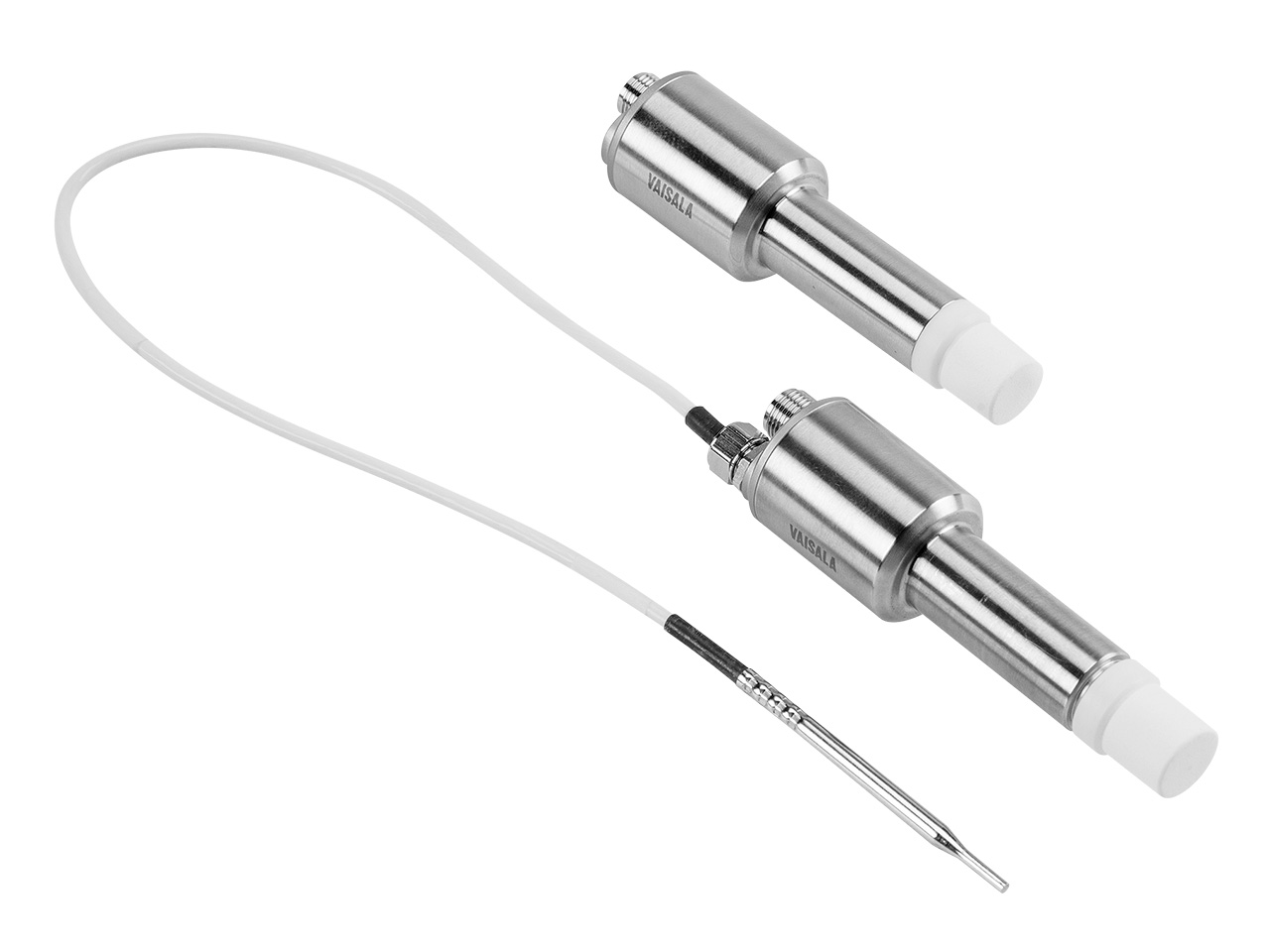
When given the opportunity to evaluate the Vaisala Hydrogen Peroxide probe combined with the Indigo201 transmitter, Nieskes compared them to his current hydrogen peroxide (H2O2) measurement equipment. The first major difference was that his sensor gave only parts per million readings (ppm), whereas Vaisala’s HPP272 probe with the Indigo201 transmitter was set up to provide three values: H2O2 concentration in ppm, percent relative saturation (humidity) and temperature. Vaisala offers two probes for hydrogen peroxide measurement; the HPP271 probe measures only H2O2 concentration in ppm and the HPP272 probe can measure several parameters, including H2O2 concentration in ppm, relative saturation, relative humidity, temperature, dew point and vapor pressure. 
 
“With both my standard sensor (based on electrochemical technology) and Vaisala’s HPP272 (based on thin-film polymer sensor technology) placed less than a foot apart in the isolator, I began the decontamination cycle,” says Nieskes. “The electrochemical H2O2 concentration sensor initially responded quicker, but within about five to ten minutes both sensors were reading essentially the same values. But, in my experience the numerical value for H2O2 concentration isn’t as important as how relatively consistent it is from cycle to cycle. Both units were consistent throughout the validation.” 

While the concentration values were similar, the resolution of the values differed. Both display units began at zero, but for the electrochemical sensor, the first value was 10 ppm, with subsequent values in increments of five. The Vaisala Indigo transmitter, which provided the readings of the HPP272 probe, gave values in 1 ppm increments.
“This became very interesting during aeration,” recalls Nieskes.  “Towards the end of the decontamination phase, both units gave near identical readings. The electrochemical sensor was at 705 ppm, the HPP272 was at 710 ppm. Towards the end of the aeration phase, once the HPP272 was at 2 ppm, I took a reading with a different device I use for low level ppm. 

“I use two different devices to measure high and low level hydrogen peroxide concentrations. The low level device gives values between 0.1 and 3 ppm. When the HPP272 was at 2 ppm, the device reading was 1 ppm; and when the HPP272 was at 1 ppm, the device reading was at 0.5 ppm. I was interested to see the consistency between readings, but surprised that in a process that typically requires two different sensing devices for high and low level accuracy, the HPP272 was relatively accurate during all the phases of bio-decontamination.” 

Another difference Nieskes noticed was in the number of variables measured during the process. “With the Vaisala unit I’m getting humidity (in this case relative saturation values were selected to be displayed), temperature, along with H2O2 concentration. This gives a more complete picture of what’s occurring and that’s crucial in validation. Seeing the temperature and relative saturation values, along with the level of hydrogen peroxide is not only important for qualifying a piece of equipment; it could be extremely useful for troubleshooting between equipment re-qualifications.” 

Nieskes believes that knowing the environmental parameters along with H2O2 ppm values can save time and ensure cycles are effective. “Say that some undetected situation occurs with the HVAC system. If it’s winter, the temperature in the room might decrease. As a result, the ppm during the decontamination cycle may be lower than normal. You might have to do a lot of investigation to figure out that the root cause is the HVAC system. 

“In the meantime, there may be more condensation in the isolator, which has caused the lower reading ppm. If you run a cycle with anomalous ppm readings, without knowing the other variables in the environment, you have to take time to investigate the issue. If you can see the other parameters that impact the process in real-time, you have an immediate clue to what’s occurred: one of the variables changed.” 

From over two decades working with pharmaceutical manufacturers, Nieskes knows there is constant pressure to control costs. Every step in the process must be as efficient as possible. “If we can ensure consistent bio-decontamination cycles with a better understanding of the critical parameters that affect the process, it leads to more efficient manufacturing,” says Nieskes. “Downstream that can result not only in improved productivity for a manufacturer, but also reduced drug costs for a consumer who can still be assured that the drugs are processed in safe, sterile, and controlled conditions.” 

Working in validation, Nieskes has seen the costs associated with presuming that equipment will perform as expected, or that a changing ambient environment won’t have a detrimental impact.
 
“You use biological indicators and other equipment annually to re-qualify an isolator. Between re-qualifications, you have to assume everything is stable. But if you have a sensor monitoring the isolator for each cycle, you can troubleshoot between re-qualifications. I believe that inline monitoring is useful in isolators regardless of the application. Unfortunately, this is not always done.” 

Nieskes has learned that without an H2O2 sensor monitoring bio-decontamination cycles, ignorance is bliss. “I can’t count how many times I’ve seen companies go into a re-qualification and find biological indicator growth-positives. Then they initiate troubleshooting. With an inline sensor, they’d have historical information that can aid in troubleshooting.
Hydrogen peroxide sensor vaporized H2o2
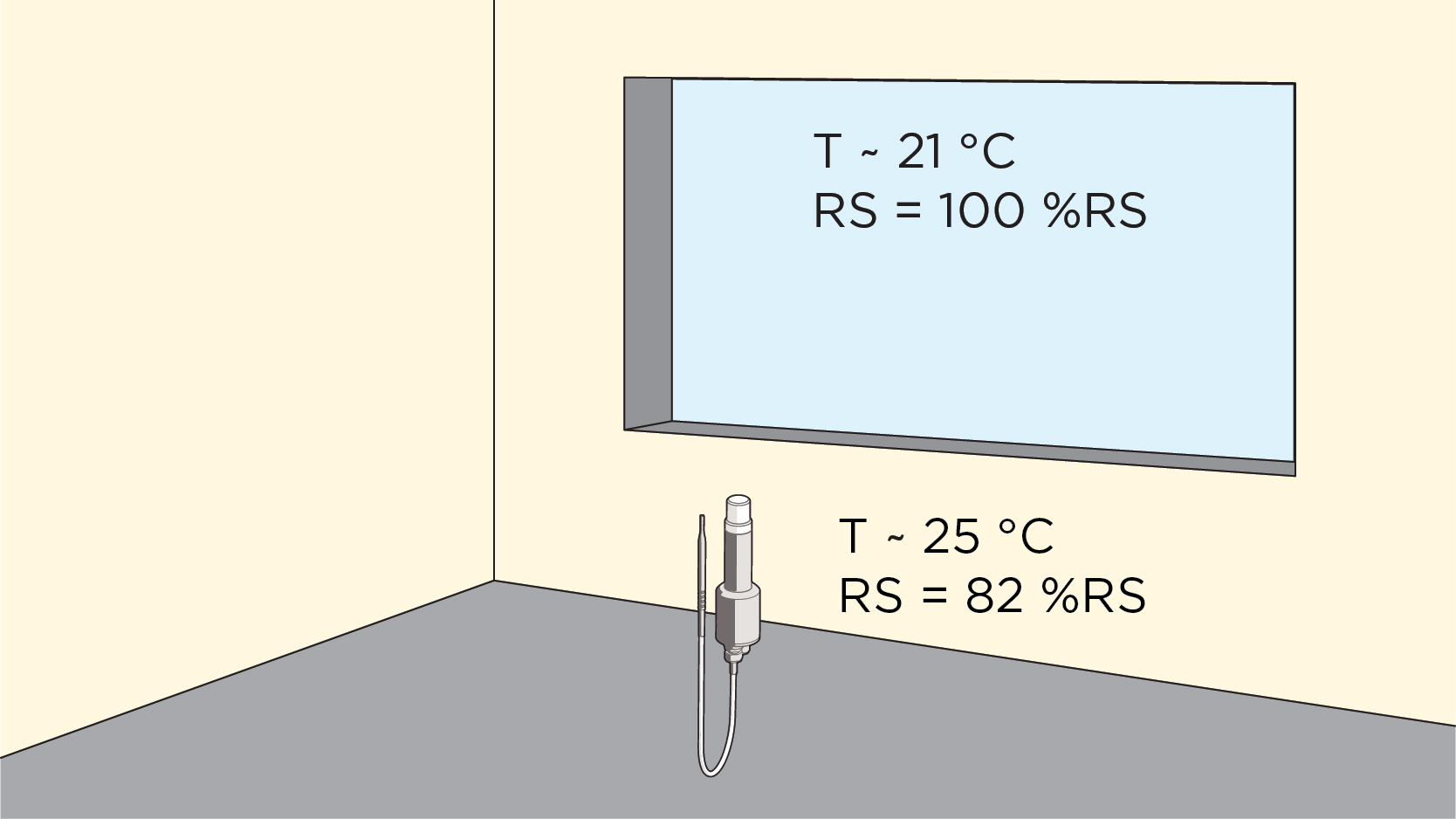
The temperature in the center of the isolator is warmer than on the window. Because the window has a lower temperature, condensation (100%RS) occurs earlier. Relative saturation in the center of the isolator is 82%RS. The placement of the sensor within a chamber will have an impact on the %RS value.


“I have experienced a situation where the injection of H2O2 was normal (i.e. no alarm or abort), but was improperly vaporized. In this case, having an H2O2 concentration sensor would have likely identified the faulty condition. This is where knowing the relative saturation and concentration value from the HPP272 sensor can be valuable.” 
One of the parameters that was new for Nieskes was the relative saturation percentage. Relative saturation indicates the humidity of the air caused by both H2O2 vapor and water vapor. Under the conditions in this case, Nieskes noticed the onset of condensation occurred around 82%RS. Decades of experience have brought Nieskes to the conclusion that some degree of condensation is necessary for an effective bio-decontamination with hydrogen peroxide vapor. 

Prior to using the HPP272, Nieskes used a binary condensation sensor he created for this purpose; experience had taught him that a cycle where no condensation was achieved could result in growth positive biological indicators. Often the condensate is subvisible – the H2O2 vapor exists in two states, at varying degrees, at various locations during the cycle, as both gas and liquid (condensate).
 
“In the ideal biodecontamination cycle, the isolator temperature and humidity would be exactly the same each time,” says Nieskes. “Since you can’t do that, you have to ‘validate through’ meaning; incorporate room temperature during validation. This shows that you are able to destroy microorganisms through environmental variations. You change the ambient conditions and document the effect. 

“Knowing the degree of condensation – or Relative Saturation % – is important. Do you still achieve the kill rate? I look at what the client is able to control and create worst-case conditions. A lot depends on the design of the isolator, the bio-decontamination parameters and the conditions in the room surrounding the isolator.”  Nieskes notes that some equipment has its own system for controlling temperature and humidity to create consistency in the cycle. However, usually the only control is a humidity value less than or equal to a set-point prior to the start of H2O2 vaporization and the amount of H2O2 vaporized. “This is limited information, at best,” says Nieskes. “Say for example you add 120 grams of hydrogen peroxide, for a given duration; what are the other conditions in the isolator? You need to understand the humidity and temperature values throughout each cycle to understand and control it.”
 
Nieskes has learned that knowing the other dependent variables allows better control of biodecontamination cycles. “If you run a cycle in a room with fluctuating temperature or humidity, it may have an impact on the isolator’s bio-decontamination cycle, in terms of its microbiocidal efficacy or aeration time.”

In his comparison of the electrochemical sensing equipment and Vaisala’s HPP272 probe combined with the Indigo201 transmitter, Nieskes identified several advantages in the Vaisala system, especially the superior resolution of ppm measurement  and the relative saturation value. It was also helpful that the HPP272 was relatively accurate during all the phases of biodecontamination.

Rick Nieskes received no compensation from Vaisala for his testing of the HPP270 probes or Indigo200.
 
Read more about the comparison of sensors used during a cycle development validation of an isolator on Rick Nieskes’ blog “Inside the Isolator” 
 

New Webinars

Join us for two new webinars for life science applications:

From Monitoring to Controlling with vaporized Hydrogen Peroxide Sensors:  Why, How & a Case Study

We are joined by Cleamix, a provider of Vaporized Hydrogen Peroxide generators, to provide a case study on bio-decontamination. The focus is hospital decontamination, but the process and principles are applicable to any vaporized hydrogen peroxide applications.

Learn more...


The Benefits of Refractive Index (RI) in Development and Production of Active Pharmaceutical Ingredients (APIs)

In this webinar we present customer cases on how an in-line process refractometer can be used as a PAT tool for standardizing and scaling-up APIs production. You will learn how Refractive Index measurement technology is applied in pharmaceutical reaction, separation and purification, solvent swap, and crystallization operations – first in laboratory and pilot scales and finally in full-scale commercialized production.
Learn More...
Related products
Indigo520 with probe

Indigo500 Series Transmitters

The Vaisala Indigo500 series transmitters are host devices for Vaisala Indigo-compatible, stand-alone smart probes. The Indigo500 series include multi-functional Indigo520 transmitter and Indigo510 transmitter with basic features.

New 3-in-1 PEROXCAP® Sensor for H2O2 Bio-Decontamination Processes


Bio-decontamination processes are now easy to validate, even in high humidity conditions. The Vaisala PEROXCAP® HPP272 is an intelligent 3-in-1 measurement probe developed for original equipment manufacturers, service providers, and end-users who use vaporized H2O2 for bio-decontamination processes.
 
Watch the video or read more!

Add new comment

Labtechnology

Oct 01
Laboratory work
Jaarbeurs Utrecht, hall five
Netherlands

Welcome to visit our booth #D01 in Labtechnology congress and exhibition which is a large tradeshow of cutting-edge laboratory technology and products supporting R&D professionals in laboratory environme

The benefits of refractive index (RI) in development and production of Active Pharmaceutical Ingredients (APIs)

A crucial step in scale-up and to increase production capacity of Active Pharmaceutical Ingredients (APIs) is the selection of appropriate Process Analytical Technology (PAT) tools. This webinar presents real customer cases on how in-line process refractometer can be implemented in a PAT project to develop process understanding and standardize various production steps.

Give Your Climate Chamber a Boost

Submitted by kirsi.linsuri-… on
Environmental Chamber
Industrial Measurements

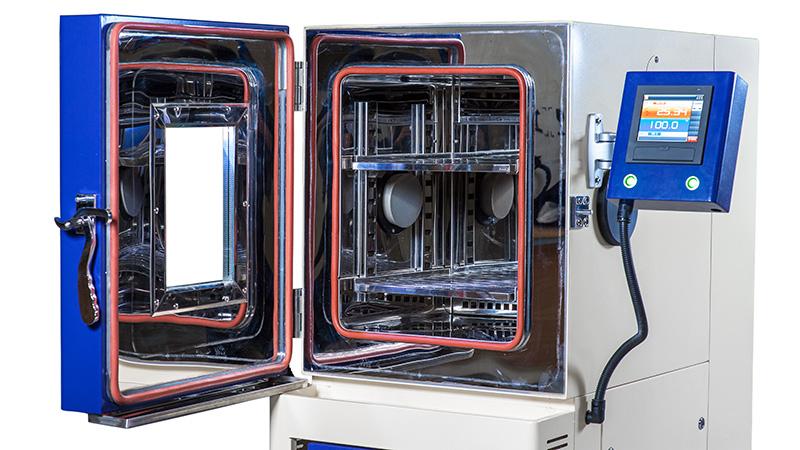
The requirements for testing different products, materials, and components can vary a lot depending on their intended application and other performance criteria. Demanding end uses such as automotive and mobile devices require components that are comprehensively tested to prove their performance and safety. These tests are usually done in the climate chambers. The climate chamber being used for testing must be capable of accurately replicating the required extreme climate conditions. Repeatability is another important factor in terms of ensuring that all test batches are subject to exactly the same conditions.

Precise control is crucial when moving from a standard test setup to an extreme one, and in order to have this level of control accurate measurement is needed even in condensing conditions. Traditional humidity measurement equipment cannot cope with the conditions inside a climate chamber because when the sensor gets wet, it needs time to dry out in order to start measuring accurately again. However, using a measurement module with warmed-probe technology ensures precise control over conditions inside the chamber even in the most demanding tests, such as dew cycle tests and humidity-based HALT (Highly Accelerated Life Testing).

One other factor which may also cause challenges is that the specimen are tested in elevated temperature. Plastic parts in the specimen may vaporize volatile organic compounds that can end up in the capacitive humidity sensor. This can cause drift in the humidity measurement. This issue can be avoided by heating up the humidity sensor rapidly up to 180 °C. This temperature treatment, called as chemical purge will vaporize the organic compounds away from the sensor and the drift effect is cancelled.

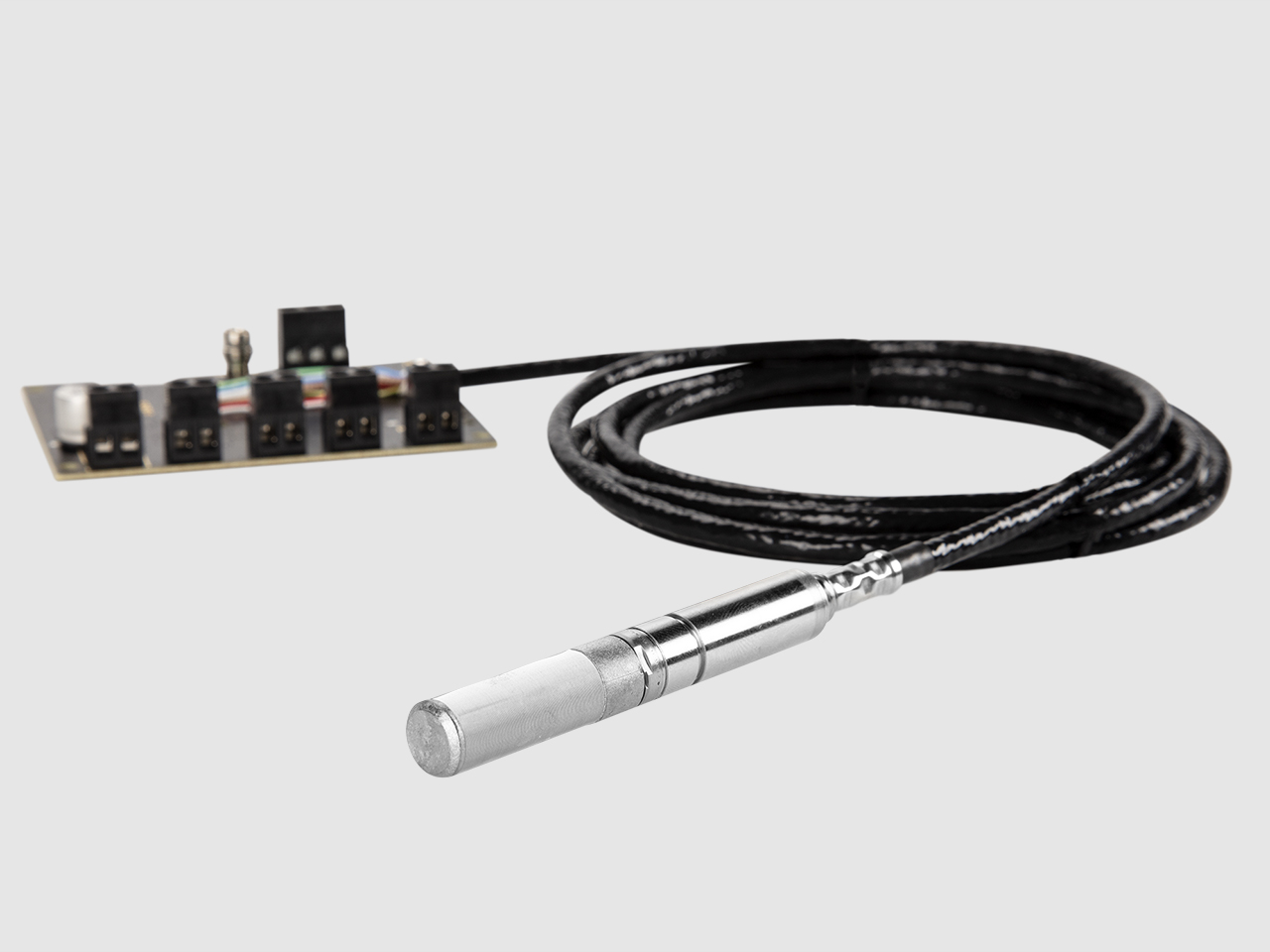
Warmed-probe and chemical purge technologies are available with the Vaisala HUMICAP® Humidity and Temperature Module HMM170. This module can measure humidity in conditions from 0 to 100 %RH and has a heated probe that can tolerate pressures from vacuum up to 10 bar. The circuit board footprint is designed to enable easy integration with your climate chamber’s existing configuration: the HMM170 includes three configurable analog outputs and one digital output (RS-485/MODBUS RTU). The chemical purge function can be initiated via contactor or Modbus. This is an easy way to ensure that the sensor is contaminant free before the next test patch. Configuration and calibration is done via a USB cable using the Vaisala Insight PC software.

For more information, visit www.vaisala.com/HMM170.


Related products
HMM170 Probe

Humidity and Temperature Module HMM170

Vaisala HUMICAP® Humidity and Temperature Module HMM170 is a robust open frame transmitter for integration into environmental chambers that need accurate and reliable measurement even in demanding conditions including vacuum or high pressure.

Add new comment