
Dew point, frost point, and trace moisture measurements
Fast and accurate measurements for low-humidity industrial processes down to -80 °C Td/f
Dew point temperature
The drier the condition, the more challenging it is to measure
Vaisala keeps pushing the boundaries of measuring humidity lower and drier
Dew point
The temperature at which water vapor condenses into liquid.
The benchmark for dryness.
What is dew point and how to measure it
Why choose dew point over RH or PPM
−40 °C Td/f
Typical quality level for compressed air (ISO 8573-1 Class 2) and drying systems.
Antarctica, the driest place on Earth, naturally.
−60 °C Td/f
Extremely dry gas environment. Typical desiccant -based drying target. Electronics, cleanrooms, dry rooms, PET bottles, specialty coating, adhesives.
−70 °C Td/f
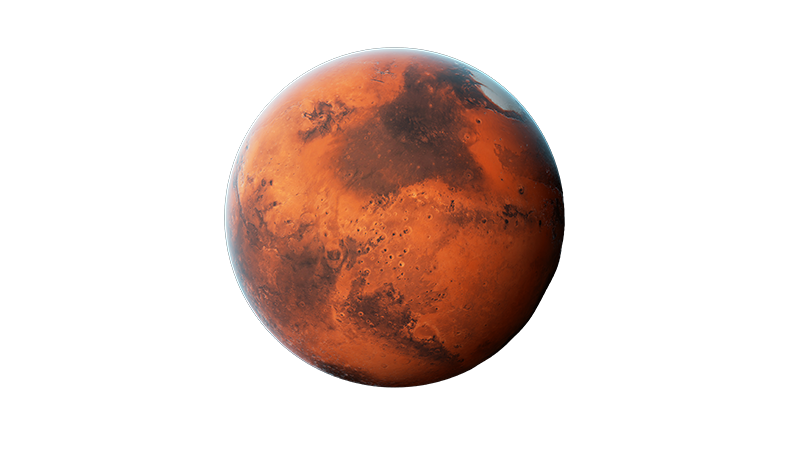
ISO 8573-1 Class 1 compressed air limit for critical applications such as semiconductor manufacturing.
Dew point conditions on Mars, monitored using Vaisala sensors.
Dew point or frost point?
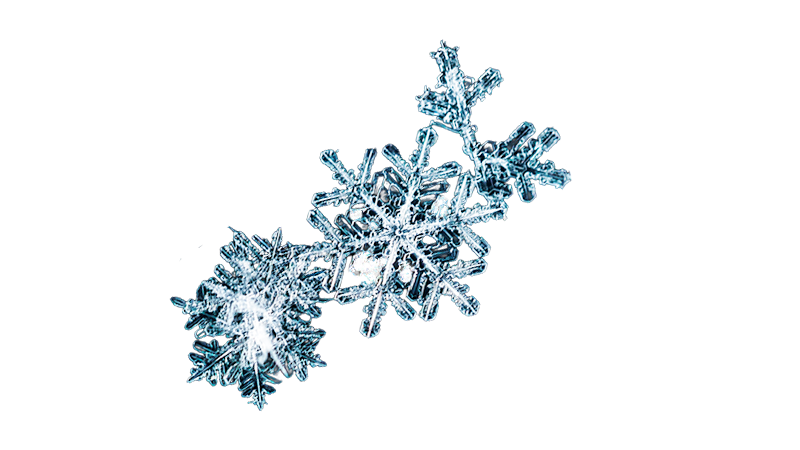
Learn how to avoid multi-degree conversion errors in low-humidity measurements
Vaisala's recommendations
−80 °C Td/f
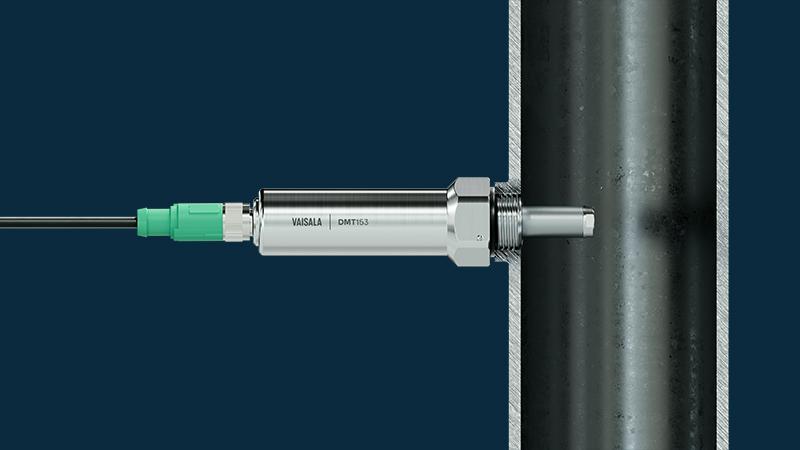
Ultra-dry gas environment. Aerospace, satellite, pharmaceutical, semiconductor, battery, R&D.
Reach new extremes with Vaisala's new Dew Point Transmitter DMT153.
Dew point: a critical parameter in industrial manufacturing
In many industrial manufacturing processes, precise control of humidity, or trace moisture, is essential to maintain product quality, ensure equipment reliability, and support safe and efficient operations.
Low-humidity environments, defined here as <10 %rh, require measurement technologies that remain accurate and responsive under demanding conditions.
Dew point, the temperature at which water vapor begins to condense, is the benchmark of process dryness as it is a direct indicator of the absolute moisture content in air or gas.
Unlike relative humidity, which depends on temperature, dew point remains consistent and provides a stable metric for dry environments and critical processes.
Vaisala provides compact dew point probes that deliver accurate, stable, and fast-responding measurements.
Their rapid response enables the timely detection of moisture changes, helping operators maintain control of trace moisture-sensitive processes, minimize contamination risk, and avoid unplanned downtime or system failures.
High-quality measurement benefits
Rapid response time
Why wait? When humidity changes are detected instantly inline, you stay in control, protect sensitive processes, and avoid contamination, downtime, and system failures.
Part of an Indigo-ecosystem
Mix and match measurement parameters and probes to fit your process
Stability
Reliable even with condensation, stable despite chemical exposure, and auto-calibration optimizes the measurement stability in dry environments.
How dew point is measured
Dew point is measured by determining the moisture content of air or gas and converting it to the temperature at which condensation begins.
Vaisala dew point/frost point measurement is based on revolutionary capacitive thin-film humidity technology, sensing relative humidity and ultra-stable platinum-based temperature sensors to determine dew point/frost point calculated from these measurements.
Key factors that affect measurement quality
There are different measurement principles available, such as advanced humidity sensors that infer dew point from relative humidity and temperature, and chilled mirror instruments that observe condensation.
Accurate dew point measurement depends on:
- Temperature
- Pressure
- Contaminants and condensation
- Sensor placement and response time
Technology comparison
Review how Vaisala's dew point probe compares to CRDS' (Cavity Ring-Down Spectrometer)
and Chilled mirror transmitters in the most demanding operating environments, such as
rechargeable battery and semiconductor manufacturing.
| Vaisala’s dew point probe | CRDS | Chilled mirror transmitter | |
| Td measurement range* | -80 °C…+20 °C | -100 °C…-50 °C | -70 °C…+20 °C |
| In-situ measurement | Yes | No, requires sampling and a large pressure difference | No, requires sampling |
| Td accuracy in laboratory conditions* | +/-2 °C | +/-0.2 °C | +/-0.2 °C |
| Pressure range* | 1…50 bar | 1…5 bar | ~ 1 bar only |
| Dependency of atmospheric conditions | Not dependent | Dependent. Stable atmospheric conditions required. Sampling might generate errors in non-laboratory environment. | Dependent. Minimum dew point will raise if the ambient temperature increases. Sampling might generate errors in non-laboratory environment. |
| Response time* | Minutes | Tens of minutes | Hours |
| Sensitivity | High | Low (cannot detect quick changes, averaging measurement) | Low (cannot detect quick changes, averaging measurement) |
| Size | Small and light. Fits easily to multiple locations | Mid size, about 10 kg | From big and heavy to mid size |
| Operator to provide regular service | Not required | Not required | Required |
| Components requiring service | Not required | Not required, if in clean environment | Required (e.g., Peltier) |
| Local calibration/ support available | Yes | Unlikely | Unlikely |
| Dependency of background gases | Minor | Potentially strong | Potentially crucial |
* Typical values in battery and semiconductor manufacturing
Common measurement challenges and how to avoid them
Probe installation position
It's particularly important to:
- Ensure the sensor sees representative gas conditions
- Use proper materials and tightness to avoid leaks
- Consider accessibility for validation needs
Understanding dew point dynamics
It's particularly important to:
- Remember that increased pressure increases the dew point
- Account for the pressure influence on dew point readings
Choosing the right measurement solution
It's particularly important to:
- Select technology appropriate for your environmental conditions
- Differentiate between the output range and the validated measurement ranges

How often should dew point instruments be calibrated?
Vaisala recommends regular intervals specified in each instrument’s datasheet; however, the timing of the next calibration is ultimately up to the end user's quality requirements and operating conditions.
Vaisala instruments are always delivered with a calibration certificate.
Key considerations include:
- The level of accuracy (or maximum uncertainty) required to ensure adequate monitoring or control performance
- The potential impact if the instrument does not perform as required, such as effects on operational safety and end-product quality
Environmental factors that may require more frequent calibration include:
- High humidity and high temperature
- Chemical contaminants in the environment
- Large swings in process or climate conditions
With Vaisala as your calibration partner for dew point measurement, you can save energy and improve the cost-efficiency of your processes. If you are in doubt as to how often your instruments need to be calibrated to maintain measurement reliability and accuracy, contact us.
What is the optimal dew point measurement instrument for you?
FAQ
Can you measure -20…100 °C Td/f range
In theory yes, but it is impractical and expensive. Vaisala's instruments are optimized for certain dew point levels, and the selection covers a variety of instruments.
Is a sensor that can measure lower dew points a better sensor?
Not always. If you need accurate measurements at extremely low dew points, then yes, a lower-range sensor is beneficial. But for moderately dry conditions like -40…-60 °C Td/f, choosing an instrument that goes down to -80 °C Td/f will not improve performance.
The best sensor is the one that matches your process, not the one that measures the driest possible conditions.
Does my sensor lose accuracy if exposed to ambient humidity levels or even condensation?
It depends on the sensor technology. Vaisala DRYCAP sensors do not lose accuracy when stored in typical indoor humidity, and they can even be exposed to liquid water and still recover fully.
When do I need a sampling system?
A sampling system is relevant when one or more of the following apply:
- The gas temperature exceeds the sensor's tolerance
- The process pressure is higher than the sensor's tolerance
- Chemicals or particles cannot be pre-filtered and would cause harm to the sensor
- The installation location does not permit a direct sensor mounting
- The instrument must be removed regularly while the process is running

Vaisala DRYCAP® Technology - Compact intelligence for the driest conditions
Since its launch, the DRYCAP product family has expanded to a wide range of uses, from drying processes to compressed air and dry chambers. The DRYCAP sensor is especially valued for its reliable performance in extremely dry, hot environments, driving continuously growing demand.
What about dew point 0 °C Td and above?
All of Vaisala's humidity and temperature instruments can output dew point.
Applications where dew point measurements are critical
Measuring dew point allows for predictive maintenance, process optimization, and regulatory compliance across many sectors
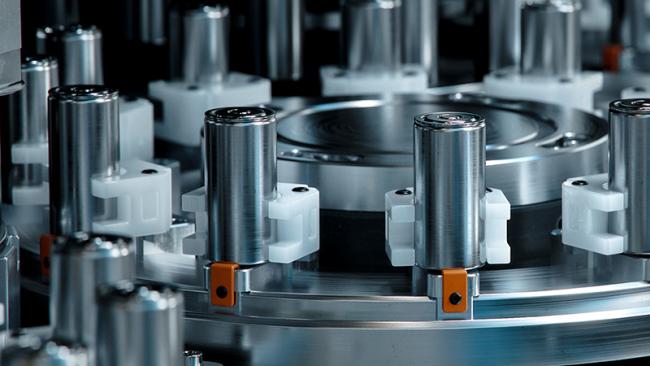
Battery manufacturing
Ensure the highest quality and performance of rechargeable batteries with accurate moisture and liquid concentration measurements

Semiconductor manufacturing
Trusted measurements for pressure, temperature, humidity, and liquid concentration measurements for increased yield, safety, and best-performing products.
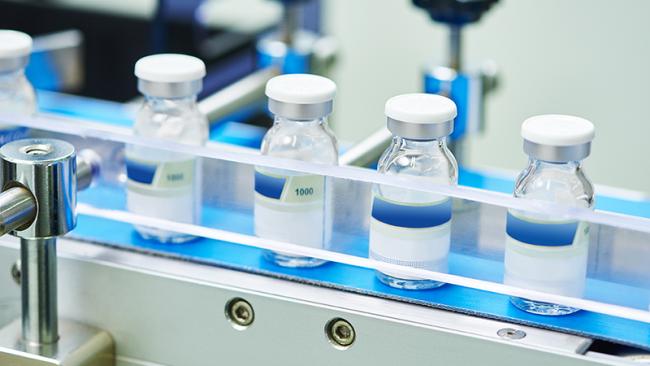
Pharmaceutical drug manufacturing and biotechnology processing
From research labs to production areas and warehouses, Vaisala delivers precision and compliance at every stage of your GxP-regulated operations. Our high-performance data loggers, smart probes, transmitters, inline refractometers, and monitoring software are engineered for reliability and built to meet global regulatory standards.
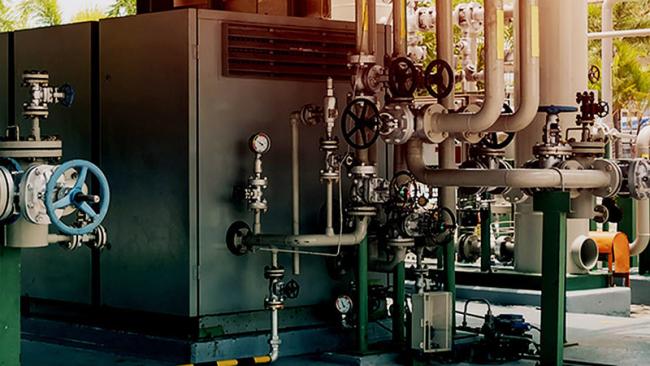
Compressed air measurement
Measuring small changes in dew point temperature can add to immeasurable results in compressed air quality.
Beneficial for all applications requiring low dew point levels
- Unique research projects
- Aerospace and defense
- Specialized sensors
- Critical compressed air lines
- Critical, high-purity gases: air, nitrogen, argon, helium, and other inert gas lines
- Glove boxes and isolators
- Pharmaceutical manufacturing, including certain Active Pharmaceutical Ingredients and lithium-based medical devices
- Sensitive chemicals, catalysts, or metal powders or other components that might oxidize or hydrate when moisture is present
- Display manufacturing
- Optical coating and laser laboratories
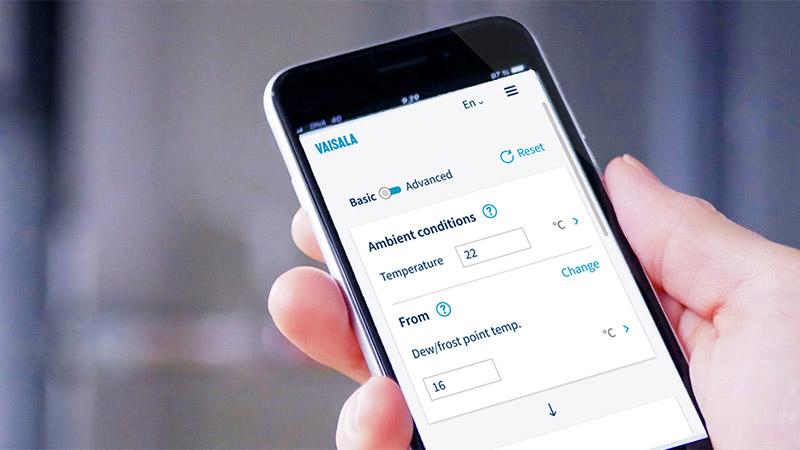
Explore Vaisala's Dew Point instruments
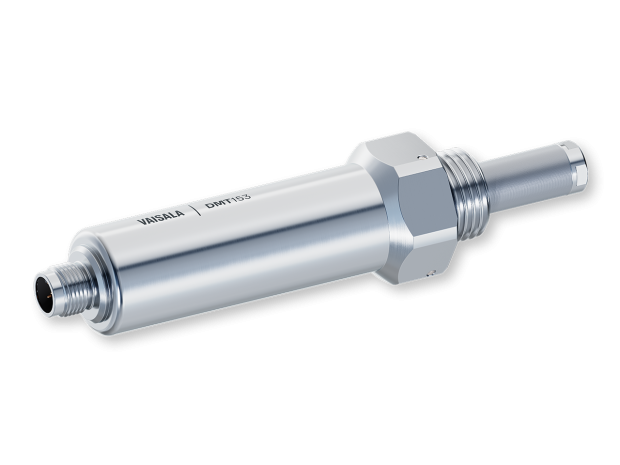
Dew Point Transmitter DMT153
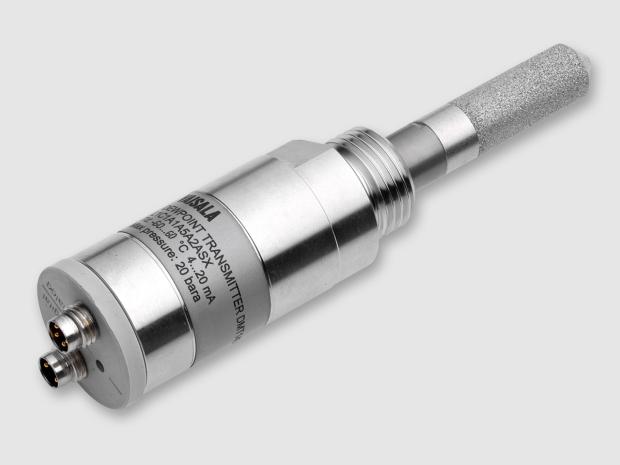
Miniature Dew Point Transmitters DMT143 & DMT143L (Long)
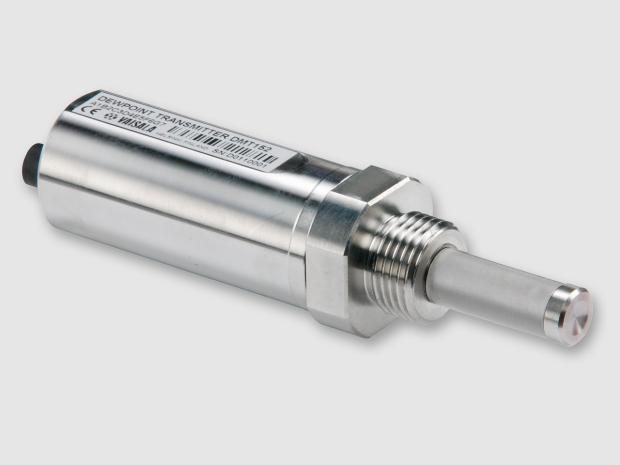
Dew Point Transmitter DMT152
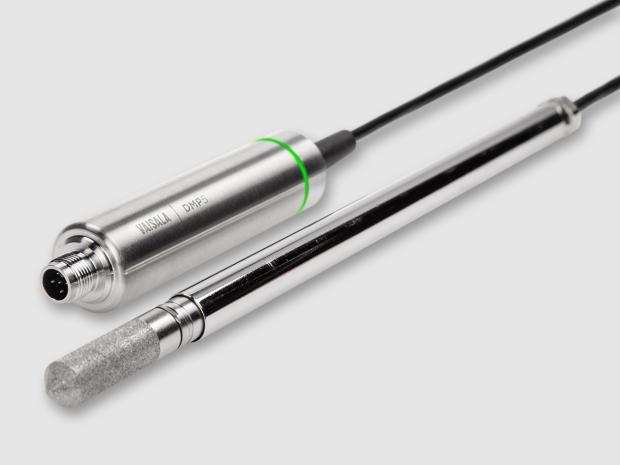
Dew Point and Temperature Probe DMP5
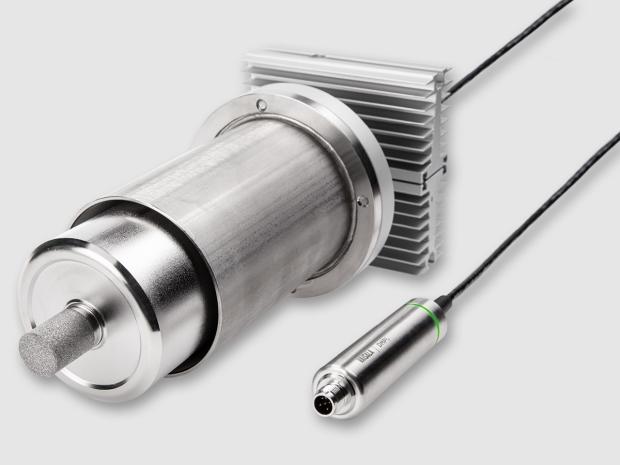
Dew Point Probe DMP6
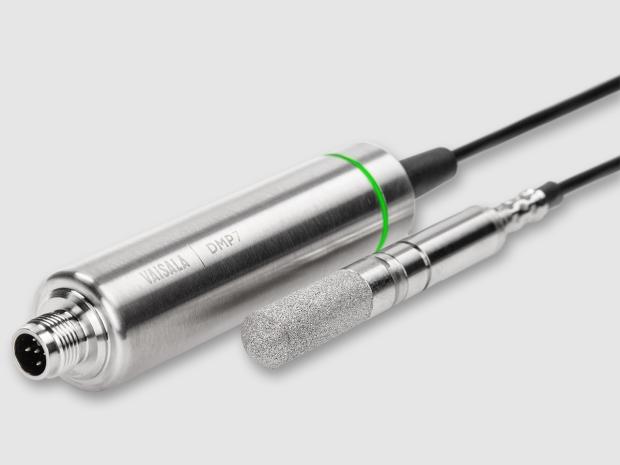
Dew Point and Temperature Probe DMP7
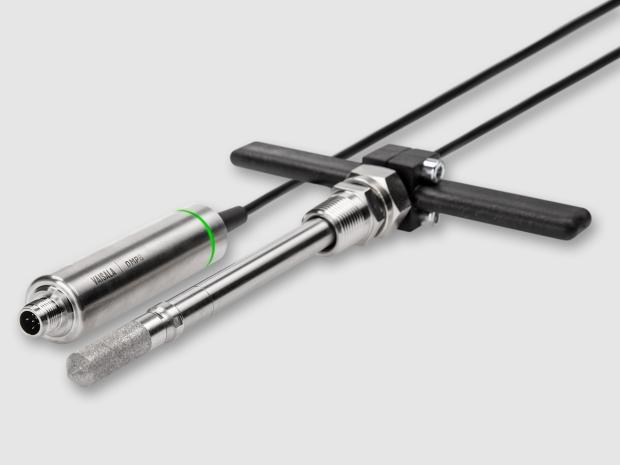
Dew Point and Temperature Probe DMP8
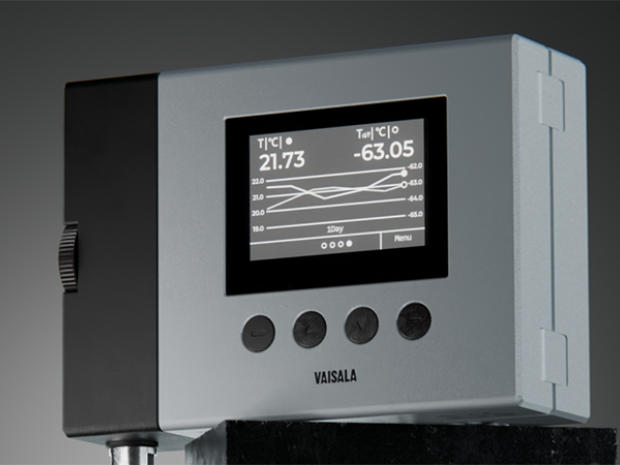
DMP370 Intrinsically Safe Dew Point Instrument
Critical dew point measurements?
Ensure accuracy, stability, and reliability in demanding dew point applications.
Talk to our experts today.


