What is the maximum process pressure for Vaisala’s process refractometers?
Can I measure hot sulphuric acid?
What is the maximum condensate consumption with our recommended wash times in green liquor application?
These are some of the questions we have received previously and will answer in this webinar. Have a question? Enroll in the webinar.
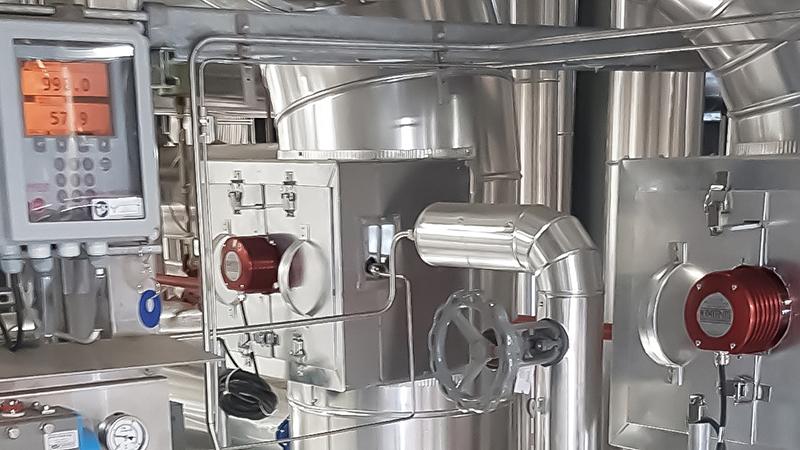
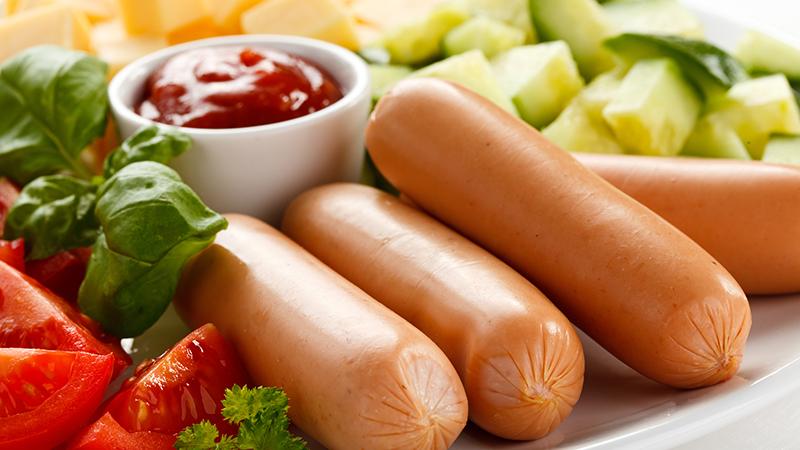
A sneak peek behind the production of barbecue specials - sausages, ketchup, and beer
As the dark nights recede and the days get longer and sunnier it’s time to turn our food-preparation attention from the kitchen to the garden. Grilling food outside and eating it in the sunshine somehow makes it taste even better than the same food cooked indoors. But not so fast – getting the sausages, ketchup, and that perfectly chilled bottle of beer ready for our summer feasts takes time and a great deal of accurate measurement technology. Let’s take a break from dreaming of summer nights and al fresco dining to find out how food producers are ensuring the quality and consistency of our summer food and drink essentials.
Sizzling sausages on the grill - how are sausage casings made?
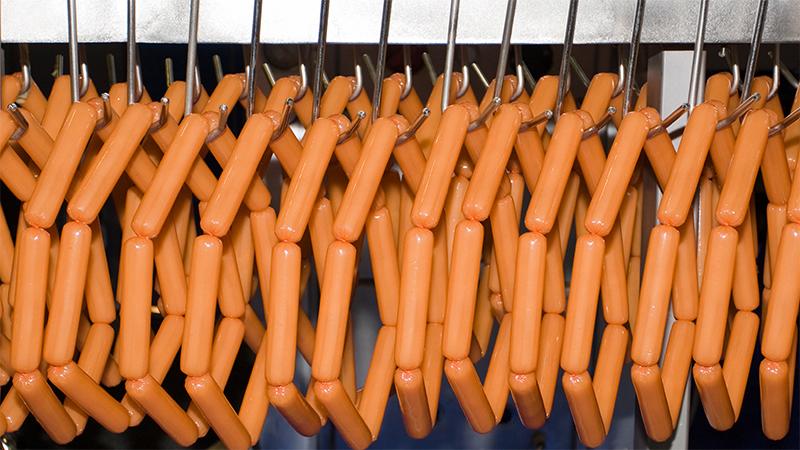
A fat, juicy sausage is the essential ingredient in a mouthwatering barbecued hot dog, so it’s no surprise that globally the demand for sausages is expected to grow by 4% a year until 2025. To accommodate this growing market, many manufacturers have switched to artificial casings, which make it easier to streamline sausage production and ensure delicious consistency from batch to batch. To remove the need for manual sampling and testing, in-line process refractometers can continuously monitor the artificial casing process, increasing process efficiency, and product uniformity.
Artificial casings are often turned into sausages using a process called co-extrusion, where the casing is created as the sausage is produced. The meat mixture and casing gel are simultaneously extruded and the gel is then coagulated through contact with a brine solution. The amount of water in the solution increases as the sausage passes through, diluting the brine. To ensure optimal product quality, color, and texture, fresh salt needs to be added to the brine to keep it at the desired concentration level – a refractometer can provide continuous, real-time information to help maintain this target level and ensure the resultant sausage skin is perfectly formed with the same high quality every time.
Refractometers provide a similar monitoring role in the production of cellulose sausage skins, ensuring the correct concentration of sodium hydroxide, which desulfurizes the cellulose fiber cloth that is used to create the casings.
A squirt of sauce on the side - what's the secret of tomato sauce consistency and taste?
You’ve got your sausage fresh off the grill – what do you need next? A big dollop of tasty ketchup. Ketchup, or tomato sauce, is one of the world’s most popular condiments and everyone has their favorite brand that makes it just the way they like it. It’s therefore essential to maintain the perfect balance of tomatoes, sugar, vinegar, water, salt, and seasoning in your recipe to keep your loyal consumers happy. To do this, our friend the refractometer is again on hand to provide consistent quality control by continuously monitoring concentrations throughout the production process, helping to keep the consistency perfect. Delicious!
And an ice-cold beer to quench your thirst - malt production and beer brewing monitoring
That’s the food sorted, but what will you have to drink? If you’re reaching for a beer it’s important to recognize the role accurate monitoring has played here too – put simply, better data leads to better beer and better data comes from continuous monitoring. The first step in the beer brewing process is the processing of malt grains to extract a substance called wort. Companies like Viking Malt which supply malt products to the brewing industry use continuous humidity monitoring to ensure the consistently high quality of their products while saving energy and improving profitability. High-quality beer depends on the use of high-quality malt and Viking Malt has found this is best achieved with a Vaisala Indigo 520 transmitter, Vaisala HMP 7 humidity probe, and a Vaisala TMP 1 temperature probe to avoid either over or under drying.
Once brewers have extracted the wort from the malt, they then ferment it using yeast, filter the resulting liquid, and bottle it. Refractometers throughout the brewing process enable process optimization, saving energy, reducing waste, lowering cost, and helping to deliver a top-quality drink that’s consistently the same in every bottle or can. Different process conditions have different requirements, so Vaisala sanitary refractometers are supplied factory calibrated, taking the specific brewery conditions into account.
The perfect recipe for summer
So this summer, when you’re outside enjoying sausages, ketchup, and a beer in the garden or on the terrace, raise a glass to the measurement technology that’s helped ensure the safety, consistency, and high product quality of your food and drink – all that’s missing now is the sunshine!
Interested about technology and measurement solutions for food industry?
Can food production help alleviate the climate crisis? Will vertical and urban farming change our landscape? Could vat-grown meat make food crises a thing of the past? What will we eat on Mars?
Join us for an intensively visionary panel discussion!
Traditionally, sausage skins were made from the small intestine of meat animals, especially pigs, but also sheep, cattle and goats. These so-called natural casings have been utilized for centuries, but in recent decades artificial casings have become popular in many markets. Artificial casings include collagen (often derived from animal skin), cellulose (from plant materials), plastic, and more recently alginate (from seaweed).
The growth in artificial casings has been prompted by a number of factors, including the high costs that result from the number of processes necessary to create the natural casing product. Also, natural casings tend to be variable in length, diameter and thickness, so it is more difficult to streamline sausage production, and the process incurs a heavier labour requirement. In contrast, continuous accurate monitoring of the artificial casing process removes the requirement for manual sampling and testing, and enhances both process efficiency and product uniformity.
Alginate casing
Alginate is found in the cell walls of brown algae which is a large group of multicellular algae, including many seaweeds located in colder Northern Hemisphere waters. An important feature of alginate is its ability to hold many times its own weight in water, making it a naturally gelling substance.
As a film-forming natural polymer, alginate can be used as a casing for sausages through its gel formation with calcium ions. During the production process, meat mixture is extruded to form the sausage, and a layer of sodium alginate is simultaneously applied (co-extruded) to the outer surface, before a calcium chloride brine solution is used to for dehydration and to induce gel formation. This creates a layer of calcium alginate film on the sausage, which provides the strength and flexibility required in a sausage casing.
The salt content in the brine solution is very important and needs to be closely monitored because it affects the color, texture and overall quality of the sausage.
The main advantages of co-extrusion over natural casings are:
• Lower purchase cost
• Ideal for automation
• Low labour requirement
• Product consistency
• Flexibility – can be used for many different types and size of sausages
• Stored as alginate powder, so no refrigerated storage necessary
• Speed and throughput
• Suitable for vegetarian, vegan and Halal (if alginate)
Monitoring alginate brine with in-line refractometers
The brine solution is stored in a brine tank, and spent brine is recycled to this same tank. Consequently, the brine is constantly diluted by the moisture that is removed from the casing gel. It is therefore necessary to monitor the salt solution so that the correct amounts of salt can be added to the brine solution. This function is performed by the Vaisala refractometer which monitors the salt content in real-time.
There are two possible locations for the refractometers; directly in the brine tank itself, and a second refractometer can be installed in the salt supply tank.
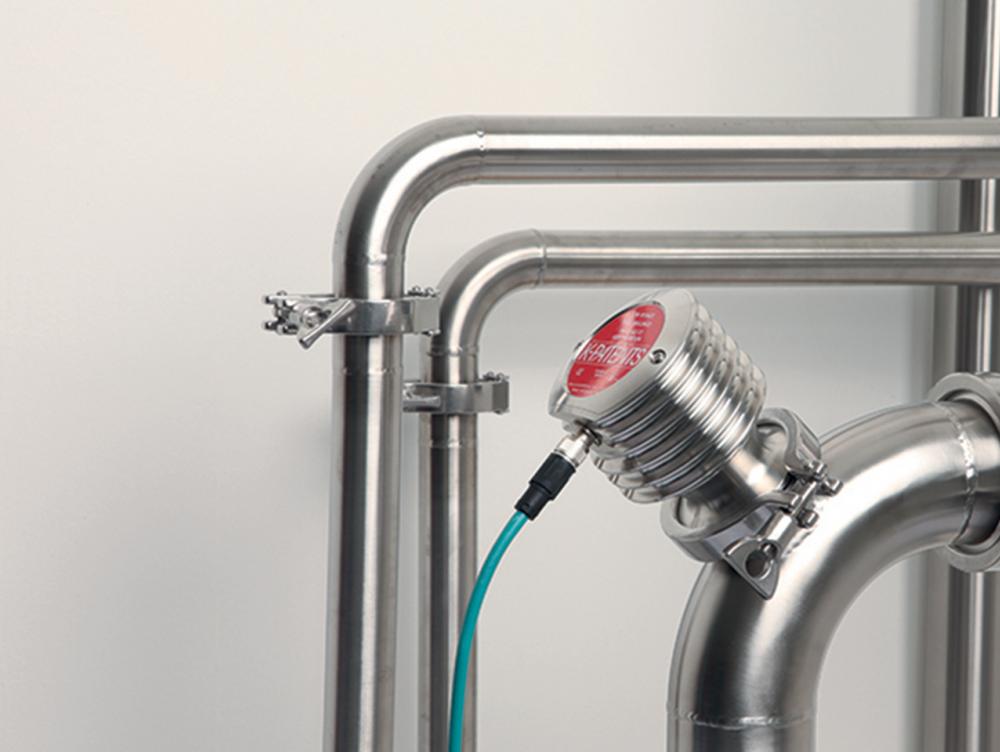
The Vaisala refractometer measures the refractive index (RI) of the liquid, which correlates directly with the salt concentration of the brine solution. In-line RI monitoring with automatic feedback control enables process operators to ensure consistent and reliable operations; thereby protecting product quality and reducing downtime. In contrast with many other liquid concentration methods, the Vaisala refractometer is extremely accurate and reliable and needs no regular maintenance. Importantly, these refractometers are not affected by particles, bubbles, crystals or color, so they can be employed in a wide variety of solutions for measuring liquid concentration. The Vaisala K-PATENTS refractometers are also 3-A Sanitary Standards and EHEDG certified, which is essential for food processing equipment.
The refractometers produce mA and Ethernet output signals that allow automatic operation of the process. Moreover, the refractometers can be calibrated to read the concentration of NaOH in g/L, wt-% or any other engineering unit preferred by the factory.
Co-extrusion with collagen gel
In addition to alginate gel, it is also possible to use collagen gels in sausage manufacture. Collagen casing is largely derived from beef and pig hides, but it offers most of the speed and efficiency advantages presented by alginate gels.
After co-extrusion with collagen gel, sausages are passed through a brine solution in a similar manner to the alginate gel process. Vaisala refractometers are able to continuously monitor the process as outlined above, to ensure that the correct salt concentration is maintained and product quality is protected.
Emphasizing the importance of the brine measurement, a sausage manufacturer in the USA said: “We treat co-extruded sausage casing with dipotassium phosphate to control the moisture, which directly affects the color and texture of the final product. Too much moisture in the casing makes the sausage too dark and the texture too chewy, while too little means the sausage will be too light and the texture too soft. The Vaisala K-PATENTS® refractometer helps to keep the moisture at the specified level, ensuring a standardized end product.”
Cellulose sausage casing
Vaisala refractometers are also used in cellulose sausage casing processes. In this application a cellulose fiber cloth is used to create the sausage casing, but first the cloth is desulfurized by passing it through a Sodium Hydroxide (NaOH) bath. Also known as caustic soda, this solution is supplied from a tank, and spent caustic is returned to this tank. Consequently, the NaOH concentration needs to be replenished because caustic is lost in the cloth during the impregnation process. A Vaisala refractometer is therefore employed, in a similar manner to the alginate and collagen applications above, to continuously monitor (in this case) the NaOH concentration and ensure accurate replenishment.
Summary
In-line refractometry is the ideal technology for controlling the artificial sausage casing process. By providing continuous data, refractometers enable sausage manufacturers to control many of the key product quality features.
Unaffected by particles, bubbles or color, the same technology is used for monitoring liquids in a wide range of other industries including semiconductor, chemical and refining, pulp and paper, textiles, pharmaceutical, brewing, beverages and of course food.
The popularity of cellulose and alginate casings is growing as manufacturers look for ways to lower costs, expand production and improve consistency whilst improving product quality, process efficiency, speed and flexibility. However, in order to take advantage of these benefits it is necessary to be able to continuously measure process liquids with a technology that is accurate, reliable and able to operate in challenging conditions. The Vaisala K-PATENTS refractometers meet that requirement and therefore help to meet the world’s growing passion for high quality sausages.
Every day we hear global politicians saying that their decisions are “led by science” and the public is increasingly aware of the ways in which science affects all walks of life. In the following article we will focus on how science is driving the food and beverage industry, and in particular, how Vaisala’s technologies are helping to optimize sustainable food production.
It’s easy to understand that art plays an important role in the food and beverage industry; creativity and imagination are essential in packaging and advertising, as well as in product development. At Vaisala, however, we believe that science plays the dominant role: development of measurement technologies; helping with product formulation; optimizing processes; protecting safety; ensuring quality; enabling product consistency; and empowering sustainability. Looking forward, how will science help the industry overcome its latest challenges?
The challenges
According to the FAO (1), nearly one in three people in the world (2.37 billion) did not have access to adequate food in 2020. The worst affected countries were in Africa and Asia – and at a time when the main food-related challenges in some countries were obesity and food waste. Food security, nutrition and accessibility all present growing challenges.
Water scarcity can be defined as insufficient fresh water to meet normal requirements. It can be caused by climate change (drought), water contamination, excessive or inefficient water use, or by insufficient or failing water infrastructure. According to the United Nations (2), without adaptive measures, the number of people who lack sufficient water for at least one month per year will soar from 3.6 billion today to more than 5 billion by 2050. Again, there is a growing pressure for better efficiency and less waste.
Climate change is threatening crops which can be wiped out by drought, floods, hurricanes etc. According to the UN Office for Disaster Risk Reduction (3), climate-related disasters have almost doubled compared to the previous 20 years. Greater resilience is therefore required in our agricultural systems.
A limited shelf-life for many products imposes extra risk for the food and beverage industry, and makes it more vulnerable to supply chain problems. Therefore, there is a strong demand for measures to improve resilience and protect business continuity. Coupled with cost and sustainability issues, supply chains need to be short, fast, safe, and traceable. As well as sustainable products, consumers are also looking for better packaging, with less reliance on plastics.
Consumer demand for safe, healthy, nutritious food continues to grow. Manufacturers are therefore under growing pressure to provide better information on labelling; especially for ingredients with health considerations such as sugar, salt, and calorific content. Consumers are also increasingly looking for products with a low carbon footprint, and this is driving the growth in meat alternatives, for example. Carbon footprint information is being requested by retailers; frequently this now includes Scope 3 emissions, which are those that arise outside of their own operations.
With global energy and food prices soaring, food and beverage manufacturers are experiencing both environmental and financial pressures to improve energy efficiency, reduce waste and increase the use of renewable energy – wind, solar and biogas.
Science at Vaisala
Science is offering solutions to all the challenges outlined above, and Vaisala is actively involved in many of them. For example, Vaisala is the world’s leading manufacturer of meteorological equipment; enabling scientists to track climate change and extreme weather. In addition, Vaisala’s industrial measurement instruments enable better management of food and beverage processes, which:
improves efficiency
enhances and protects product consistency and quality
reduces energy consumption
reduces waste
lowers costs
improves the sustainability of the industry and helps in the fight against climate change
Vaisala technologies are employed extensively in the food and beverage industry, and many examples are given below, but in comparison with Vaisala’s global reputation in the meteorological business, the company is less well known – and may be one of the food and beverage industry’s best kept secrets, but most powerful assets.
The Vaisala brand is dictated by the company’s mission to provide observations for a better world through innovation that is driven by four key values:
Customer focus – providing measurement solutions to meet customers' needs
Collaboration – with partners, stakeholders and the global scientific community
Integrity – honesty, diversity, respect, reliability and sustainability
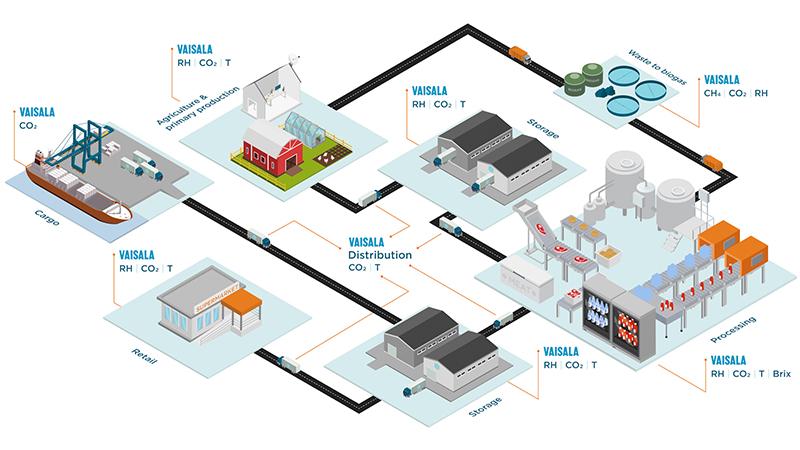
In the food and beverage industry, Vaisala products are utilized at every stage of the value chain; from agriculture, to processing, to storage, to distribution, to retail, and to waste management.
Vaisala technologies
With accuracy and long-term reliability as pre-requisites in all Vaisala development programs, the company’s products have established an enviable worldwide reputation, and now boast installations on more than one planet! Humidity and pressure sensors from Vaisala are currently operating in every continent on Earth, as well as on Mars in NASA’s Curiosity and Perseverance rovers.
Relative Humidity (RH)
Some of Vaisala's core technologies include measurement methods that are commonly regarded as industry standards. For example, humidity is one of the most common measurements undertaken in almost every industry. In 1973 Vaisala developed the world’s first thin-film polymer-based capacitive humidity sensor, HUMICAP®, which dramatically improved the accuracy and reliability of measurements, with major advantages including long-term stability and insensitivity to condensation, dirt and most chemicals. As a consequence, Vaisala humidity probes are routinely employed in food processes such as drying, cooking, baking etc. The applications for humidity measurements are almost endless; partly because excessive moisture in food can cause spoilage.
Carbon Dioxide (CO2)
Carbon dioxide is used by plants to grow by photosynthesis, so it is common practice for horticulturists to raise greenhouse CO2 levels to boost production. CO2 is also used in carbonated beverages and in the manufacturing facilities of perishable foods, and all of these processes require tight control, so they are ideal applications for Vaisala’s sensor technology.
The Vaisala CARBOCAP® carbon dioxide sensor features an innovative micro-machined, electrically tunable Fabry-Perot Interferometer (FPI) filter which enables a reference measurement that compensates for any potential changes in light source intensity, as well as for contamination or dirt accumulation in the optical path. Consequently, the CARBOCAP® sensor is highly stable over time, which means that operators do not have to worry about calibration drift or sensor failure.
Refractometry
Refractometry is a well-known method for measuring sugar content in products such as beverages and fruit products, but the inline Vaisala Polaris™ Sanitary Refractometers are routinely utilized in countless food and beverage applications for process monitoring and control. For example, Brix and dry solids measurement are widely used in food and beverage production processes.
In contrast with many other liquid concentration methods, the Vaisala refractometer is not affected by particles, bubbles, crystals or color, so these instruments can be employed in a wide variety of solutions for liquid identification and for monitoring the concentration of components. Importantly, the Vaisala refractometer is EHEDG and 3-A certified - these sanitary Standards protect hygiene in the production and processing of food.
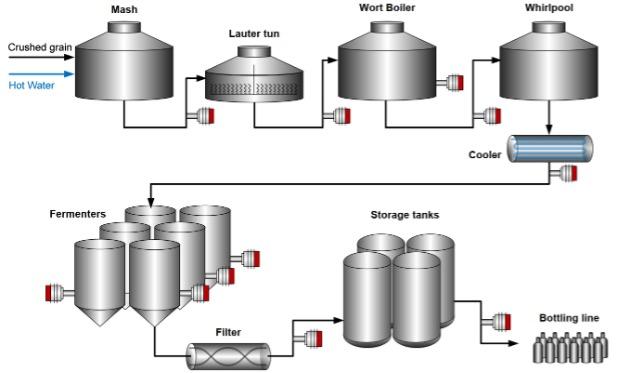
Application examples for Vaisala in-line refractometers are given in the table opposite, but their versatility is demonstrated clearly by their involvement in every stage of the beer brewing process:
Mashing - measuring the concentration of the mash in water at the outlet pipe.
Lautering - measuring concentration to detect the appropriate shut-off point for rinsing.
Wort Boiling - continuous measurements of wort strength/gravity allowing the brewer to determine exactly when the wort has reached the required strength.
Whirlpooling – monitoring before and/or after the whirlpool to ensure that solids are removed quickly and effectively to produce a clear, bitter wort.
Cooling - ensuring that the bitter wort contains the correct level of dissolved solids before fermentation.
Fermentation - providing brewers with real-time insights into the process, and allowing them to accurately determine when fermentation is complete.
Filtration and maturation – quality control during the removal of yeast.
Filling and CIP - continuous monitoring of the filling and CIP processes enables automation, reduces wastage and lowers costs and energy use.
Biogas
Globally, there is an enormous focus on renewable energy and greenhouse gas emissions reduction, as countries and organizations seek to achieve Net Zero. Biogas offers an opportunity to utilize waste products from agriculture and food production, and also displace fossil fuels as an energy source. In addition, biogas processes produce digestate, which is a nutrient-rich fertilizer that can complete the circular economy in food production. In addition, biogas can generate electricity for use domestically and on farms.
Vaisala has developed technology to enable biogas process optimization. Uniquely, Vaisala’s multigas probes are able to monitor biogas inline and in real-time, which allows operators to improve the quality of biogas, lower costs and improve process efficiency. This final example demonstrates how Vaisala is involved in every stage of the food cycle, from food production all the way through to the anaerobic digestion of food waste.
Summary
Science can be defined as the pursuit and application of knowledge and understanding, following a systematic methodology based on evidence. At Vaisala, food is all about the science; measurement data from our instruments inform decisions and enable efficiency optimization. Science at Vaisala is driven by curiosity; with 14% of net sales invested in research and development, the company has a longstanding commitment to innovation. The food and beverage Industry has benefited enormously from the technologies that Vaisala has already developed, but for the company’s scientists, the greater source of excitement is the technology that has yet to be unveiled...