
Surface weather observations
YEARS OF PROVEN WEATHER MEASUREMENT TECHNOLOGY
VAISALA SURFACE WEATHER SOLUTIONS DEPLOYED ACROSS THE GLOBE
COUNTRIES SERVED

Comprehensive data to verify climatological and forecasting models
Standalone? Yes. Integrated? Yes.
Vaisala’s surface weather solutions are seamless, plug-and-play designs that are easy and affordable to implement. They are also designed to be mixed and matched. In many cases a single instrument can provide automatic weather data for many applications.
Vaisala environmental measurement technology is used by tens of thousands of customers around the world — from extreme cold to sweltering, high-humidity conditions (and, yes, even outer space.) Our systems are known and trusted across the globe. Vaisala solutions comply with WMO guidelines and sensor accuracy is traceable to Vaisala factory calibrations, as well as optional accredited calibrations.

More than meets the eye
Learn how Vaisala’s solutions and guidance incorporate modern technology to adapt to evolving surface weather observations. Accomplish more tasks with less hardware, leverage the cloud, and embrace new practices such as IoT and edge computing — all while maintaining first-class reliability and accuracy.
Products and systems
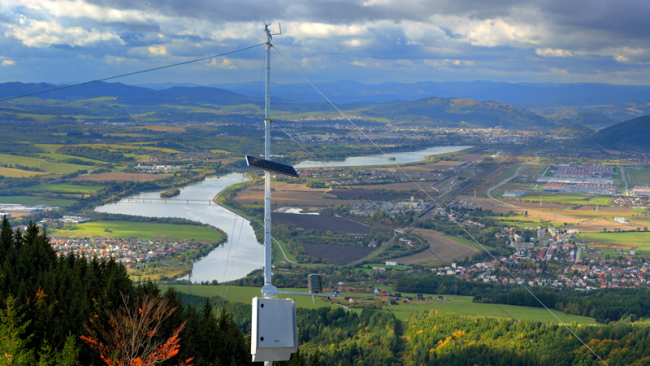
Automatic Weather Station AWS810
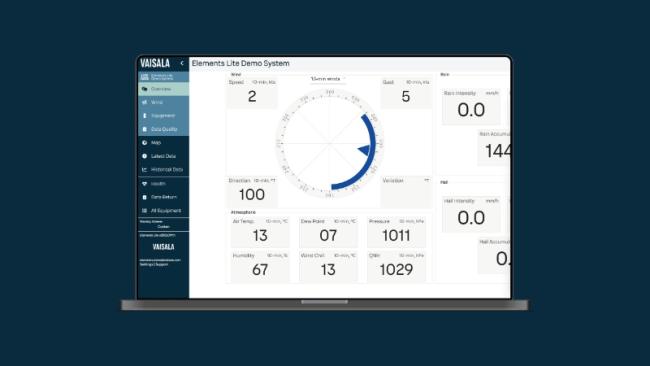
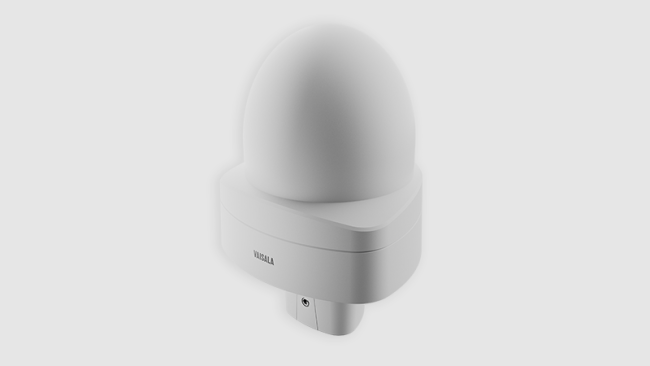
Weather & Environmental Sensors
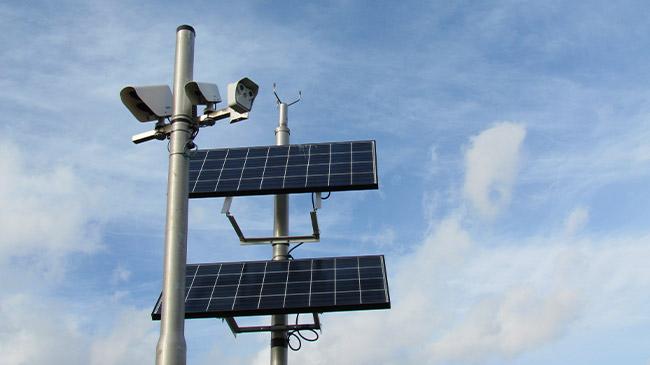
Road and Runway Weather Station RWS200
Make confident road and runway management decisions by accessing this weather station's reliable weather data.
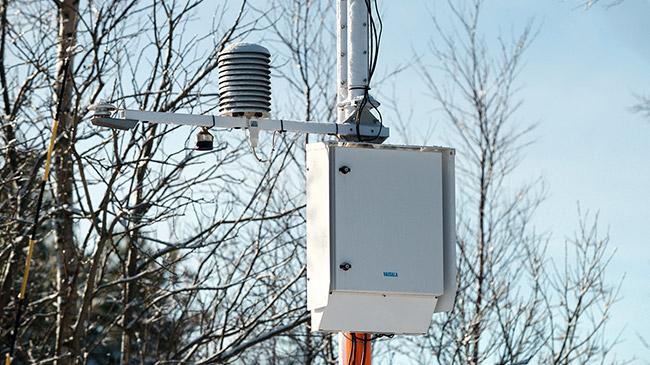
Automatic Weather Station AWS310
"Set and forget" this automatic weather station solution for long-term and short-term forecasts, and for reliable measurements of developing severe weather.
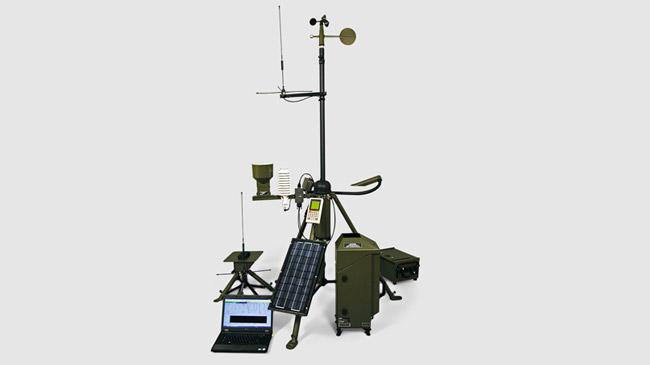
TacMet & HydroMet Weather Stations MAWS201
Cost-effective, quickly deployable, and portable automatic weather stations.
Product documentation
Resources
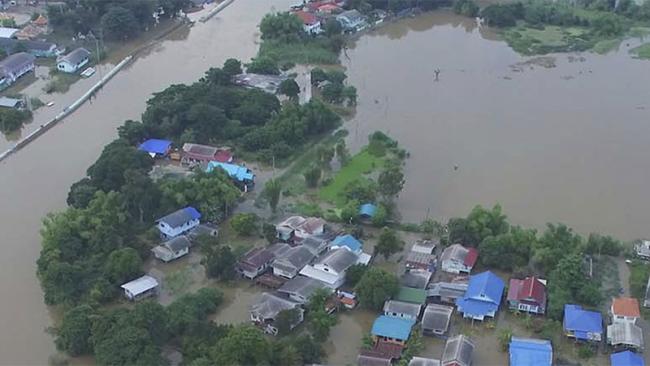

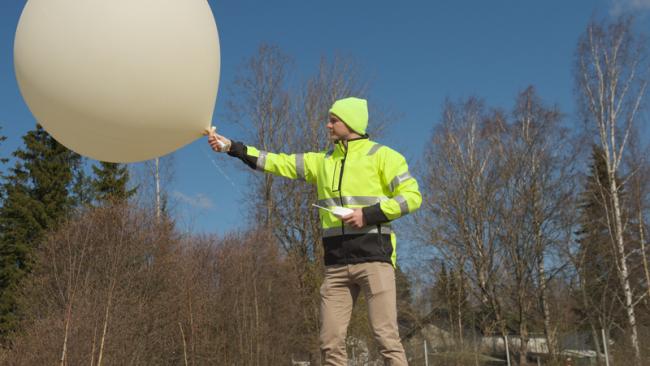
Evolving surface weather observations to enhance weather sensors and systems
Edge computing
Allows advanced data processing at or near the source of the data itself, rather than transmitting the data to a datacenter or cloud first.Avoids latency and the need to queue the data within the larger IT ecosystem; also allows for more autonomous and efficient machine-to-machine communication (important for IoT).
Hybrid networking
Includes edge computing and a centralized management system operated through the cloud or on-premises. Provides flexibility, scalability, network security, and a robust common platform architecture
Optical observation instruments
New advanced types of sensors with evolved weather identification, quantification, analysis, and accuracy. Uses one sensor to replace older ones, such visibility and present weather detectors, disdrometers, freezing rain sensors, and rain gauges.
Smart-connected sensors
Provide enough processing power to handle more sophisticated functionalities, like device management, monitoring, and proactive alerts based on monitored parameters. Offer intelligent capabilities like automated diagnostics and software updates, reducing maintenance and extending service lives.
Cybersecurity resilience
Next-generation sensors and weather stations in which cybersecurity has been taken into account in the best possible way without any compromises. Connected sensors and weather stations are potential targets for random cyberattacks.


