
Wind assisted vessels:
The future of cleaner shipping
The maritime industry is undergoing one of its biggest transformations in decades as ship owners and operators seek practical ways to reduce fuel consumption and greenhouse gas emissions. Wind-assisted ship propulsion (WASP or WAPS) has emerged as one of the most promising technologies for improving vessel efficiency by harnessing wind as an additional source of propulsion alongside conventional engines.
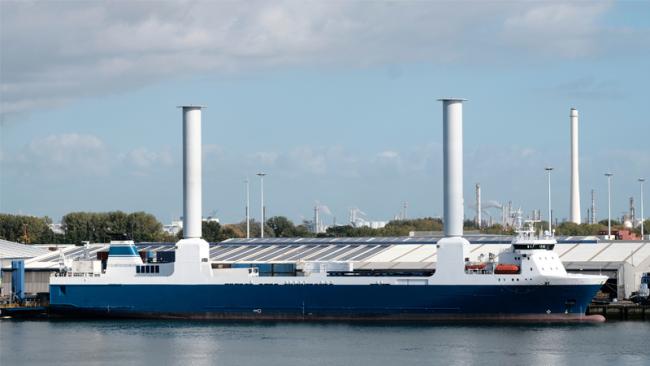
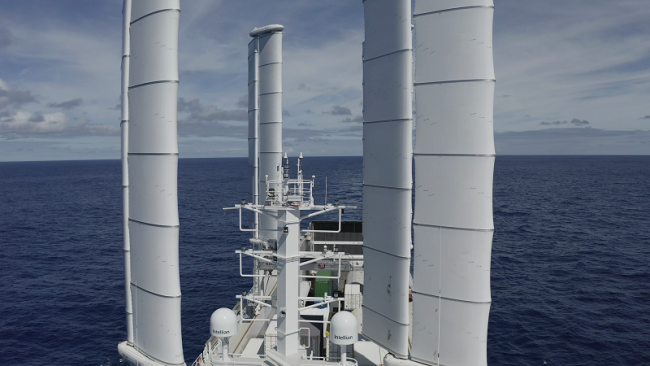
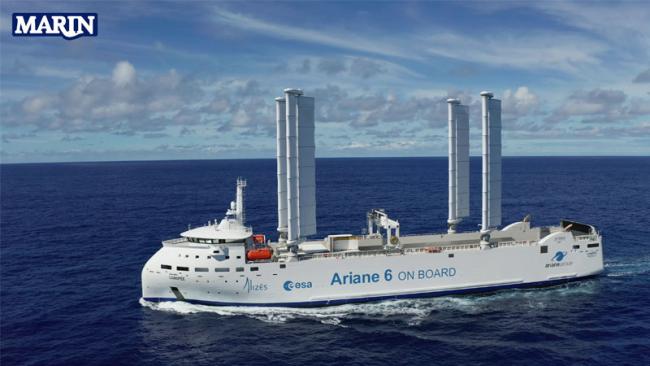
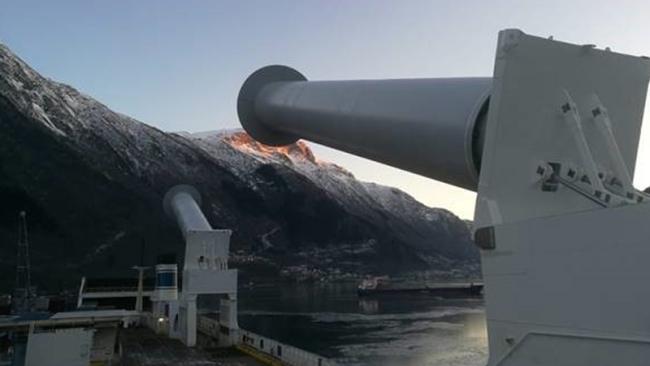
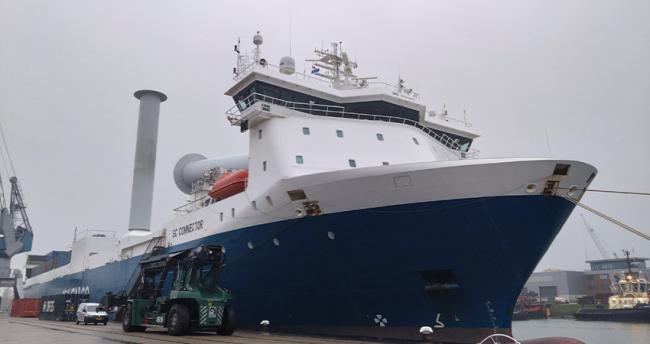
Unlike traditional sailing ships, modern wind-assisted propulsion systems use advanced technologies such as rotor sails (Flettner rotors), rigid wing sails, suction sails and kite systems to generate additional thrust. These systems complement existing propulsion rather than replace it, helping vessels reduce engine load whenever favorable wind conditions are available.
The growing adoption of wind-assisted propulsion is being driven by increasingly stringent environmental regulations, including the International Maritime Organization (IMO) greenhouse gas reduction targets, the Carbon Intensity Indicator (CII), the Energy Efficiency Existing Ship Index (EEXI) and the FuelEU Maritime regulation. Together, these initiatives encourage ship owners to invest in technologies that improve operational efficiency while lowering emissions.
Accurate wind measurements unlock the full potential of wind-assisted propulsion
To optimize sail performance, validate fuel savings, and provide reliable operational decision support, vessel crews and onboard automation systems need precise measurements of the wind conditions surrounding the ship—not just at the ship itself, but also ahead of the vessel where the wind data remains undisturbed.
Obtaining accurate wind measurements is challenging because ships operate in harsh, dynamic environments. Salt spray, icing, vibration and continuous vessel motion all affect measurement quality, while superstructures, funnels, cranes and the propulsion devices themselves can distort the airflow around the vessel. These effects may bias wind observations unless sensors are carefully positioned and measurement technologies are designed to compensate for the operating environment.

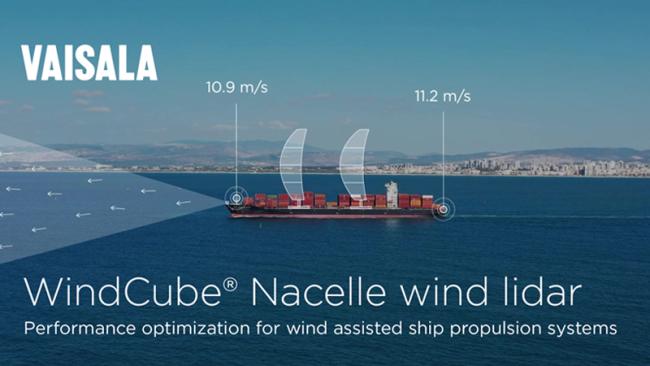
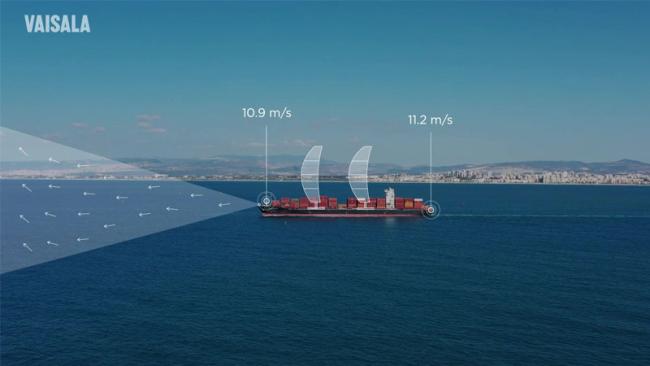
For this reason, modern wind-assisted vessels increasingly combine high-quality ultrasonic wind sensors and wind lidar. Ultrasonic wind sensors provide fast, reliable measurements of wind speed and direction for onboard wind observations, even in demanding marine conditions. Wind lidar complements these measurements by remotely observing the undisturbed wind field ahead of the vessel, reducing the influence of vessel-induced airflow distortion and providing a more representative picture of the available wind resource.

Together, these technologies support more accurate propulsion control, vessel performance optimization and weather-informed operational decision making.
Whether a vessel is equipped with rotor sails, wing sails, suction sails or another wind-assisted propulsion technology, reliable wind intelligence forms the foundation for maximizing propulsion performance, verifying fuel savings and achieving the full operational and environmental benefits of wind-assisted shipping.
Wind-assisted propulsion technologies and how Vaisala supports them
| Image | Wind propulsion technology | How it works | Why accurate wind measurements matter | Recommended Vaisala solution |
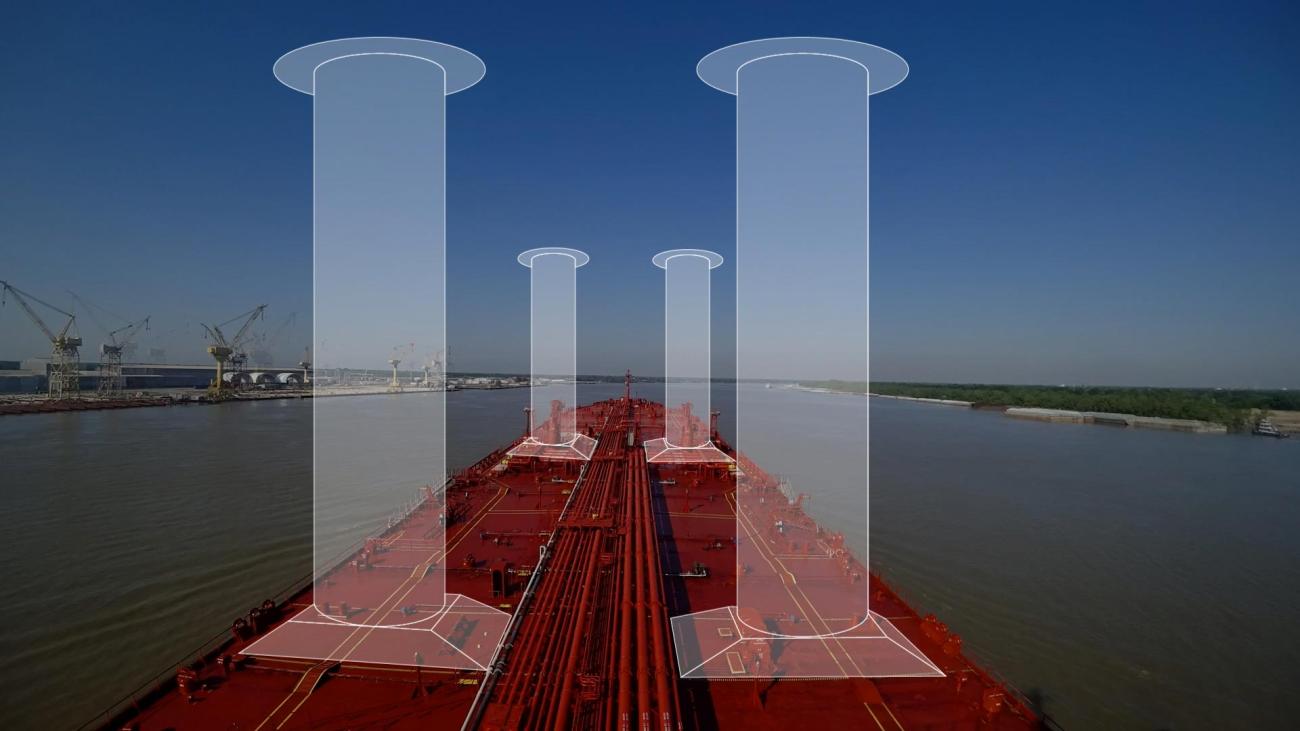
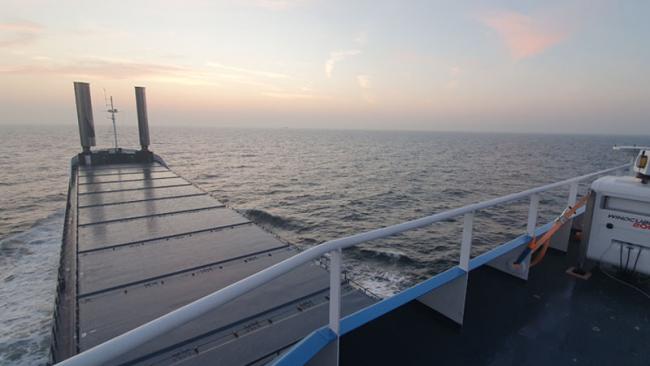
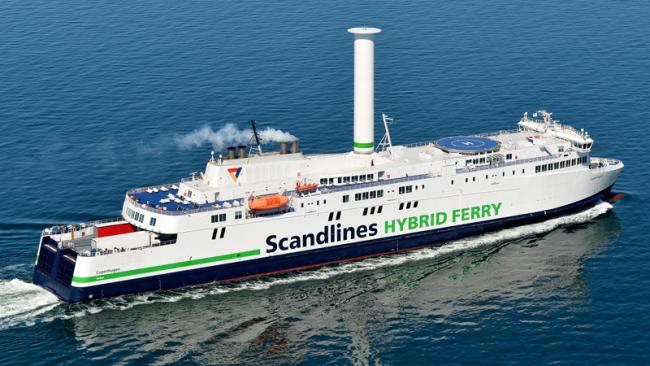
| Rotor sails (Flettner rotors) | Rotating cylinders generate thrust through the Magnus effect. | Maximize rotor performance, provide reliable wind data for control systems, validate fuel savings and support performance analysis. | WindCube® Nacelle wind lidar for measuring undisturbed wind approaching the rotor sail. Ultrasonic wind sensor for onboard wind observations. |
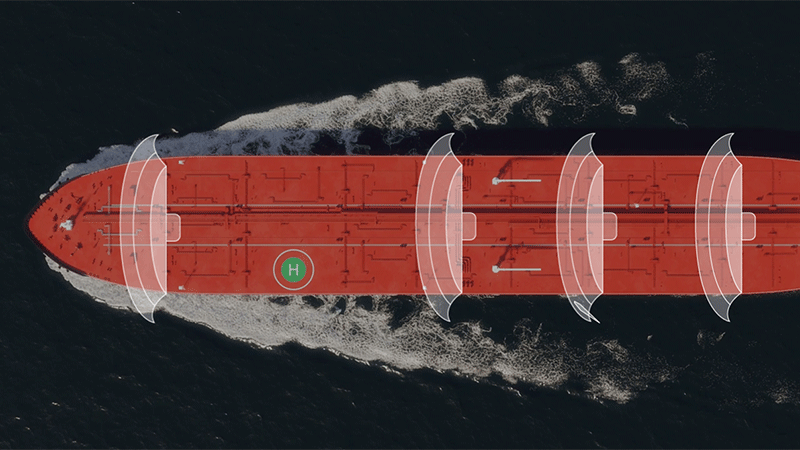
| Rigid wing sails | Aerodynamic wing-shaped sails generate lift similarly to an aircraft wing. | Optimize sail trim, improve automatic sail control and verify propulsion performance. | WindCube® Nacelle wind lidar for measuring approaching wind ahead of the wing sail. Ultrasonic wind sensor for continuous onboard wind monitoring. |
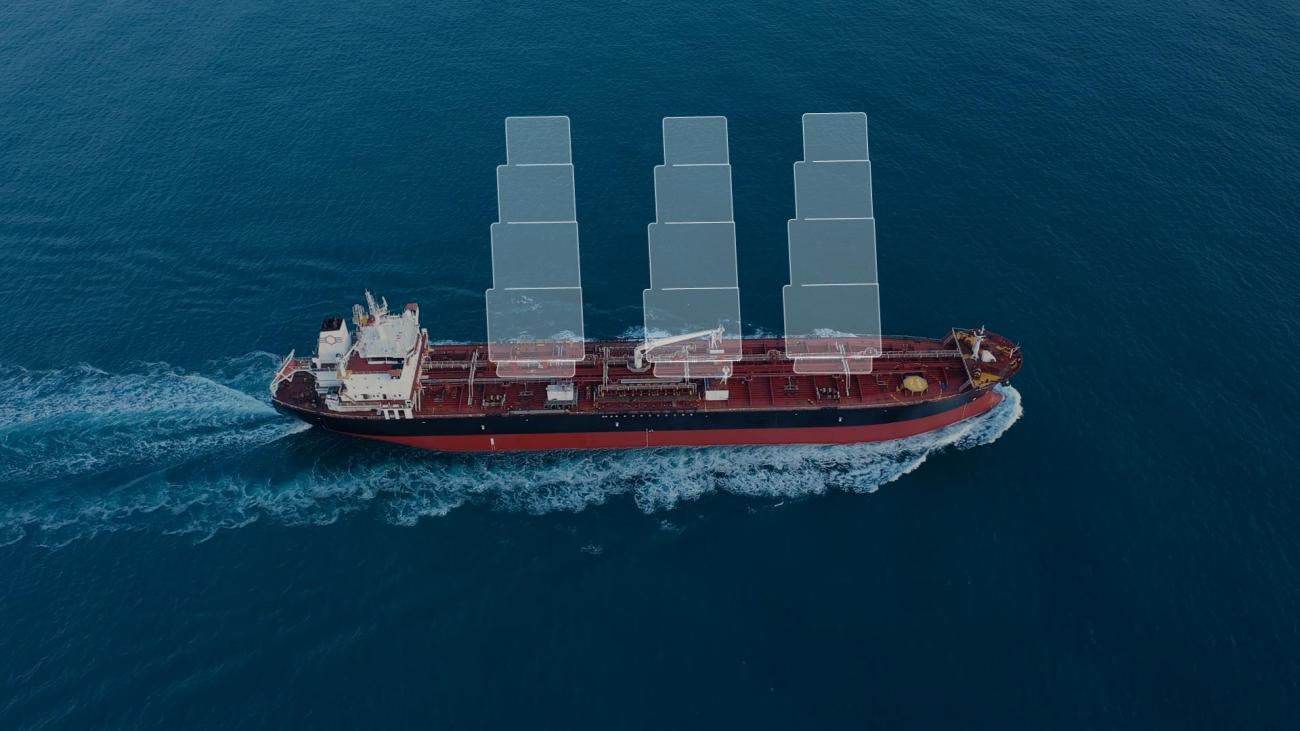
| Suction sails | Fans create additional lift over an aerodynamic sail profile. | Accurate wind speed and direction improve automatic sail control and maximize propulsion efficiency. | WindCube® Nacelle wind lidar to measure incoming airflow before it reaches the sail. Ultrasonic wind sensor for vessel wind observations. |
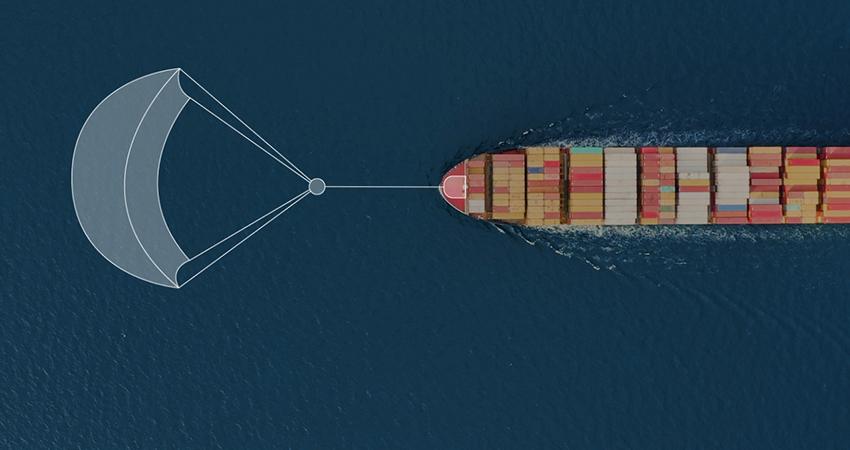
| Kite propulsion systems | Large towing kites capture stronger winds above the vessel to supplement propulsion. | Weather awareness and reliable wind observations support safe deployment, voyage planning and operational decision making. | Ultrasonic wind sensor for onboard wind observations. WindCube® Offshore wind lidar can complement vessel-level wind measurements to support operational awareness and propulsion optimization where applicable. |
Better wind data supports better decisions
Reliable wind observations provide value throughout the entire lifecycle of a wind-assisted propulsion project—from technology evaluation and vessel design to daily operations and long-term performance monitoring.
Sea trials and performance verification
Comparing measured vessel performance against expected savings using high-quality wind observations. In line with ISO 15016:2025 sea trial specifications, accurate wind lidar data helps correct for environmental conditions and validate the real performance impact of wind-assisted propulsion.
Dynamic and automated system optimization
Adjusting propulsion systems based on changing wind conditions to maximize fuel savings.
Route planning and navigation
Combining wind measurements with weather forecasts to identify more optimal routes and more favorable operating conditions.
Decision support
Helping crews understand changing wind conditions and make informed operational decisions during a voyage.
As wind-assisted propulsion becomes more widely adopted, accurate and reliable wind measurements are becoming an essential component of successful vessel operations—not only to improve efficiency, but also to build confidence in the performance and economic value of these emerging technologies.
Wind Assisted Propulsion products and services
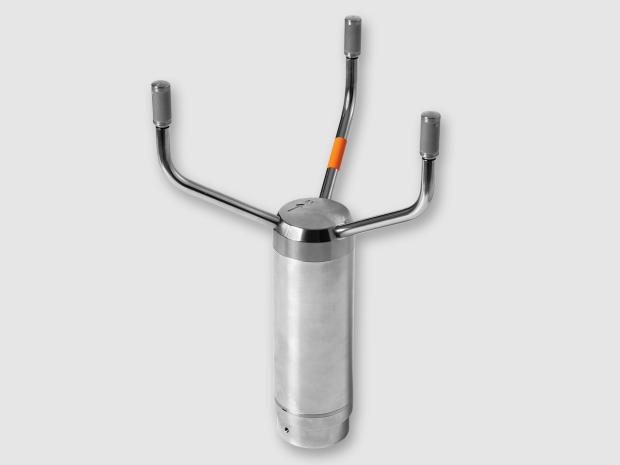
WINDCAP Ultrasonic Wind Sensor WMT700
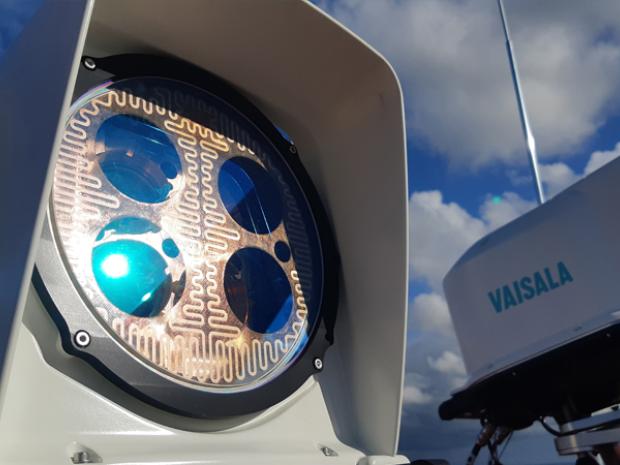
WindCube Nacelle for wind-assisted vessels

WindCube wind lidar for maritime
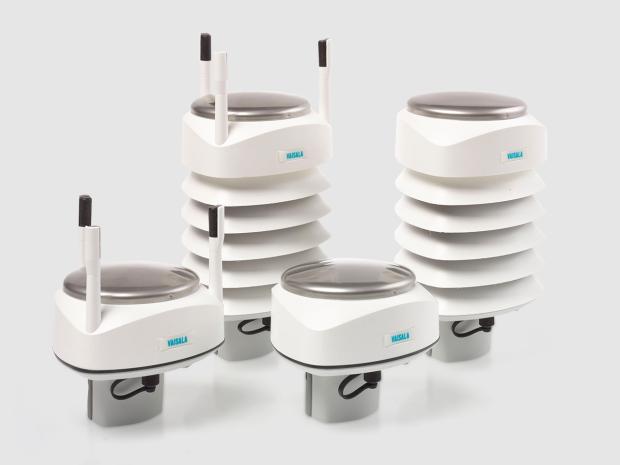
Weather Transmitter WXT530 Series
How remote wind monitoring optimizes wind-assisted vessels
Bring wind-assisted vessels to their full potential in the following three ways:
Refine system development
Collect accurate wind data with WindCube Offshore vertical profiling lidar, measuring up to 300m over 20 simultaneous heights.
Evaluate performance
WindCube Nacelle lidar offers accurate, verified wind data up to 700m at 20 simultaneous measurement distances.
Respond to changing conditions
Adopt a proactive posture with accurate safety alerts and quick reactions to changing wind using WindCube lidars.
Resouces



2024 survey analysis: Wind observation & optimization on WASP vessels
Our 2024 WASP survey, conducted in partnership with the International Windship Association (IWSA), offers fresh insights into the evolving challenges and opportunities in optimizing WASP systems.
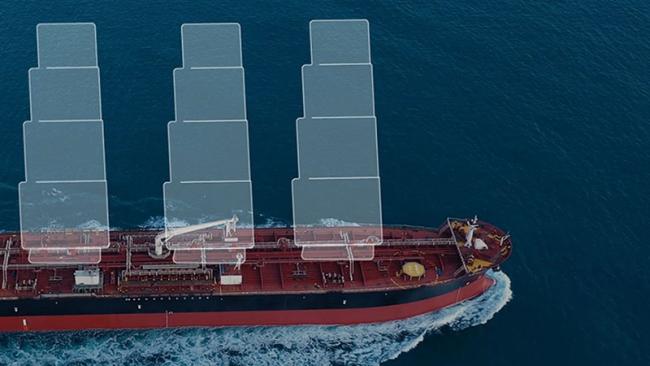
Customer cases
Wind and weather observation challenges? There's a better way
We’ll show you how to improve operations and safety with complete maritime weather and environmental monitoring systems. Our broad range of scalable solutions keeps you on task and costs down.
Let’s find the perfect solution for your needs.


