WindCube wind lidar for maritime

WindCube wind lidar for maritime

Elevate your operations with accurate and reliable wind measurements

Taming the wind

WindCube offshore


Seaports and maritime operations are no strangers to the challenges posed by severe weather conditions. Among these, wind has the greatest power to disrupt port and offshore operations and safety. From wind farm construction to wind-assisted ship propulsion, harnessing precise wind data holds the key to operational efficiency, safety, and sustainability.
The need for remote monitoring

WindCube offshore


Coastal maritime environments bring intricate wind dynamics — alternating sea and land breezes, windshear, and turbulence — and traditional anemometers often are not enough to capture the full wind field. This factor is becoming more evident with the increasing extreme weather events brought on by climate change. Vaisala’s remote wind monitoring technologies can accurately assess wind conditions across a vast operational area and predict conditions for the next 5–15 minutes.

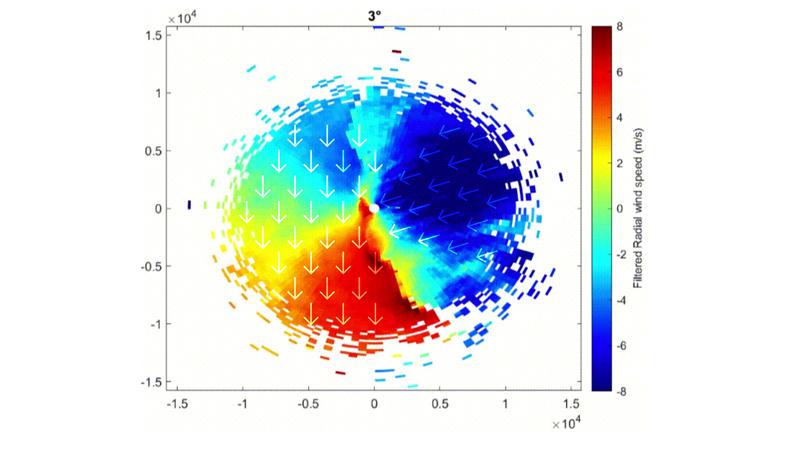
Unlike anemometers or single-location sensors, scanning lidar technology delivers precise 3D wind measurements covering extensive ranges, even beyond 18 km. With temporal and spatial resolutions that paint a detailed picture, lidar unveils wind's secrets through the Doppler principle.

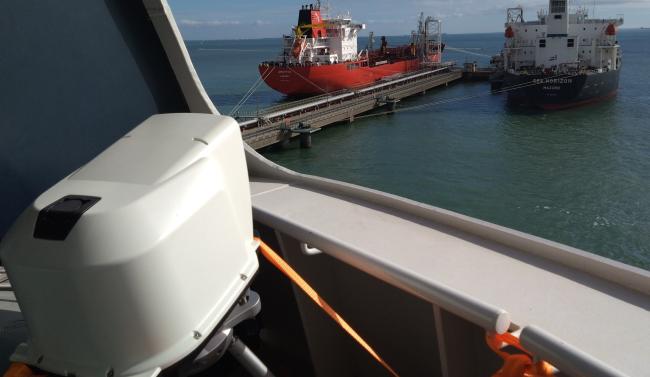
For wind-assisted ship propulsion (WASP), Vaisala’s remote wind monitoring technology delivers pristine, undisturbed wind data that is not affected by ship structures or the WASP system itself, ensuring optimal performance and energy efficiency.

Maritime use cases

Maritime scene
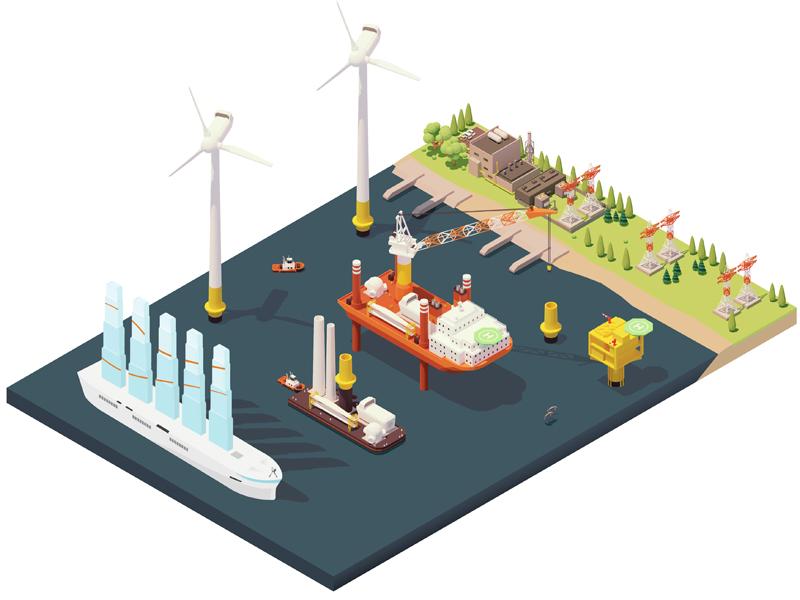
  1. Port and terminal operations 
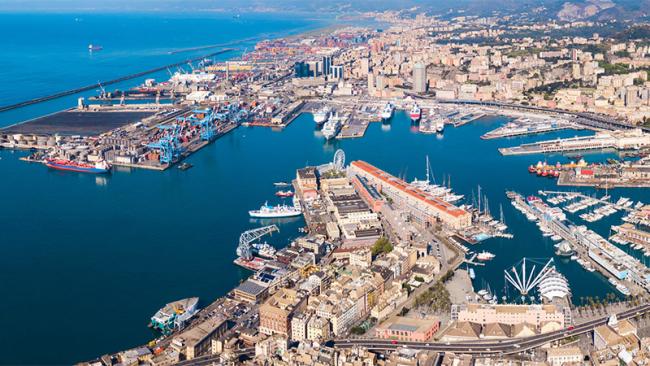
    Wind, a top weather challenge at ports, brings risks to infrastructure, operations, and safety. Empowered by wind insights, ports can make informed decisions, minimizing downtime and swiftly resuming operations post storms.
  2. Offshore wind farm construction, installation, and maintenance 
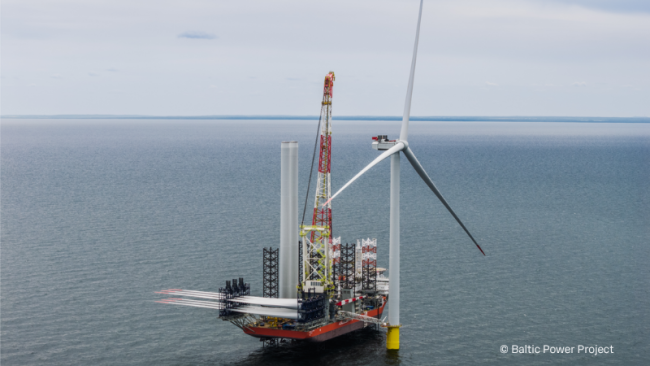
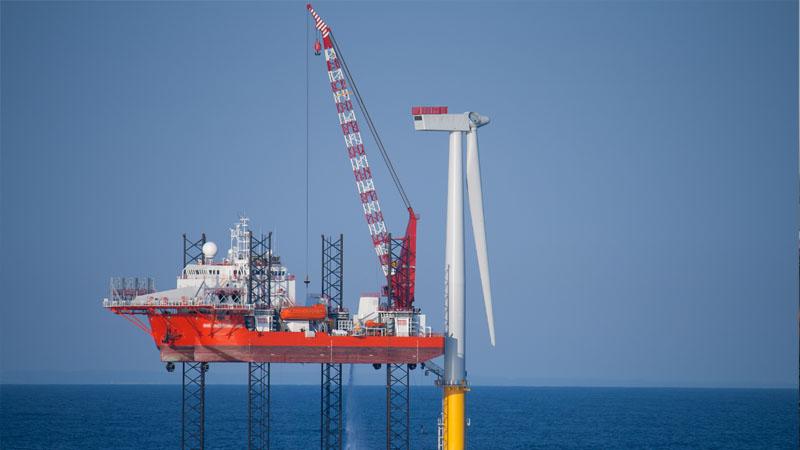
    Weather challenges plague offshore wind farms year-round, impacting construction, installation, and maintenance. Waiting on weather—WoW—adds costs and uncertainties. Compact remote wind sensing devices usher in a new era of safety and efficiency for crane operations and planning.
  3. Wind-Assisted Ship Propulsion 
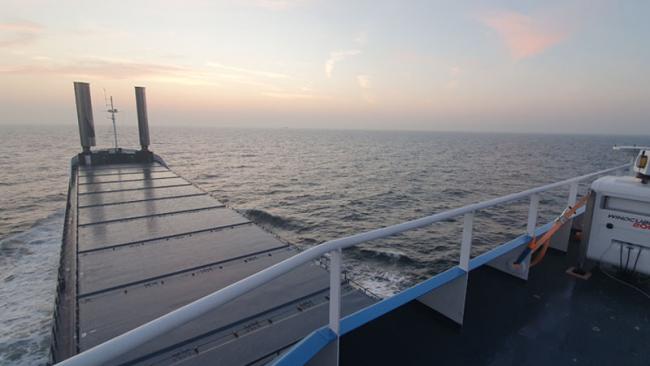
    As cleaner propulsion gains prominence, wind-assisted ship propulsion (WASP) technologies hold great promise. High-quality remote wind sensing technology is essential, maximizing wind utilization and power optimization.


WindCube: The gold standard

Wind measurement

WindCube is the gold standard for accurate wind measurements. With a reputation spanning decades, these third-party verified lidars enhance local weather forecasts and continuous observations. All WindCube lidars adhere to industry-specific IEC regulations, validated and developed to the highest standards. We stand ready to support evolving wind-assisted system classifications, including International Maritime Organization (IMO), DNV and Bureau Veritas.

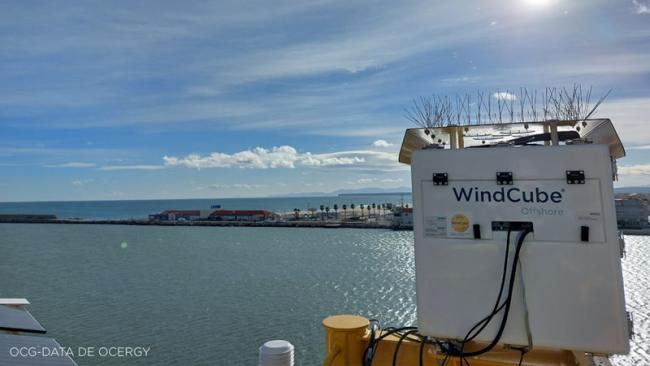
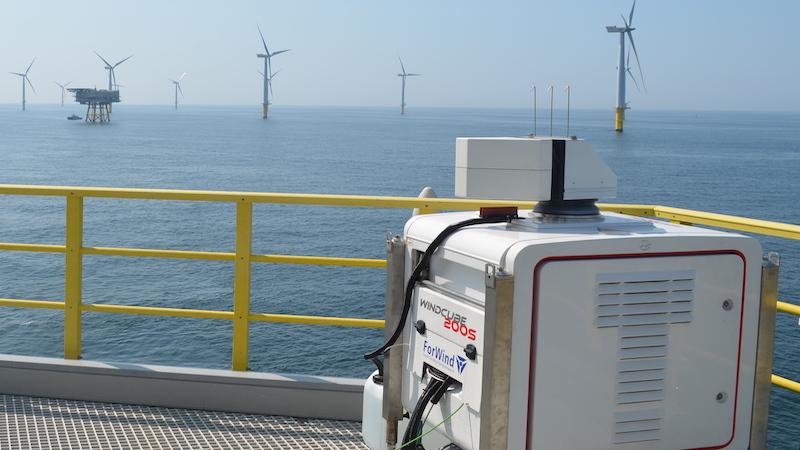
WindCube Offshore WindCube Offshore for Maritime] vertical profiling lidar provides accurate, reliable wind data aboard vessels to maintain safe and efficient crane lifting operations. Offshore or buoy versions provide accurate, local wind vertical profiling up to 300 m with 20 simultaneous heights measured per second and a 1 Hz refresh rate.

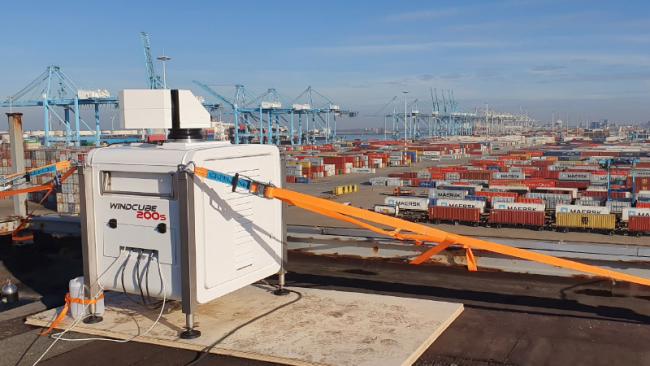
WindCube Scan Explore Edition long-range scanning lidar is the industry’s tool of choice for maximizing safety, efficiency, and operational continuity. Provides precise spatial wind data 360° at ranges extending beyond 18 km — the equivalent of thousands of anemometers.

WindCube Insights provides the power of real-time insights in a user-friendly, secure, cloud-based tool for one or many WindCube lidars, backed by global service and support.


WindCube lidar solutions for maritime

Success stories

WEA-Ports-in-a-Storm-Case-Study-image-800x450.jpg
Case

Ports in a storm: Safer and stronger

Seaports are vulnerable by nature, and often made worse by their locations in urban areas. See how a promising, multinational wind and weather analysis project with the University of Genoa is now underway to help ports be better prepared for storms — especially sudden winds.

Cargo ship on a stormy sea

Master the wind with WindCube

Contact us now to explore the industry’s most powerful, multi-use lidar technology. WindCube lidar helps maritime operations run safer with greater efficiency.

E-mail Facebook Twitter LinkedIn