Why sensors that can handle high temperatures are important for battery making




When producing lithium-ion batteries, cathode drying is a crucial step that requires precise control over moisture levels. Optimizing the drying process is essential to high-quality battery performance and longevity. An optimized process also saves energy and money.
Why sensors need to be able to handle high temperatures
Dew point and humidity sensors are essential in the cathode drying process because they measure the moisture content in the drying environment. This allows manufacturers to accurately minimize any residual moisture in the cathode material. Because cathode drying often occurs at high temperatures, it’s essential that the dew point and humidity sensors used are capable of withstanding these conditions.
Sensors that can tolerate high temperatures provide accurate real-time data on moisture levels even under extreme drying conditions. This allows manufacturers to fine-tune the drying process, preventing under or over-drying which could negatively affect battery quality and consistency. By preventing over-drying, temperature-resistant sensors also help reduce energy usage and prolong the lifespan of dryers by optimizing conditions and reducing wear and tear on equipment.
Ultimately, using dew point and humidity sensors that can tolerate the extreme temperatures used in cathode drying means manufacturers can safely produce batteries with optimal performance and a long lifespan – ensuring that they meet stringent quality standards while also improving operational efficiency.
What makes Vaisala sensors ideal for high-temperature processes?
Vaisala dew point and humidity sensors offer numerous benefits for high-temperature processes, where accurate and reliable moisture measurement is essential for ensuring product quality, process efficiency, and equipment longevity.
For example, Vaisala DMP5 sensors can withstand temperatures up to 180 °C. This makes them ideal for demanding industrial applications such as cathode drying in battery manufacturing, where temperature highs average around 150 °C. It is important to have a buffer range between the operating temperature and the maximum temperature of the sensor as sensors lose sensitivity the closer they get to their limit.
In cases where higher temperatures are used, Vaisala offers DMP6 sensors that can withstand temperatures up to 350 °C.
Vaisala dew point and humidity sensors are specifically designed to operate accurately in high-temperature environments, providing reliable readings without the need for additional cooling. This resilience enables precise monitoring directly within the process, which is particularly useful for maintaining optimal conditions in sensitive manufacturing steps.
You might have been told that sensors with less heat tolerance can be used by placing them further away from the exhaust gases. While this is true, the further away any sensor is located from the heat source, the longer it takes to get accurate readings – reducing your ability to control the process. You would be adjusting the temperature based on what happened, not on what is happening, potentially leading to wasted energy or a lower quality end product.
By providing real-time, accurate data, Vaisala dew point and humidity sensors help optimize drying and heating processes for battery making, reducing unnecessary energy use. This makes them beneficial not only from an environmental standpoint but also in terms of operational cost savings.
Watch the webinar or read the article to learn more about which Vaisala sensors are best suited to cathode drying.
More on the topic
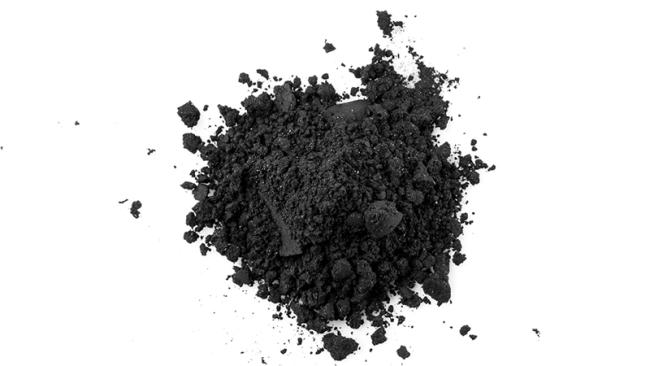
Efficient cathode drying in battery manufacturing
As battery manufacturers know, cathode drying is one of the most energy-intensive operations in battery manufacturing consuming up to approximately ~45 % of the total energy consumption in a dry room.
Join this webinar to learn how to optimize this processing step.
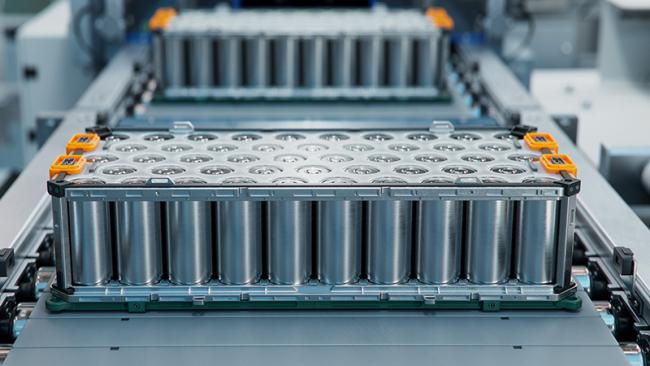
Why accurate dew point measurement is key to optimizing cathode drying and battery cell performance
The cathode is an essential element in lithium rechargeable batteries. If it is not managed properly cathode drying can be one of the costliest processes in battery manufacturing. If you want to achieve a more sustainable, cost-efficient, and safe end product then it is essential to optimize the drying process.


Accurate moisture and concentration measurements in battery manufacturing
Equip your dry room, glove box operations, and NMP solvent concentration monitoring with products that are designed to be operated in the most demanding environments.

Contact us
Interested to receive more information on a specific application or product? Drop us a line, and we'll get back to you!