Expert article
Smarter wastewater monitoring: How inline measurement enables real-time detection of product loss and organic overload
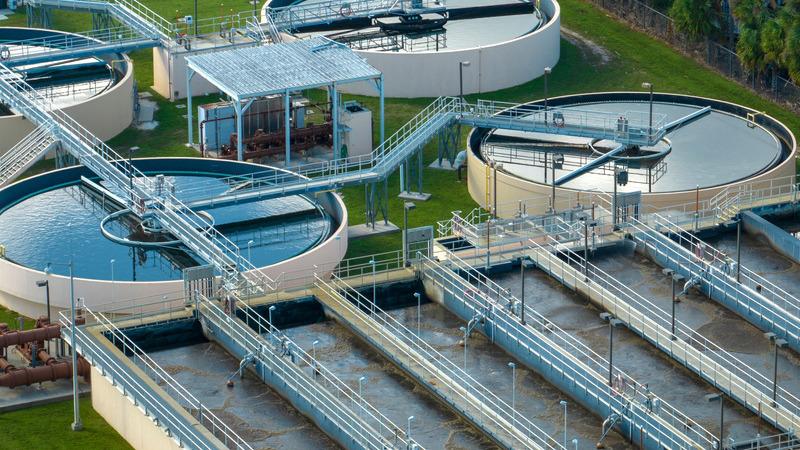



Industrial wastewater can be revealing – as well as showing whether wastewater content is compliant with environmental regulations, it can also show how efficiently a plant is running. Inline measurement gives producers accurate real-time information on wastewater content, helping to prevent product loss and organic overload.
Why is wastewater monitoring important?
The food and beverage industries consume large amounts of water and generate wastewater with a high organic load, including oils and fats, sugars, alcohols, and proteins. Strict regulations control the release of these organic pollutants into the environment. This is because they contribute to wastewater having a higher level of total dissolved solids (TDS) and correlate closely with higher chemical oxygen demand (COD) and biological oxygen demand (BOD).
In basic terms, this means the decomposition process of the organic material is consuming the oxygen contained in the water – which can have severe consequences for the surrounding environment. Detecting rising levels of TDS with wastewater and effluent monitoring can help producers prevent product loss, reduce treatment load, avoid environmental fines, and improve sustainability performance.
The early-warning concept: Continuous visibility into effluent quality
Traditional wastewater sampling relies on periodic sample collection and laboratory tests. This only gives a snapshot of wastewater quality at the time the sample was taken – and getting the results takes time. By the time adjustments can be made to the process, the situation can be quite different to when the sample was taken.
Sampling can also miss short-term process issues, such as a spill from a mixing tank or an unexpected surge in organic load. By the time the lab results are ready, valuable product may have already been lost or spoiled.
Unlike snapshot sampling, inline refractometers provide continuous, real-time measurement of dissolved solids content in wastewater. This reveals any process anomalies almost as soon as they occur. The refractometer acts as an early warning system, detecting sudden spikes in refractive index (RI) that indicate higher TDS levels or increased concentration of organic material. This early warning helps to minimize product spills and maintain optimal loading to wastewater treatment plants.
Real-world benefits for efficiency and sustainability
In many plants, even short-term spikes in organic load can lead to thousands of euros in product losses, increased sludge handling, or unplanned treatment costs. Early detection of rising organic or contaminant load brings multiple operational and environmental advantages:
- Energy and cost efficiency: preventing organic overload reduces the oxygen demand at biological treatment stages, minimizing chemical consumption and energy-intensive aeration
- Sustainability and compliance: continuous monitoring helps plants maintain wastewater discharge within permitted limits, supporting environmental targets and regulatory compliance
- Operational insight: identifying leaks and process upsets in real time helps prevent downtime and reduces product waste
These benefits are well documented. Numerous studies show that real-time monitoring and control with a process refractometer provides valuable insights into TDS trends, helping wastewater treatment facilities keep key parameters such as COD and BOD within acceptable limits.
From reactive to proactive water management
When you have continuous measurement data from inline refractometers, you can also integrate this data into your plant control system. Instead of waiting for lab results to confirm a problem, operators can see real-time data with alarms that flag any issues immediately – and automatic control actions that can handle changes in real-time. Over time, the measurement data builds into a valuable record that shows historical trends and enables predictive maintenance.
Turning wastewater data into actionable process intelligence also helps plants to optimize both water and material use. Real-time data helps ensure that wastewater is within permitted concentration limits, supporting water reuse and resource efficiency. This enables operators not only to react faster, but also to verify process improvements and track sustainability KPIs over time.
How Vaisala enables smarter wastewater monitoring
The Vaisala Polaris™ PR53 process refractometer provides reliable, continuous measurement of liquid concentration and total dissolved solids in wastewater or side streams. It works by measuring how light reflects at the interface between a prism and the process liquid, with a CCD camera detecting the critical angle of refraction to calculate the refractive index (RI). An integrated temperature sensor automatically compensates for process temperature variations.
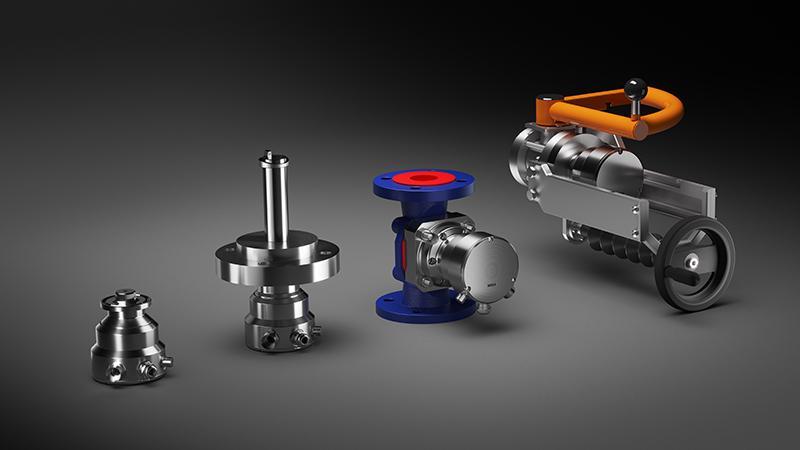
With its hygienic, robust design, the Vaisala Polaris PR53 is ideal for the unique challenges of the food and beverage industries. There are no moving parts and the refractometer requires only minimal maintenance, with no recalibration. Because refractive RI can correlate with COD and total organic carbon (TOC) in some industrial applications, Vaisala Polaris refractometers can provide an effective, real-time surrogate measurement for monitoring changes in organic load in wastewater. However, the strength of this correlation depends on the specific composition of the wastewater, so site-specific calibration is recommended.
In wastewater or side stream processes, the Vaisala Polaris PR53 can be installed directly in the discharge lines to support real-time visibility and predictive wastewater management. Water of suitable quality can be recycled to reduce costs and water consumption, with real-time notification of product losses allowing for quick corrective actions. This helps producers to cut treatment costs, improve efficiency, and strengthen their sustainability performance.
Watch Vaisala’s webinar on how to reduce effluent stream treatment costs by quickly alerting operators to excessive contaminant levels.
Discover the Vaisala Polaris process refractometer product family and see how continuous measurement supports cleaner, more efficient operations.
Learn more about monitoring organics in food and beverage side streams or wastewater streams.