Measuring what matters – Customer experiences with monitoring carbon and water fluxes across ecosystems
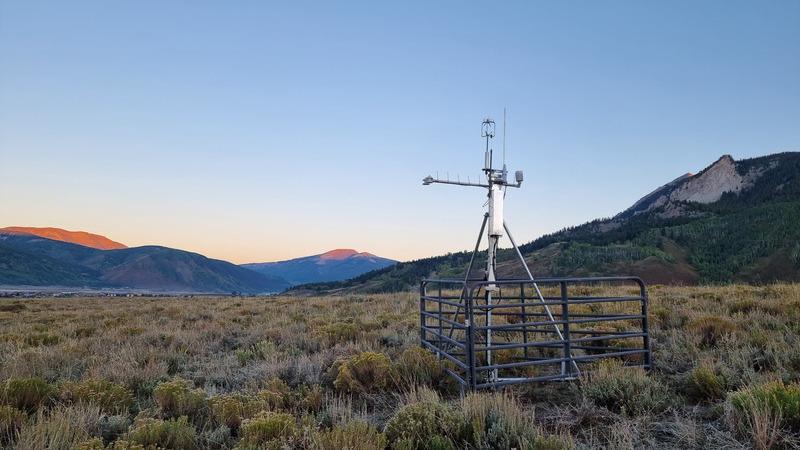
When estimates are not enough, continuous measurement gives you the complete picture.
Nature-based climate solutions need verifiable data to demonstrate their impact. Whether you are managing carbon projects, conducting ecosystem research, or exploring sustainable land management practices, making science-based decisions requires continuous, site-specific measurement rather than estimates or infrequent snapshots.
Join us for a solutions-focused webinar featuring our customers Shell and UK Centre for Ecology & Hydrology (UKCEH), who are using Vaisala Quanterra Ecosystem Monitoring Service's continuous atmospheric monitoring to verify their climate outcomes. Hear directly from researchers and project leaders about their work, how they are using flux measurements, and what continuous data has taught them about their ecosystems.
If you have already attended or registered for this webinar, please click here. Otherwise, please watch the recorded webinar by filling the form.

Julia Illman is Head of Commercial for Vaisala Quanterra. Julia drives commercial development, sales and partnerships for the Ecosystem Monitoring Service that provides customers insights on how a land area sequesters carbon and retains water. With a background in consulting, she has worked with organizations to define and accelerate impactful climate strategies, determine carbon footprints and find ways to decrease emissions and adapt to climate change. Julia is passionate about the power of accurate, measured data to enable more effective climate action. She holds an MSc in Economics and Business Administration from Aalto University (formerly Helsinki School of Economics).
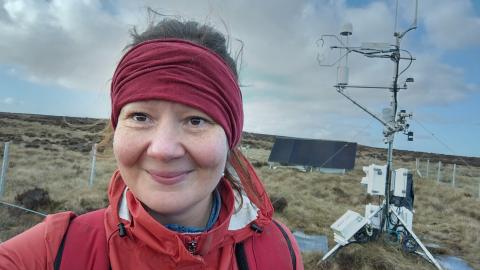
Dr. Terhi Riutta is the Flux Network Manager at the UK Centre for Ecology & Hydrology (UKCEH), overseeing the operation of a network of more than 50 eddy covariance sites. Spanning a diverse range of ecosystems, from pristine peatlands and saltmarshes to croplands and bioenergy plantations, the network measures water fluxes and greenhouse gas exchange, providing critical data to scientists, policymakers, and land managers.
Terhi has over 20 years of expertise in ecosystem ecology, with a particular focus on carbon dynamics and primary productivity. She has worked across forest, peatland, and agricultural systems in boreal, temperate, and tropical regions, investigating the impacts of anthropogenic pressures such as climate change, land-use change, ecosystem degradation, and habitat fragmentation.
Dr. Christian Davies is Principal Scientist for Environmental Biotechnology and Principal Science Fellow at Shell. As a globally recognized expert in soil carbon bioscience, Christian has developed innovative carbon management technologies that combine DNA sequencing techniques with carbon flux measurements to better understand how microbes influence carbon storage in soil. His work focuses on projects that protect, transform, and restore natural ecosystems such as forests, grasslands, and wetlands. In 2021, he received the prestigious Edith and Peter O'Donnell Award in Technology Innovation for his development of alternative carbon management technologies.