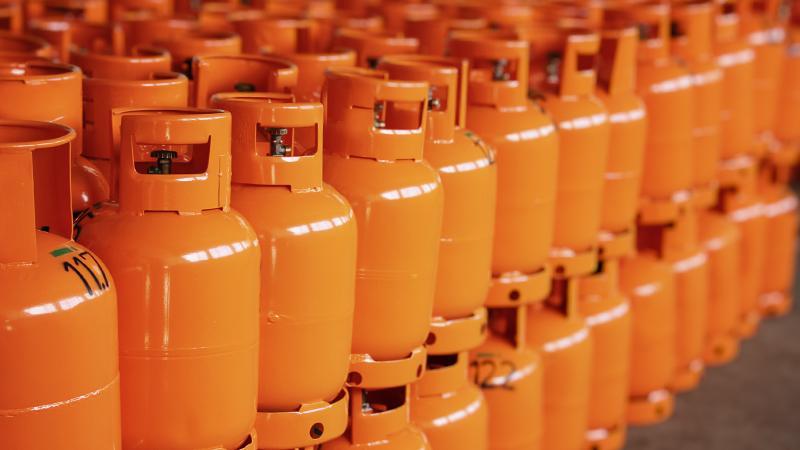
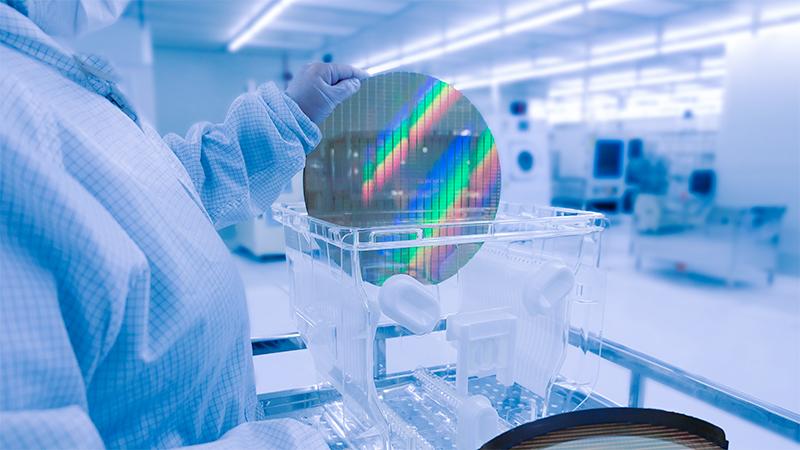
Ultra-pure gases are crucial in semiconductor manufacturing as even trace contaminants in gases can cause defects in microchips, leading to performance issues or complete failures. At the same time, the gas line environments are rarely ideal and often include several potential contamination points.
In this expert-led session, Product Manager Juhani Lehto shares proven best practices for avoiding moisture contamination with ultra-pure gases, and uses a chip prober as an example.
Join this 30-minute webinar to learn:
- How to measure dew point accurately in ultra-dry conditions
- Why is dew point better than RH or PPM in low humidity conditions
- Temperature-induced frost point fluctuations from adsorption/desorption phenomena and how to address them
- How to minimize contamination risks and avoid wasting expensive gases in setups
- Best sensor choices for fast and reliable wafer testing
If you have already attended or registered for this webinar, please click here. Otherwise, please watch the recorded webinar by filling the form.