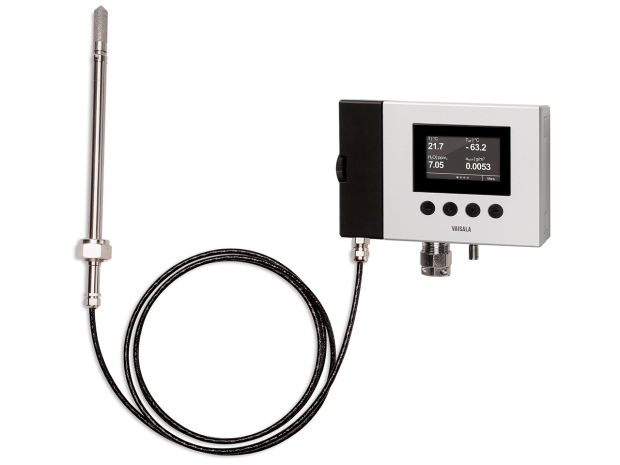
How Vaisala temperature and humidity sensors help automotive painting workshops maintain quality and reduce costs
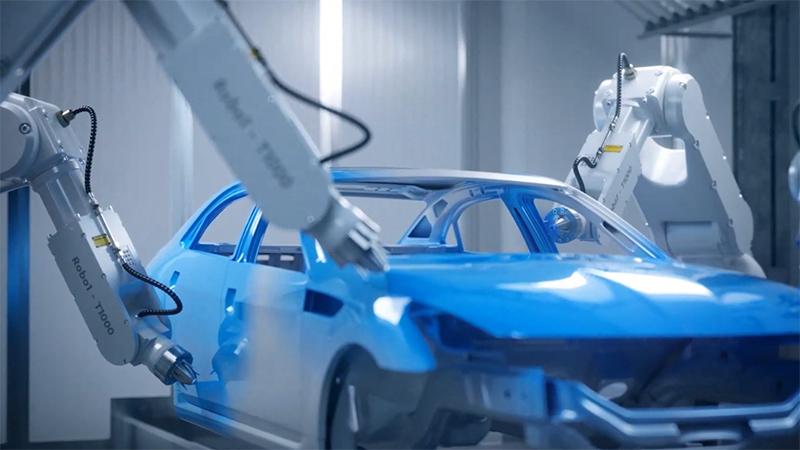


As China's automotive industry shifts from scale-driven growth to a greater focus on quality, the sophistication of manufacturing processes is becoming an increasingly important measure of an automaker's competitiveness. The paint shop is one of the most environmentally demanding stages of vehicle production, and one where measurement accuracy has a direct impact on output quality, energy consumption, and rework rates.
A leading engineering services provider working with major domestic and international automakers has relied on Vaisala temperature and humidity transmitters across multiple painting line projects. Their experience illustrates how sensor stability translates into measurable operational value.
Why temperature and humidity control matters in painting workshops
Consistent, defect-free paint surfaces require stable environmental conditions throughout the spraying process. A commonly used operating range for spray booths is 25 °C ±2 °C and 65% RH ±5%. Deviations in either direction cause predictable problems: excessive humidity can lead to sagging, while low or fluctuating humidity can contribute to an orange-peel surface texture. Both result in rework.
The air conditioning systems that maintain these conditions run continuously and rely entirely on sensor feedback to regulate supply air. If sensors drift, the control system receives inaccurate data, and actual booth conditions deviate from process specifications without any visible indication.
At automotive production rates of approximately one vehicle per minute, a single sensor failure or drift event can affect hundreds of units before it is detected. From fault identification to sensor replacement takes around 30 minutes, during which the line is halted. Vehicles already produced may require rework. The combined costs — labor, materials, delivery delays — are significant.
Stability: consistent measurement over a long service life
After switching to Vaisala products, the engineering services provider reports no paint quality incidents attributable to sensor inaccuracy or drift across any of their cooperative projects.
OEM plant operators have noted that Vaisala sensors require infrequent calibration; in some facilities, calibration intervals extend to three years. Routine maintenance is limited to probe cleaning. For a painting workshop producing around 200,000 vehicles per year with approximately 30 sensors deployed and a line lifespan of 10 to 20 years, long-term sensor stability has a direct effect on lifecycle operating costs.
Energy efficiency: accurate data enables tighter HVAC control
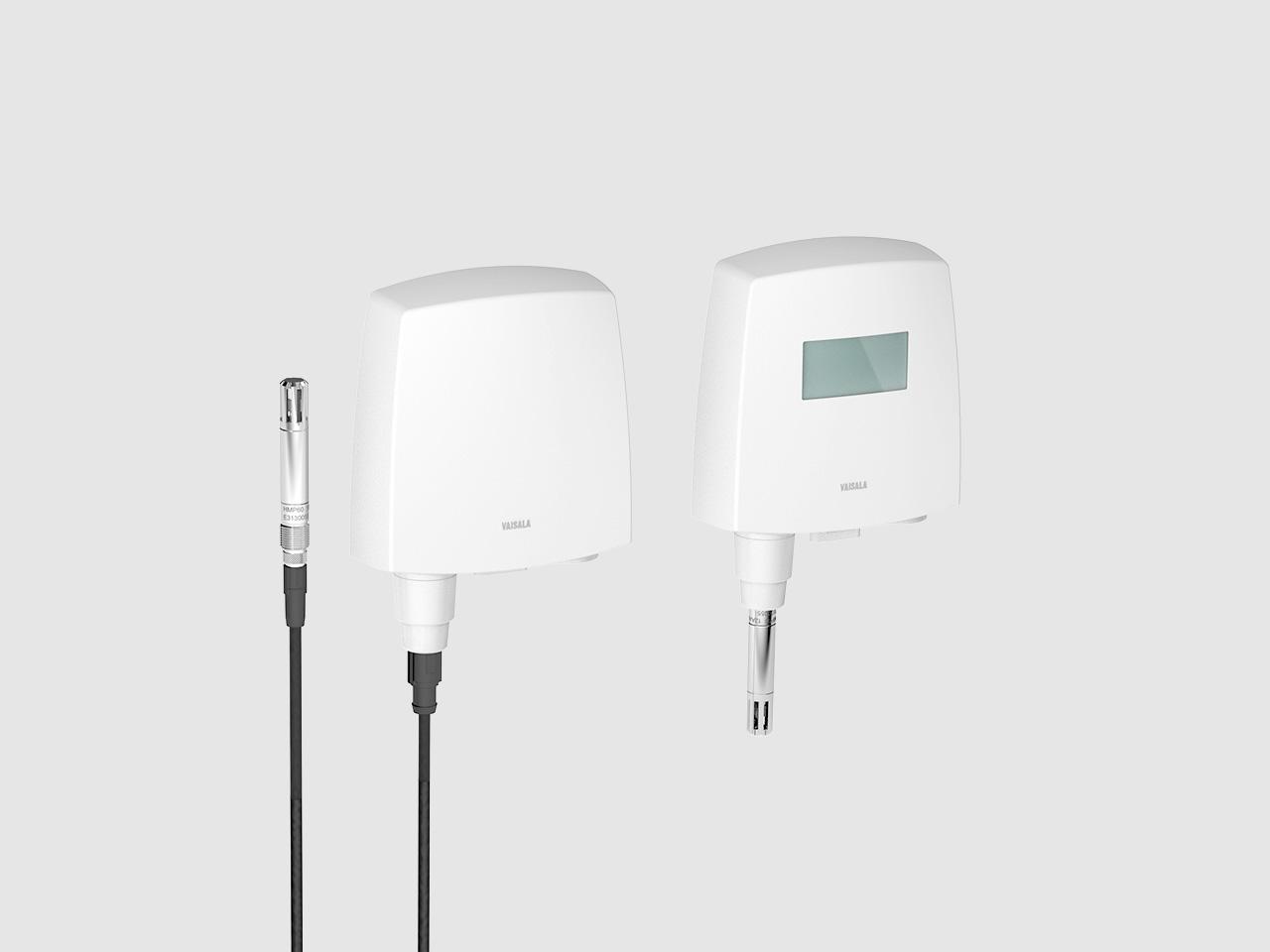
Painting workshop air conditioning systems are among the highest energy consumers in a manufacturing facility. The basis for all HVAC adjustments is the temperature and humidity data returned by sensors. Accurate, fast-responding sensors allow the control system to make timely corrections, maintaining target conditions without over-conditioning the air.
Over the full product lifecycle, the combination of stable sensor performance, low maintenance requirements, and avoided rework costs represents a favorable total cost of ownership.
Safety compliance: intrinsically safe certification for hazardous zones
Spray booths and paint mixing rooms are classified as explosion-proof zones under Chinese national standards. All electrical equipment installed in these areas must carry intrinsic safety certification.
The Vaisala HMT370EX series holds ATEX, IECEx, CML, and NEPSI certifications, enabling direct installation in hazardous locations. This simplifies system design and reduces long-term compliance complexity.
Global applicability: certifications that transfer to international projects
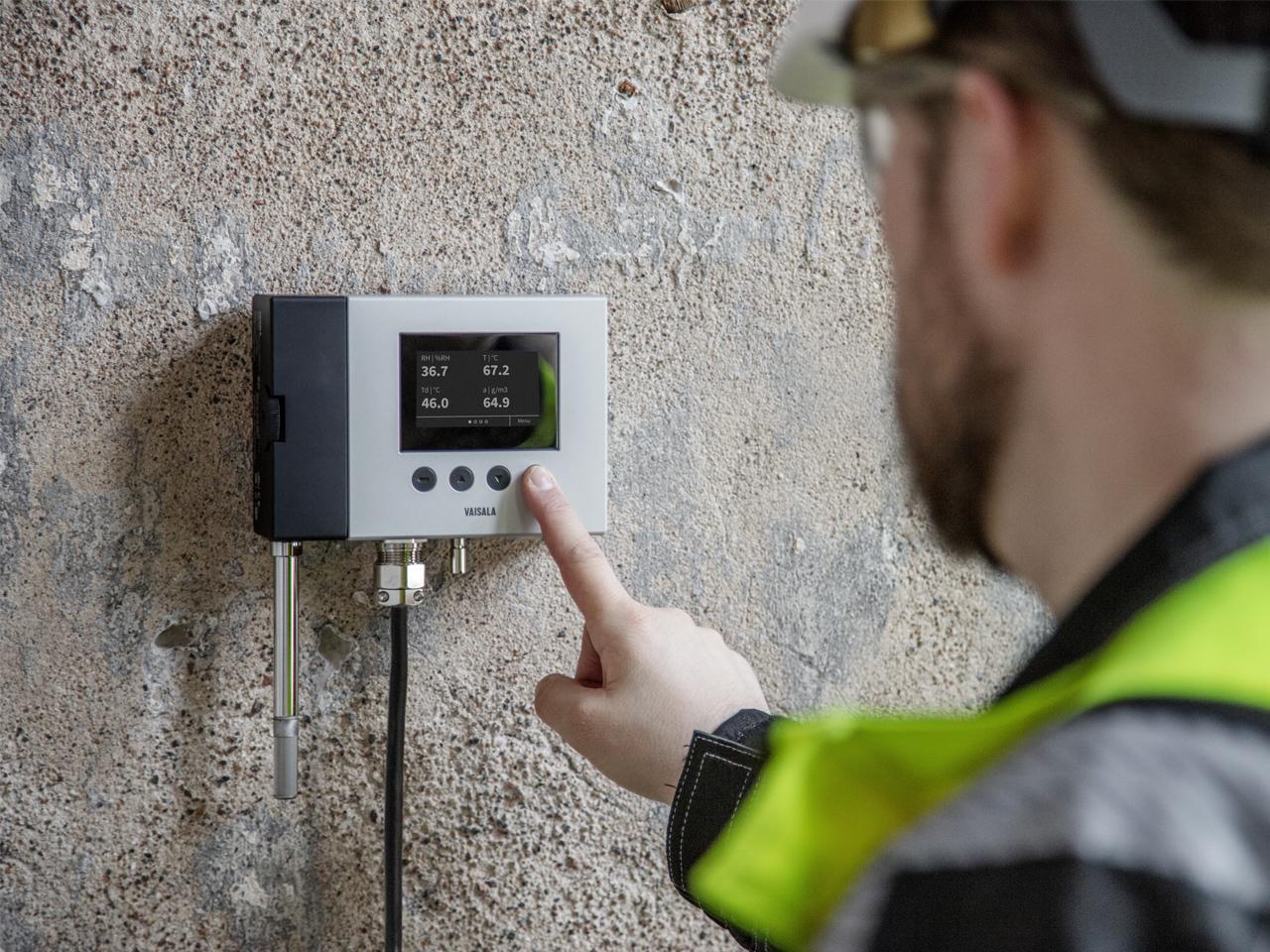
For engineering service providers working on projects outside China, sensor certification compatibility is a practical requirement. Vaisala's international certification portfolio and global service network support deployment across markets without requiring alternative product selection. Some international OEM customers specify Vaisala directly in their global painting line standards.
Sensors as a foundation for data-driven manufacturing
As automotive manufacturers expand their use of real-time data for process optimization and predictive maintenance, the quality of sensor data becomes increasingly important. AI-based control systems depend on accurate, stable inputs, and temperature and humidity measurement sits at the base of that data chain.
Vaisala transmitters provide the measurement reliability needed to support both current process control requirements and emerging data-driven applications in painting workshop environments.