Combining pulsed wind lidar and motion compensation for reliable offshore wind data


The client: BETZ Group
Vaisala solution: WindCube® Offshore lidar
How BETZ Group combines Vaisala WindCube® Offshore with advanced motion compensation technology to deliver high-quality wind and turbulence intensity measurements for offshore wind development.
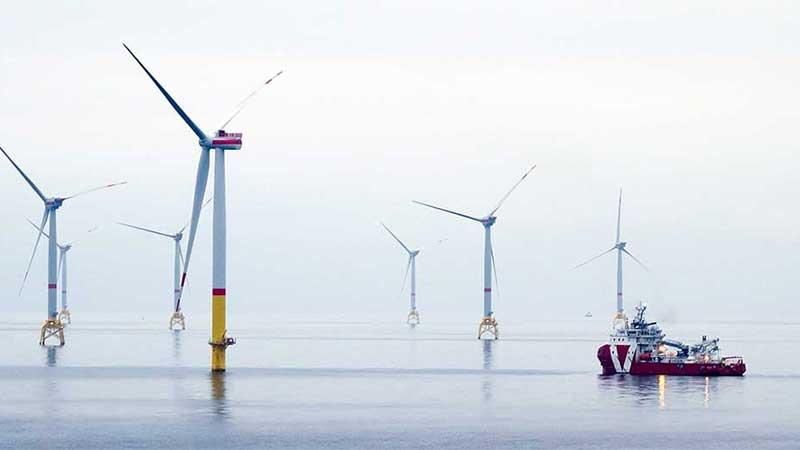
As offshore wind development expands into deeper waters and more challenging environments, reliable wind measurements are essential for reducing project uncertainty and supporting investment decisions. Floating lidar systems offer a flexible and cost-effective alternative to traditional offshore meteorological masts, providing valuable wind data without the need for fixed seabed structures.
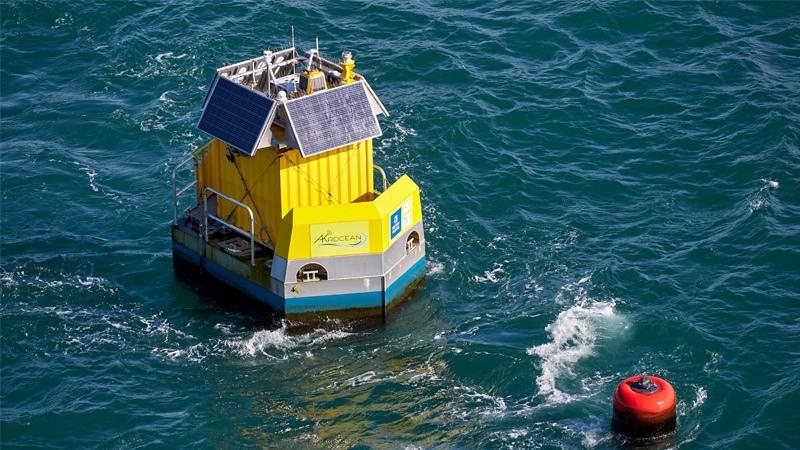
BETZ Group is a climate-tech company specializing in autonomous floating LiDAR and ocean-sensing platforms for offshore wind, marine, and defense applications. With a strong presence in the Asia-Pacific region, the company develops multipurpose measurement buoys that combine wind, metocean, fisheries, and ecological monitoring capabilities on a single platform.
By integrating Vaisala WindCube® Offshore lidar with its proprietary motion compensation technology, BETZ delivers reliable wind profiles and turbulence intensity (TI) measurements from a continuously moving offshore platform. The collaboration helps BETZ provide the high-quality data offshore wind developers need for wind resource assessment, turbine selection, and project financing.
"WindCube gives us the data quality, turbulence insight, and partner support to turn a moving buoy into a measurement platform developers can trust, wherever they're building offshore wind."
John Feng
CEO, BETZ Group
THE CHALLENGE:
Ensuring reliable, bankable wind measurements from a moving offshore platform
Accurate offshore wind resource assessment is critical for wind farm development. However, installing traditional offshore meteorological masts can be expensive, time-consuming, and difficult to permit, particularly in deep-water locations.
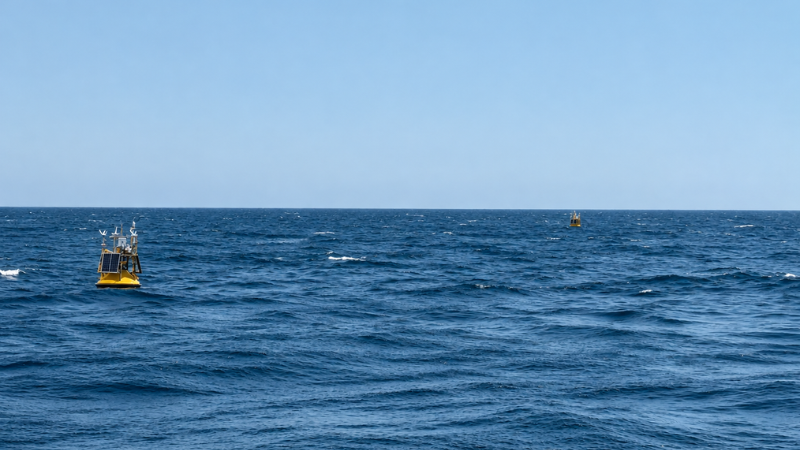
Floating lidar systems provide an attractive alternative, but measuring wind accurately from a moving buoy introduces technical and operational challenges. Constant pitching, rolling, and heaving can affect wind measurements, making effective motion compensation essential for delivering data that developers and independent engineers can trust.
For BETZ, high data availability, reliable performance in harsh marine environments, and the ability to accurately measure turbulence intensity were key requirements when selecting a lidar system. The technology also needed to operate for extended periods in remote locations, withstand cold, wet, and corrosive conditions, and remain within the buoy's available power budget.
Beyond technical performance, BETZ needed a technology partner with proven offshore experience, dependable delivery, and responsive technical support. Any equipment downtime offshore can lead to costly delays and interruptions in measurement campaigns.
The company also wanted a lidar solution with an established validation track record and industry recognition, including alignment with the Carbon Trust Offshore Wind Accelerator (OWA) Roadmap, to support the acceptance of its measurement data.
THE SOLUTION:
Combining WindCube Offshore with advanced motion compensation technology
BETZ selected Vaisala WindCube® Offshore lidar for its proven measurement performance, high data availability, turbulence intensity capabilities, and established track record in offshore wind applications.
A key advantage is WindCube's pulsed lidar technology, which enables wind measurements at multiple heights using precisely defined range gates. Unlike focus-based measurement approaches, the measurement geometry remains consistent across distances, providing an important foundation for accurate motion compensation on a moving platform.
BETZ combines WindCube's line-of-sight measurements with high-rate motion and positioning data from its buoy. Its proprietary algorithms account for the platform's pitch, roll, yaw, and other movements, correcting the measurements before reconstructing wind profiles.
The company has also developed a dedicated turbulence intensity correction algorithm that separates actual atmospheric turbulence from variations caused by buoy motion. This enables BETZ to provide wind and turbulence measurements representative of conditions that would be measured by a fixed lidar system.
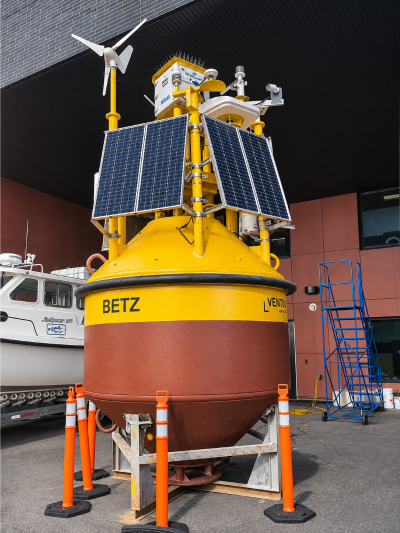
The resulting data is processed into standard 10-minute statistics and undergoes automated quality checks before being delivered to customers.
WindCube is integrated into BETZ's remotely operated, multipurpose measurement platform, which can simultaneously collect wind, wave, current, and environmental data. The measurements also feed into BETZ's digital twin platform, providing customers with a more comprehensive understanding of offshore site conditions.
In addition to the technology itself, Vaisala's responsive technical support and reliable delivery have been important factors in the collaboration, helping BETZ maintain continuity across its offshore measurement campaigns.
THE BENEFITS:
High data availability and greater confidence in offshore wind assessmentszHigh data availability and greater confidence in offshore wind assessments
Integrating WindCube Offshore into its floating lidar platform has enabled BETZ to deliver reliable wind measurements while strengthening confidence in the quality and acceptance of its data.
During a validation campaign in Japan, BETZ compared measurements from its WindCube-equipped buoy against an offshore meteorological mast and reference measurements. The results demonstrated high correlation and strong overall performance. Across its deployments, BETZ has also reported consistently high data availability.
Although detailed performance figures cannot be disclosed due to customer confidentiality, these results provide valuable evidence of the system's suitability for offshore wind resource assessment.
WindCube's pulsed measurement technology and turbulence intensity capabilities offer additional value. Combined with BETZ's proprietary correction algorithms, the system provides wind and turbulence data that closely matches measurements from fixed lidar systems. Reliable TI measurements are particularly valuable for turbine selection, load assessment, and project design.
For offshore wind developers, BETZ's WindCube-equipped floating lidar platform delivers several important benefits:
- Reliable wind resource data: High data availability and strong agreement with reference measurements support confidence in offshore wind assessments.
- Valuable turbulence insights: Motion-corrected turbulence intensity measurements support turbine selection and load assessment.
- More efficient measurement campaigns: Floating lidar provides an alternative to fixed offshore met masts, reducing the need for seabed foundations and complex permitting.
- Comprehensive site intelligence: Wind, metocean, and ecological measurements can be collected from a single autonomous platform.
- Dependable offshore operations: Responsive technical support and reliable equipment delivery help keep measurement campaigns on schedule.
Together, these capabilities help BETZ provide offshore wind developers with the information needed to reduce uncertainty in energy yield assessments, support financing decisions, and advance projects in both established and emerging offshore wind markets.
Expanding floating lidar capabilities into new offshore markets
BETZ is continuing to expand its floating lidar operations internationally, with a particular focus on strengthening its position in Asia-Pacific and entering new offshore wind markets.
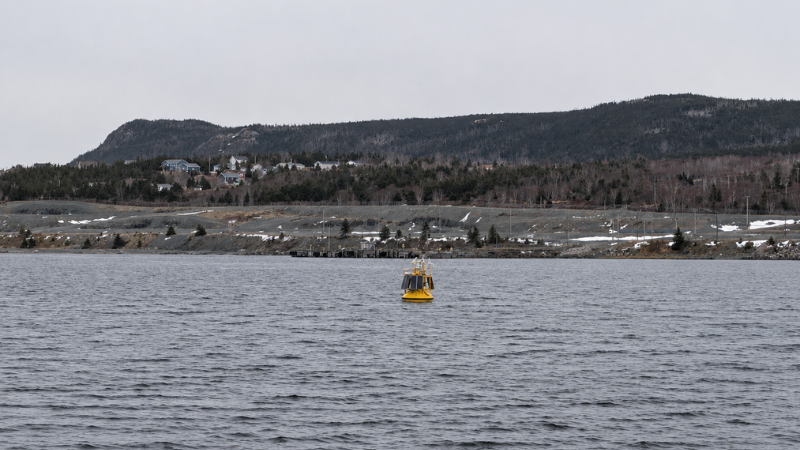
An ongoing deployment in Newfoundland, Canada, is providing an important opportunity to evaluate the combined performance of the BETZ platform and WindCube Offshore in demanding conditions, including sub-zero temperatures, icing, fog, strong winds, and heavy seas.
The campaign is also an important step toward BETZ's goal of achieving Stage 2+ maturity under the Carbon Trust OWA Roadmap. Future campaigns in Eastern Europe and Asia-Pacific are planned to support progression toward Stage 3 and potentially Stage 3+.
The collaboration with Vaisala has developed into a strategic partnership, with BETZ planning to integrate WindCube across all its floating lidar projects going forward.
As offshore wind development moves into deeper and more challenging waters, the combination of proven lidar technology, advanced motion compensation, and autonomous measurement platforms will play an increasingly important role in delivering the reliable data needed to support the industry's growth.