Advancing ecosystem research with reliable soil CO₂ measurements


The client: NEON operated by Battelle
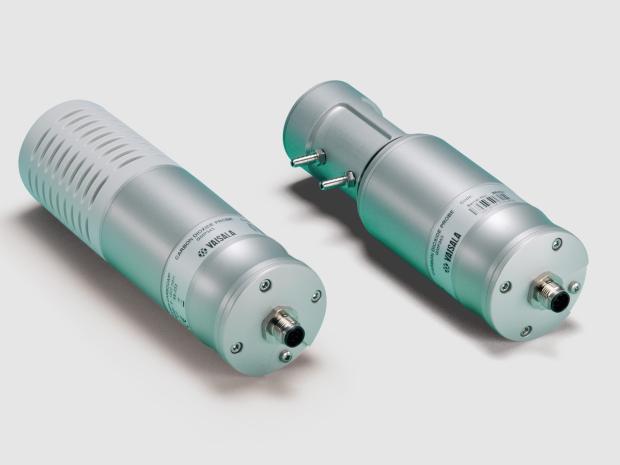
Vaisala solution: CARBOCAP® Carbon Dioxide Probe GMP343
The U.S. National Science Foundation's National Ecological Observatory Network (NEON), operated by Battelle, is a vast, continental-scale facility dedicated to gathering long-term ecological data. Its goal is to advance the understanding of ecological processes to inform sustainable ecosystem management and track diverse ecosystems with 81 freshwater and terrestrial field sites.
THE CHALLENGE: Accurate, long-term soil CO₂ measurements
An important part of NEON’s Terrestrial Instrument System (TIS) Science is to measure CO₂ concentration in soil air at given depths. The CO₂ concentration data can be used to understand soil respiration. This is a valuable observation because soil respiration represents one of the largest fluxes of carbon from ecosystems to the atmosphere.
Most of the CO₂ that escapes from the soil into the atmosphere comes from the respiration of organisms living within it, such as plant roots, microorganisms and soil animals. Soil respiration is a key indicator of biological activity and the main route for carbon stored in soils to enter the atmosphere. A small change in the soil respiration rate can thus have a major impact on the whole atmospheric CO₂ budget and on the global ecosystem.
THE APPROACH: Exceptionally accurate and robust measurement technology
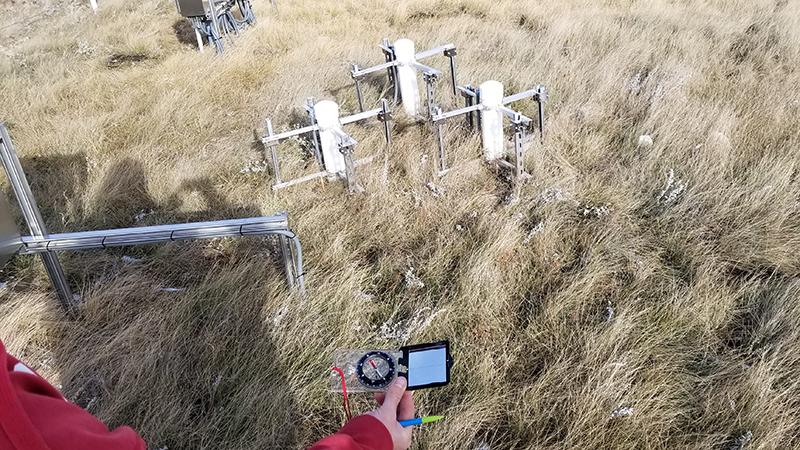
Soil properties can vary significantly over short distances, making it difficult to obtain representative samples. Each terrestrial field site has five sensor-based soil plots, spaced up to 40 meters apart, to capture variability in the locally dominant soil type.
The process involves measuring soil CO₂ concentrations at three different depths (typically from 2 cm to 12 cm, deepest at 20 cm below-ground) using Vaisala CARBOCAP® Carbon Dioxide Probes model GMP343, which have a measurement range of 0 to 2%. With the CO₂ concentration obtained from three sensors, a CO₂ concentration profile with depth is created and when combined with soil CO₂ diffusivity data, can be used to estimate soil respiration rates and CO₂ efflux into the atmosphere.
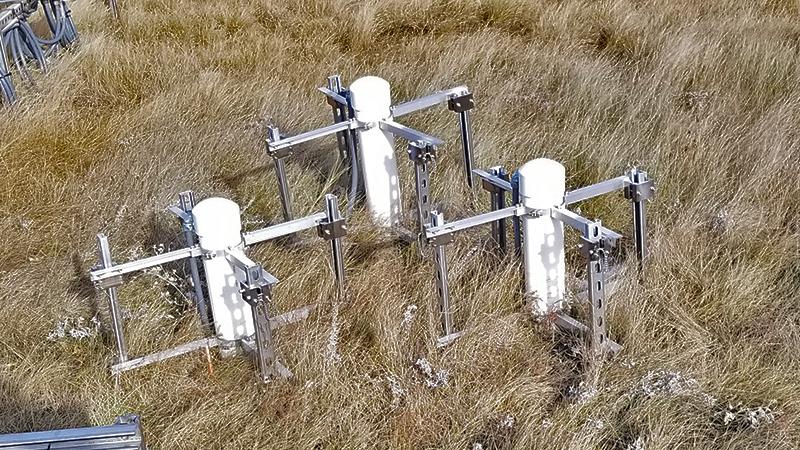
Sensors installed in soil face several common challenges: Condensation, corrosion, and changing environmental conditions can compromise design integrity and measurement consistency.
To combat various soil conditions at multiple TIS location, the science team has designed a robust soil assembly to protect the sensor from corrosion and wet soils. The vertical installation was selected to allow regular calibration and maintenance of the sensors to be performed while maintaining an undisturbed soil profile. To ensure accurate CO₂ measurement, the probe has an internal temperature sensor in the gas sampling area plus an internal algorithm for pressure, humidity, temperature and oxygen compensations if these measurements are available.
THE RESULTS: A field proven device providing long term data in NEON network
Battelle completed the full NEON network construction in 2019. The probes — about 700 in all — have been providing critical soil CO₂ concentration data, accurately and consistently. This allows NEON to continuously capture patterns and cycles across various time periods, ranging from seconds to years. With comprehensive, accurate and long time series of datasets, scientists are better equipped to predict how ecosystems respond to climate change.