What are the latest trends in winter road maintenance?


The demands of the winter road maintenance industry are constantly evolving, and it’s essential for programs and technologies to keep up. As we near the end of this year’s conference season, it’s a great opportunity to reflect. From my experiences and discussions with industry experts, several key trends have become clear. Let me share what I’ve learned.
A shifting industry workforce
The winter maintenance industry has always faced workforce changes, as experienced staff retire and new hires join. Succession planning has played a key role in ensuring knowledge transfer and maintaining agency efficiency. However, over the past five years, agencies have faced new workforce challenges, including significant vacancies and an influx of less experienced employees.
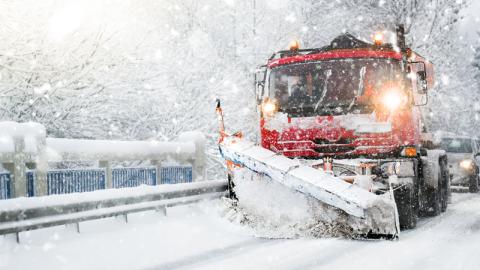
Despite efforts to improve pay and retain staff, many agencies continue to experience shortages, particularly with seasonal workers like snowplow operators. For instance, the Alaska Department of Transportation in Fairbanks has seen the average length of service for a maintenance worker drop from 10 years to just 2 years in a short time span. This shifting workforce presents a growing challenge for agencies across the board.
Changes like this have led to innovative trends that are now shaping the industry.
Winter maintenance decision support and automation
What can be done to help a changing and inexperienced workforce? Well, let’s start by making decision making easier and automate what we can. Newer supervisors that may lack experience need help in their decision making. Planning for an event and making the correct response is vital.
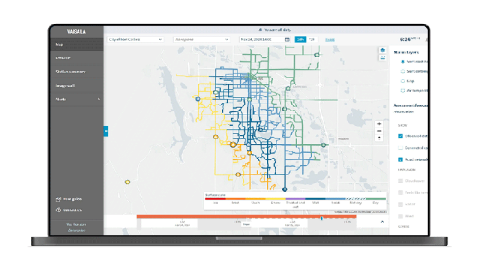
To this end, the industry has improved forecasting and enhanced decision-making tools that help managers and their agencies make informed decisions for not just their area, but individual roadways. Road weather modeling has improved and so has its accuracy. Weather events that will affect any part of a roadway will not only be predicted but also alerted to the manager so the appropriate response can be implemented.
Non-invasive sensors and grip
Today’s advancements in roadway sensors and weather instruments have greatly enhanced decision-making for managers of all experience levels, but particularly those who are newer or less experienced.
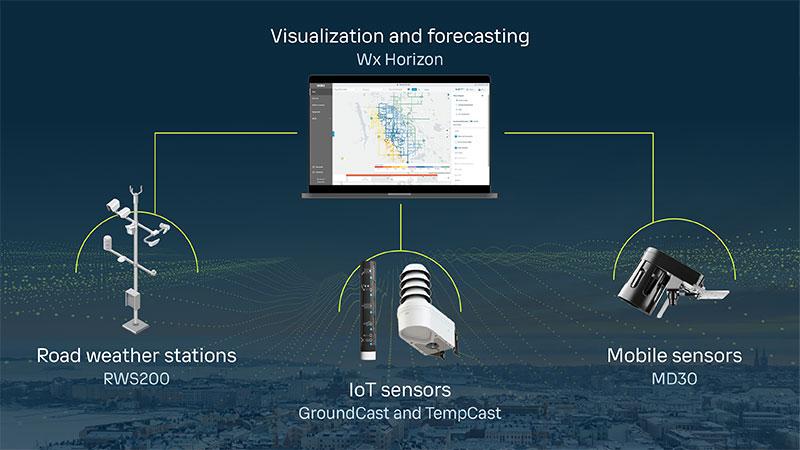
Traditional in-pavement sensors used in Road Weather Information Systems (RWIS) are now being supplemented or replaced by non-invasive sensors. These not only measure surface temperatures but also track grip, a critical factor in understanding road conditions.
Grip has become a game changer, providing a more accurate measure of how safe and drivable a road is under winter conditions. This information is invaluable for less experienced managers, as it allows them to make more confident and informed decisions about their road network.
Hybrid systems
New infill sensors (IoT sensors) and mobile sensors provide a dynamic view of an agency's entire network. These hybrid systems enable managers to quickly assess conditions across the network and determine whether their current response is effective or if adjustments are needed. The ability to evaluate both grip and surface conditions at a glance significantly improves forecasting and the ability to respond to changing conditions.
Dynamic spreading
Another significant trend in winter maintenance is the adoption of dynamic spreading. While agencies benefit from new plow-mounted, non-invasive sensors that provide real-time roadway conditions directly to operators, dynamic spreading takes this a step further.
I’ve seen a lot of excitement in the industry for the potential of this application. These sensors collect roadway data, which is then integrated into the spreader controller. Combined with agency guidelines, this allows for automated, precise material distribution based on actual road conditions.
Dynamic spreading is a breakthrough for both experienced and inexperienced operators. It reduces the need for constant manual adjustments, allowing operators to focus on other critical tasks. At the same time, it optimizes material usage, reducing waste while maintaining the necessary level of service on the roads. This innovation enhances efficiency and ensures more consistent and effective road treatment.
Artificial intelligence
Can we improve on these trends even more? Well, the last trend to discuss is AI. It would stand to reason that it can help is so many ways and is helping already. We see it helping in decision making. Using AI with existing policies helps managers make better decisions: Basically, feeding it a forecast and when given the agency policies and resources it can make the appropriate response.
We see AI helping in determining existing roadway conditions: Taking an image from a camera, interpreting what it sees, and producing a reliable roadway condition. We see endless possibilities of how it can help in forecasting, treatment suggestions etc.
While the basic methods of snow removal (snow falls and we plow and treat the roadways) has not changed, equipment and technologies are making it easier and more efficient every day.
Add new comment