Expert article
Why airports are moving from reactive to structured maintenance models for weather systems
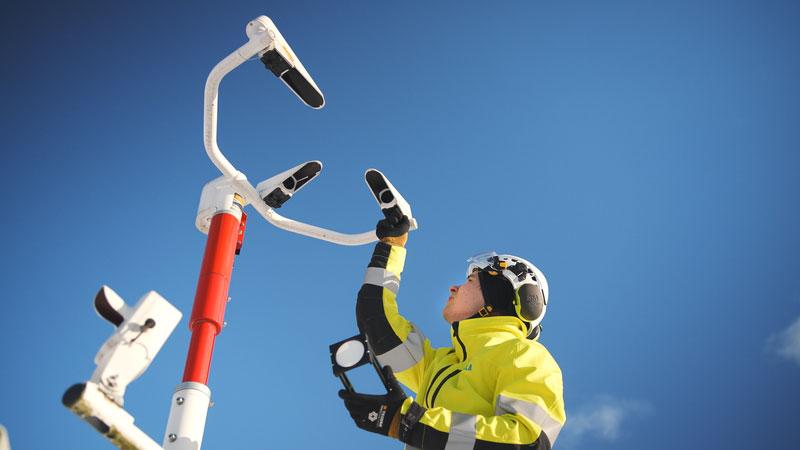



Weather systems are a part of the critical infrastructure that keeps airports running safely and predictably. Yet many airports still maintain them through a mix of reactive interventions and basic annual tasks.
A structured maintenance model replaces this uncertainty with clarity. It defines how weather systems are monitored, maintained, and improved over time so that all parties know what to expect and when. This article explores how shifting from reactive practices to a structured service model brings order to weather system maintenance, and how Vaisala Care provides this structure for airports.
For many airports, weather system maintenance has grown organically and become a regular part of the general maintenance plan. A sensor fails, and it gets repaired. A communication issue arises, and a vendor is called. Once or perhaps twice a year, calibrations and other routine tasks are carried out to keep systems compliant.
These activities keep systems running, but the overall approach is often fragmented:
- Responsibilities may be split between internal teams and multiple service providers.
- Records of what was done, when, and why can be scattered or incomplete.
- Between annual or periodic visits, there is limited visibility into how the system is actually performing.
In day-to-day conditions, this might be acceptable. But as traffic levels rise and operations become more time-critical, the lack of structure starts to matter. Instead of having a clear plan for how weather systems are managed, airports are left trusting that nothing significant is going wrong in the background.
How unclear processes create uncertainty
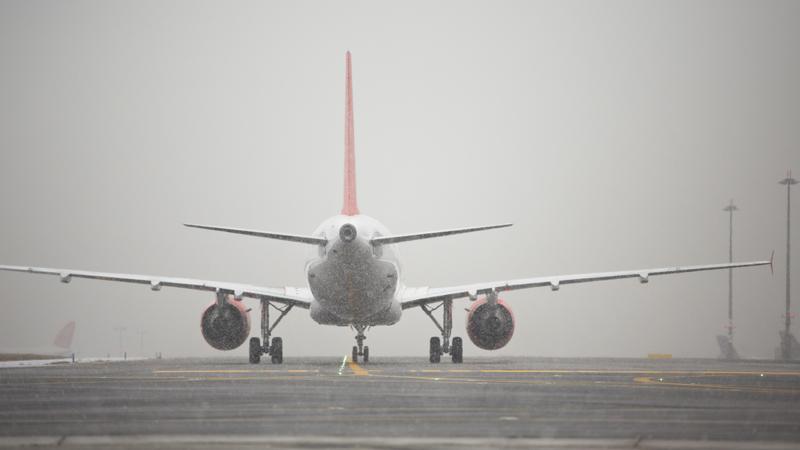
Imagine morning fog operations. A runway visual range sensor begins behaving slightly differently than expected. Controllers or technicians notice an inconsistency when cross-checking information. While they can often work around it and validate data using other sources, one thing is now certain: confidence in that individual system has dropped.
What happens next is where the uncertainty really begins. Who should handle this? Is it the operations team, maintenance, or an external provider? Which vendor covers this particular sensor? What is the right escalation path? The answers may not be immediately clear, especially if the person who usually handles these situations is unavailable or if this type of issue has not occurred recently.
From there, a familiar pattern often follows:
- Someone opens a ticket or calls a supplier if they know which one.
- Local staff try to narrow down whether the issue is a component, communication, configuration, or environmental factor.
- Different parties become involved in troubleshooting, sometimes with overlapping or unclear roles.
Most of the time, this does not result in dramatic capacity reductions. Instead, it creates a period of operational ambiguity. People are less sure about what the system is telling them, more effort goes into verification, and the path to resolution may not be straightforward. The technical problem may be solvable, but the uncertainty about how to solve it: who owns it, what the process is, what was done the last time this happened, extends the time it takes to get there.
Reactive maintenance eventually solves the immediate problem. What it does not provide is a clear, shared understanding of:
- How similar issues will be prevented in the future.
- How to systematically spot early signs of degradation.
- Who is responsible for each part of the lifecycle.
In other words, the system is repaired, but the uncertainty around it largely remains.
What structured maintenance model changes
A structured maintenance model begins with a different premise: that weather systems should be managed as a coherent whole rather than as a series of individual incidents.
Instead of asking "How do we respond when something fails?" the questions become:
- How do we maintain continuous confidence in system performance?
- How do we ensure that responsibilities, processes, and timelines are clearly defined?
- How do we make it easy to see the status and history of the system at any time?
In practice, this means:
- Documented maintenance and calibration plans, not just annual routines.
- Agreed processes for monitoring, diagnostics, and escalation.
- Transparent records and reporting that make system status visible to all relevant stakeholders.
The technology and methods behind this can vary, but the outcome is the same: less guesswork and fewer surprises. Operators know what is happening with their weather systems, what will happen next, and who is accountable for it.
Clarity as the main operational benefit
The greatest benefit of a structured approach comes from everyday clarity, not from dramatic incident avoidance. Severe failures that materially affect capacity do occur, but they are exceptions. A structured model primarily improves the large majority of days when operations are routine by reducing ambiguity about system health and maintenance readiness.
With a structured model:
- Operations teams understand how weather data is being assured in the background rather than hoping that recent maintenance "should be enough."
- Engineering and maintenance teams work from a shared plan instead of reacting case by case.
- Management has a clearer view of risk, costs, and compliance status over time.
Structured service packages for airports

Vaisala Care packages these capabilities into a structured offering for airport weather observation systems covering AviMet AWOS, RVR, and LLWAS platforms. Two tiers with transparent annual pricing allow airports to match support levels to their operational risk and internal capabilities.
The base tier, Vaisala Care, helps turn incident response from unpredictable scrambling to a controlled process. Priority access to technical experts, remote diagnostics, defined response times, and extended warranty coverage streamline problem resolution. Establishing service frameworks upfront eliminates delays negotiating terms during critical situations.
Vaisala Care+ adds genuine proactivity: managed calibration programs for critical runway sensors such as pressure, humidity, temperature, and wind, scheduled preventive maintenance, and planned component replacements based on fleet-wide experience. When unforeseen failures do occur, the tier includes prompt on-site repairs to minimize downtime. Vaisala can also provide a calibration plan for your sensors, coordinate execution, and maintain documentation supporting regulatory oversight.
For airport operations teams, this means fewer inspection surprises and dramatically reduced risk that gradual degradation will suddenly force capacity restrictions.
Operational and financial impact
The shift to a structured maintenance plan creates two effects. First, when incidents occur, response becomes faster and more controlled. Clear protocols reduce uncertainty and accelerate capacity restoration.
Second, incidents become less frequent. On-schedule calibrations, preemptive component replacements, and early issue detection produce more stable data quality and fewer precautionary capacity reductions.
The business case spans operations and finances. Reliable data supports higher runway utilization when capacity is most valuable. Annual contracts provide cost predictability while avoiding emergency repair expenses. The investment contributes to protecting revenue, passenger experience, and network stability.
A strategic choice
Investing in weather infrastructure with comprehensive service support has evolved beyond compliance to become a strategic decision. As traffic grows and weather becomes more volatile, airports will seek partners providing not just technology, but lifecycle services tied to operational performance.
Vaisala Care is now available for airport weather observation systems, with additional product lines—including weather radars, wind lidars, and road weather systems—planned through 2026.
Learn more at www.vaisala.com/vaisalacare.

Learn more about Vaisala Care for Airports
Airport operations depend on accurate, reliable weather data. When a sensor fails or data quality degrades, the impact is immediate: reduced runway capacity, delays, diversions or suspended operations. Vaisala Care shifts support from reactive fixes to a proactive partnership that protects operational continuity.
Frequently asked questions
What makes airport weather data unreliability such a critical operational issue?
When airports operate at or near declared capacity, any loss of confidence in weather data forces implementation of conservative procedures that create immediate throughput reductions. These capacity restrictions propagate through networks as delays and diversions, regardless of whether actual weather conditions warrant restrictions.
Why does reactive maintenance fail to prevent operational disruptions?
Reactive maintenance addresses problems after they occur, meaning the operational impact on capacity has already happened by the time repairs begin. Even efficient reactive maintenance cannot prevent the network effects that result from the initial disruption.
How do Vaisala Care and Vaisala Care+ differ?
Vaisala Care turns incident response into a predictable process with defined response times, remote diagnostics, and extended warranty options. Vaisala Care+ adds comprehensive lifecycle management including managed calibration programs for pressure, humidity, and wind sensors, scheduled preventive maintenance, planned component replacements, and prompt on-site repairs during system failures.
How should airports evaluate their current maintenance approach?
Analyze how often you have implemented capacity restrictions due to weather data availability or quality issues rather than actual weather conditions. Calculate the cumulative cost of these restrictions and assess time spent coordinating reactive maintenance to determine whether your current approach serves your strategic interests.