
Life science articles & resources
Practical guidance for GxP-compliant environmental monitoring, validation, and data integrity

21 CFR Part 11 compliance for environmental monitoring software functions Vs. operating procedures
Regulatory changes come in waves. Over the last 20 years, there have been a few virtual tidal waves involving the use of computerized systems in GxP-regulated applications.

Annex 11 compliance for environmental monitoring systems: Beyond electronic records and signatures
Much like the FDA's 21 CFR Part 11, Annex 11 defines the criteria by which electronic records and electronic signatures can be considered equivalent to paper documents.
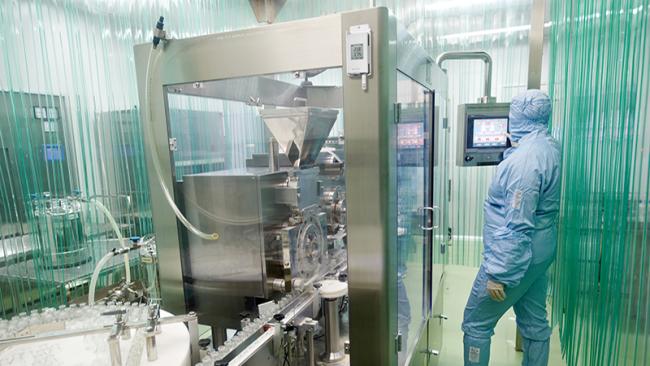
Using GAMP Methodology to Validate Environmental Monitoring System Software
Like all software-based systems, a monitoring system has a life cycle. In this white paper, we focus on the qualification and validation phases—often overlooked because monitoring systems run quietly in the background. Neglecting validation can lead to regulatory observations and difficult audit questions.

How to properly use mean kinetic temperature
Understand how mean kinetic temperature (MKT) should—and should not—be used in GxP-regulated environments. This application note explains the regulatory definitions, scientific basis, and practical limitations of MKT for stability studies and GDP temperature excursions, helping you apply the calculation correctly without replacing robust temperature control.
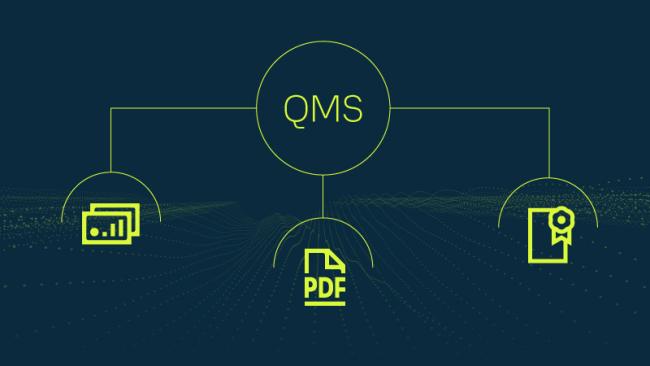
Integrating Environmental Monitoring System Data into Quality Management Systems
This application note features guest expert Harold Woods, a senior life science operations leader with decades of experience, explaining how to integrate environmental monitoring system data into Quality Management Systems. Learn regulatory expectations, best practices for EMS–QMS integration, and how audit-ready environmental data strengthens compliance, risk management, and product quality.

Smart Sensor Placement in GxP Environments: Getting it right for reliable monitoring
Learn step by step how to optimize your sensor placement for temperature, relative humidity, carbon dioxide (CO₂), and differential pressure in storage areas, cleanrooms, incubators, and more. Whether you're monitoring pharmaceuticals, biologics, or medical devices, this training session will help you ensure that your sensor placement withstands regulatory scrutiny.
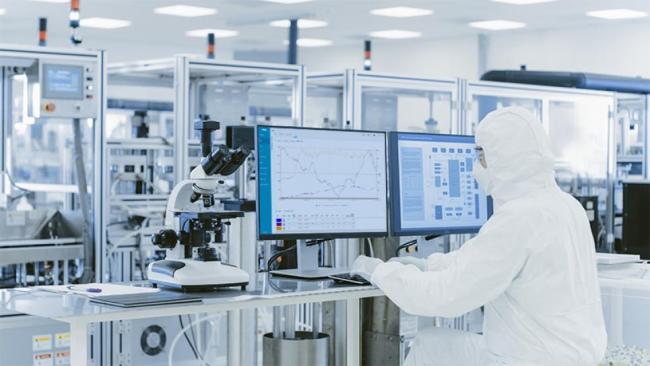
Data Integrity & ALCOA++ principles in GxP continuous monitoring
This blog explores GxP data integrity through the ALCOA++ principles, with practical insight from Vaisala GxP expert Paul Daniel. It answers common compliance questions and includes a curated recommended reading list with direct links to key FDA, EMA, MHRA, and ISPE regulatory guidance documents.

GxP data integrity: What you don't know may make you non-compliant
Learn how to maintain data integrity in GxP-regulated environmental monitoring systems. This webinar reviews current FDA and global regulatory expectations, common data management failures, and real warning letter examples. Gain practical guidance on identifying data integrity risks, avoiding common pitfalls, and applying best practices through expert-led Q&A.


