Hyperlocal air quality monitoring network


The client: City of Lahti, Finland
Vaisala solution: Beam Weather Station AQT530 WXT536 & Wx Beacon
THE CHALLENGE: Update an air quality network to complement existing stations’ data
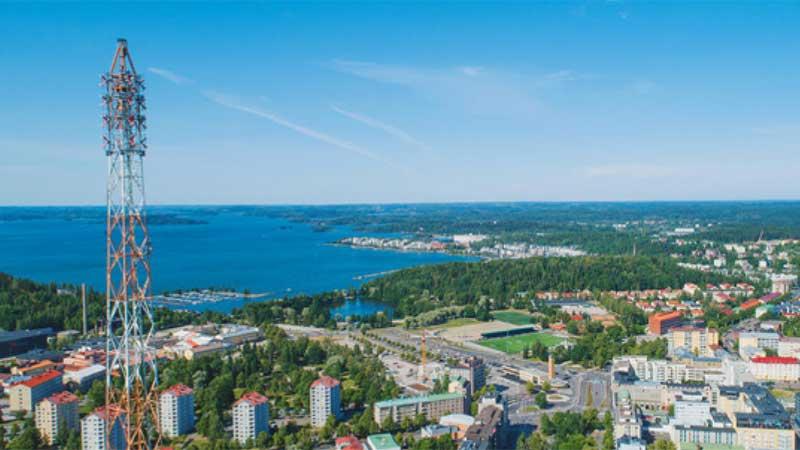
Lahti, a midsized city in southern Finland, was named the European Green Capital 2021. Because it relied on a limited number of air quality monitoring stations, city officials wanted to get more detailed insights on emission levels and sources so they could develop new ways of protecting the health of citizens.
Lahti already received data from five reference-grade stations outside the city core, but those sensors didn’t assess air quality directly where people and traffic are most concentrated.
The city center sits lower than the surrounding topography, so pollutants tend to settle there and create health issues. This creates a significant data blind spot.
City officials understood that complementing an air quality monitoring network by adding more reference-grade stations can be costly and typically requires a lot of space — which is at a premium in most city cores. So they obtained a compact, easily integrated solution from Vaisala as part of an existing green capital partnership.
THE APPROACH: Air Quality Transmitter AQT530 paired with Beam Station
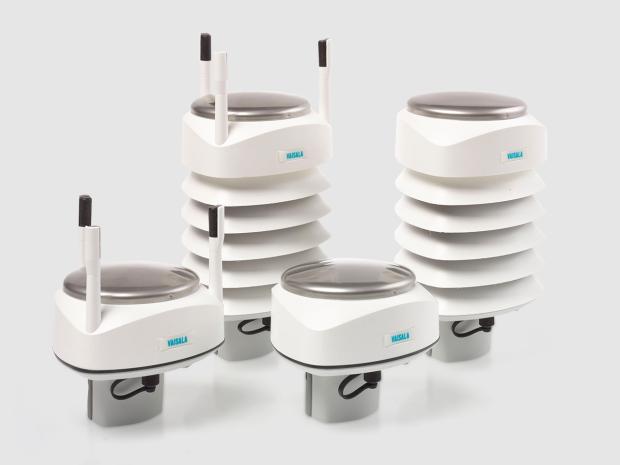
Lahti installed two Vaisala Beam Stations, each one featuring the Vaisala Air Quality Transmitter AQT530 and Weather Transmitter WXT536. This combination of sensors provides reliable data on the most critical pollutants, and the Beam Station provides the integration that makes the sensor data simple to access and use.
“In the early spring, when the snow melts and we have days with worse air quality ... it will have effects on citizens, so it’s important to give this information to the most sensitive groups.”
Saara Vauramo Program Director, Lahti Environmental Capital 2021
One of the stations is located by a busy street in the city center, and the other is on the market square. They are mounted on existing poles and are small enough to fit in someone’s hands, and most citizens probably don’t even notice them. Each station is equipped with a SIM card and uses the cloud-based Wx Beacon software, which provides a convenient user interface and is API-enabled for ultimate flexibility.
Together, they capture hyperlocal data directly where the most citizens spend their time. Particulate data is especially useful, since removing dust left over from wintertime sanding is often a problem in the spring. There are also certain winter weather phenomena that, if not understood and predicted with localized detail, can cause health issues.
THE RESULTS: Modernization, adaptability, and a new research collaboration
Lahti leaders now have the localized, comprehensive data they need, right where they need it. They are also free to relocate Beam Stations as their needs change, ensuring a long service life and ongoing value. The cloud-based Wx Beacon software means that only a power source is needed at a new site.
They also appreciate that Beam Station is recognized by current EU directives, giving it future-readiness and easy acceptance wherever additional, denser networks might be needed.
Lahti has plans to dig even deeper into the data and use it to innovate for the benefit of its citizens. The city recently received funding to conduct research in cooperation with local universities and colleges and develop more ways to use the air quality data. This has provided a strong, mutually beneficial engagement with Finnish universities.
With Beam Station, Lahti is applying a proven model for small and midsized cities, which often lack the resources to build traditional air quality networks. Today, these cities are positioned to innovate and serve their citizens like never before.