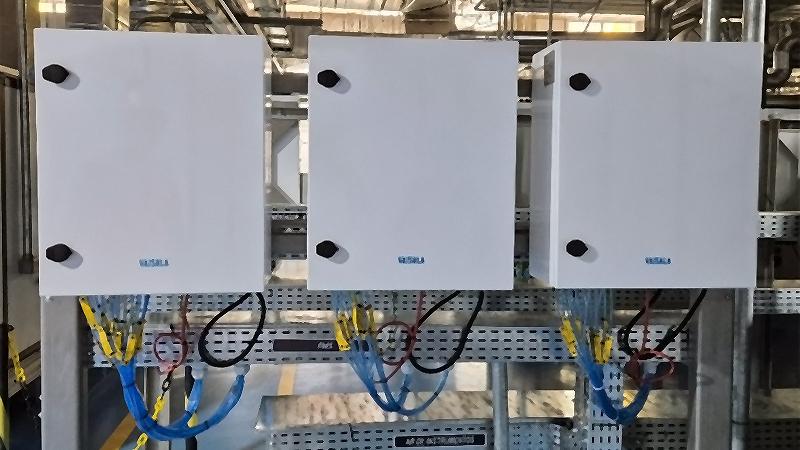


In cleanrooms, differential pressure is a critical process parameter that helps maintain airflow direction, protect product integrity, support containment strategies, and demonstrate compliance. But monitoring low differential pressures accurately is not simple. Small control targets, installation effects, tubing layout, alarm logic, and regulatory expectations can all influence whether your system is truly fit for purpose.
This application note explains how to design a reliable, defensible differential pressure monitoring strategy for cleanrooms and other controlled environments. Learn about FDA, USP, Annex 1, ISO, and ISPE expectations mean in practice for monitoring differential pressure in cleanrooms.
Contents:
- How to select differential pressure transmitters for low-pressure cleanroom applications
- Why direct room-to-room measurement is often the best choice for critical boundaries
- How installation details like tubing length, routing, and mounting location affect measurement quality
- How to create alarm, monitoring, and reporting strategies that support GxP expectations
- What common URS and installation mistakes can undermine performance, validation, and audit readiness
This article is based on a presentation given to ISPE and is written for professionals responsible for cleanroom performance, contamination control, and environmental monitoring. Ideal for:
- Quality and validation teams
- Facilities and HVAC engineers
- Cleanroom designers and project engineers
- Pharmaceutical and biotech manufacturing teams
- Hospital and compounding pharmacy personnel
- Technicians specifying or upgrading cleanroom pressure monitoring systems
You can modify your preference settings or unsubscribe at any time here